
Short Fiction
  • 159
  • 0
  • 50
  • Reads 159
  • 0
  • Part 50
Completed, First published Mar 02, 2026

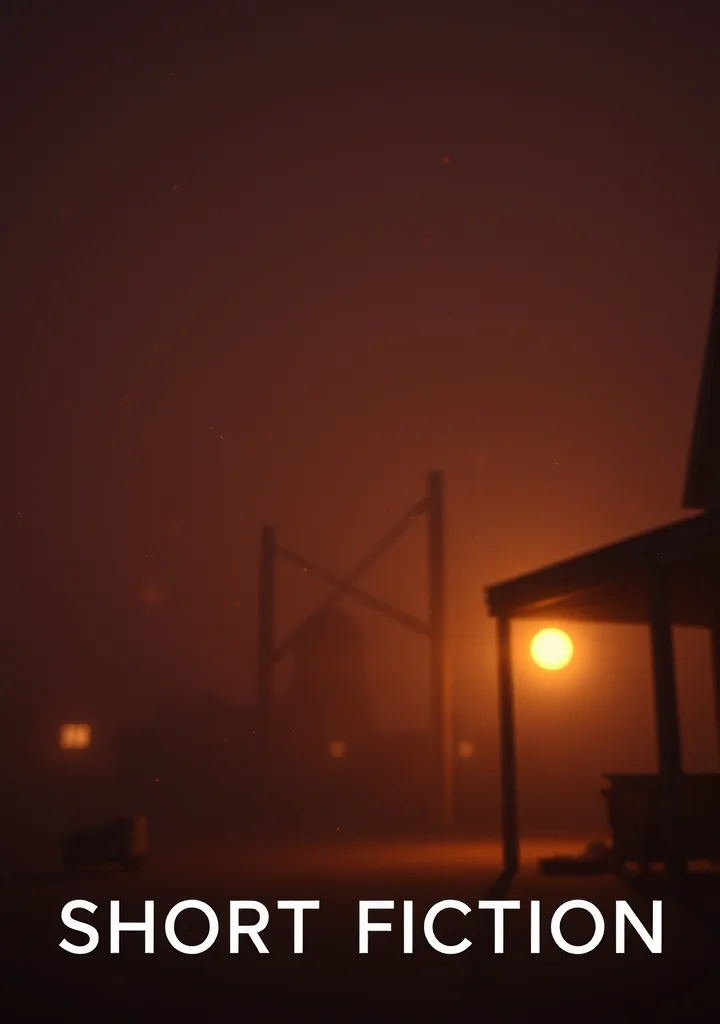
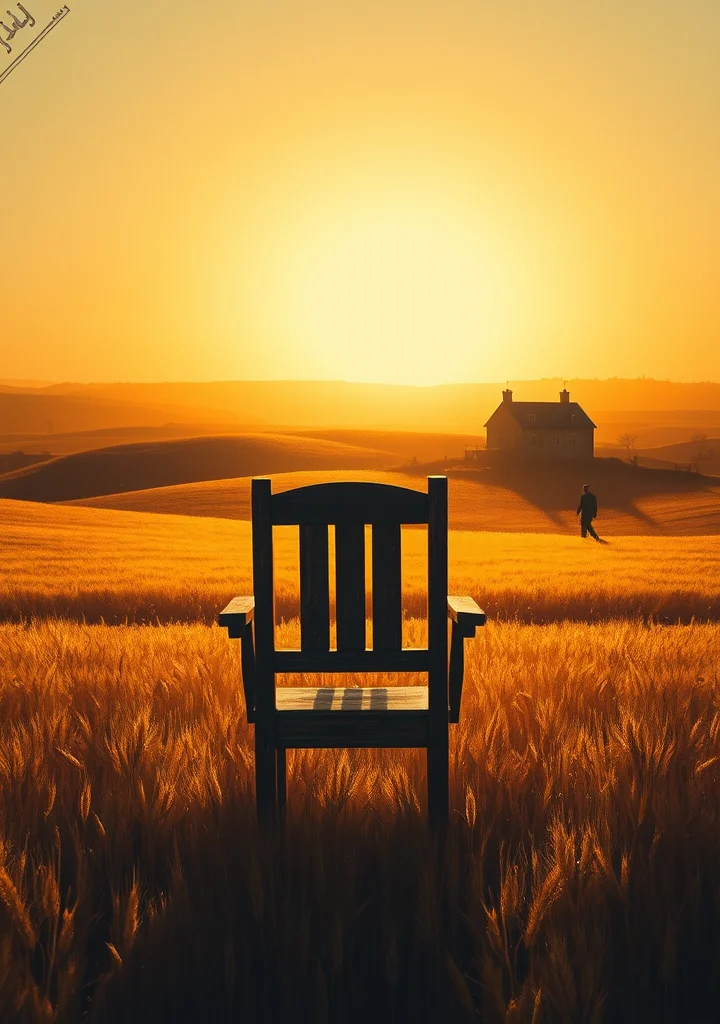
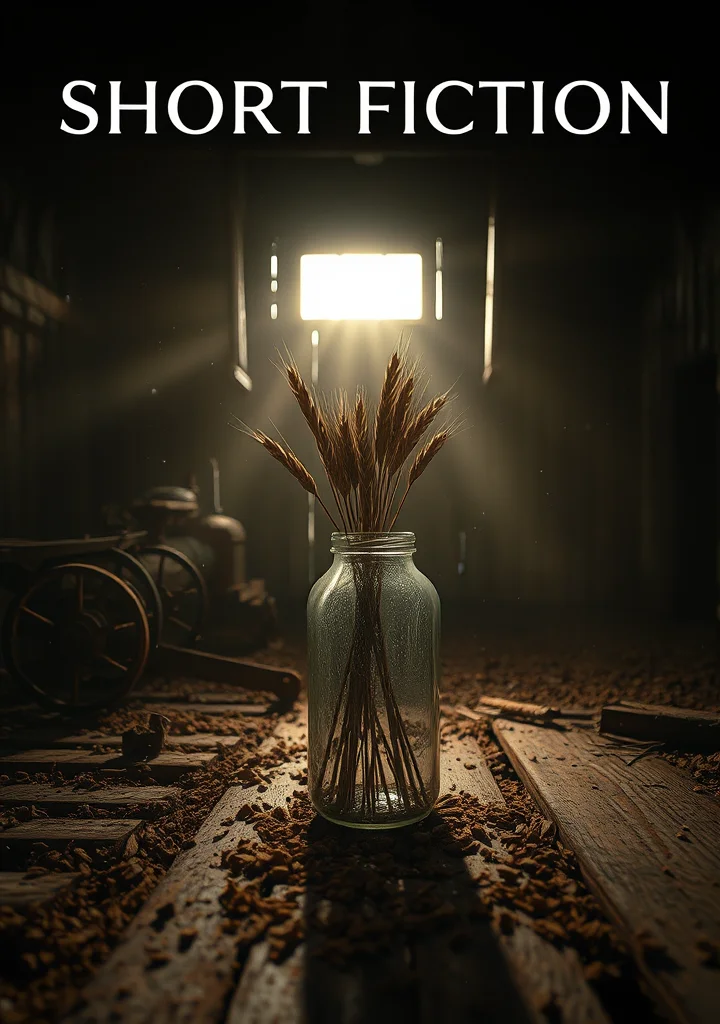
Dust motes dance in the perpetual twilight of forgotten farmhouses, where the echoes of humanity cling to splintered wood and rusting machinery. Here, in the slow, deliberate unraveling of the American heartland, Simak’s stories breathe a melancholy, almost spectral existence. Each tale is a whispered confession from the edge of the world, a haunting glimpse into lives weathered by loneliness and the creeping silence of obsolescence. The air hangs heavy with the scent of damp earth and decaying memories. Characters drift through landscapes bleached by time, their concerns rooted in the mundane—a broken fence, a dwindling harvest—yet shadowed by a pervasive sense of loss. These are not tales of grand catastrophe, but of quiet disappearances, of things slipping away like smoke. A creeping dread settles upon the reader as the boundaries between reality and the ghostly residue of forgotten dreams blur. The prose itself is a dry, brittle thing, mirroring the parched fields and skeletal trees that populate these forgotten corners. It is a world where the horizon holds a vacant stare, and the shadows whisper of what once was, and what will inevitably become dust. The weight of the past isn’t merely felt—it *is* the landscape, pressing down on every fragile existence until only the faintest echo remains.
Copyright: Public Domain
This license allows anyone to use your story for any purpose, including printing, selling, or adapting it into a film freely.
Chapter List

50

Recommended for you
32 Part
A creeping dread permeates the cobbled streets of Prague, not from specters or ghouls, but from the unsettling quietude of a power unbound. It begins with whispers—objects, imbued with a strange, echoing sentience, drifting from their owners, multiplying in darkened rooms. These are the Absolute, fragments of will detached from humanity, seeking not dominion, but *completion*. They collect, coalesce, and absorb the desires, frustrations, and latent regrets of those they touch, growing into monstrous reflections of the city’s hidden heart. The narrative coils around Doctor Borik, a man haunted by his own failures, forced to unravel the mystery before the Absolute consumes not just possessions, but identities. Shadows lengthen as the line between object and consciousness blurs. Dust motes dance with purpose, forgotten heirlooms throb with stolen intent, and the very air chills with the weight of unfulfilled longing. The atmosphere is one of suffocating claustrophobia. Every abandoned item feels observed, every darkened doorway a maw waiting to swallow the unwary. The prose is thick with the scent of decay and the metallic tang of obsession, mirroring the Absolute’s insatiable hunger. It is not a story of monsters hunting men, but of the monstrous *within* men, given form and unleashed upon a world already teetering on the brink of ruin. The novel unfolds like a slow, agonizing fracture of the self, where the echoes of what *could have been* threaten to drown all that remains.
10 Part
A creeping twilight descends upon young Emil Sinclair as he’s drawn into the magnetic orbit of Max Demian, a figure both beautiful and terrifyingly unbound. Hesse’s narrative isn’t merely a coming-of-age, but a descent into shadowed chambers of the self, where inherited morality fractures against the raw stone of instinct. The air thickens with the scent of incense and forbidden knowledge as Sinclair’s world fractures – the rigid structure of his upbringing, the suffocating piety of his mother, all crumble beneath Demian’s gaze. Every encounter is layered with a premonition of doom, a cold wind whistling through the hollows of Sinclair’s nascent soul. The novel breathes with the claustrophobia of a gilded cage, the oppressive weight of societal expectations pressing down like lead. Dreams twist into grotesque allegories, mirroring Sinclair’s inner turmoil with unsettling clarity. Ancient symbols, unearthed from the loam of forgotten myths, become obsessions, fueling a desperate quest for liberation. The narrative is haunted by the specter of a fractured duality, a constant blurring of light and shadow, innocence and corruption. Sinclair’s journey isn’t towards enlightenment, but towards a harrowing reckoning with the darkness within—a darkness that threatens to consume him entirely as he spirals towards the inevitable, brutal severing of ties with the world he once knew. The final revelation is less a triumph, more a chilling echo in the vast, empty cathedral of his own becoming.
56 Part
A creeping dread clings to the shadowed lanes surrounding Wildfell Hall, a manor steeped in rumour and whispered anxieties. The narrative unfolds through the anxious observations of a young gentleman drawn into the isolated community, but quickly becomes consumed by the mystery of its reclusive mistress, Helen. She arrives fleeing a monstrous secret, a husband whose depravity festers within the confines of their marriage. The Hall itself breathes with a history of decay, a gothic fortress concealing not merely stone and timber, but the unraveling of a woman’s spirit. The story is one of entrapment—not within walls, but within a marriage that slowly poisons the soul. Helen’s diary, unearthed like a tomb’s unearthed remains, reveals a descent into darkness, fuelled by alcohol-soaked brutality and the insidious erosion of self-worth. Every shadowed room, every stolen glance, echoes with the suffocating weight of a life slowly extinguishing under the weight of a monstrous devotion. The landscape mirrors the internal torment; bleak moors and desolate farmhouses reflect the emotional barrenness of her existence. A relentless tension builds, punctuated by the chilling details of her husband’s escalating cruelty, until the reader is left gasping with Helen, trapped within a nightmare of domestic horror. It is a tale of escape, yes, but the price of freedom is etched in scars both visible and unseen, leaving Wildfell Hall a monument to the harrowing power of abuse and the desperate will to survive.