
An Outback Marriage
  • 244
  • 0
  • 31
  • Reads 244
  • 0
  • Part 31
Completed, First published Mar 02, 2026

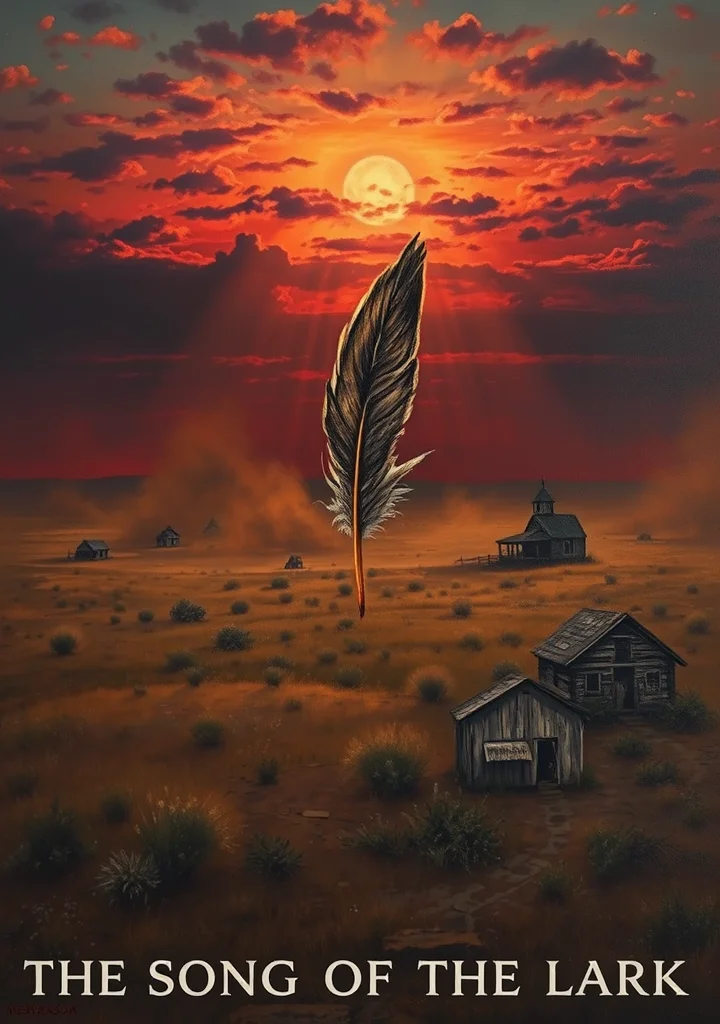
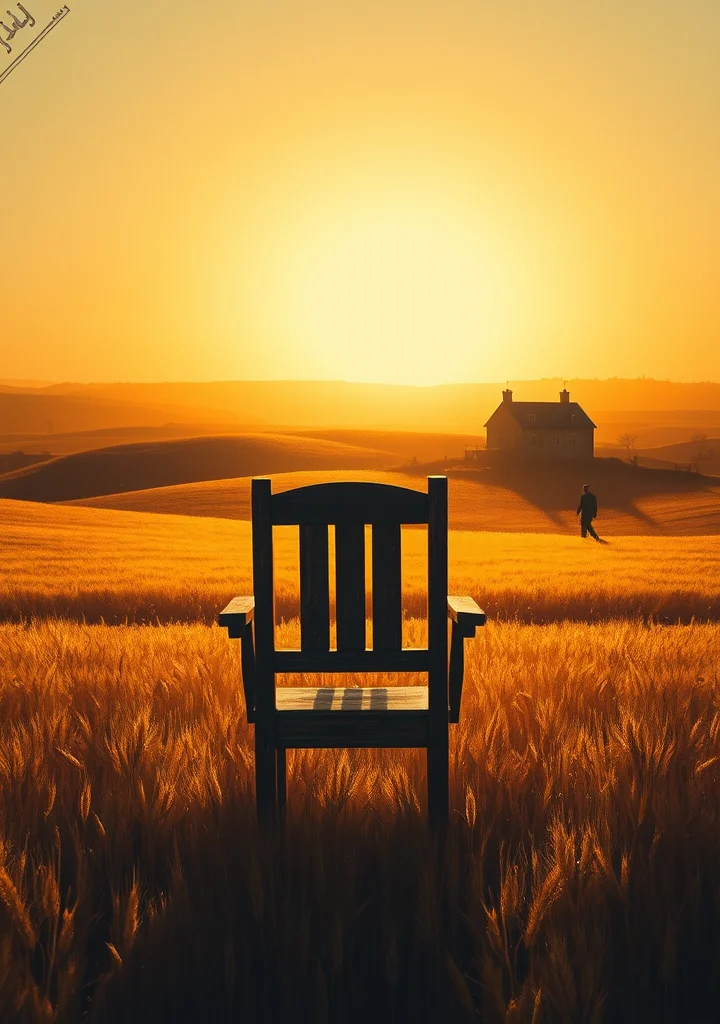
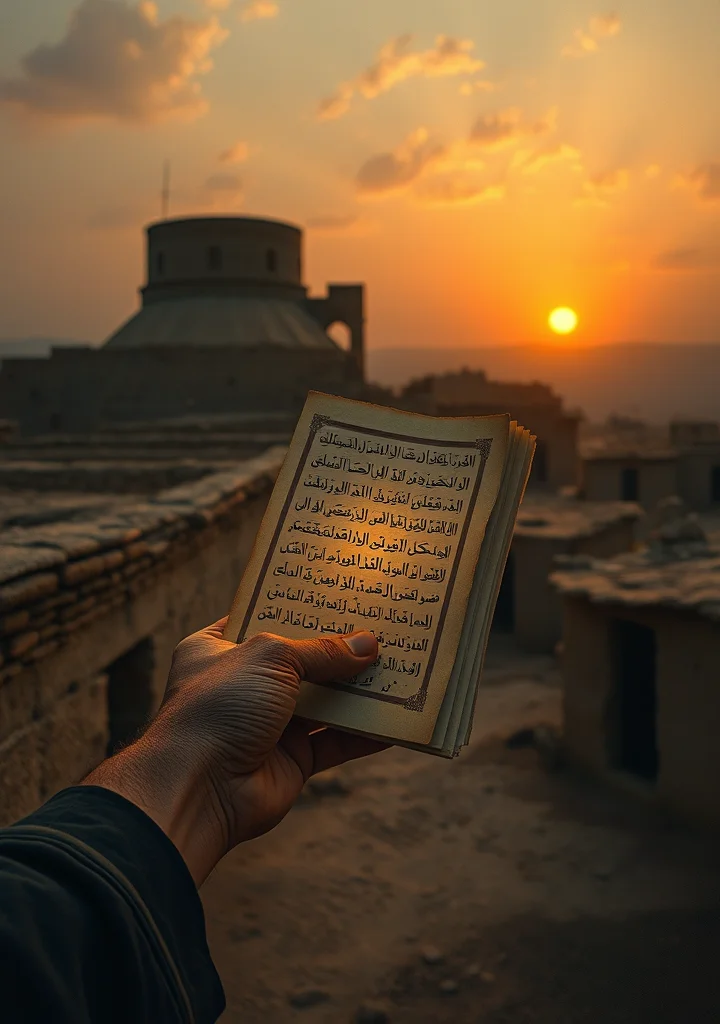
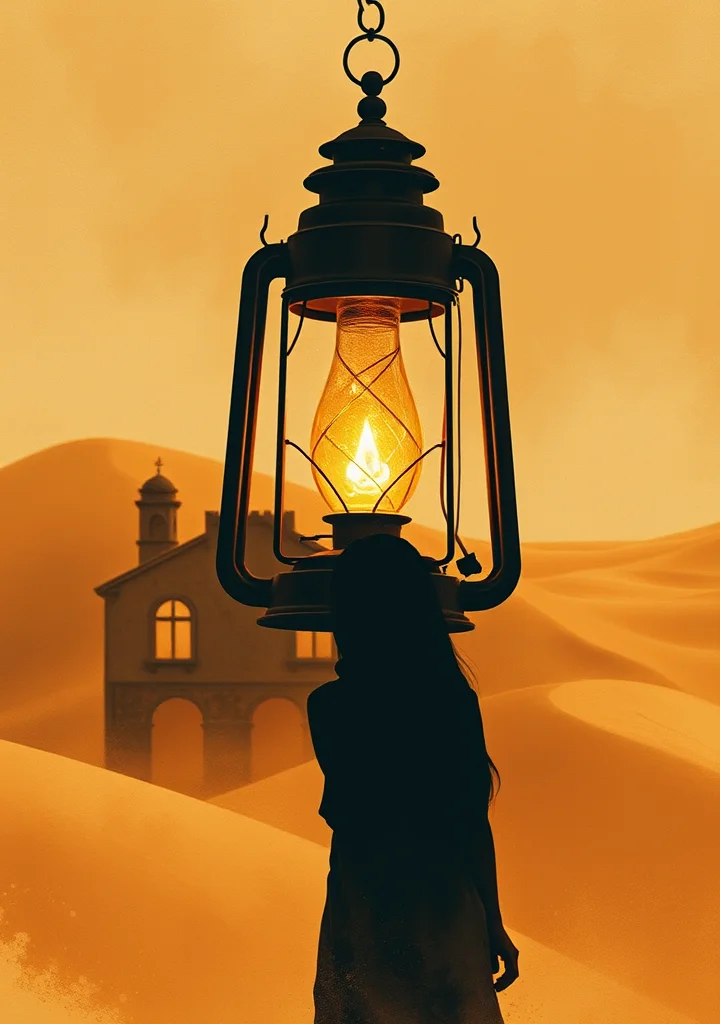
Dust devils dance across a sun-bleached horizon, mirroring the spiraling desperation within Clara’s heart. The vast, ochre landscape of the Australian outback isn’t merely a backdrop, but a suffocating presence, mirroring the loneliness that claws at the edges of her forced union. Her husband, a man carved from the very granite of the land – stoic, taciturn, and haunted by a silence deeper than the endless plains – offers a marriage of duty, not affection. Each sunrise bleeds into another, marked only by the relentless heat and the slow, creeping dread of isolation. The homestead, a crumbling testament to forgotten dreams, breathes with the whispers of drought and the ghosts of failed promises. A relentless, sun-scorched melancholy permeates every timber and every shadow. Rumours cling to the fences like cobwebs – stories of restless spirits driven mad by the distance, of cattle rustlers swallowed by the red earth, and of a past that refuses to stay buried. Clara finds herself increasingly drawn to the stories, seeking solace in the darkness, as the land itself seems to conspire to unravel the fragile threads of her sanity. The very air hangs thick with the scent of decay, of lives withered and broken under the unforgiving gaze of the Southern Cross. It is a marriage not of love, but of endurance – a slow, agonizing descent into the heart of a desolate, unforgiving wilderness, where the only witness is the burning, indifferent sun.
Copyright: Public Domain
This license allows anyone to use your story for any purpose, including printing, selling, or adapting it into a film freely.

Recommended for you
17 Part
A creeping fog of moral decay clings to the damp cobblestones of 19th-century Europe, mirroring the rot within Winston Churchill’s protagonist, Marlow. Not a tale of daring exploits, but of insidious compromise, of a man hollowed by the weight of a nation’s secrets. The narrative coils like a serpent in the dim parlors of London and the shadowed cafes of Geneva, each whispered confidence a tightening noose. Marlow isn’t merely tasked with espionage; he’s consumed by it, his very identity dissolving into the guise of another’s ambition. The true horror isn’t the plot itself, but the glacial erosion of the soul. Conrad doesn’t offer spectacle, but a suffocating claustrophobia born of suspicion, the constant awareness of being observed, of being a puppet strung along threads of power. Every encounter is veiled in politeness, yet vibrates with a cold, predatory intent. The prose itself is a deliberate, slow burn, mirroring the deliberate pace of the agent’s infiltration. Expect not grand chases or explosive reveals, but the insidious bloom of disillusionment. The novel’s true darkness isn’t found in what is done, but in the casual, almost clinical acceptance of its necessity. It’s a descent into a world where honour is a currency debased by necessity, and where the very act of witnessing leaves its mark like a brand upon the heart. The air hangs heavy with the scent of stale tobacco and unspoken bargains, a chilling premonition of the century's coming shadows.

30 Part
A creeping fog clings to the shattered remnants of empires, mirroring the ruinous calculations etched into every treaty line. This is not a history of battles won, but of debts accrued, of futures bartered away in gilded salons and shadowed counting houses. The air hangs thick with the scent of ash and regret, a chill seeping from the very stone of Versailles. Each paragraph feels like a slow excavation of a buried grief, uncovering the rot beneath the veneer of restoration. The narrative doesn't explode with violence, but unravels in the quiet decay of promises broken. It’s a story told in ledger books and whispered anxieties, a creeping dread that settles not in grand catacombs, but in the hollowed-out eyes of merchants and the tightening grip of creditors. A suffocating weight presses down, not of armies, but of unrealized loans and the spectral hunger of nations left to starve on the bones of their pride. The prose itself is a labyrinth of clauses and caveats, mirroring the intricate, suffocating web of obligations woven after the war. It's a world lit by the flickering gaslight of statistical tables, where every decimal point feels like a nail hammered into the coffin of stability. A subtle, pervasive despair permeates the text, the sense that even in the meticulous charting of consequence, the abyss stares back, indifferent to the logic of man. The true horror isn't found in the carnage of the guns, but in the cold, elegant precision with which hope is systematically dismantled, and the silence that follows.