
My Four Weeks in France
  • 85
  • 0
  • 9
  • Reads 85
  • 0
  • Part 9
Completed, First published Mar 02, 2026

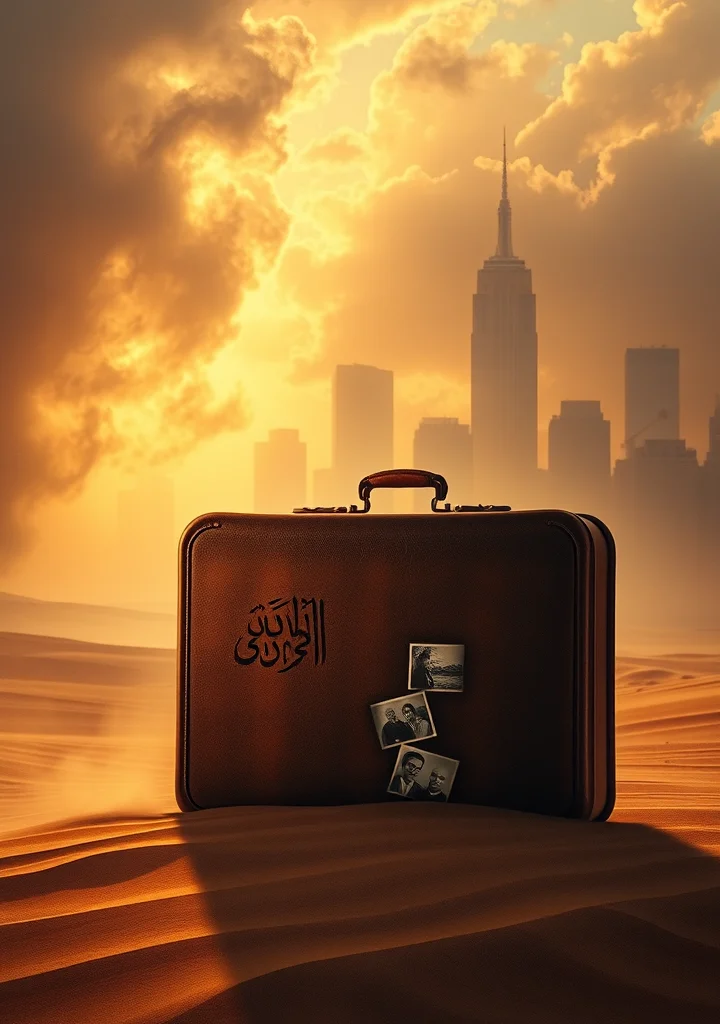
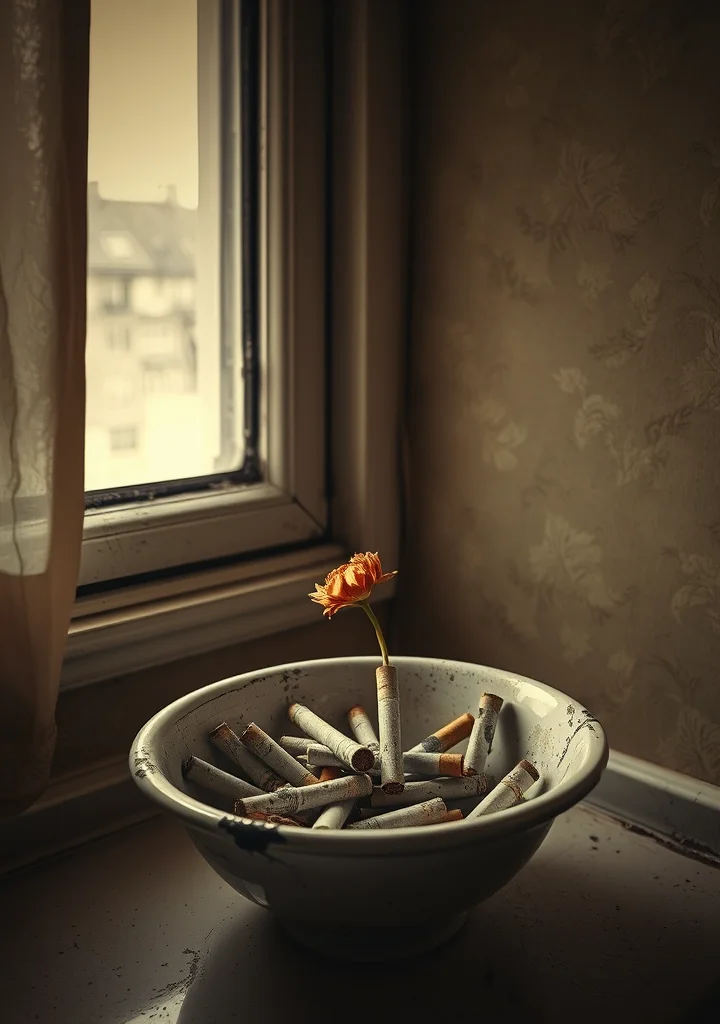
Dust motes dance in the perpetual twilight of provincial hotels, mirroring the slow decay of a man adrift in a country not his own. The narrative unfolds like a brittle, yellowed postcard – fragments of observation, laced with a loneliness so profound it clings to the chipped enamel of washbasins and the scent of stale Gauloises. Lardner’s protagonist isn’t a traveler seeking beauty, but a phantom tracing the hollows of his own discontent across sun-bleached landscapes. Each week bleeds into the next, marked only by the shifting patterns of rain against lace curtains and the increasingly desperate attempts to fill the silence with borrowed phrases. France is not vibrant, but a grey scrim through which he watches the world, and himself, unravel. The prose is a dry, precise dissection of ennui, where even the smallest details – a chipped teacup, a poorly translated menu – resonate with the weight of unspoken regret. It’s a story told in the gaps, in the things left unsaid, a creeping dread that settles not in grand gestures, but in the damp chill of an empty room, and the hollow echo of a man failing to disappear into the very fabric of a foreign land. The weeks are not a journey, but a slow, elegant erosion.
Copyright: Public Domain
This license allows anyone to use your story for any purpose, including printing, selling, or adapting it into a film freely.
Recommended for you
22 Part
A creeping dread clings to the crumbling chateau of Sarek, a fortress of shadows etched against the bruised twilight of the Ardennes. Within its suffocating stone embrace, generations have vanished, swallowed by whispers of a lineage cursed by a raven’s prophecy. Leblanc weaves a tale steeped in the scent of decay and the chill of ancestral guilt. The narrative unfolds through fragmented journals and desperate letters, each page stained with the ink of obsession and the dust of forgotten rites. Sarek isn't merely a place, but a contagion—a slow erosion of sanity born from the weight of secrets buried in its peat-blackened foundations. The estate’s sole heir, a man haunted by visions mirroring his ancestors' fates, unravels a history woven from illicit love, blasphemous bargains struck with the forest’s ancient entities, and the agonizing price of immortality. The air itself seems to conspire against the living, thick with the rustle of unseen presences and the echoing cries of those claimed by Sarek’s insatiable hunger. Every room breathes with the ghosts of its past, and the labyrinthine corridors offer not escape, but a deeper descent into the heart of a darkness that predates the chateau’s very stones. The truth, when it finally claws its way to the surface, is less a revelation than a festering wound—a testament to the monstrous legacy bound to Sarek’s soil, and the insidious corruption that blooms in the silence between breaths.
12 Part
A creeping dread clings to the cobbled streets of early 20th century Paris, where whispers follow the phantom touch of a surgeon’s steel. The air hangs thick with the scent of ether and decay, a perfume clinging to the shadowed alleys surrounding the Hôtel-Dieu. Leblanc weaves a narrative steeped in the city’s underbelly, charting the descent of Dr. Moreau, a man haunted by his own skill. His ‘cure’ for the melancholic elite is not one of scalpel and suture, but of exquisite, hollowed-out instruments – needles designed to bleed away not blood, but *feeling*. Each patient, willingly subjected to Moreau’s morbid artistry, leaves behind a fragment of their soul, meticulously extracted and preserved in glass ampoules. The doctor’s apartment, a labyrinth of anatomical charts and gleaming tools, becomes a reliquary for stolen grief. But the echoes of their lost passions begin to bleed into Moreau’s own life, manifesting as phantom pains, spectral visions, and a gnawing hunger for the very emptiness he inflicts. The novel unfolds in a suffocating claustrophobia, a slow unraveling of sanity within the gilded cages of Parisian high society. The gas lamps flicker, casting elongated shadows that dance with the ghosts of Moreau’s victims. The hollow needle doesn’t merely pierce flesh; it unlocks a void within, a darkness that threatens to consume not just the patients, but the very heart of the city itself. It’s a tale of obsession, of the grotesque beauty of sacrifice, and the terrifying weight of a soul stripped bare.