
The Hollow Needle
  • 101
  • 0
  • 12
  • Reads 101
  • 0
  • Part 12
Completed, First published Mar 02, 2026

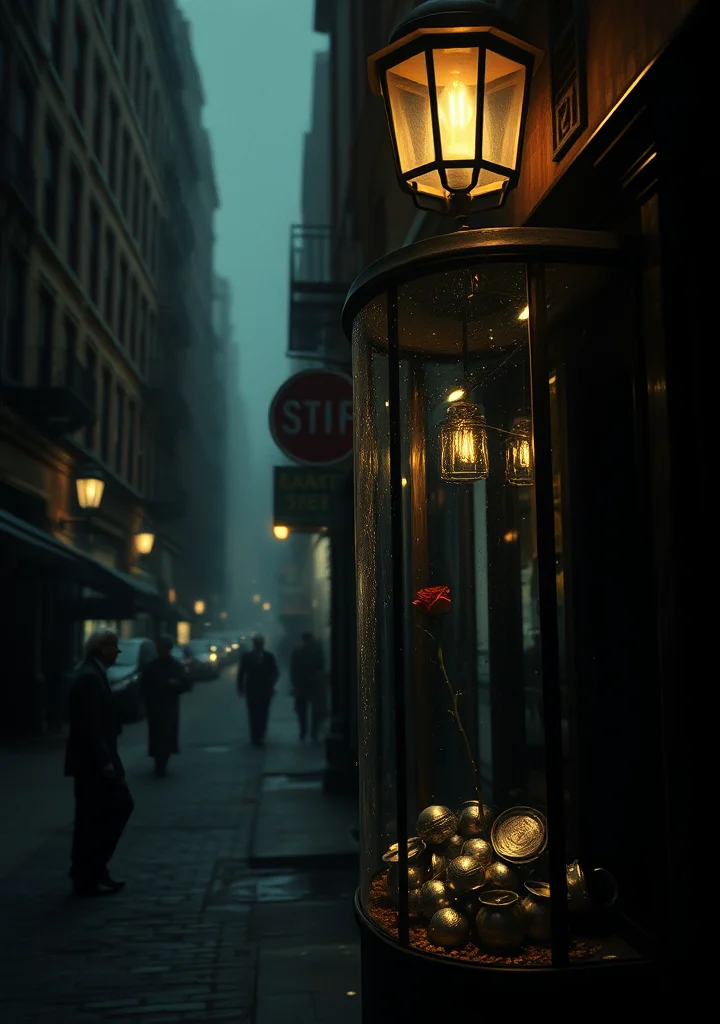
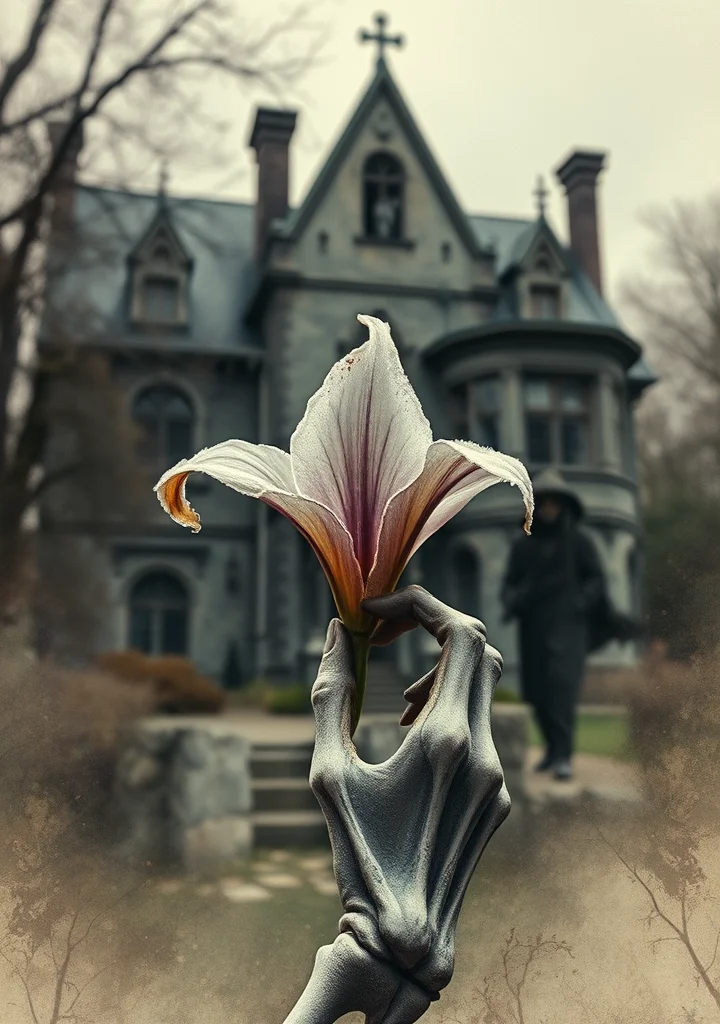
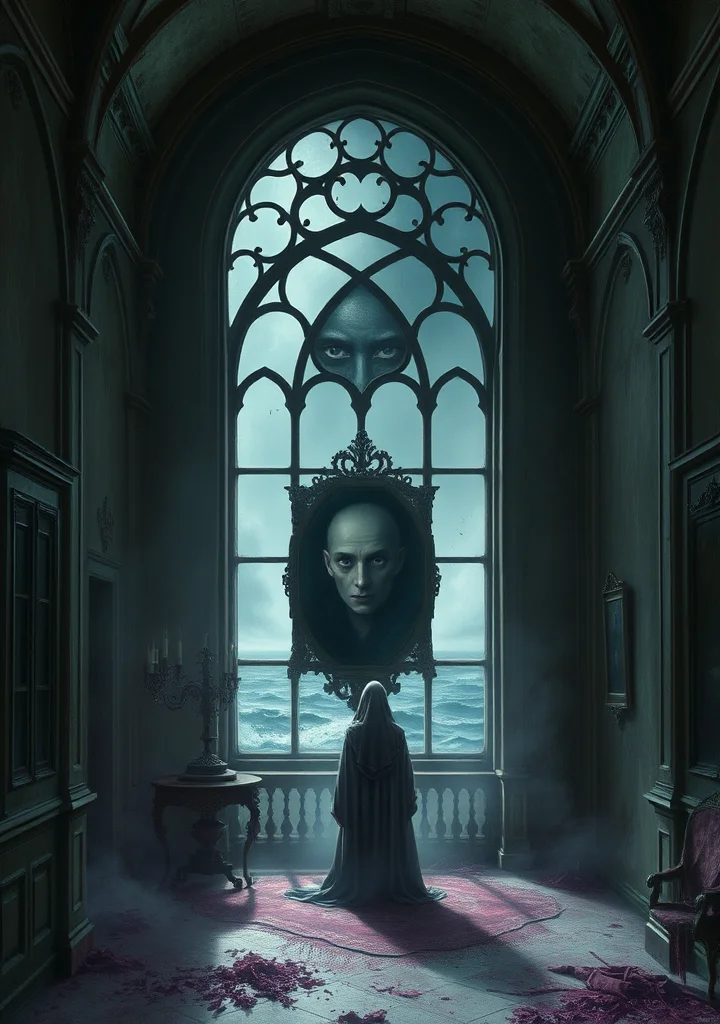
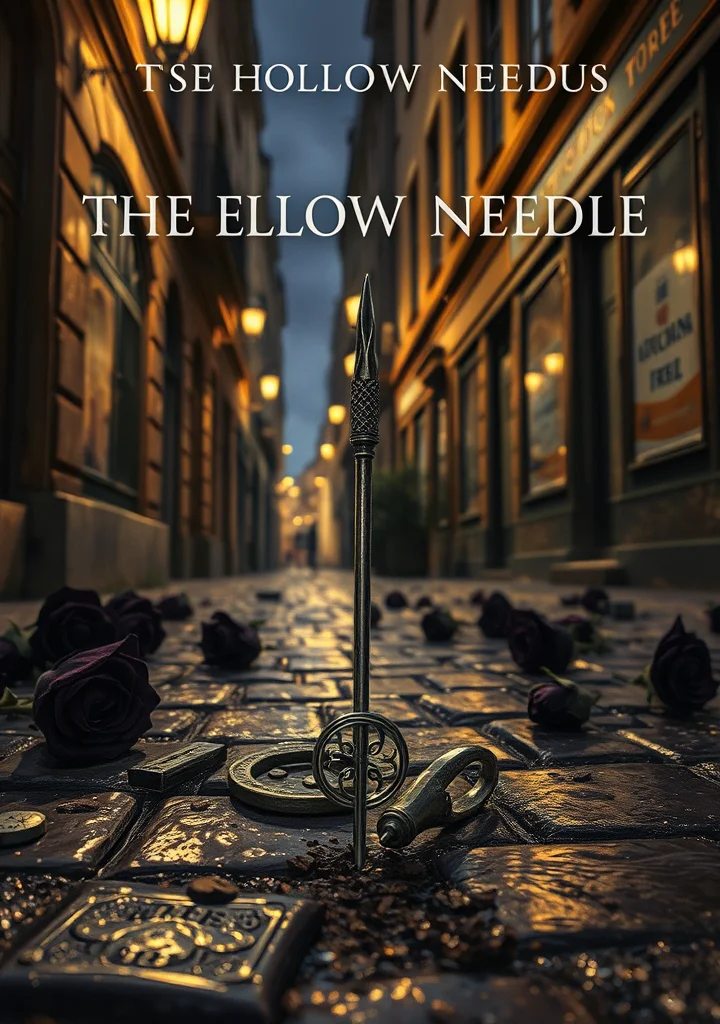
A creeping dread clings to the cobbled streets of early 20th century Paris, where whispers follow the phantom touch of a surgeon’s steel. The air hangs thick with the scent of ether and decay, a perfume clinging to the shadowed alleys surrounding the Hôtel-Dieu. Leblanc weaves a narrative steeped in the city’s underbelly, charting the descent of Dr. Moreau, a man haunted by his own skill. His ‘cure’ for the melancholic elite is not one of scalpel and suture, but of exquisite, hollowed-out instruments – needles designed to bleed away not blood, but *feeling*. Each patient, willingly subjected to Moreau’s morbid artistry, leaves behind a fragment of their soul, meticulously extracted and preserved in glass ampoules. The doctor’s apartment, a labyrinth of anatomical charts and gleaming tools, becomes a reliquary for stolen grief. But the echoes of their lost passions begin to bleed into Moreau’s own life, manifesting as phantom pains, spectral visions, and a gnawing hunger for the very emptiness he inflicts. The novel unfolds in a suffocating claustrophobia, a slow unraveling of sanity within the gilded cages of Parisian high society. The gas lamps flicker, casting elongated shadows that dance with the ghosts of Moreau’s victims. The hollow needle doesn’t merely pierce flesh; it unlocks a void within, a darkness that threatens to consume not just the patients, but the very heart of the city itself. It’s a tale of obsession, of the grotesque beauty of sacrifice, and the terrifying weight of a soul stripped bare.
Copyright: Public Domain
This license allows anyone to use your story for any purpose, including printing, selling, or adapting it into a film freely.
Recommended for you
27 Part
A creeping dread clings to the emerald shadows of the jungle, a suffocating humidity that mirrors the suffocating weight of forgotten histories. Burroughs doesn’t merely return Tarzan to his primal kingdom, he delivers him back to a fractured, decaying Eden haunted by the ghosts of his own making. This is not the triumphant lord of the apes we recall, but a man shadowed by loss, driven by a desperate unraveling of alliances both human and bestial. The air hangs thick with the scent of rot and the whisper of ancient, vengeful gods. The narrative bleeds into a fever dream of betrayal amongst the tribes, where the lines between hunter and hunted blur into a crimson smear across the landscape. A malignant presence – a subtle, insidious corruption – festers within the very heart of the jungle, twisting familiar faces into masks of savage intent. The return isn’t a homecoming, it’s an intrusion, a violation of a balance poised on the precipice of collapse. Sun-drenched clearings give way to suffocating, vine-choked ravines, mirroring the descent into the protagonist’s own fractured psyche. Every rustle of leaves, every guttural cry from the depths of the forest, carries the echo of a past that refuses to remain buried. This is a jungle steeped in the residue of violence, where even the most primal instincts are tainted by a creeping, unspoken despair. It is a return not to paradise, but to a tomb of shattered expectations, where Tarzan must confront not just his enemies, but the hollowed-out shell of the man he once was.
26 Part
A creeping dread emanates from the snow-blinded peaks surrounding the Castle, a fortress not of stone and mortar but of suffococating bureaucracy and fractured logic. The protagonist, nameless and adrift, is drawn into its labyrinthine corridors not by invitation, but by an insidious compulsion, a need to understand its impossible laws. Each attempt to reach its masters, the unseen Archduke and his attendants, is met with echoing silence, mirrored by the villagers who speak of the Castle only in hushed, fearful whispers. The landscape itself is a character – a perpetual twilight descends, smothering the world in a gray, suffocating weight. Rooms stretch into impossible distances, hallways twist into mirroring repetitions, and the very architecture seems designed to frustrate comprehension. The air is thick with the scent of damp stone and decaying paper, a testament to decades of unfulfilled petitions. A pervasive sense of futility clings to every interaction. The Castle’s inhabitants, pale and withdrawn, engage in rituals of pointless administration, their faces etched with a hollow resignation. Hope is not extinguished, but slowly eroded, replaced by a gnawing awareness of one’s own insignificance within a system that exists solely to perpetuate its own obscurity. The narrative unfolds as a descent into a waking nightmare, a prison built not of bars, but of endless, incomprehensible protocols. The Castle isn’t merely a location; it’s a symptom of a deeper, unknowable malaise, an infection of the soul.