
-
Read 590
-
0
-
Part 34
Completed, First published Mar 02, 2026
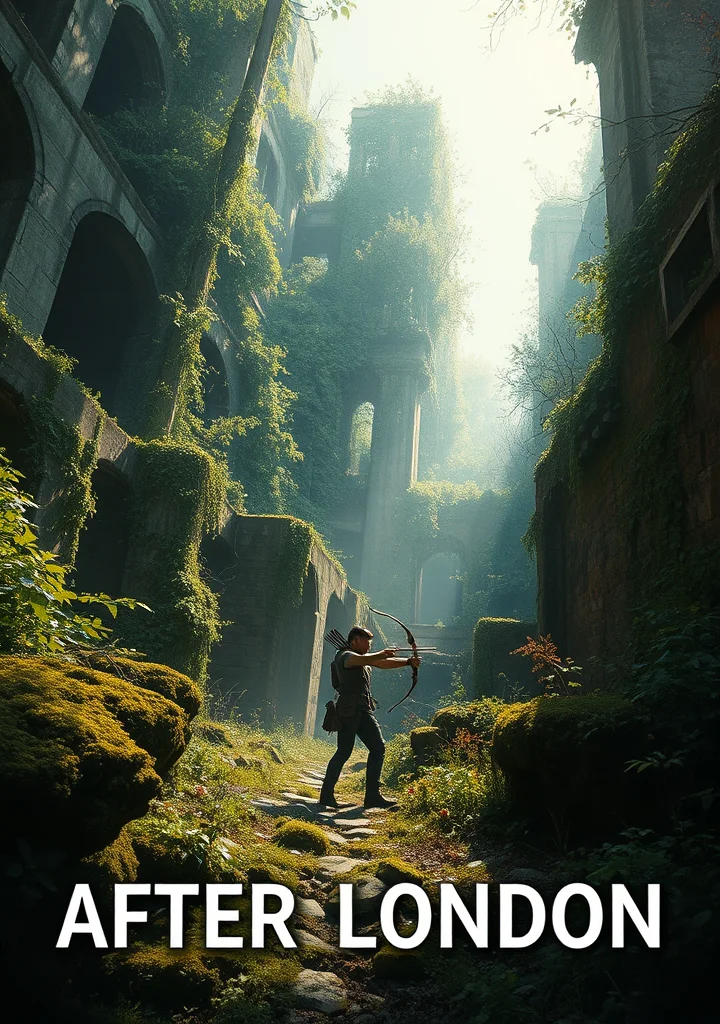
The sun-drenched fields of England, once green and gold, are now choked with a creeping, feral wilderness. Not a post-apocalyptic wasteland of ash and ruin, but a slow, suffocating re-greening—a return to primal dominion. Generations born after the fall of cities, after London itself became a memory whispered on the wind, hunt amongst the decaying remnants of a forgotten civilization. These New Foresters, descendants of those who fled the suffocating metropolis, live a life of brutal beauty, their days marked by the rhythm of the encroaching wood.
A suffocating nostalgia clings to the story, not for what *was* lost, but for what *remains*—the ghosts of a life lived too brightly, now haunting the shadowed lanes. The air is thick with the scent of damp earth, decaying brick, and the musk of wild beasts. There's a constant, unsettling awareness of eyes watching from the dense thickets, of something ancient stirring in the heart of the land.
The narrative doesn't offer grand battles or desperate survival; instead, it breathes with the quiet terror of being *absorbed* by the wild. The past isn’t a lost Eden, but a phantom limb—felt with aching clarity in the bones of those who walk the overgrown paths, while the very foundations of their world are claimed by the inexorable green tide. It's a haunting, melancholic drift into a world where humanity is not fighting *against* nature, but becoming indistinguishably *within* it.
Copyright: Public Domain
This license allows anyone to use your story for any purpose, including printing, selling, or adapting it into a film freely.
This license allows anyone to use your story for any purpose, including printing, selling, or adapting it into a film freely.
Chapter List
More like this