
-
Read 172
-
0
-
Part 8
Completed, First published Mar 02, 2026
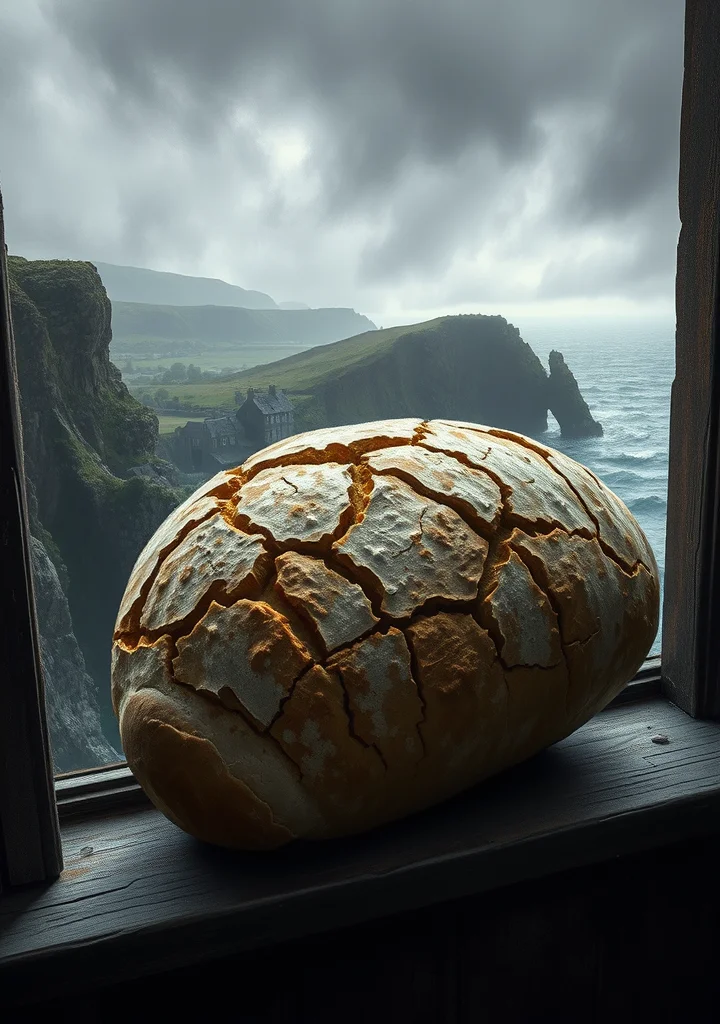
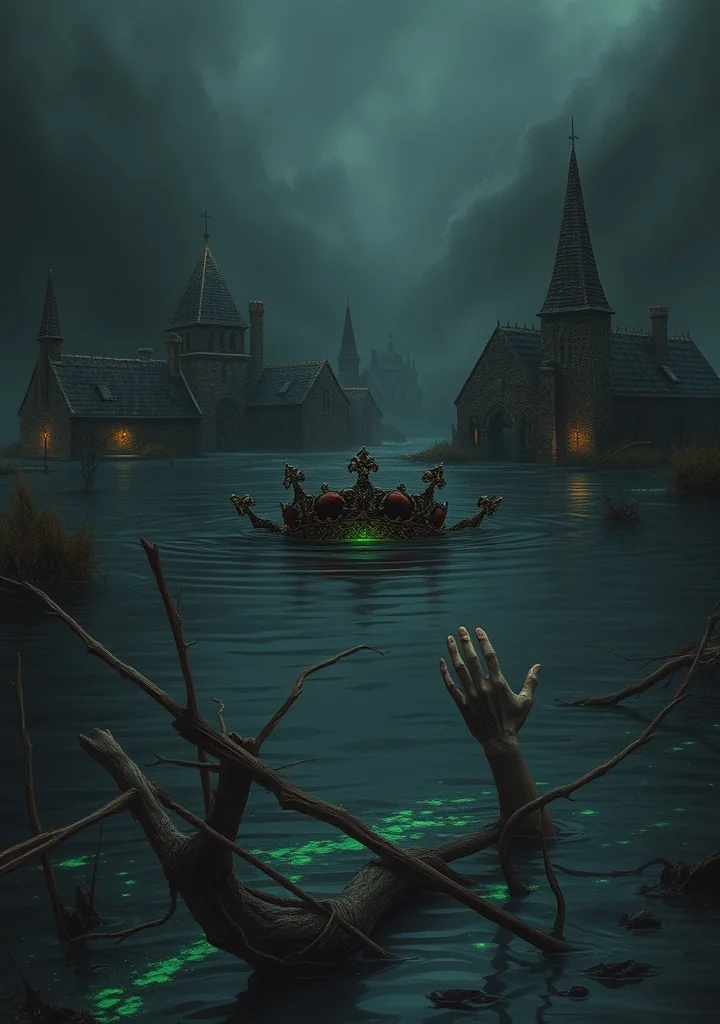
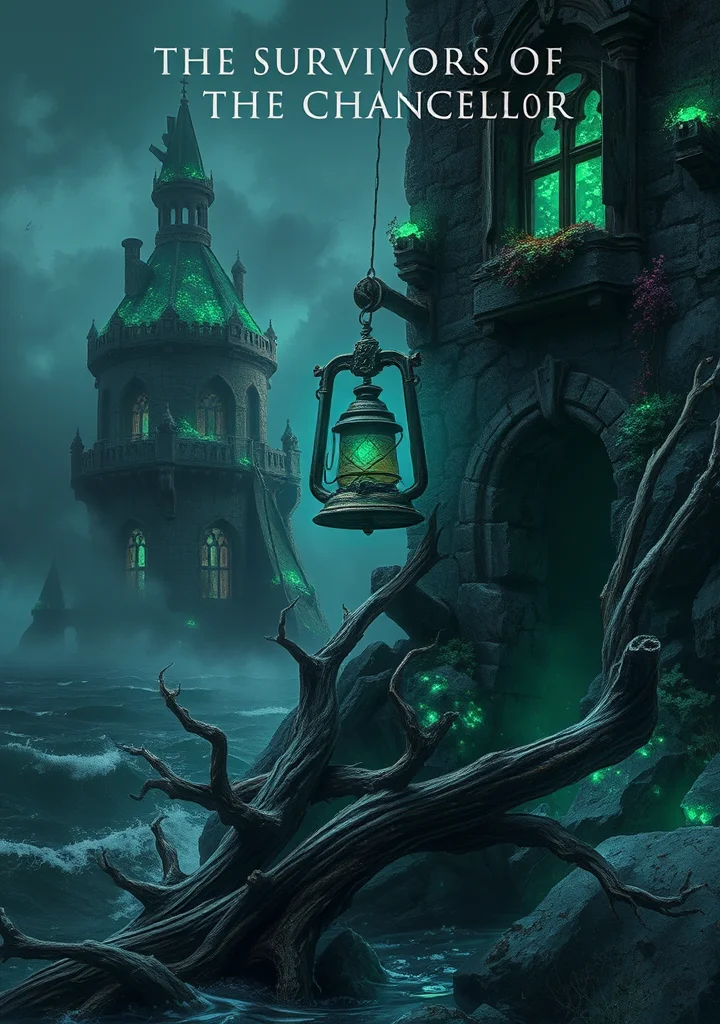
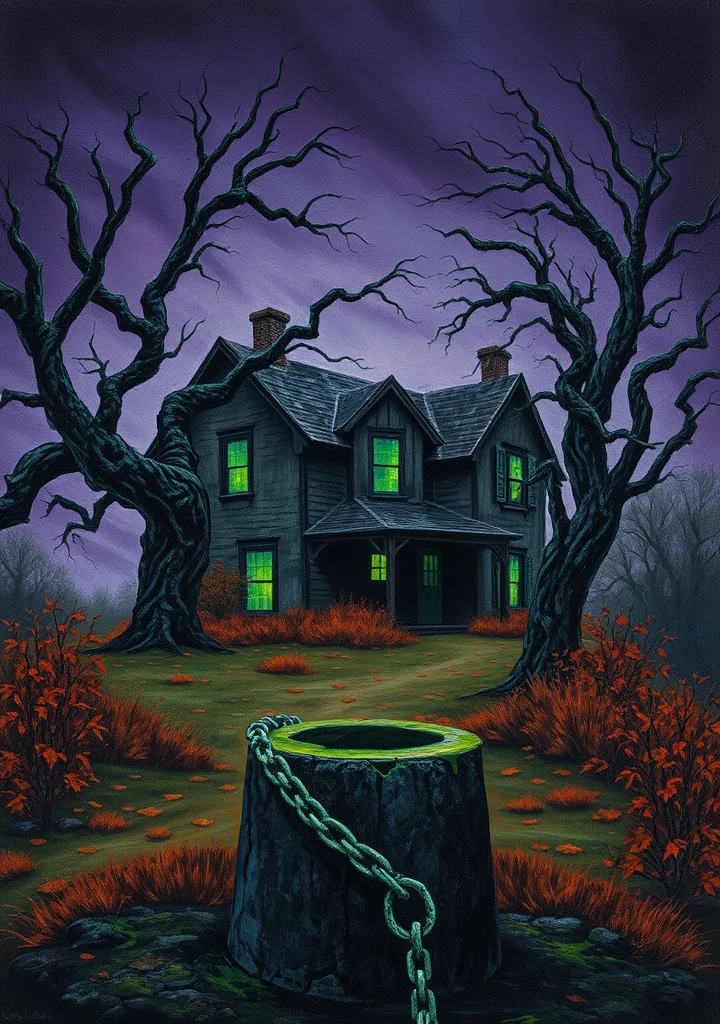
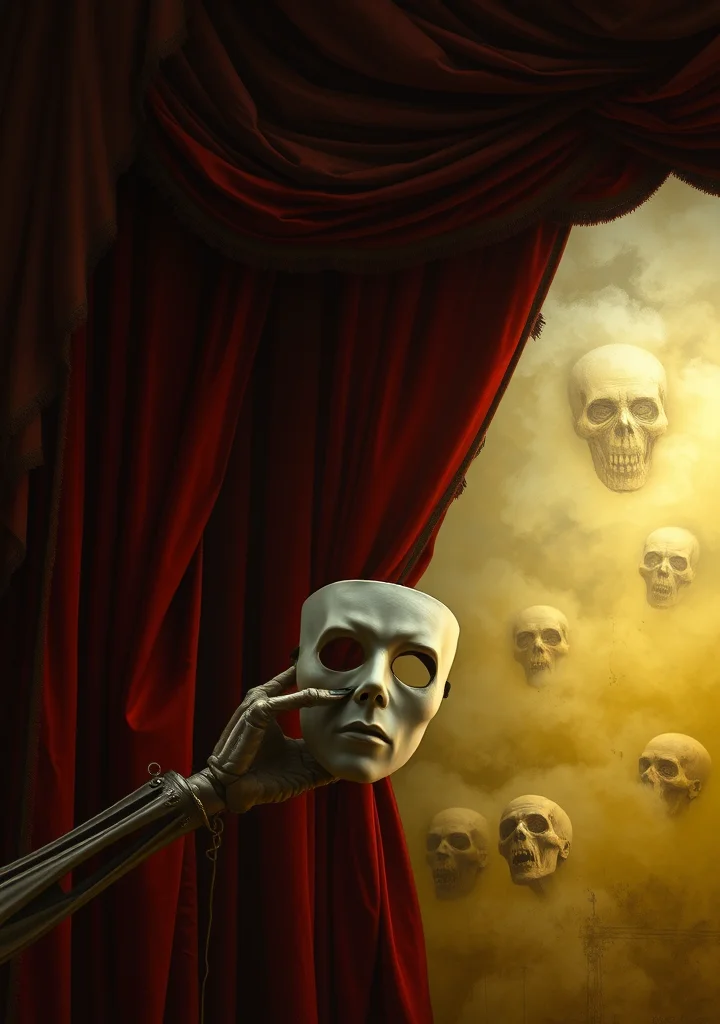
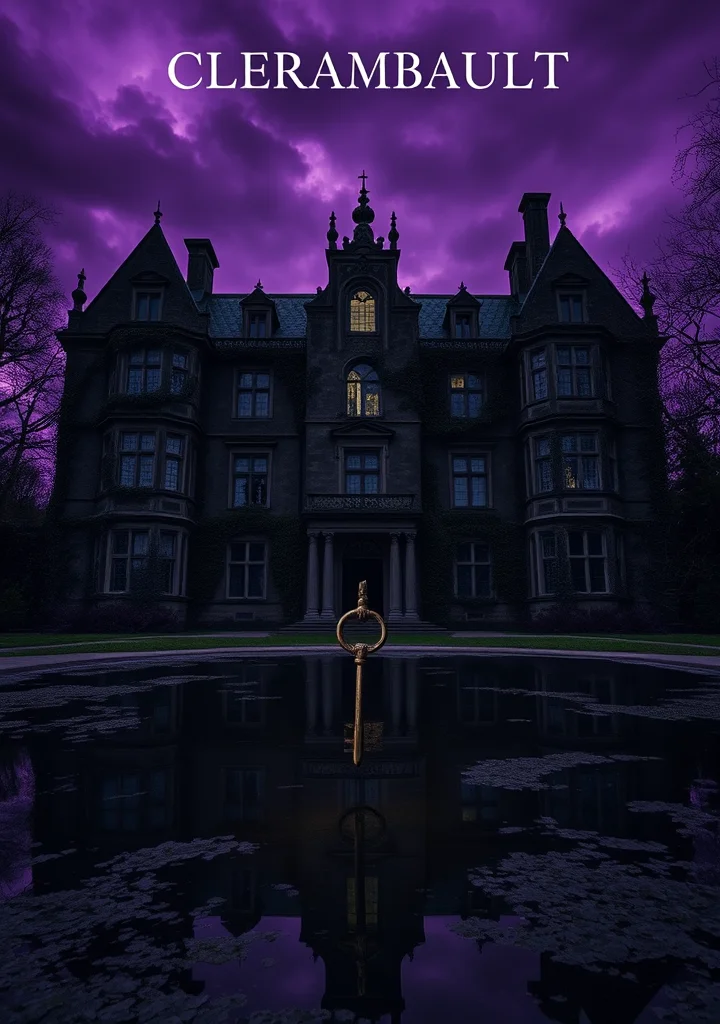
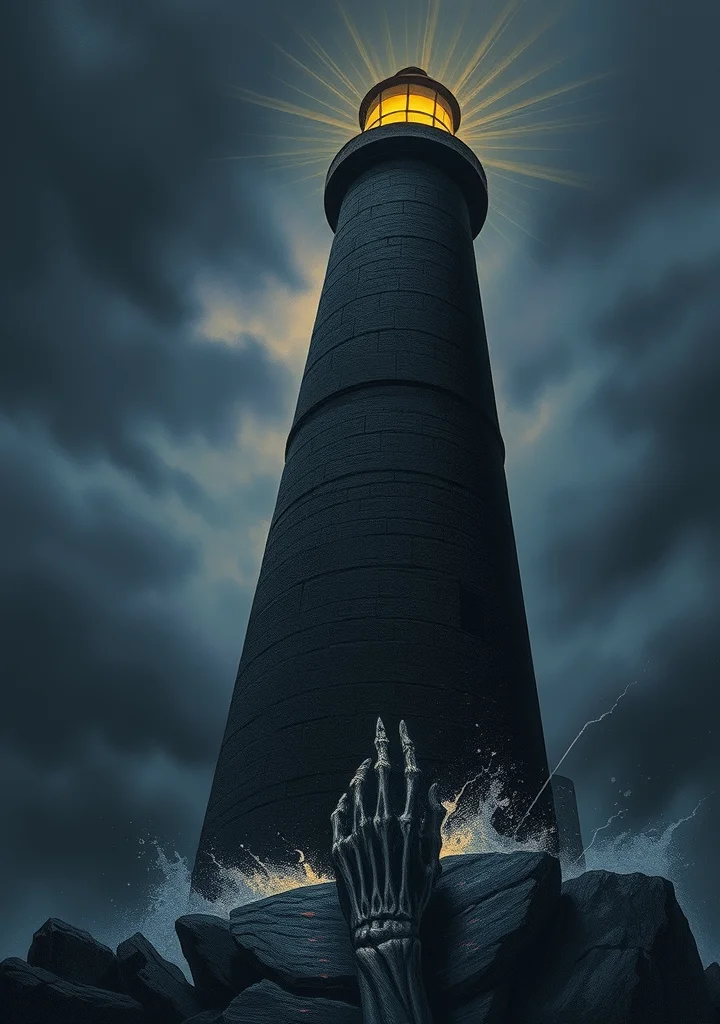
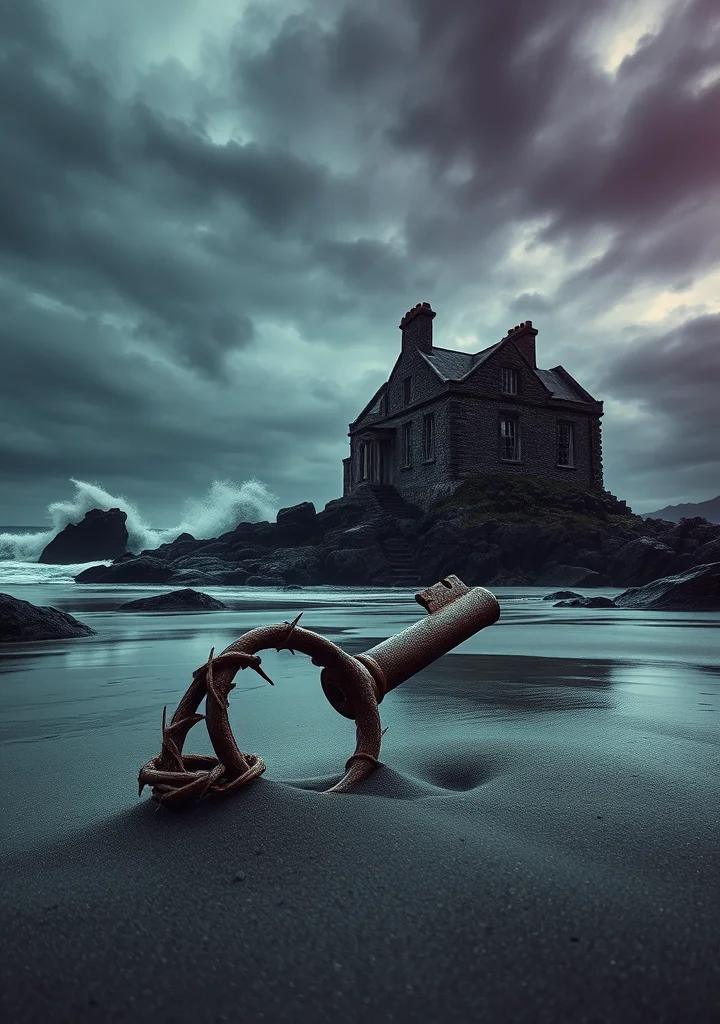
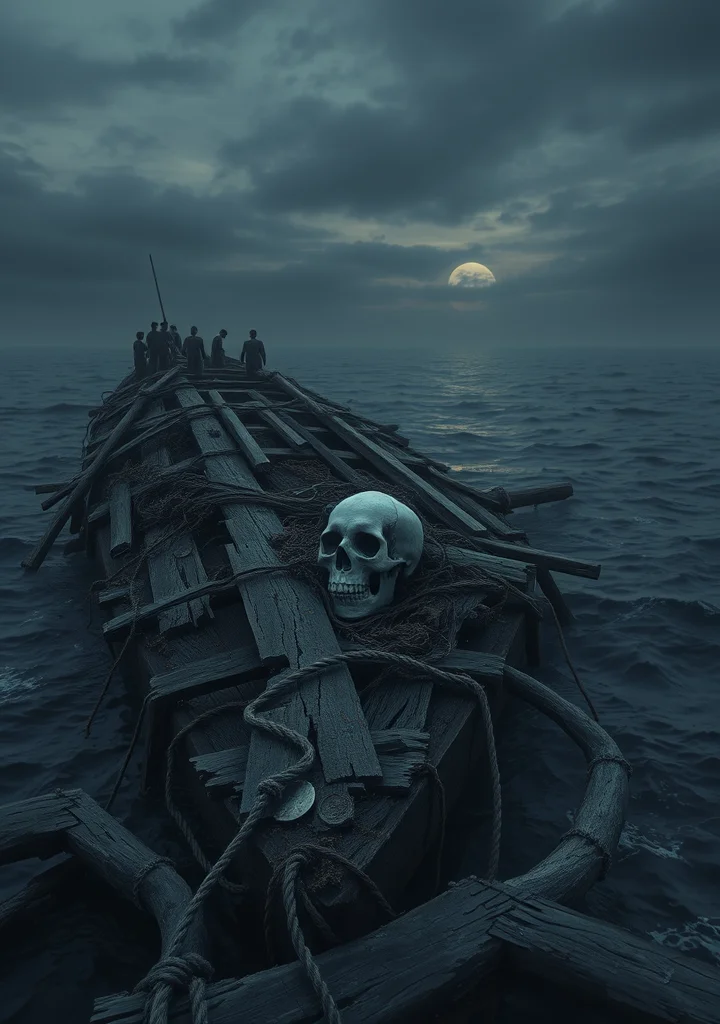
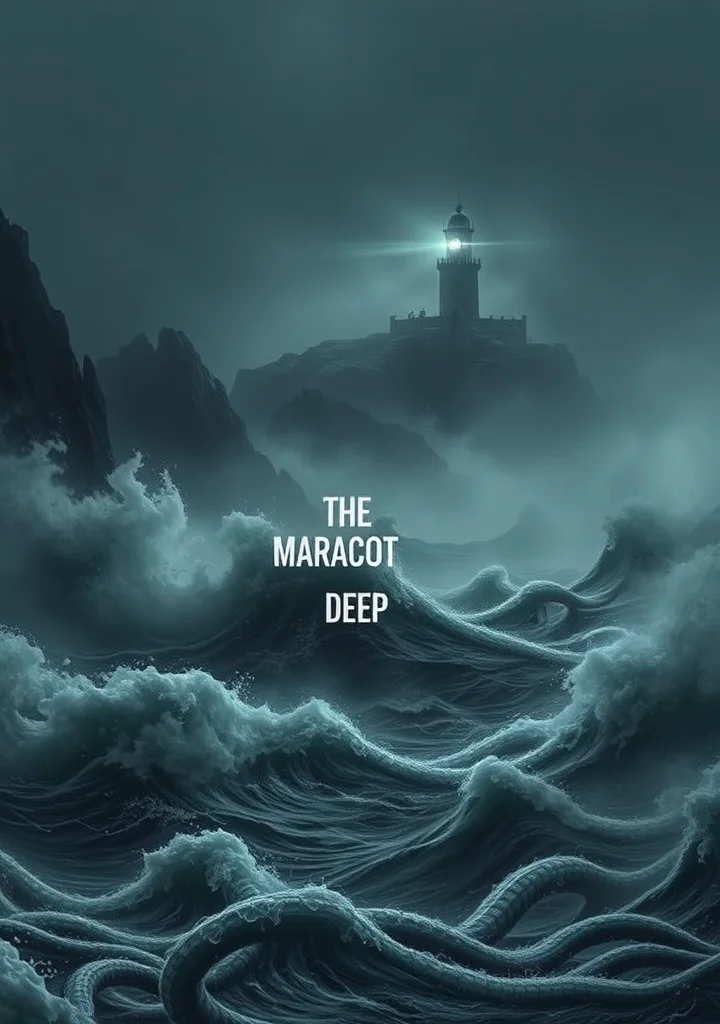
Fog hangs thick and suffocating around the Cornish coast, clinging to the jagged cliffs and the crumbling stone of Maracot Abbey. A creeping dread permeates the village, born not of superstition alone, but of something ancient and hungry stirring in the depths of the sea caves below. Old man Jago, keeper of the light, whispers of phosphorescent eyes glimpsed in the churning swell, and a rhythm to the tide that mimics the beating of a colossal heart. The narrative unfolds through a stifled, breathless atmosphere of isolation – a landward journey into a claustrophobic dread, where every shadowed corner of the abbey seems to breathe with a forgotten, submerged history. The salt-laced wind carries not just the scent of brine, but the tang of decay, of something unearthed and best left buried. Each chapter descends further into the suffocating gloom, mirroring the descent into the Maracot Deep itself, where the line between waking nightmare and tangible horror blurs with every echoing wave. A sense of being watched, of being *drawn* by something vast and patient, permeates every stone and every shadowed glance. The true terror isn’t what is seen, but what is *felt* – a cold, primal fear that clings to the skin like sea rot, and whispers of a lineage bound to a fate older than the abbey walls.
Copyright: Public Domain
This license allows anyone to use your story for any purpose, including printing, selling, or adapting it into a film freely.
This license allows anyone to use your story for any purpose, including printing, selling, or adapting it into a film freely.
More like this