
-
Read 530
-
0
-
Part 51
Completed, First published Mar 02, 2026
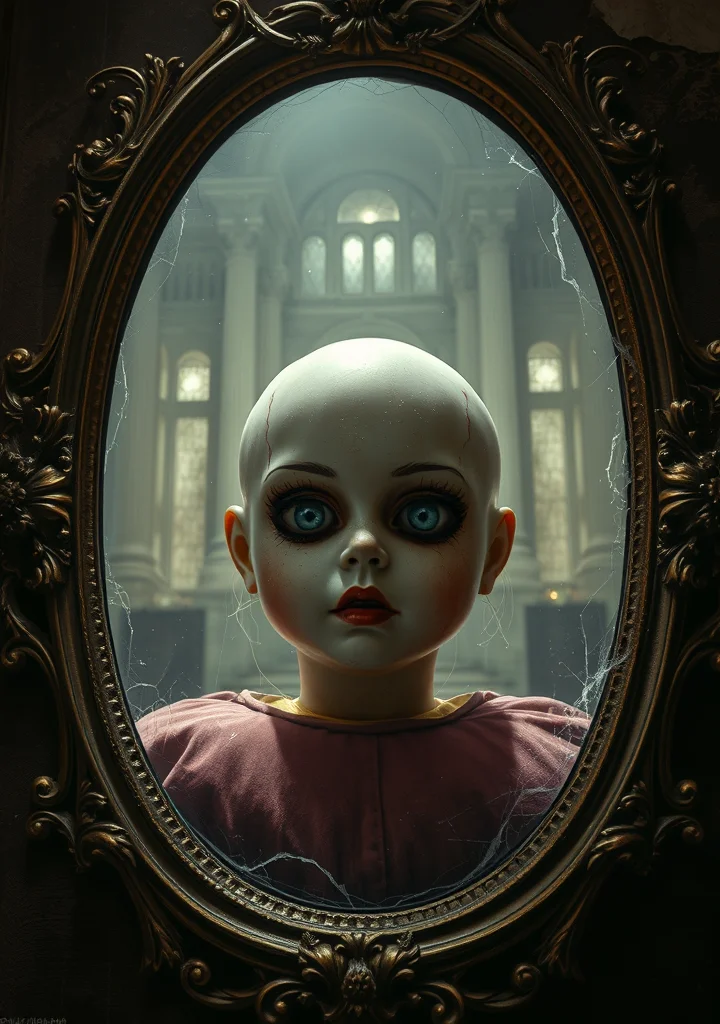
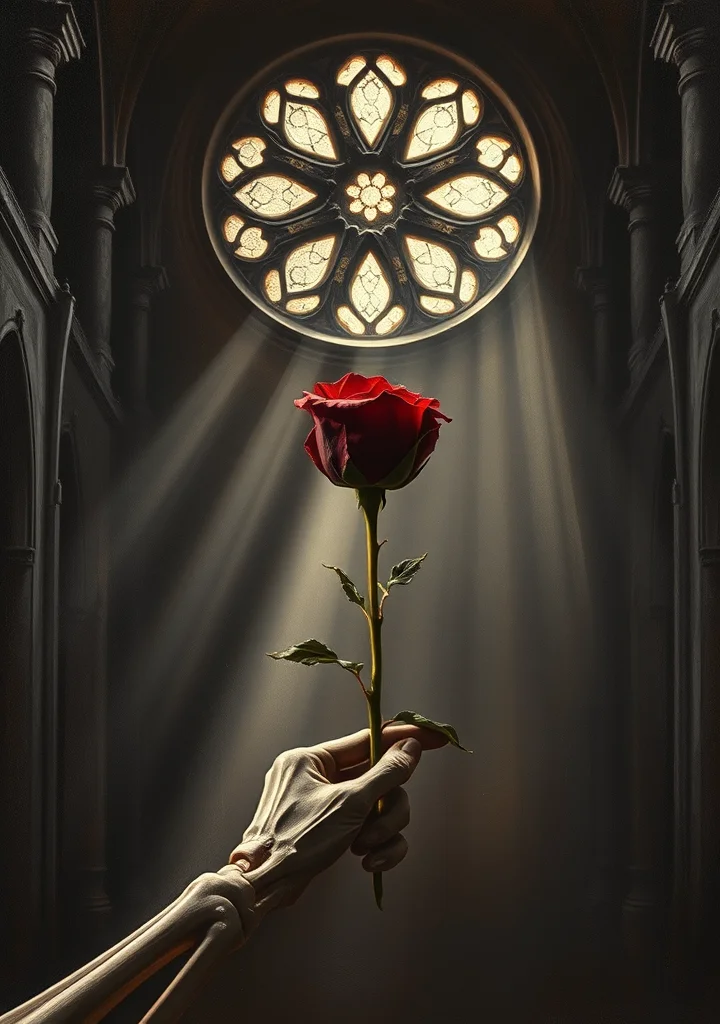
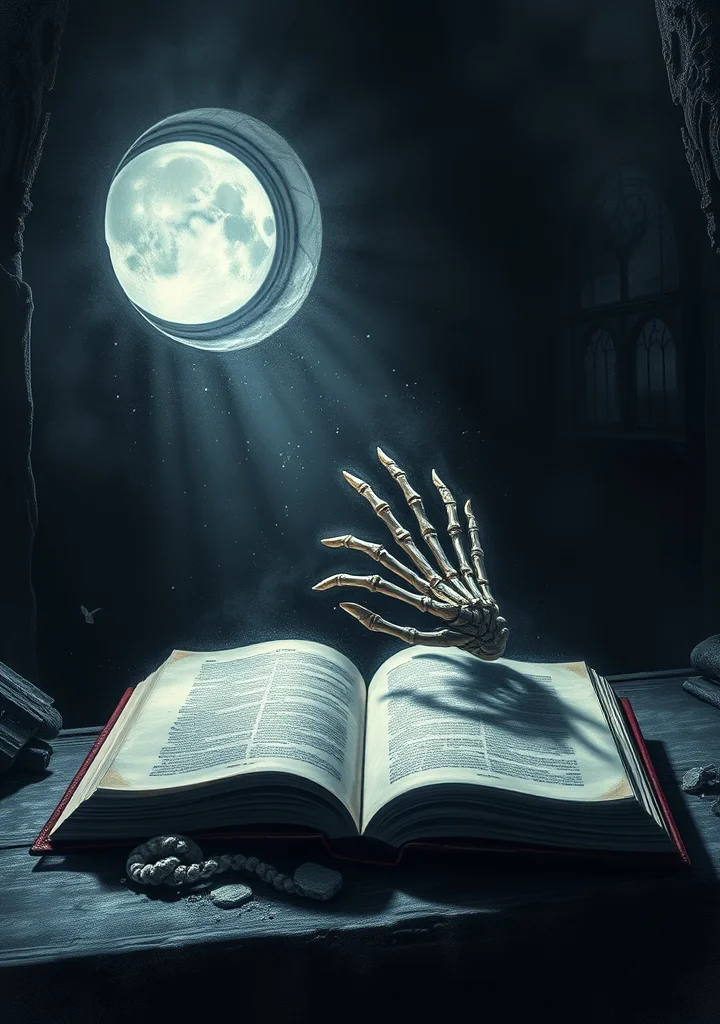
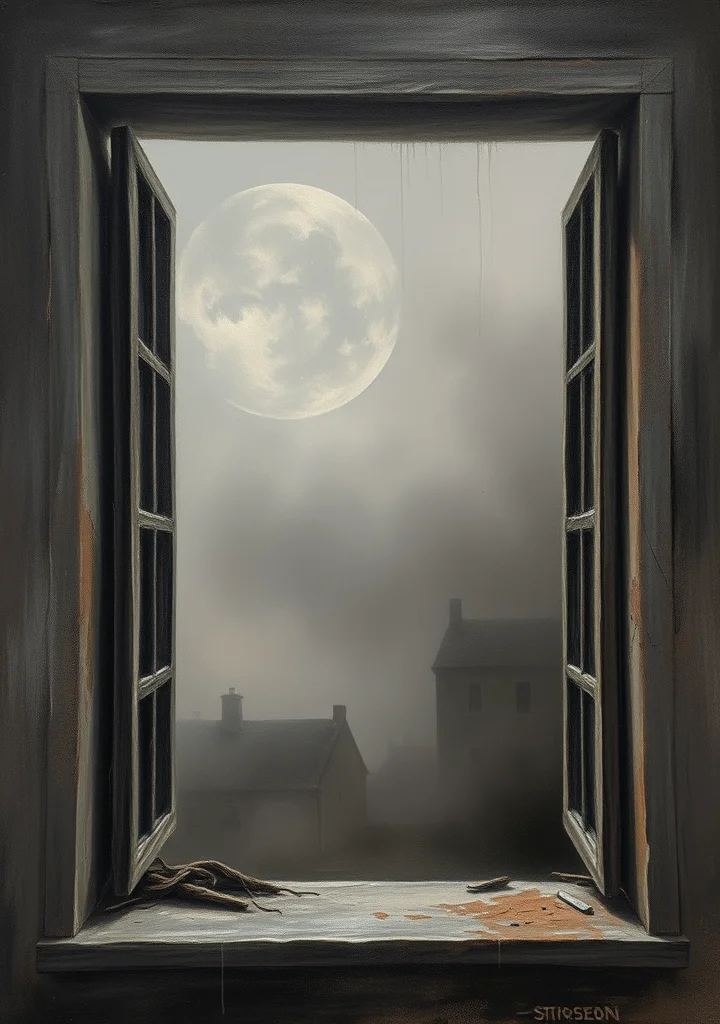
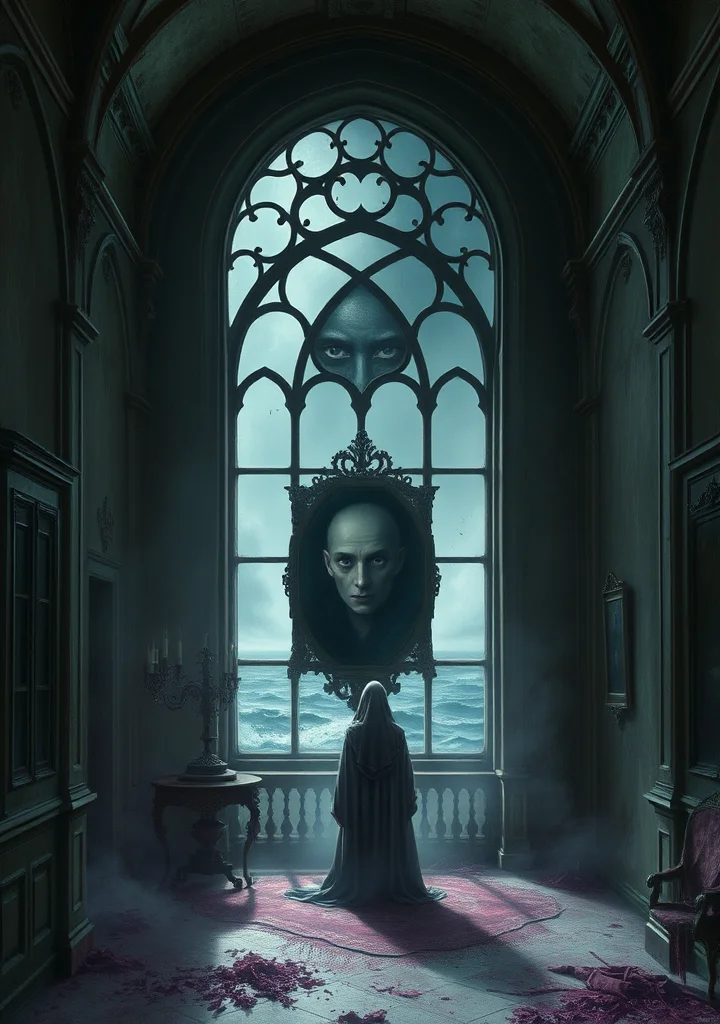
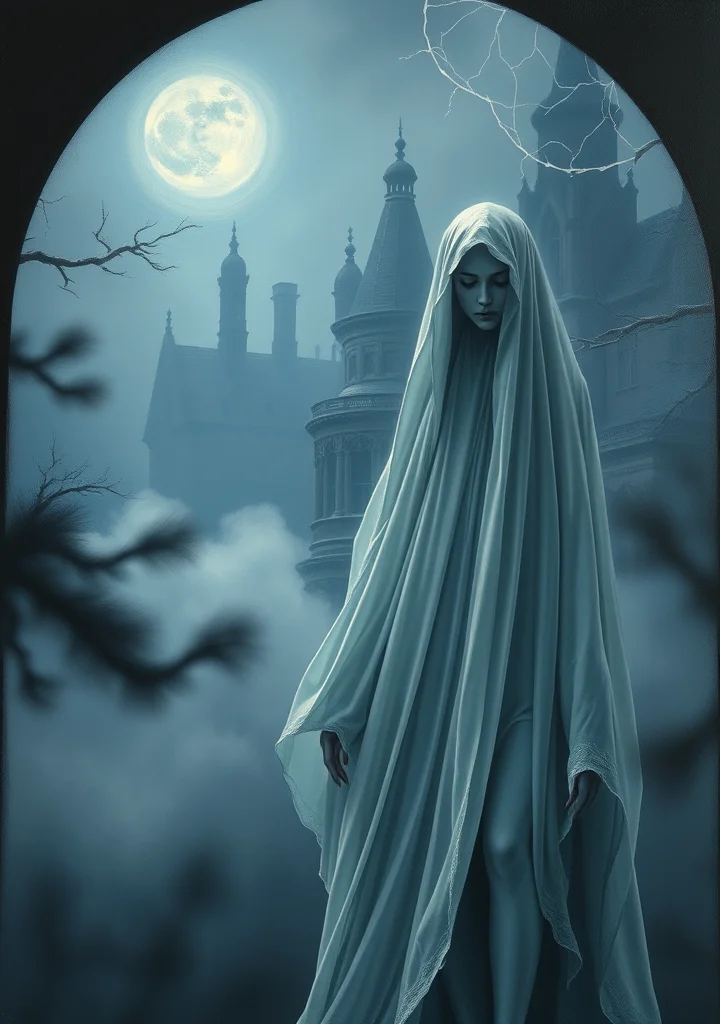
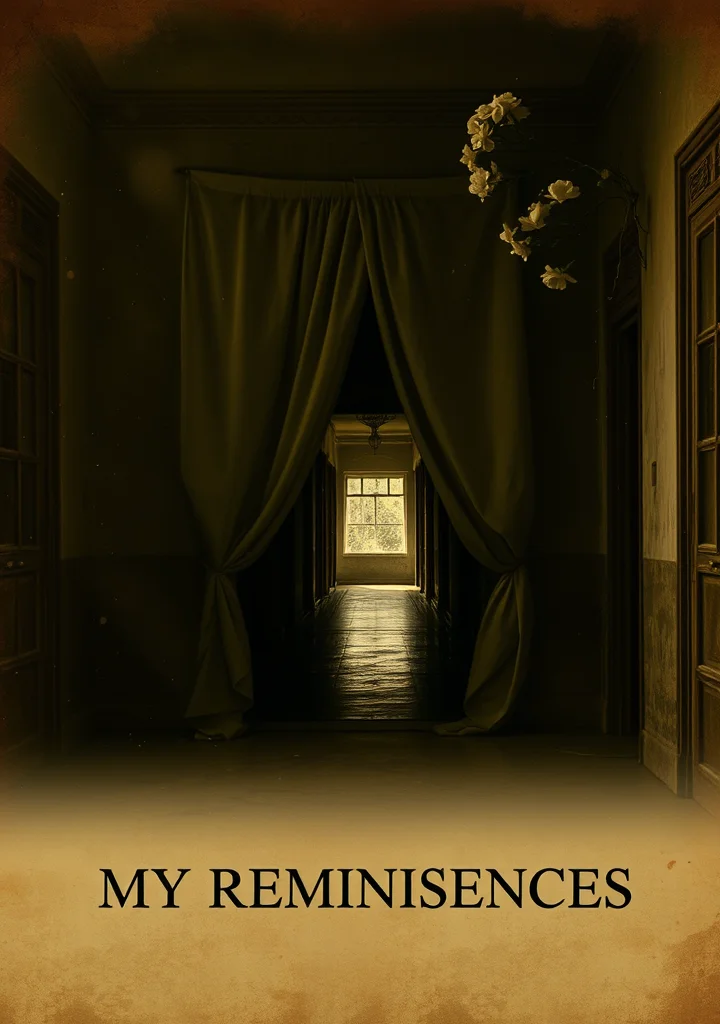
Dust motes dance in the long, shadowed corridors of memory, each a forgotten echo in the decaying mansion of the self. Tagore’s reminiscences are not tales of bright recollection, but the slow unveiling of a house haunted by the ghosts of childhood, of a Bengal draped in perpetual monsoon gloom. The air hangs thick with the scent of jasmine and damp earth, a perfume clinging to the faded silks of a vanished aristocracy. A sense of melancholic longing permeates every chamber, mirroring the crumbling grandeur of ancestral homes and the erosion of a world steeped in ritual and tradition. Sunlight filters through latticed windows, illuminating not clarity, but the spectral forms of regret and the weight of unspoken histories. These are fragments unearthed from a crumbling sepia-toned photograph album, each story less a chronicle of events and more a residue of feeling – the ache of separation, the chill of loss, the lingering fragrance of a life lived in the shadow of a fading dynasty. The narrative breathes with a quiet, suffocating despair, a sense of irrevocable distance not from events themselves, but from the very possibility of their recapture. A pervasive stillness settles over the pages, broken only by the rustling of dry leaves and the distant chime of temple bells, sounds that seem to emanate not from the world outside, but from the hollow chambers within the heart.
Copyright: Public Domain
This license allows anyone to use your story for any purpose, including printing, selling, or adapting it into a film freely.
This license allows anyone to use your story for any purpose, including printing, selling, or adapting it into a film freely.
Chapter List
-
« My Reminiscences »📖 Continue Reading
-
« Translator’s Preface »
-
« PartI »
-
« I »
-
« II »
-
« III »
-
« PartII »
-
« IV »
-
« V »
-
« VI »
-
« VII »
-
« VIII »
-
« IX »
-
« X »
-
« XI »
-
« XII »
-
« XIII »
-
« XIV »
-
« XV »
-
« XVI »
-
« XVII »
-
« XVII »
-
« XIX »
-
« XX »
-
« XXI »
-
« XXII »
-
« XXIII »
-
« PartV »
-
« XXIV »
-
« XXV »
-
« XXVI »
-
« XXVII »
-
« XXVIII »
-
« XXIX »
-
« XXX »
-
« XXXI »
-
« XXXII »
-
« XXXIII »
-
« XXXIV »
-
« PartVII »
-
« XXXV »
-
« XXXVI »
-
« XXXVII »
-
« XXXVIII »
-
« XXXIX »
-
« XL »
-
« PartVIII »
-
« XLI »
-
« XLII »
-
« XLIII »
-
« XLIV »
51
-
« My Reminiscences »
-
« Translator’s Preface »
-
« PartI »
-
« I »
-
« II »
-
« III »
-
« PartII »
-
« IV »
-
« V »
-
« VI »
-
« VII »
-
« VIII »
-
« IX »
-
« X »
-
« XI »
-
« XII »
-
« XIII »
-
« XIV »
-
« XV »
-
« XVI »
-
« XVII »
-
« XVII »
-
« XIX »
-
« XX »
-
« XXI »
-
« XXII »
-
« XXIII »
-
« PartV »
-
« XXIV »
-
« XXV »
-
« XXVI »
-
« XXVII »
-
« XXVIII »
-
« XXIX »
-
« XXX »
-
« XXXI »
-
« XXXII »
-
« XXXIII »
-
« XXXIV »
-
« PartVII »
-
« XXXV »
-
« XXXVI »
-
« XXXVII »
-
« XXXVIII »
-
« XXXIX »
-
« XL »
-
« PartVIII »
-
« XLI »
-
« XLII »
-
« XLIII »
-
« XLIV »
More like this