
-
Read 458
-
0
-
Part 32
Completed, First published Mar 02, 2026
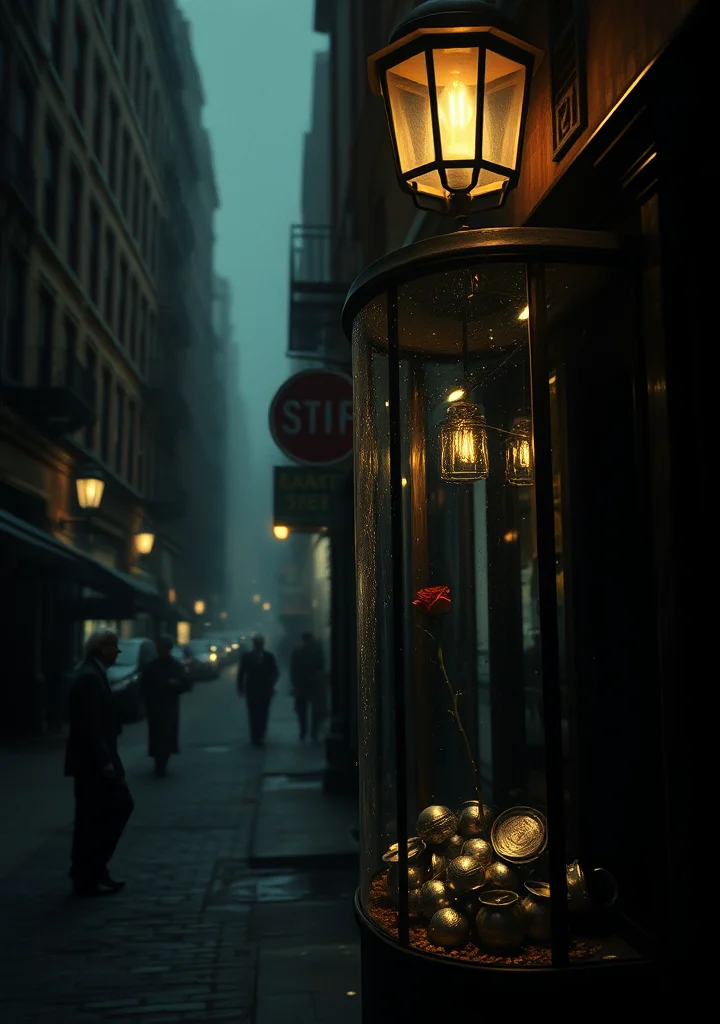
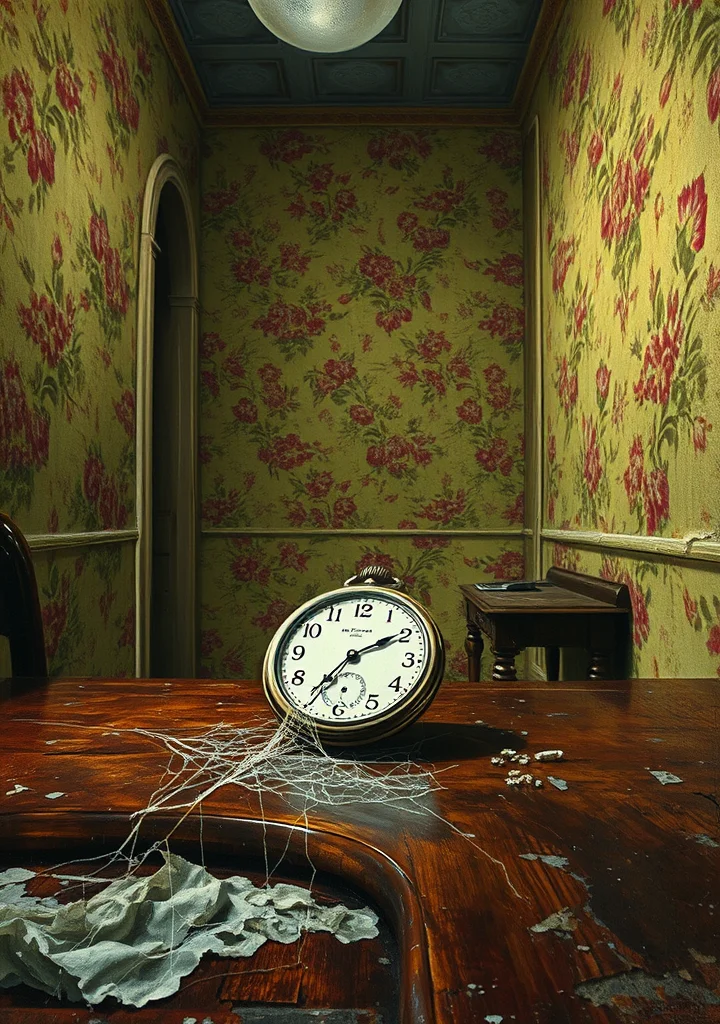
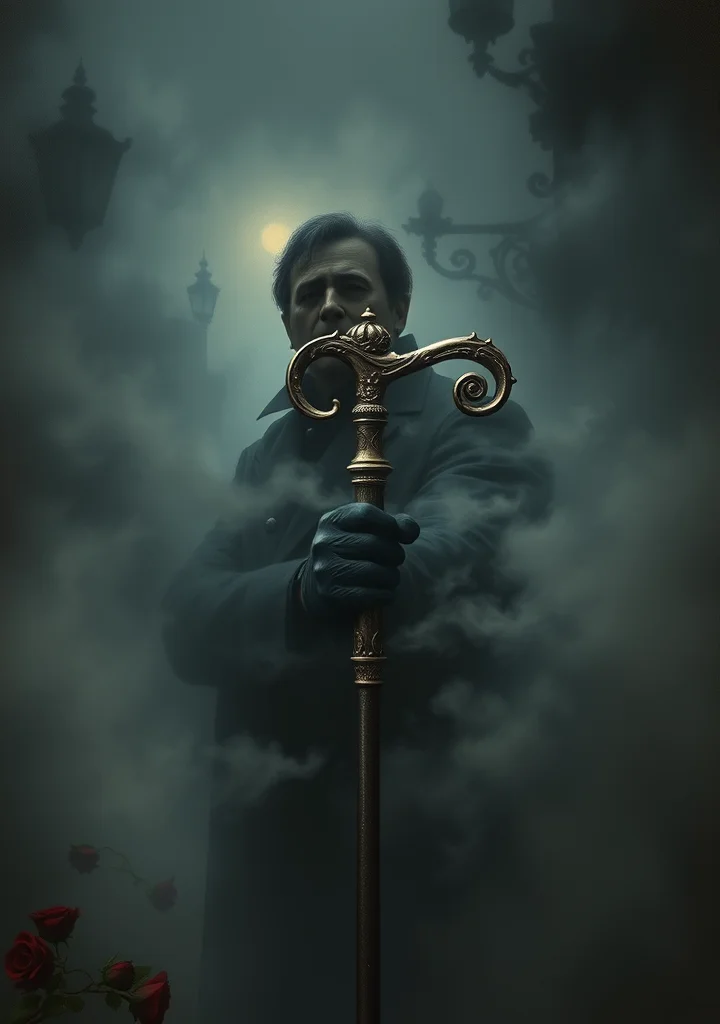
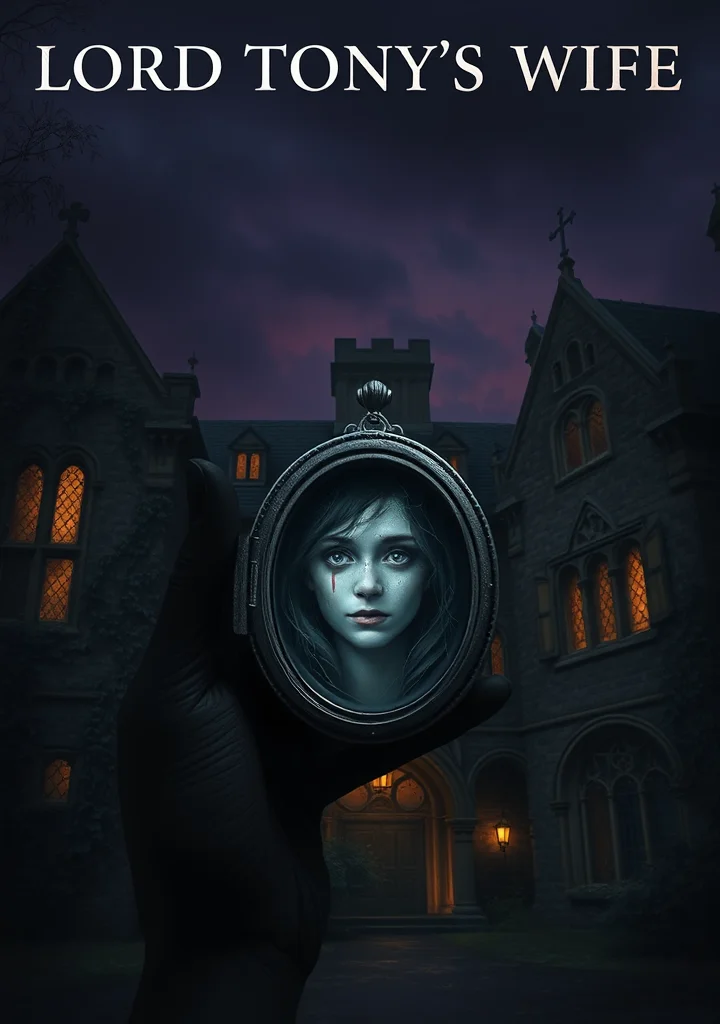
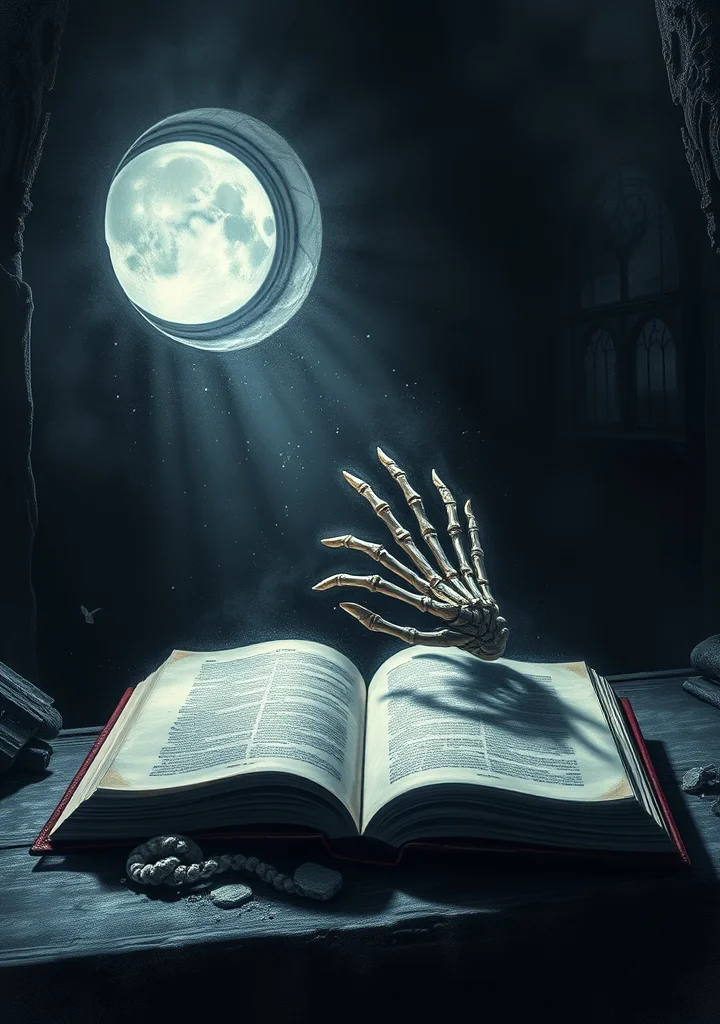
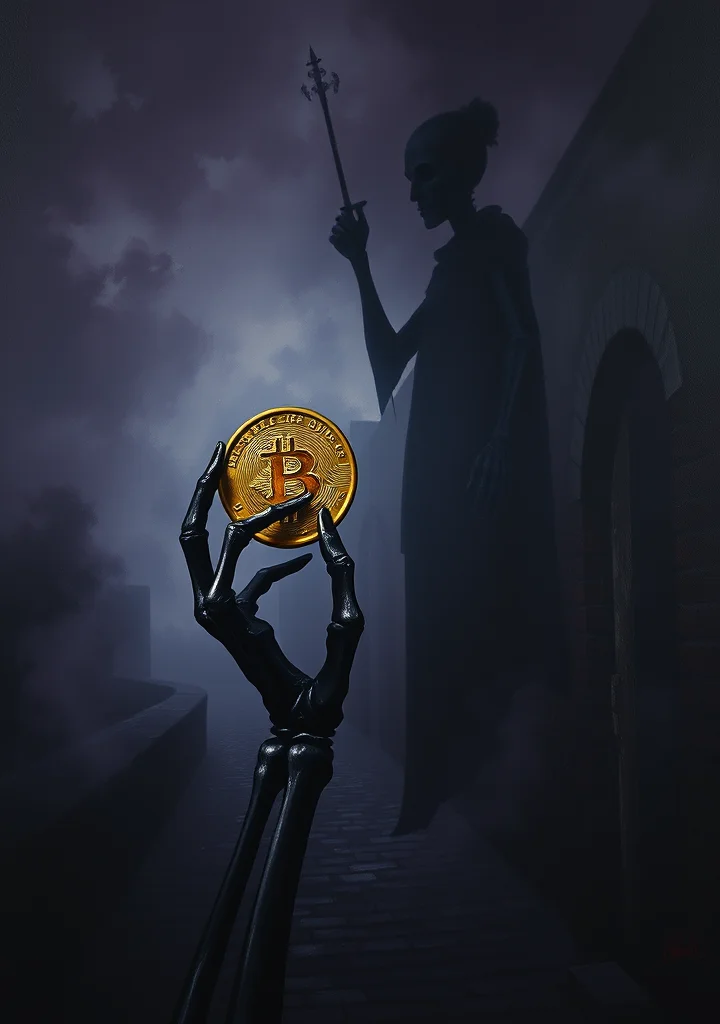
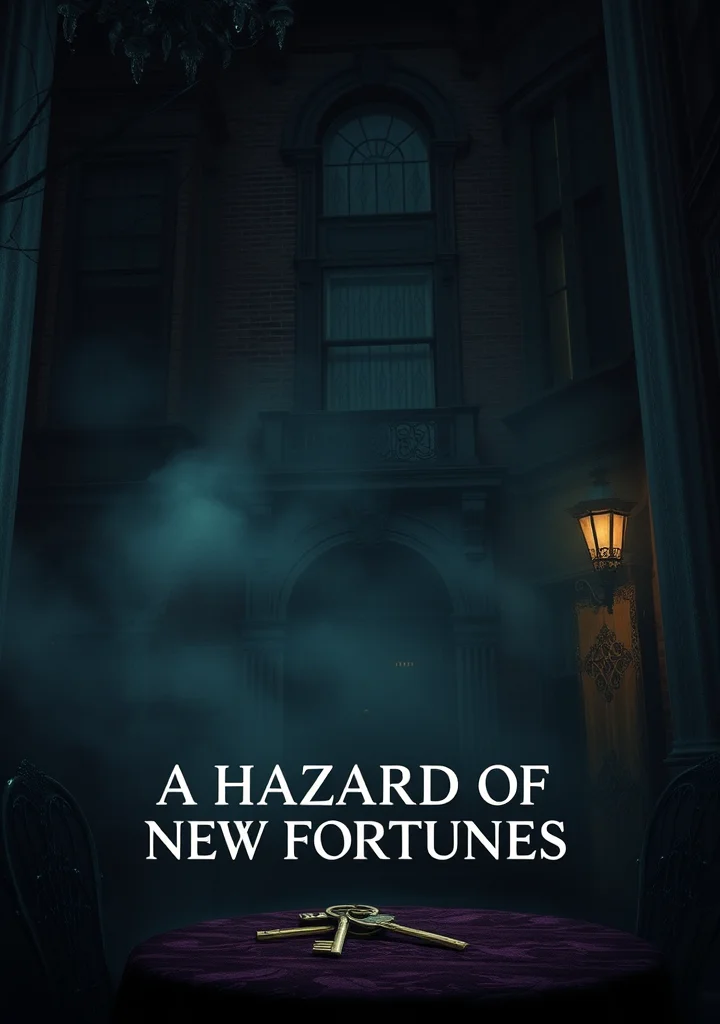
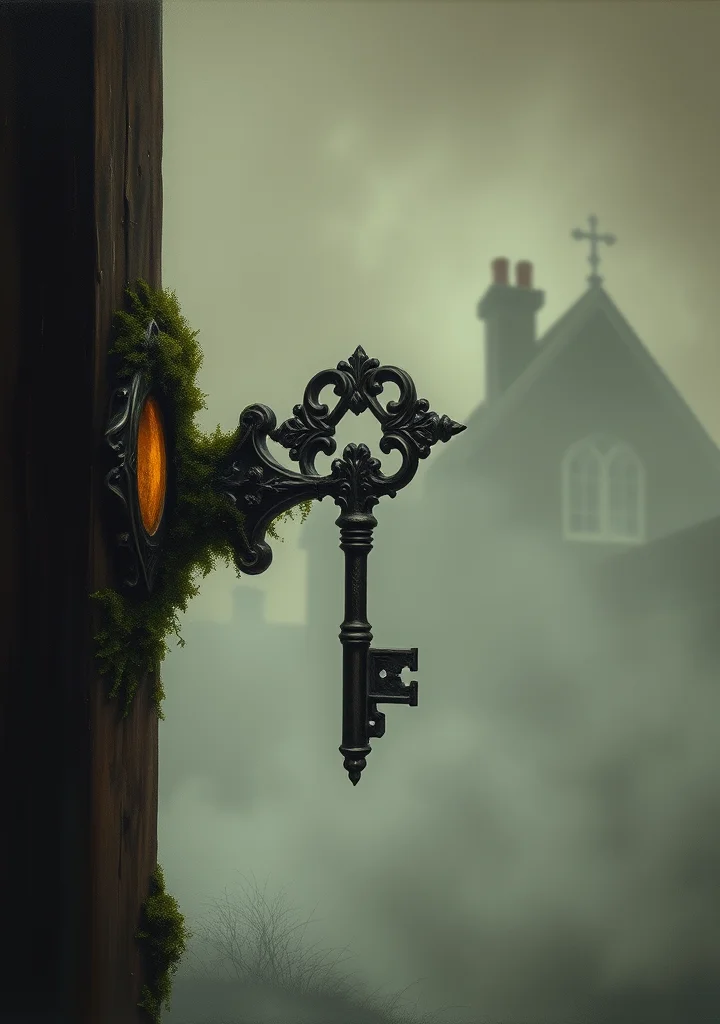
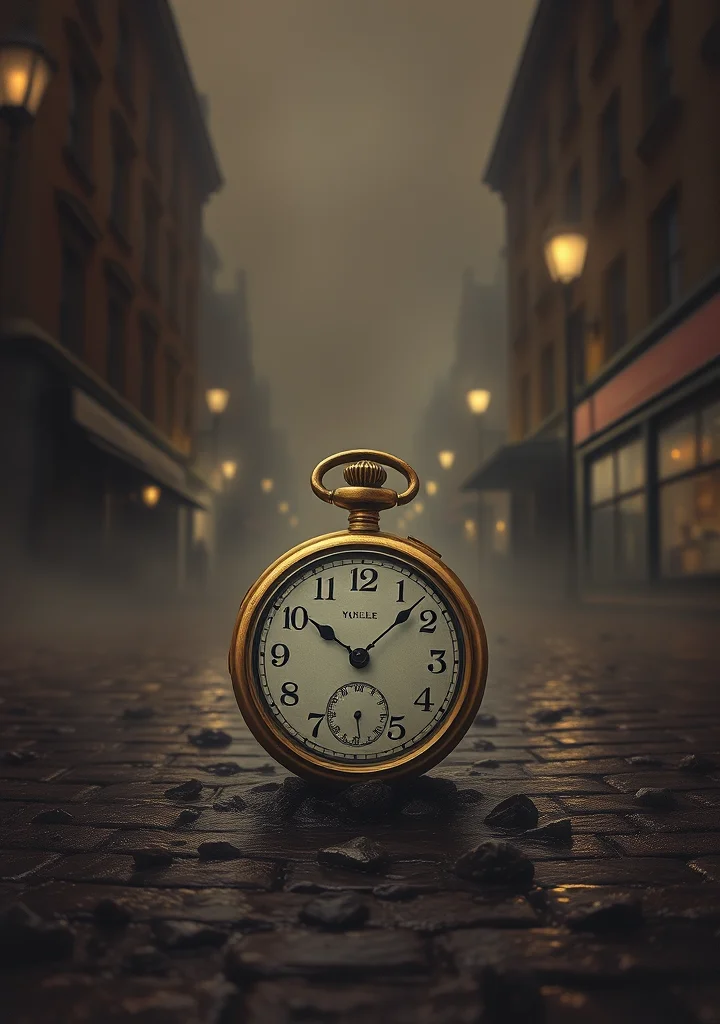
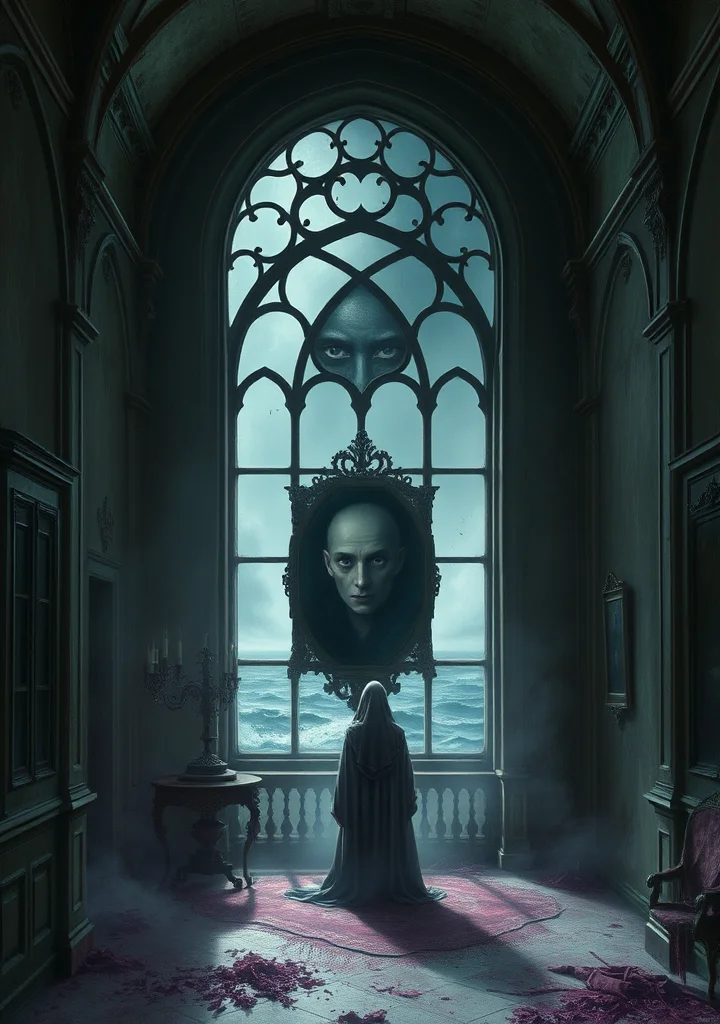
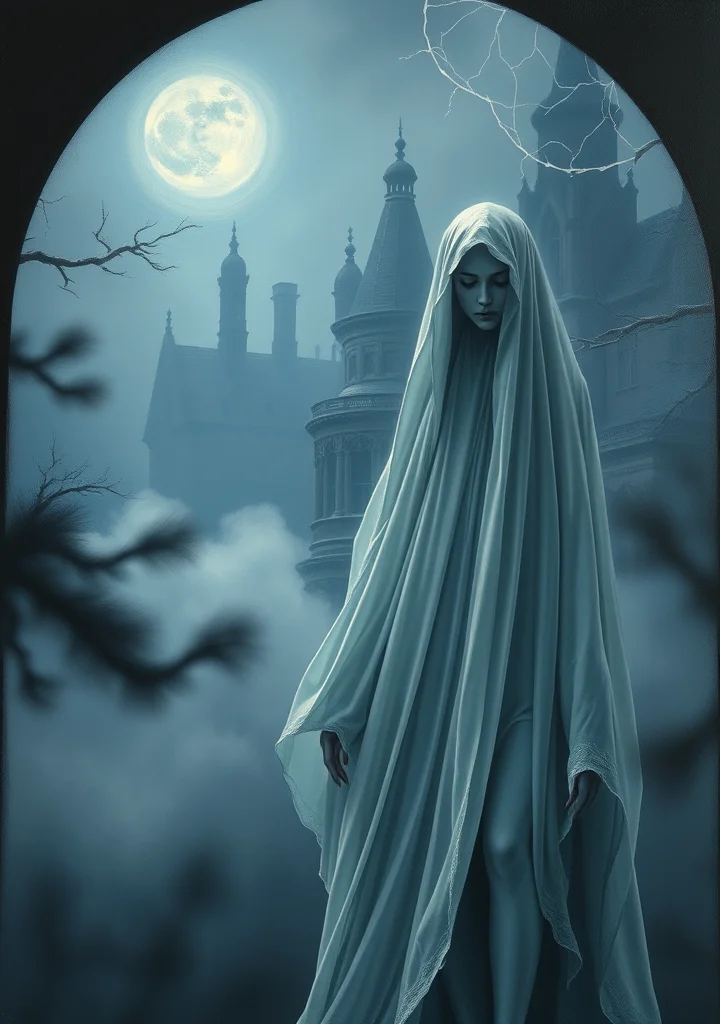
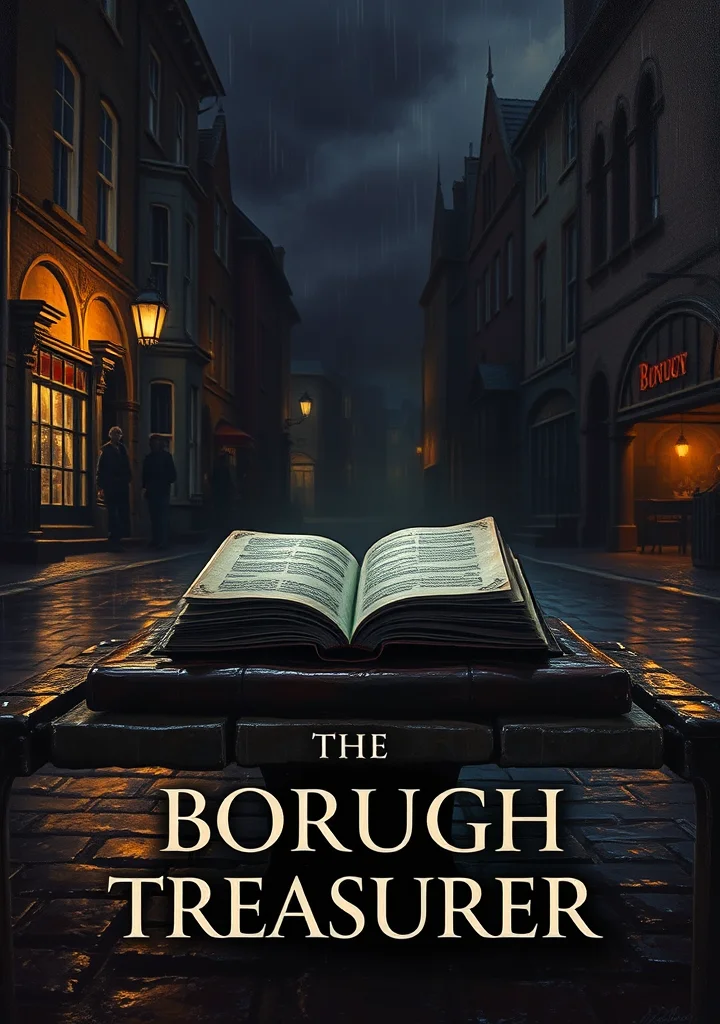
A creeping dread settles over the ancient market town of Borough, where shadows cling to cobblestone streets and whispers follow the new Treasurer, Mr. Grimshaw. He arrives not with fanfare, but with a quiet desperation, inheriting not just ledgers and accounts, but a legacy of hushed rumors and disappearances. The air itself feels thick with the weight of forgotten debts, both financial and spectral. Each ledger entry, each town hall meeting, seems to unearth a fragment of a darker history, a slow erosion of the present by the ghosts of Borough’s past. The Treasurer’s meticulous nature, his obsession with balancing the books, becomes a morbid mirroring of the town’s attempts to reconcile its sins. A suffocating sense of inevitability descends as Grimshaw’s inquiries reveal that the true currency of Borough isn’t shillings and pence, but secrets—secrets buried in crumbling manor houses, and sealed within the cold stone of the parish church. The fog rolls in with each revelation, obscuring not just the town, but the lines between sanity and obsession, between the living and the long-forgotten dead, as Grimshaw edges closer to a truth that threatens to drown him in Borough’s suffocating gloom. The rhythm of the narrative is one of decay, of peeling paint and dust motes dancing in shafts of dying sunlight, mirroring the unraveling of a man consumed by a town’s insidious, ancient heart.
Copyright: Public Domain
This license allows anyone to use your story for any purpose, including printing, selling, or adapting it into a film freely.
This license allows anyone to use your story for any purpose, including printing, selling, or adapting it into a film freely.
Chapter List
More like this