
Triplanetary
  • 188
  • 0
  • 29
  • Reads 188
  • 0
  • Part 29
Completed, First published Mar 02, 2026

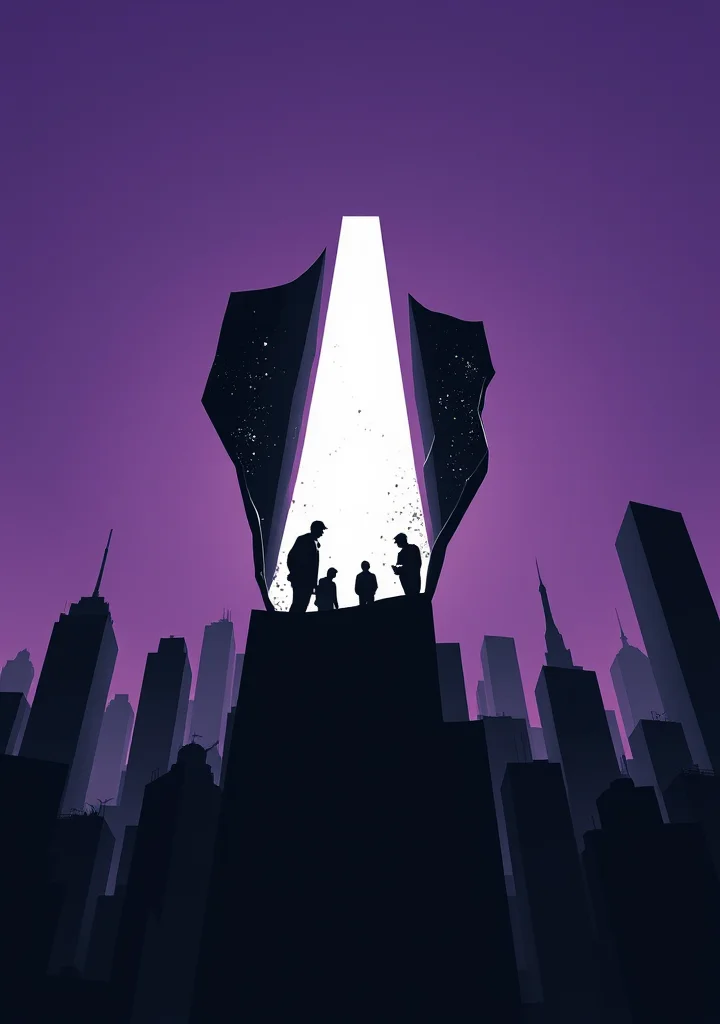
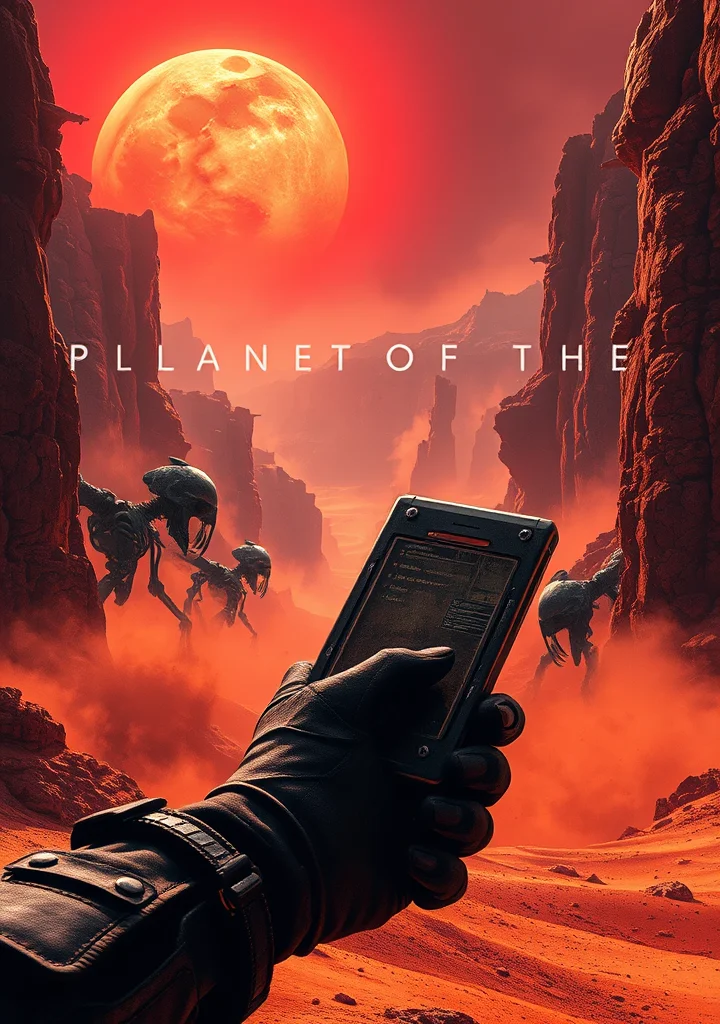
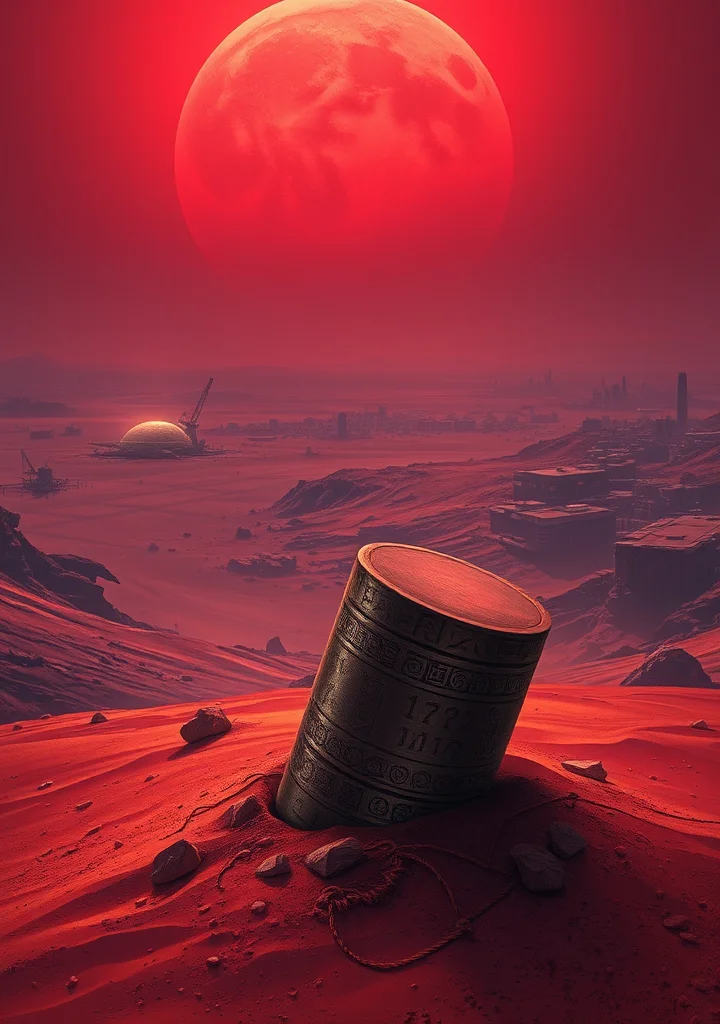
Across the cold gulf of interstellar void, a ship crawls toward Venus, haunted by the ghosts of ambition and the echoing dread of the unknown. The air within is thick with the scent of ozone and the metallic tang of desperation, as men chase a phantom fortune amongst the crimson skies of a dying world. But Venus is not the end, only a shimmering mirage reflecting the true, terrible heart of the Triplanetary system. Here, the sun bleeds into a bruised purple horizon, casting long shadows over cities sculpted from alien bone and powered by the fractured wills of conquered species. A creeping madness clings to the architecture, woven into the very foundations of the alien empires. Every gilded spire, every humming conduit, pulses with a silent, predatory hunger. The narrative unfolds not as a conquest, but a slow, agonizing unraveling. A descent into chambers lined with obsidian mirrors reflecting not power, but decay. A chilling whisper of forgotten gods and the metallic taste of betrayal on the tongue. The further they venture into the Triplanetary’s embrace, the more the line between hunter and hunted dissolves, leaving only the echoing emptiness of a universe indifferent to the screams of the damned. The light here is not illumination, but a sickly, phosphorescent bloom revealing the skeletal frames of empires consumed by their own gilded rot.
Copyright: Public Domain
This license allows anyone to use your story for any purpose, including printing, selling, or adapting it into a film freely.

Recommended for you
30 Part
A creeping dread clings to the crumbling chateau of Orcival, where shadows dance with secrets and the scent of decay permeates every stone. The narrative unfolds like a slow unraveling, a tapestry woven with whispers of madness and the weight of ancestral sins. Fog-choked valleys conceal not only the estate, but a legacy of betrayal that festers within the bloodline of the de Orcival family. Each room breathes with the ghosts of forgotten tragedies, the air thick with the suffocating loneliness of its sole inhabitant, the enigmatic marquis. The story is not one of swift action, but of insidious unraveling, of a mind fractured by isolation and haunted by a past it can no longer comprehend. Sunlight seems to recoil from Orcival’s walls, replaced by a perpetual twilight that mirrors the marquis’s descent into a labyrinth of delusion. Witnesses are scarce, and those who venture near the estate do so under the pallid glow of a waning moon, their testimony fragmented and laced with the chilling certainty of witnessing something utterly…wrong. The true mystery isn't a single crime, but the suffocating atmosphere itself—a suffocating dread that clings to the reader like cobwebs, leaving one questioning whether the horror resides within the chateau, or within the very heart of the man who dwells within. It is a story steeped in the gothic tradition, where the architecture itself is a character, and every shadow holds a piece of a fragmented truth.
21 Part
A creeping dread clings to the salt-laced shores of Varick Isle, where the crumbling manor of its namesake stands sentinel against a perpetual grey sky. The story unfolds not as a linear descent, but as a slow unraveling—a tapestry of whispered confessions unearthed in brine-soaked journals and the fevered ramblings of those who dared to seek Varick’s secrets. Saltus paints a world steeped in maritime rot and the suffocating weight of ancestral guilt. Each chapter feels like a chipped fragment of a drowned memory, revealing glimpses of a man consumed by his own meticulous, morbid obsession with charting the currents of madness. The narrative breathes with the damp chill of forgotten crypts, where shadows twist into the shapes of Varick’s monstrous creations—not of flesh and bone, but of painstakingly transcribed nightmares. A suffocating claustrophobia permeates the text, mirroring the labyrinthine passages of the manor itself. The air is thick with the scent of decaying parchment and the metallic tang of blood, both real and imagined. The truth, as it surfaces, is less a revelation than a contagion—a spreading stain of corruption that seeps into the reader's mind, blurring the line between the rational and the grotesque. It is a story of inheritance not of wealth, but of decay, a descent into a watery grave where the boundaries of sanity dissolve into the churning depths. One finds oneself not merely reading of Varick’s madness, but *experiencing* it, drawn into its suffocating vortex, haunted by the echoes of its mournful cries carried on the wind.
5 Part
Dust motes dance in the perpetual twilight of provincial France, clinging to the shadowed corners of Ursule Mirouët’s existence. A woman steeped in lavender and regret, she drifts through a life circumscribed by duty and the suffocating weight of inherited estates. The air hangs thick with the scent of dying blooms and the unspoken resentments of those bound to her decaying manor. This is a world where love is a slow poison, distilled in quiet rooms and whispered behind lace curtains. The narrative clings to the damp stone walls of a dying aristocracy, where fortunes are built on simmering betrayals and the inheritance of grief. Ursule’s existence is a tapestry woven with the threads of thwarted desire, shadowed by the ambition of men who see her not as a woman, but as the key to unlocking ancient wealth. A stifling atmosphere permeates every encounter – a claustrophobia of expectation, of lives lived out under the gaze of judgmental neighbours. The weight of societal obligation presses down, mirroring the oppressive greys of the landscape. Every act of kindness is laced with calculation, every glance a measure of worth. The novel breathes with the chill of damp earth, the rustle of secrets in the long grass, and the slow, inexorable decay of a world clinging to its past. It is a world where the heart is a prison, and the soul is slowly extinguished by the demands of inheritance and the suffocating demands of a life lived entirely on the surface of things.