
The Master Mind of Mars
  • 143
  • 0
  • 18
  • Reads 143
  • 0
  • Part 18
Completed, First published Mar 02, 2026

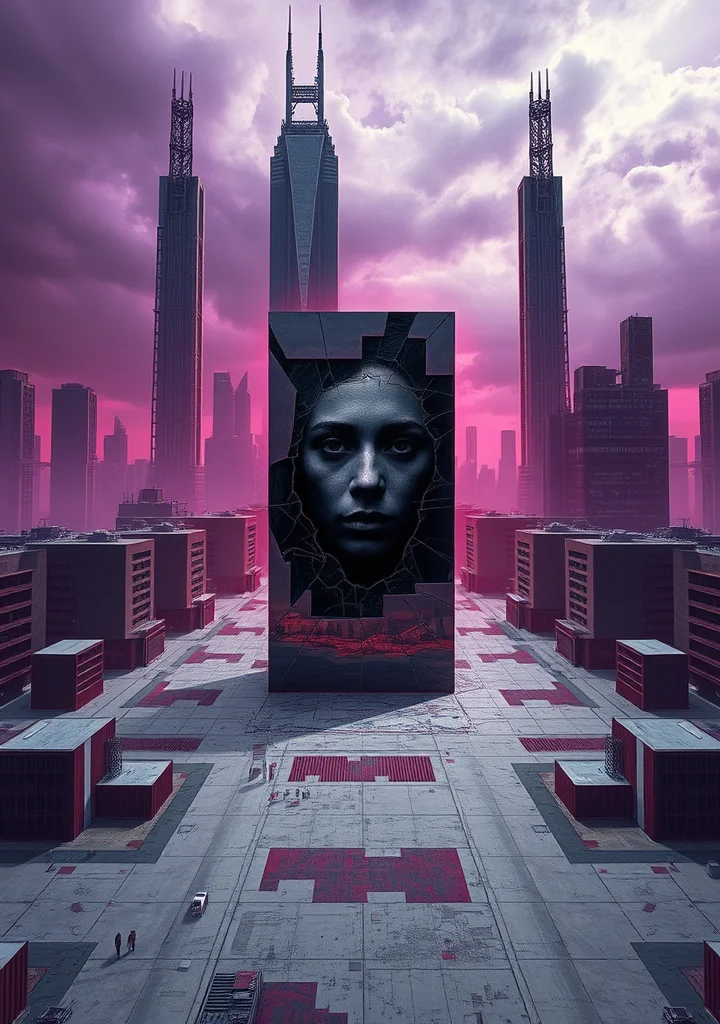
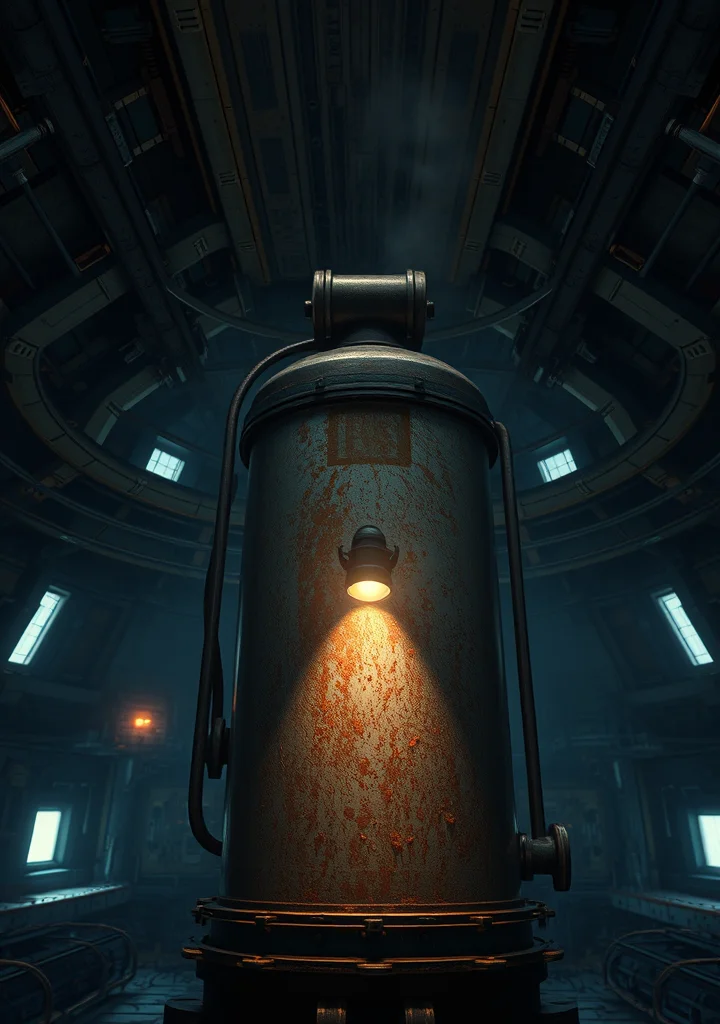
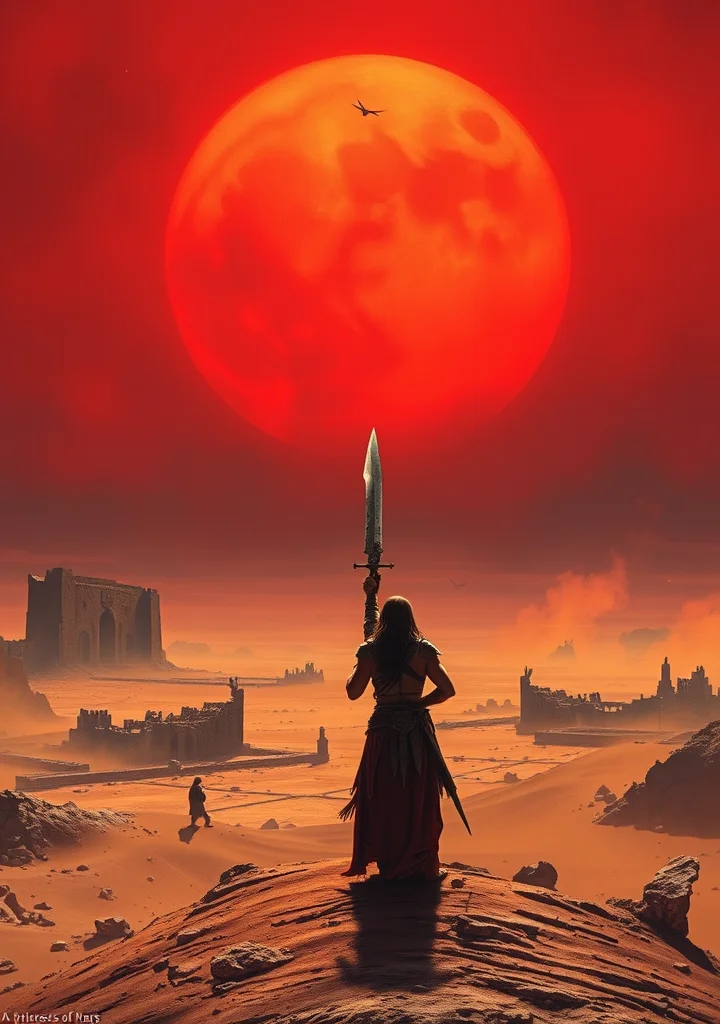
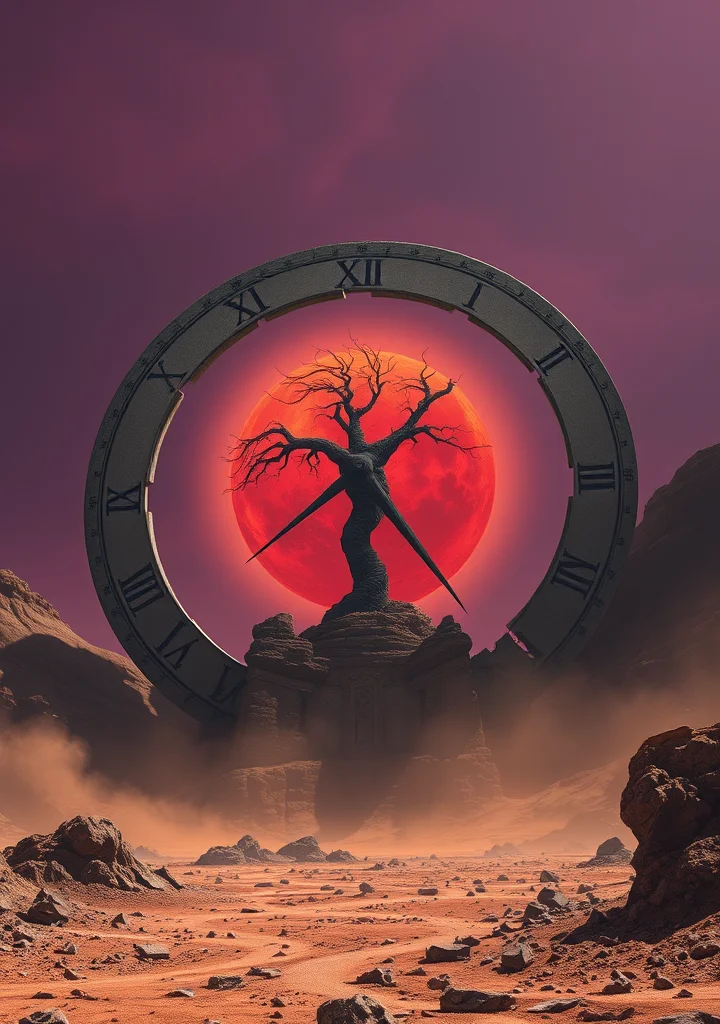
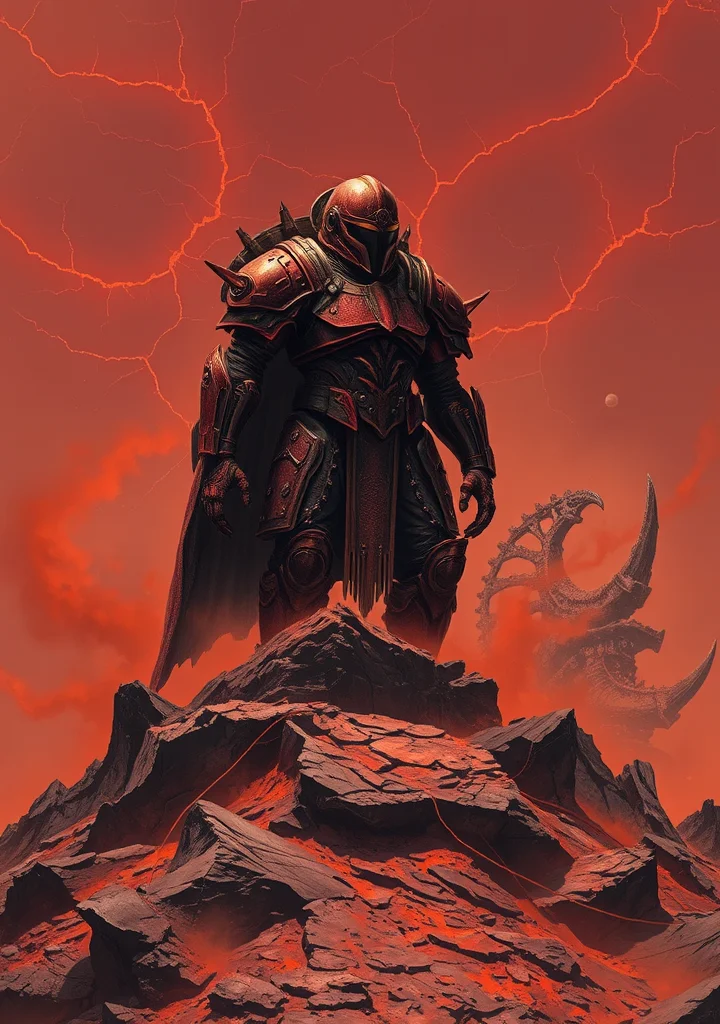
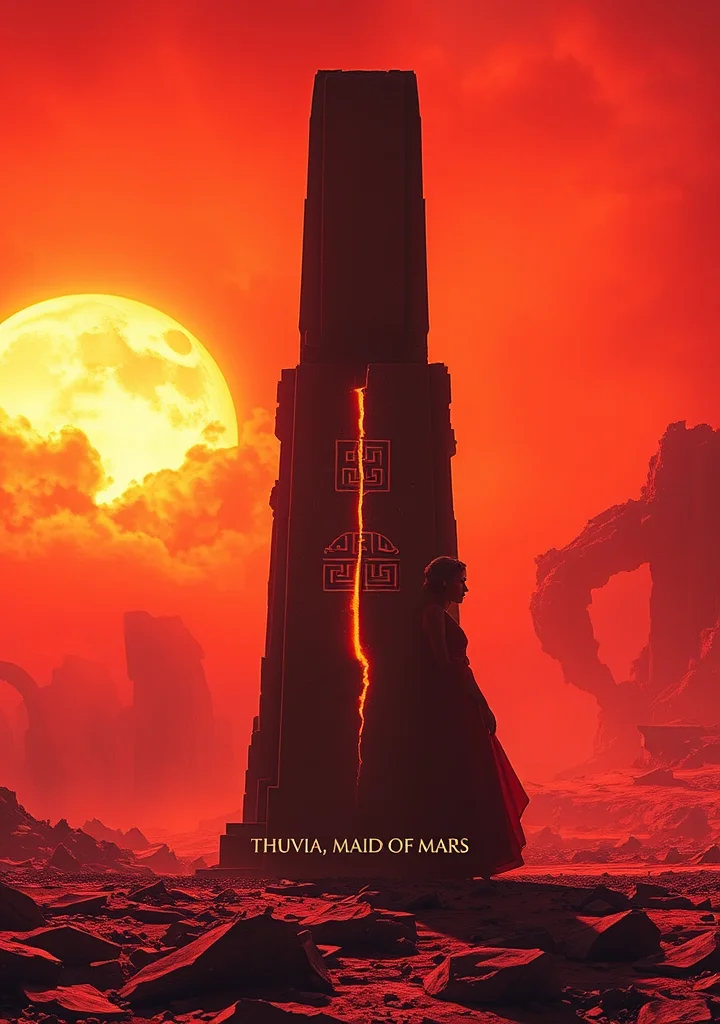
Dust-choked canals bleed under a crimson sun. A dying civilization, fractured by ancient betrayals, clings to crumbling ziggurats as whispers of a forgotten intelligence stir in the rust-colored dunes. This is not a tale of conquest, but of possession. Not of armies clashing, but of minds unraveling. A scholar, driven by forbidden lore, unearths a presence within the Martian ruins – a consciousness older than the red planet itself, weaving insidious tendrils into the dreams of the ruling caste. The air hangs heavy with the scent of decay and psychic residue, a suffocating perfume of ambition and madness. Within the labyrinthine cities, shadows dance with the ghosts of past rulers, their wills subtly reshaped by the unseen manipulator. Walls weep with a viscous, metallic fluid; echoes reverberate with the voices of the subjugated. Each revelation is a descent into a sterile, geometric hell, where the boundaries between sanity and oblivion dissolve. The red sand itself seems to pulse with a malevolent intelligence, and the only escape lies in surrendering to the very mind that seeks to consume all of Mars. It is a story of elegant horror, not of monsters and weapons, but of the insidious erosion of self, and the chilling realization that what remains of Martian society is merely a puppet show orchestrated by a master puppeteer dwelling within the cold, unyielding heart of the planet.


Copyright: Public Domain
This license allows anyone to use your story for any purpose, including printing, selling, or adapting it into a film freely.
Recommended for you
44 Part
The air hangs thick with the scent of rot and damp earth, clinging to the cobblestones of a Manila steeped in shadow. Thirteen years have passed since the fever dream of rebellion cooled, yet the embers of discontent still smolder beneath a veneer of Spanish decree. This is not a tale of open blades and gunpowder, but one of creeping tendrils of corruption, slowly choking the life from a nation’s heart. The protagonist, Simoun, is a phantom born of grief and vengeance, cloaked in the guise of a wealthy jeweler. He moves through the opulent salons and shadowed alleys, a silent architect of a reckoning long deferred. His presence is a subtle erosion, a corrosive elegance that whispers of discontent amongst the privileged, and fuels a desperate hope in the oppressed. The narrative unfurls like a slow poison, revealing the intricate web of deceit woven by those who profit from suffering. Every gilded cage, every forced smile, every whispered confession is another brick in a mausoleum of broken promises. The streets themselves seem to weep with the weight of injustice, and the flickering lamplight casts elongated shadows that dance with the ghosts of those who perished under the yoke of colonial rule. There is a pervasive sense of decay—not merely of physical structures, but of morality, of faith, of the very soul of a people. The scent of jasmine and incense masks the stench of desperation, while the echoes of laughter ring hollow against the backdrop of impending doom. The narrative is a descent into a labyrinth of shadowed motives, where the line between savior and destroyer blurs with each passing chapter, leaving the reader gasping for breath in a suffocating atmosphere of betrayal and simmering rage. This is a story where hope itself is a flickering candle threatened by the suffocating darkness.
56 Part
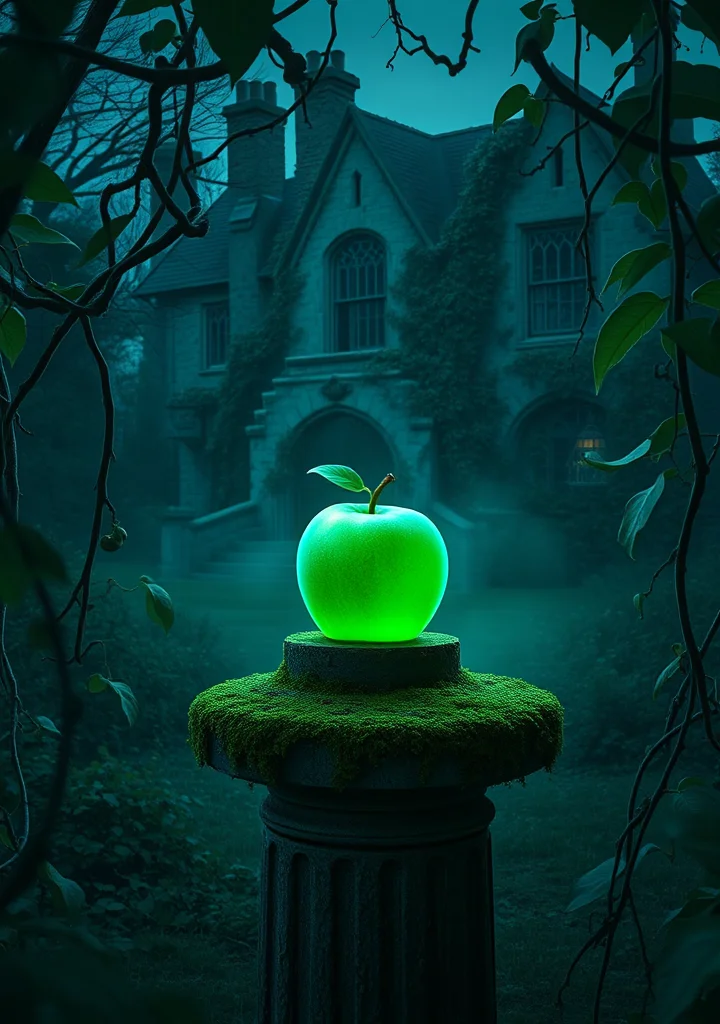
A creeping dread clings to the shadowed lanes surrounding Wildfell Hall, a manor steeped in rumour and whispered anxieties. The narrative unfolds through the anxious observations of a young gentleman drawn into the isolated community, but quickly becomes consumed by the mystery of its reclusive mistress, Helen. She arrives fleeing a monstrous secret, a husband whose depravity festers within the confines of their marriage. The Hall itself breathes with a history of decay, a gothic fortress concealing not merely stone and timber, but the unraveling of a woman’s spirit. The story is one of entrapment—not within walls, but within a marriage that slowly poisons the soul. Helen’s diary, unearthed like a tomb’s unearthed remains, reveals a descent into darkness, fuelled by alcohol-soaked brutality and the insidious erosion of self-worth. Every shadowed room, every stolen glance, echoes with the suffocating weight of a life slowly extinguishing under the weight of a monstrous devotion. The landscape mirrors the internal torment; bleak moors and desolate farmhouses reflect the emotional barrenness of her existence. A relentless tension builds, punctuated by the chilling details of her husband’s escalating cruelty, until the reader is left gasping with Helen, trapped within a nightmare of domestic horror. It is a tale of escape, yes, but the price of freedom is etched in scars both visible and unseen, leaving Wildfell Hall a monument to the harrowing power of abuse and the desperate will to survive.