
-
Read 927
-
0
-
Part 78
Completed, First published Mar 02, 2026
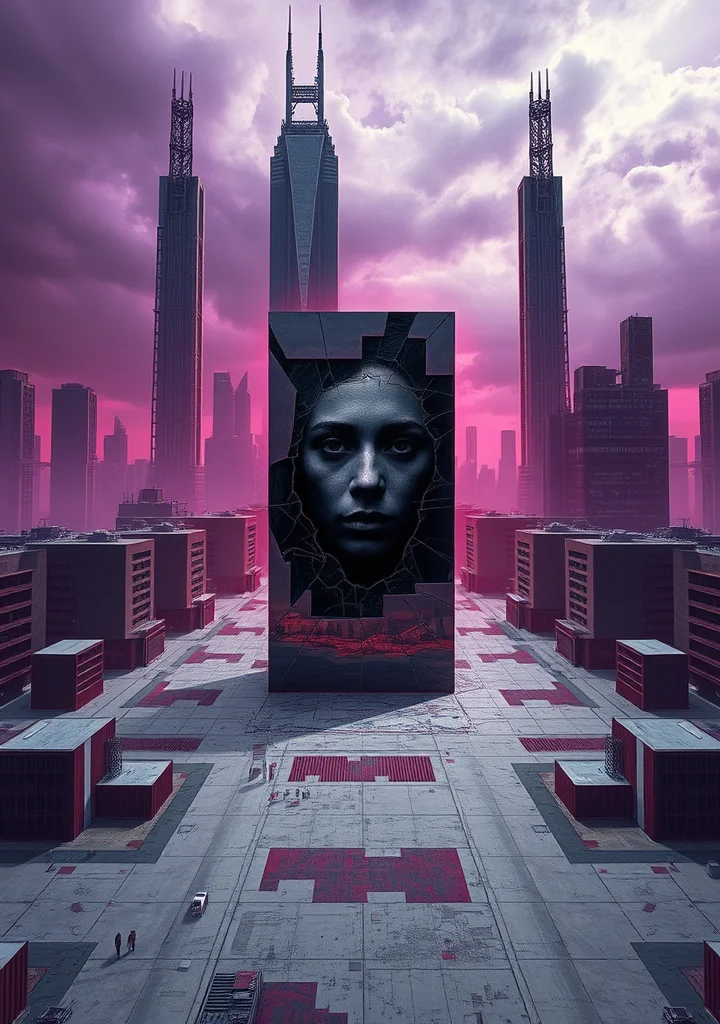
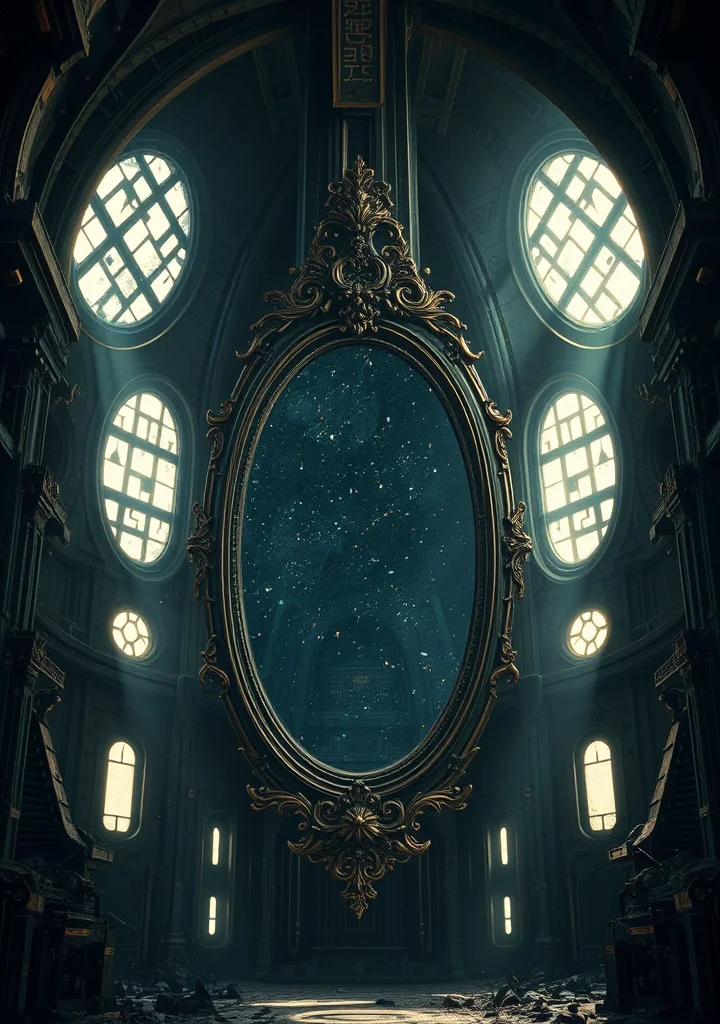
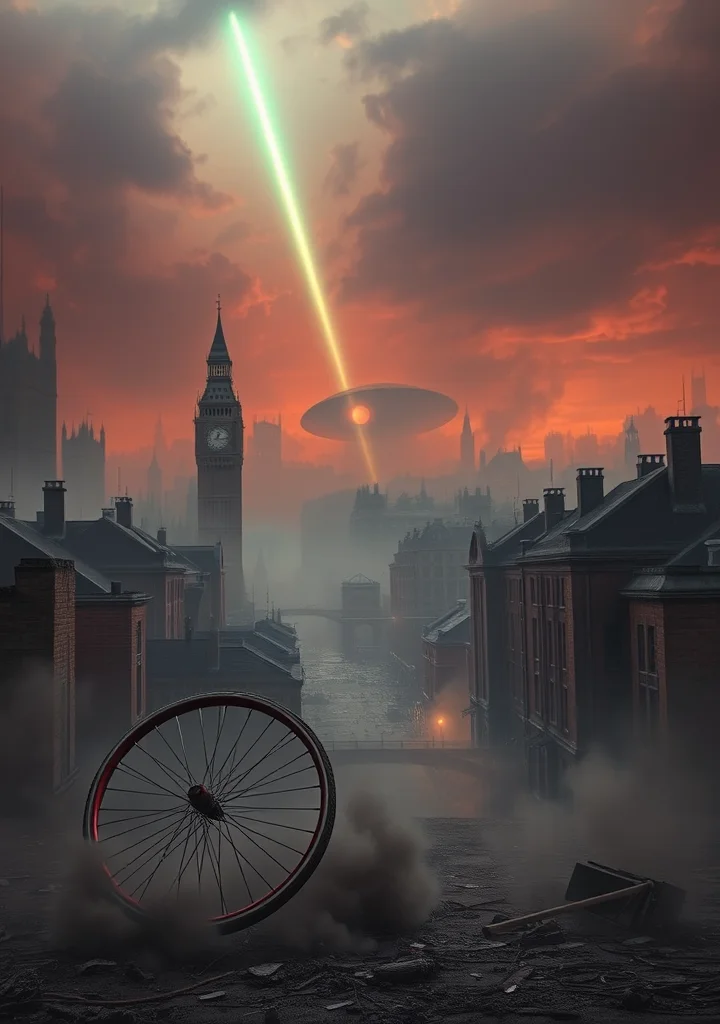
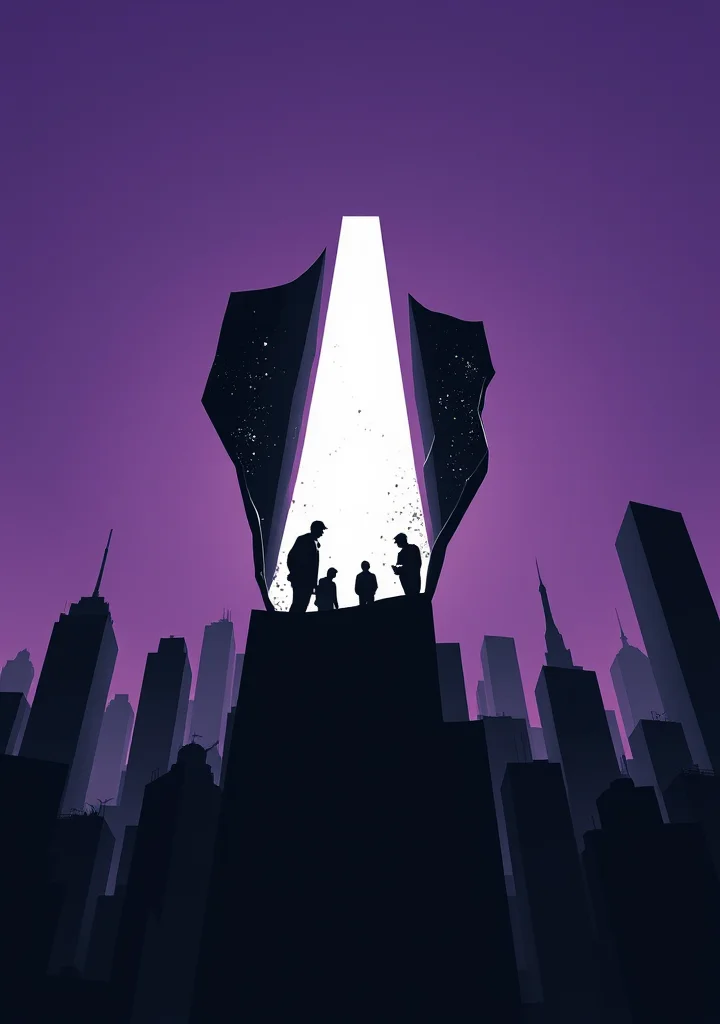
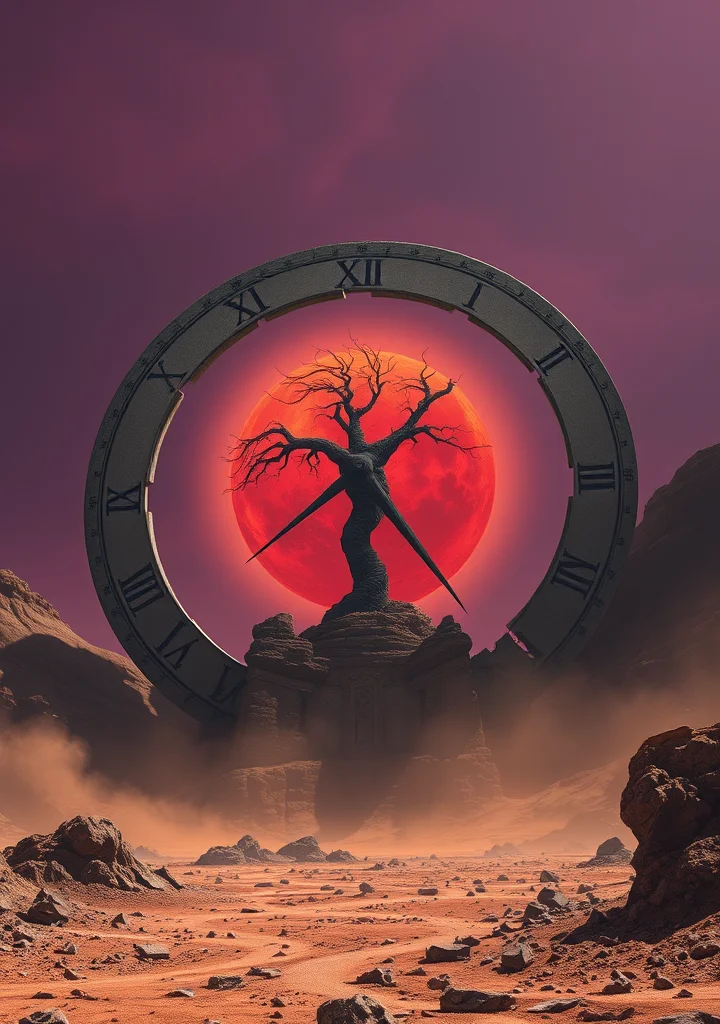
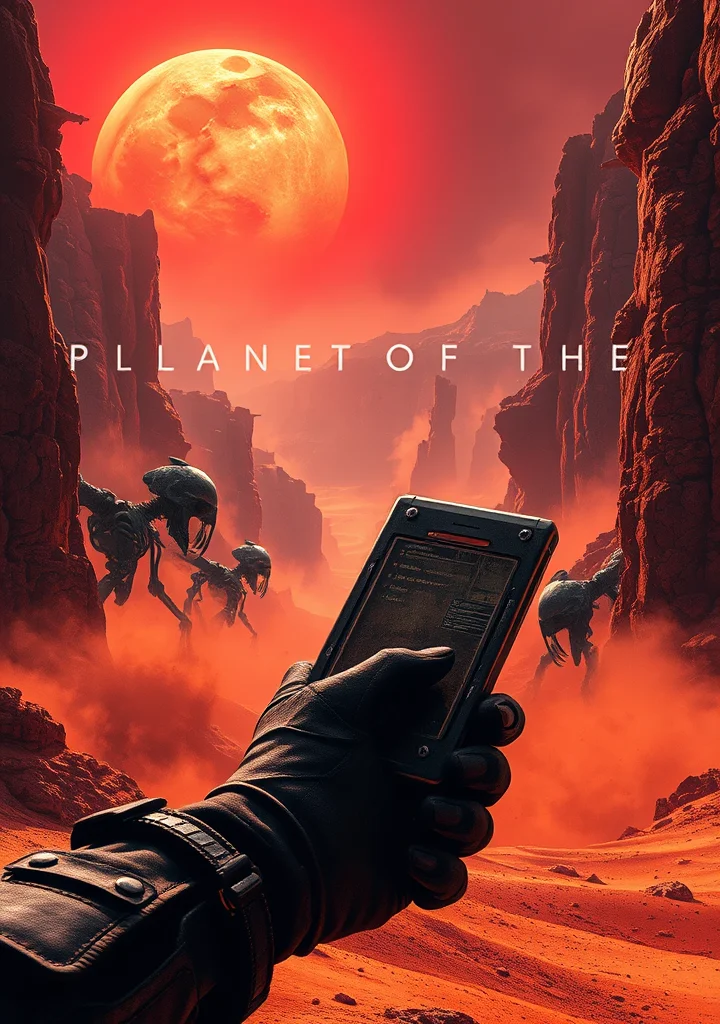
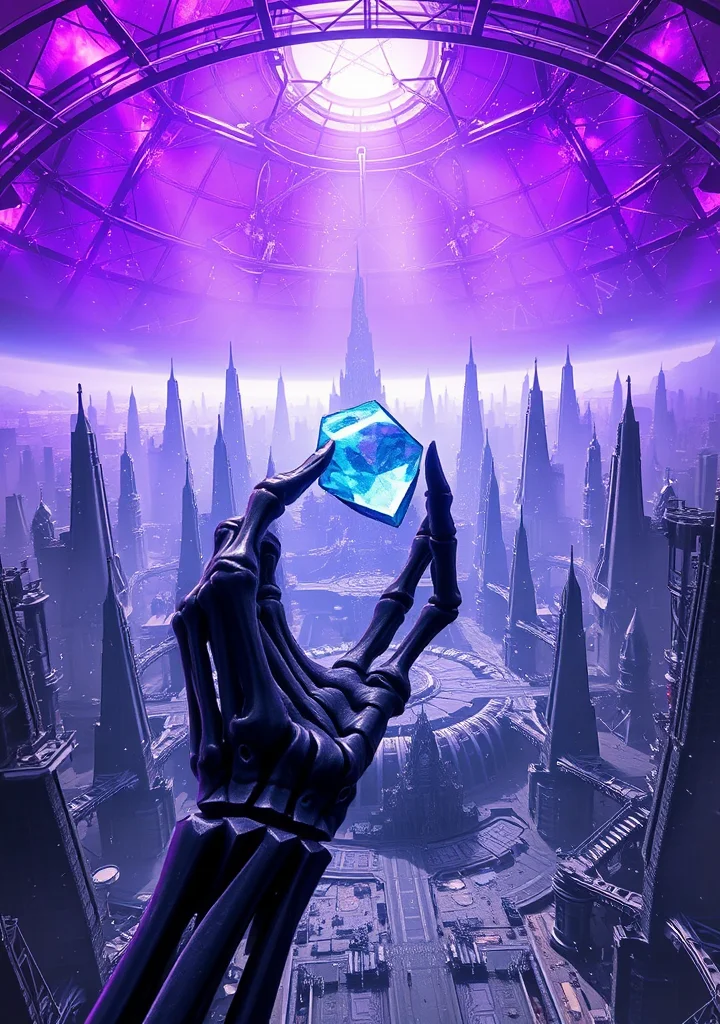
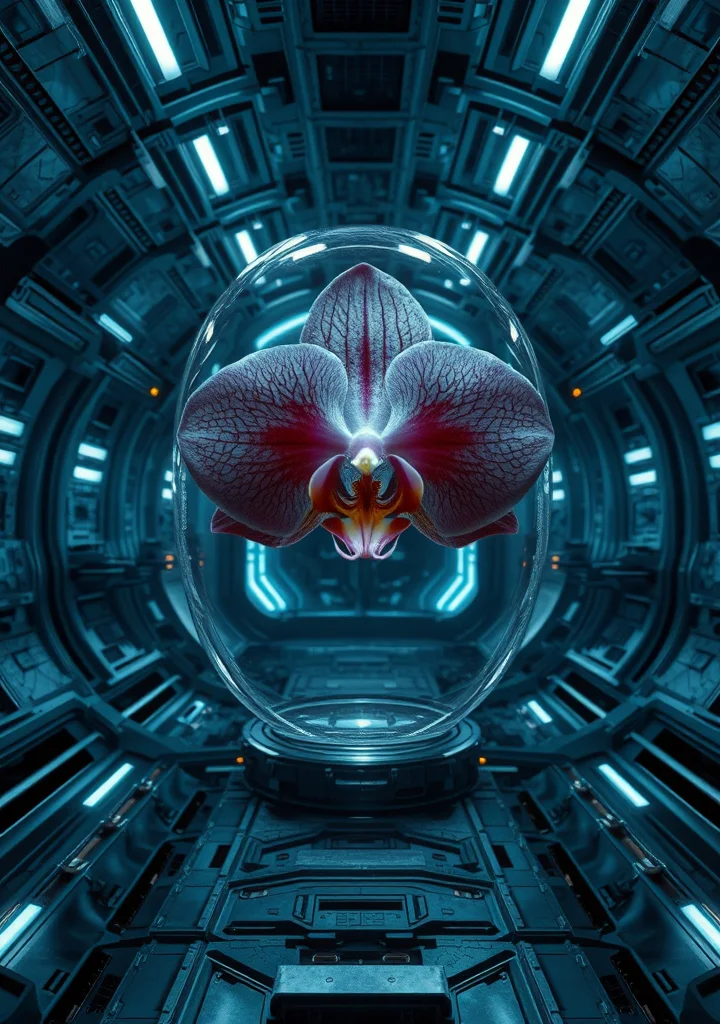
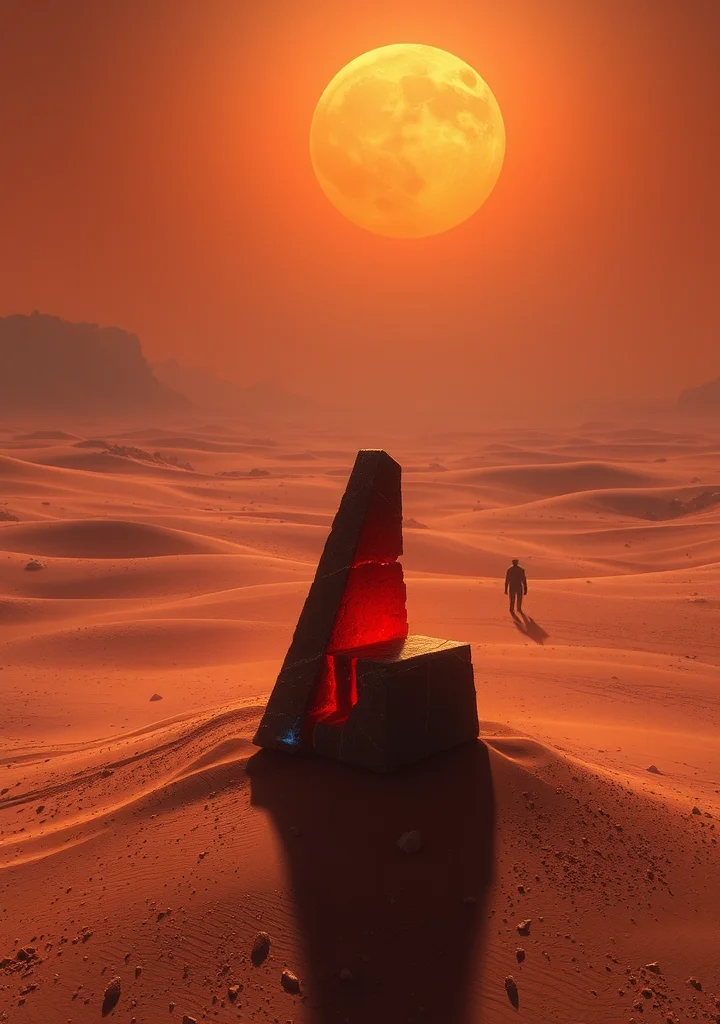
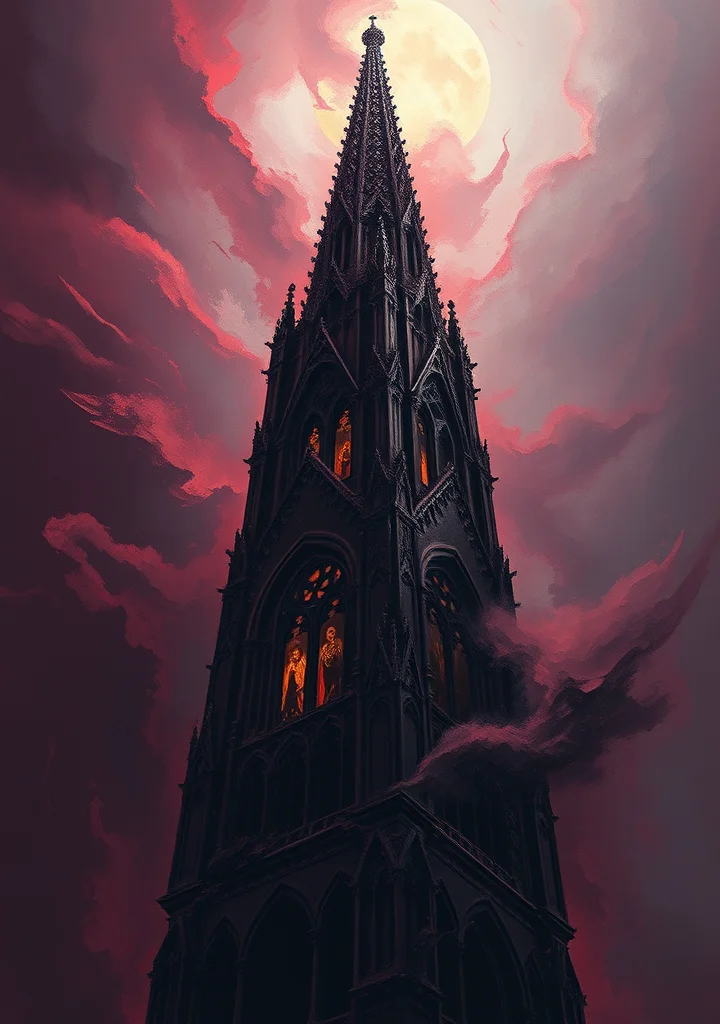
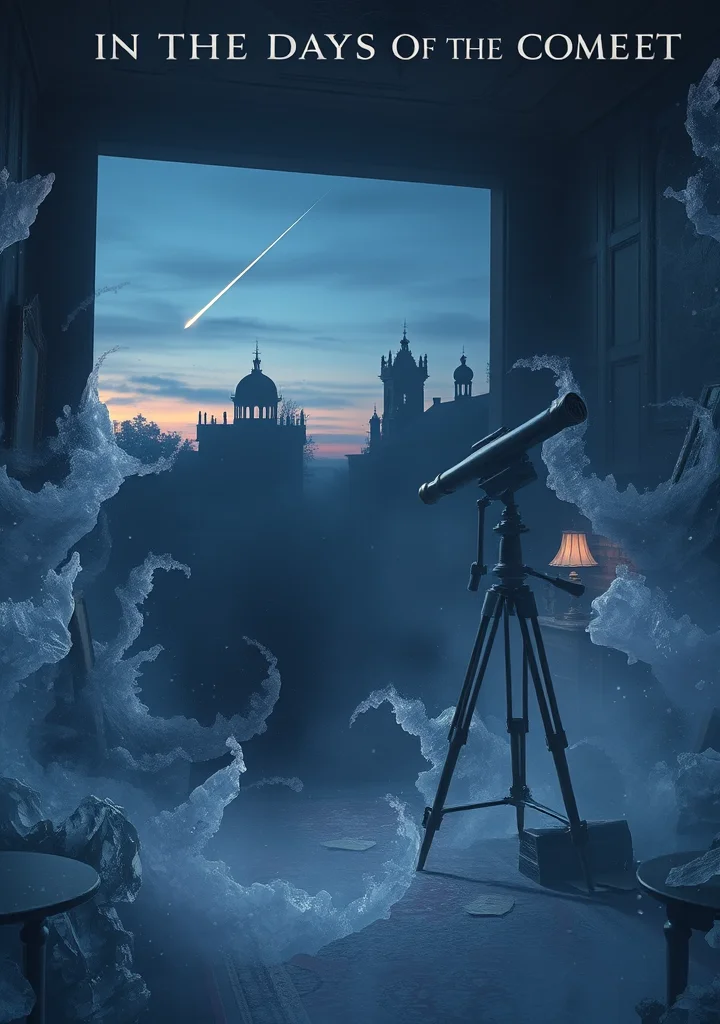
A creeping dread descends with the celestial visitor. Not fire and brimstone, but a subtle, insidious unraveling of the familiar. England, poised on the precipice of a new century, finds its social order fractured not by revolution, but by a crystalline, ethereal decay seeded by the comet’s passage. The narrative clings to the shadowed corners of a world where reason falters, and the boundaries of sanity blur with the encroaching “etheric” influence. Wells paints a landscape of drawing rooms suffocated by jasmine and the scent of something alien blooming in the darkness, where the polite rituals of society become grotesque parodies of themselves. A pervasive stillness settles over the land, broken only by whispers of altered minds and the chilling precision of those who yield to the comet’s will. Sunlight feels like a distant memory, replaced by an ever-present twilight that seeps into the very bones of the characters. It is a story of quiet possession, of the elegant unraveling of the human spirit as a shimmering, glacial logic remakes the world in its image, leaving behind only husks of habit and the cold, glittering promise of a new, unearthly order. The air itself seems to hold its breath, waiting for the final, crystalline bloom.
Copyright: Public Domain
This license allows anyone to use your story for any purpose, including printing, selling, or adapting it into a film freely.
This license allows anyone to use your story for any purpose, including printing, selling, or adapting it into a film freely.
Chapter List
-
« In the Days of the Comet »📖 Continue Reading
-
« Chapter_3 »
-
« In the Days of the Comet »
-
« Prologue »
-
« I »
-
« I »
-
« II »
-
« III »
-
« IV »
-
« V »
-
« II »
-
« I »
-
« II »
-
« III »
-
« IV »
-
« V »
-
« VI »
-
« VII »
-
« III »
-
« I »
-
« II »
-
« III »
-
« IV »
-
« V »
-
« VI »
-
« VII »
-
« IV »
-
« I »
-
« II »
-
« III »
-
« IV »
-
« V »
-
« VI »
-
« V »
-
« I »
-
« II »
-
« III »
-
« IV »
-
« V »
-
« VI »
-
« I »
-
« I »
-
« II »
-
« III »
-
« IV »
-
« V »
-
« VI »
-
« II »
-
« I »
-
« II »
-
« III »
-
« IV »
-
« V »
-
« VI »
-
« VII »
-
« VIII »
-
« III »
-
« I »
-
« II »
-
« III »
-
« I »
-
« I »
-
« II »
-
« III »
-
« IV »
-
« V »
-
« VI »
-
« II »
-
« I »
-
« II »
-
« III »
-
« IV »
-
« III »
-
« I »
-
« II »
-
« III »
-
« IV »
-
« The Epilogue »
78
-
« In the Days of the Comet »
-
« Chapter_3 »
-
« In the Days of the Comet »
-
« Prologue »
-
« I »
-
« I »
-
« II »
-
« III »
-
« IV »
-
« V »
-
« II »
-
« I »
-
« II »
-
« III »
-
« IV »
-
« V »
-
« VI »
-
« VII »
-
« III »
-
« I »
-
« II »
-
« III »
-
« IV »
-
« V »
-
« VI »
-
« VII »
-
« IV »
-
« I »
-
« II »
-
« III »
-
« IV »
-
« V »
-
« VI »
-
« V »
-
« I »
-
« II »
-
« III »
-
« IV »
-
« V »
-
« VI »
-
« I »
-
« I »
-
« II »
-
« III »
-
« IV »
-
« V »
-
« VI »
-
« II »
-
« I »
-
« II »
-
« III »
-
« IV »
-
« V »
-
« VI »
-
« VII »
-
« VIII »
-
« III »
-
« I »
-
« II »
-
« III »
-
« I »
-
« I »
-
« II »
-
« III »
-
« IV »
-
« V »
-
« VI »
-
« II »
-
« I »
-
« II »
-
« III »
-
« IV »
-
« III »
-
« I »
-
« II »
-
« III »
-
« IV »
-
« The Epilogue »
More like this