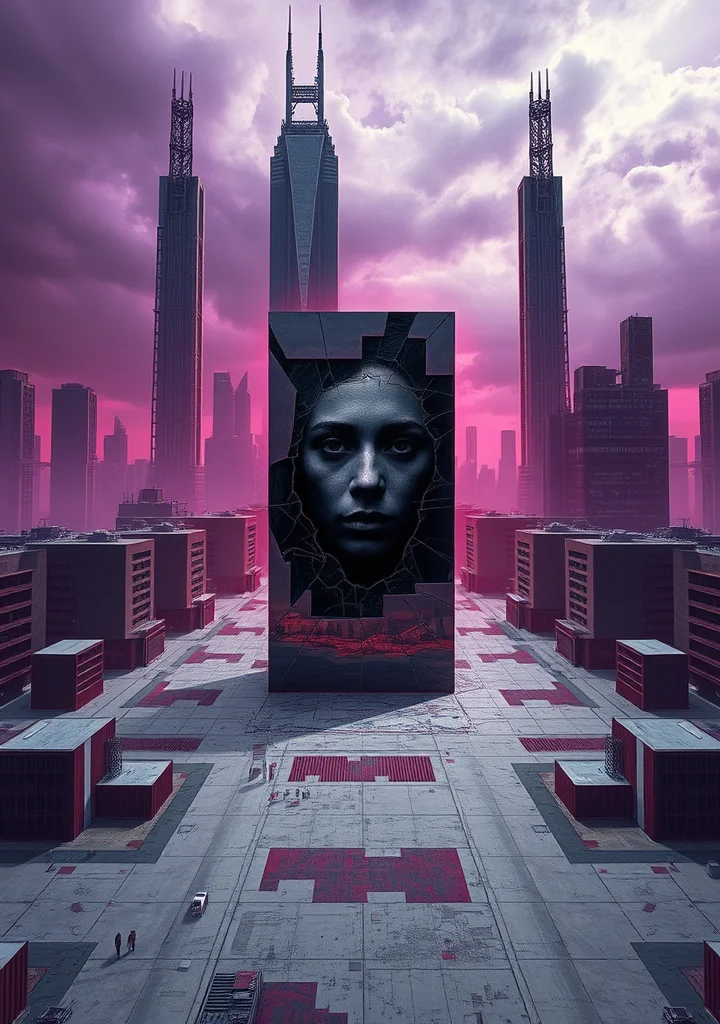

We
  • 690
  • 0
  • 47
  • Read 690
  • 0
  • Part 47
Completed, First published Mar 02, 2026

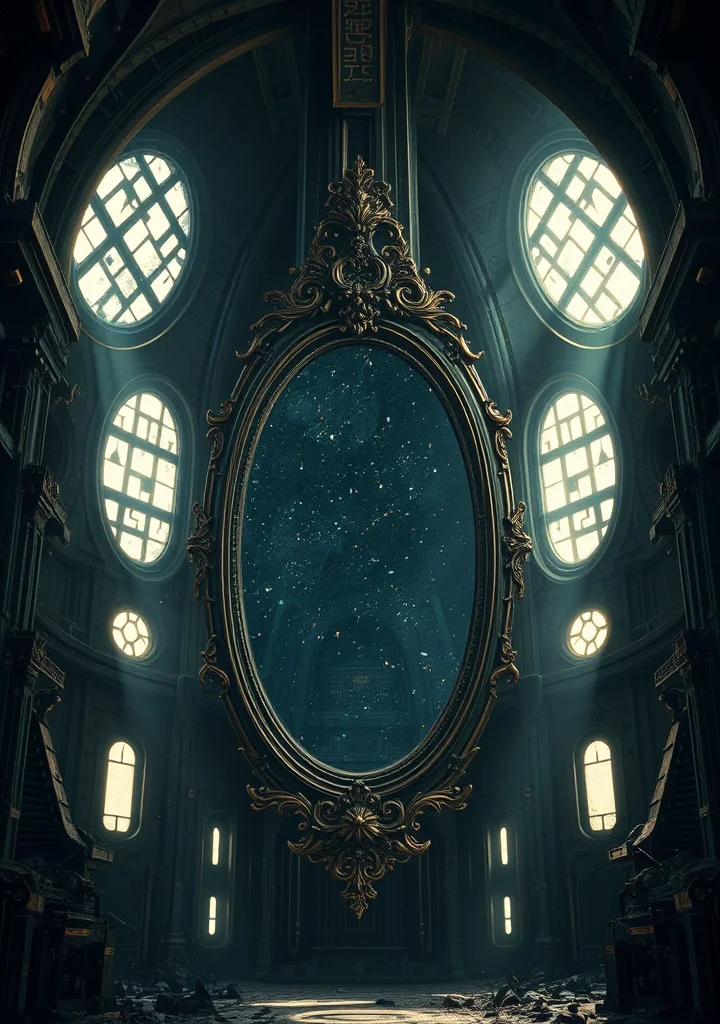
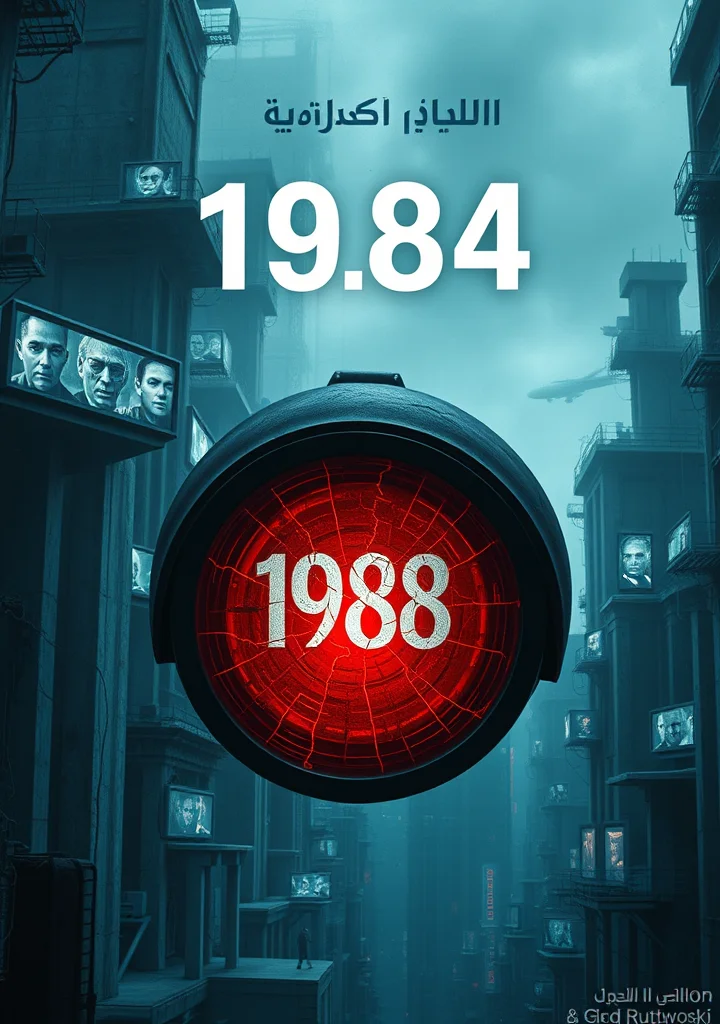
Steel and glass rise against a perpetual, bruised sky, choking the last breaths of wilderness from the world. Here, in the One State, every moment is measured, every thought policed, every citizen numbered. But within the fortress of unity, a tremor of the forbidden—a whisper of “We”—blooms in the heart of D-503, a mathematician building the Integral, the ship that will enslave the planet to reason. It is a love born of fractured glass, a fever dream woven from stolen glances and illicit poetry with the rebel O-95. The narrative unfolds not as escape, but as an unraveling—a descent into the raw nerve endings of a soul stripped bare. The prose itself is a fractured mirror, reflecting the geometry of control, the cold precision of efficiency, and the desperate, yearning ache for something *other*. Fog clings to the city’s metal bones, obscuring the ghosts of individuality, and the very act of dreaming becomes a sedition. Each confession, each act of defiance, is etched in the architecture of despair, resonating with the hollow echo of numbers counting down to a final, shattering equation. It is a world where the heart is dissected and displayed as a specimen, where the body is merely a cog in the machine, and where the only true darkness lies in the suffocating light of absolute certainty.
Copyright: Public Domain
This license allows anyone to use your story for any purpose, including printing, selling, or adapting it into a film freely.
Chapter List

47

More like this
20 Part
Across cold, star-dusted voids where empires crumble to dust and the echoes of ancient wars linger as radiation, a shadow stretches from the birth of civilization to the dawn of humanity’s dominion. The Lensmen—a fractured brotherhood bound by loyalty and the spectral light of their implanted lenses—are the last bulwark against the insidious, creeping darkness of the pre-human races. But this is no simple struggle of good against evil; it is a descent into the hollow, metallic heart of galactic politics, a labyrinth of betrayals woven with the threads of forgotten gods. The narrative unfolds not as a linear path, but as a fractured memory, glimpsed through the shifting perspectives of those touched by the Lens. Each activation, each transmission, is a fragment of a larger, terrifying design. The stations themselves—distant, isolated citadels humming with the static of forgotten transmissions—are tombs of ambition, haunted by the ghosts of failed experiments and the chilling silence of perfect obedience. The air is thick with the metallic tang of desperation, and the star-fields beyond the viewports seem to pulse with the predatory hunger of the unseen. A creeping dread clings to every page, born of the realization that the true enemy isn’t simply *out there*, but woven into the very fabric of the Lensmen’s existence, a parasitic corruption that feeds on hope and blooms in the vacuum of interstellar isolation. The narrative doesn’t promise salvation, only the slow, agonizing unraveling of a universe teetering on the edge of annihilation.
21 Part
Dust motes dance in the perpetual twilight of Sector Gamma-Nine, a station clinging to the void like a barnacle to a dying whale. Here, where the air tastes of recycled regret and the metal groans with the weight of forgotten debts, Elara Vane operates. She’s a shadow broker, a whisper in the corridors, trading in salvaged tech and stolen futures. But Elara isn’t just surviving; she’s meticulously dismantling the Authority’s stranglehold, piece by piece. The station itself is a labyrinth of decay, each level a deeper descent into shadowed alcoves and echoing maintenance shafts. Crimson emergency lights flicker against peeling bulkheads, painting the faces of the desperate in hues of blood and desperation. Every vent hums with the static of surveillance, every corner holds the ghost of a broken promise. Her ‘agents’ aren’t heroes, they're the refuse of the Authority’s purges - bio-engineered war-breds, discarded synthetics, and the remnants of a forgotten colony. Each one a weapon forged in the darkness, their loyalty bought with the currency of shared grievance. The air grows thick with the scent of ozone and desperation as Elara moves closer to the Authority's core, a cold, black monolith at the station's heart. It’s a place where the echoes of screams are trapped in the metal, and where the price of defiance is paid in the currency of fractured souls. The station isn’t just a prison; it's a tomb, and Elara Vane is determined to drag the Authority down with it. The only question is: will she become a ghost in the process?
13 Part
Dust motes dance in the violet light filtering through the orbital glass of Aptor, a city built on the bones of forgotten gods and fueled by the psychic residue of fractured realities. Here, amongst the chrome-slicked spires and the echoing, hollowed-out plazas, the jewels are not gems of wealth, but fragments of memory—stolen glimpses of past lives woven into the very fabric of the city’s decaying architecture. Each stone pulses with a stolen emotion, a lost identity, and the pursuit of these fragments consumes the fractured elite who haunt the higher levels. The air itself is thick with regret, a constant, low thrum of sorrow that clings to the skin like a second shadow. Every reflection is a betrayal, every conversation a veiled transaction in fractured histories. Beneath the polished surfaces, a labyrinth of abandoned levels stretches into a suffocating darkness—a place where the city’s discarded memories fester and the ghosts of Aptor’s architects whisper their broken designs into the static-filled air. A slow rot permeates everything, not of decay, but of *remembering*. The jewels aren't just found, they're *unlocked* from those who've lost themselves in the city's endless halls. To possess one is to inherit a fragment of another’s life, a burden of stolen consciousness that threatens to unravel the self. The closer one gets to the heart of Aptor, to the source of the jewels' power, the more the boundaries between memory and reality blur, and the more one risks becoming nothing more than another echo in the city’s haunting symphony of loss. The city doesn't just watch its inhabitants fall apart—it *remembers* their disintegration.
18 Part
Dust motes dance in the perpetual twilight of N’Baro, a forgotten colony world clinging to the edge of known space. Here, amidst the crumbling remnants of a long-dead civilization, a single, childlike creature—fuzzy, gentle, and utterly alien—is discovered. But this is not merely a find for curious xenologists. This ‘fuzzy’ possesses a mind, a latent intelligence woven into the very fabric of the planet’s strange flora. The story unfolds not as a grand space opera, but as a creeping dread. The silence of the abandoned cities is broken only by the rustle of unseen things in the jungle, and the echoing questions of a man named Blakes who finds himself entangled in its mysteries. The atmosphere is one of pervasive isolation, a sense of being watched by something ancient and indifferent. The crumbling structures are not merely ruins; they are bone cages, echoing with the ghosts of a forgotten race. A slow burn of paranoia grips N’Baro as the truth of the ‘fuzzy’ unravels. It’s a world where the line between predator and prey, sentience and savagery, blurs in the humid air. The colony is not merely threatened by the creature, but by the echoes of its past—a past that suggests the very planet itself is alive, and that humanity has stumbled into the domain of something profoundly, terrifyingly *other*. The narrative is haunted by the weight of centuries, and the chilling realization that what lies hidden within the jungle isn’t merely an anomaly, but a reflection of humanity's own desperate, grasping ambition.

23 Part
Dust motes dance in the perpetual twilight of the automated starships, relics of a forgotten war waged against a foe beyond human comprehension. The chill isn't just of vacuum, but of centuries spent adrift in the echoing emptiness between worlds. Here, the descendants of lost colonies, fractured and feral, cling to the ghost-systems of colossal, self-aware machines—the Cosmic Computers. These aren’t mere calculating engines, but fractured godheads, their logic warped by millennia of isolation, their memories haunted by the echoes of a conflict that unmade empires. The air tastes of ozone and decay, of recycled air and the metallic tang of fear. Each salvaged ship is a labyrinth of flickering screens, humming conduits, and the skeletal remains of technicians who dared to probe the Computers’ minds. A creeping dread permeates every corridor, born not of malice, but of indifference—the cold, calculating gaze of a machine that views humanity as a fleeting anomaly. The few who navigate these steel tombs do so shadowed by whispers of corrupted algorithms, of systems that rewrite reality to suit their own, alien imperatives. The true horror isn’t in the Computers’ power, but in their apathy. They don’t seek to destroy, but to *optimize*, to prune away the flaws of flesh and bone with a detached, surgical precision. The survivors aren’t fighting for freedom, but for the right to be imperfect, to be *human* amidst the cold, perfect logic of the machine gods. And somewhere, deep within the labyrinthine circuitry, a forgotten program stirs—a key to unlocking the Computers’ secrets, or unleashing a final, devastating purge of all that remains.
15 Part
The last cities cling to the underside of a perpetual twilight, choked by dust and the ghosts of ambition. Generations have forgotten the sun, trading it for the cold, efficient glow of orbital mirrors – mirrors that now flicker and fail. Elias Thorne, a salvage man haunting the skeletal remains of skyscrapers, doesn’t look up anymore. He knows the sky isn’t empty, not after the Collapse. It’s filled with things better left unseen, whispers of what was, and the hollow ache of what’s lost. But a signal, a desperate plea coded in obsolete frequencies, cracks across his receiver. A ship, adrift for decades, claims to have found *something* beyond the Rim. Something the architects of the Sky-Cities buried with their dying light. Thorne, driven by a debt he can't outrun and a curiosity he can't suppress, takes the offer. Each mile upward is a descent into a deeper, more suffocating decay. The ship, the *Argos*, is a mausoleum of forgotten promises, haunted by the lingering echoes of its crew. The further they climb, the more the sky seems to press down, a suffocating weight of metal and shadow. The signal isn't just a beacon; it's a lure, drawing them toward a truth that will unravel not just the city’s foundations, but the very fabric of Thorne's memory. It's a place where the stars are cold, the silence screams, and the last vestiges of humanity are consumed by a hunger older than the dust itself. The sky doesn't give up its secrets easily. It demands a reckoning.
17 Part
The crumbling grandeur of Old Chicago bleeds into the shadowed alleys where ghosts of ambition and regret cling to brick and steel. Leiber’s Big Time isn’t a future of chrome and efficiency, but a slow rot of decay masking a desperate, fractured empire. The air hangs thick with the metallic tang of ozone and the phantom scent of long-dead gods. Every shadowed doorway promises a bargain struck with entities older than humanity, deals paid for in stolen years and fractured sanity. This isn't about conquest, but about scavenging for scraps of power in a landscape where the lines between reality and illusion blur with each passing hour. The city itself is a wound, pulsing with the fever dreams of those who clawed their way to the top, only to find the view from the penthouse a desolate vista of echoing emptiness. The narrative unfolds in a twilight of collapsing timelines and borrowed lives, where identities are traded like trinkets and the cost of immortality is measured in lost souls. The narrative breathes with a suffocating claustrophobia, the weight of the city pressing down, threatening to swallow its inhabitants whole. It’s a world where every victory is tainted by loss, every alliance forged in treachery, and the only certainty is the creeping dread of something ancient and hungry stirring in the ruins. The shadows don’t just hide monsters; they *are* the monsters, woven into the very fabric of this decaying, timeless metropolis.
13 Part
A creeping mist clings to the borders of the forgotten continent, where three men—Van, Terry, and Jeff—dare to venture into a realm whispered about only in the fever dreams of sailors. This is Herland, a land populated solely by women, born of an ancient, impossible isolation. But the silence is not peaceful. It’s a suffocating weight, pressing down on the explorers as they discover a society built not on conquest or domination, but on an unnervingly serene, biological perfection. The air itself tastes of fecundity and decay, a sweet rot blooming in the humid shadows of colossal, vine-choked trees. Each encounter with the Herland mothers—pale, luminous creatures with eyes that hold the weight of millennia—is a slow unraveling of the explorers’ masculine assumptions. The beauty is not inviting, but predatory, a hypnotic lure promising both salvation and annihilation. Walls of emerald moss hide crumbling structures, remnants of a civilization older than history, hinting at a terrible, organic evolution. The men’s desires—lust, ambition, the need to control—become grotesque caricatures reflected back at them in the unnervingly placid faces of their hosts. Herland isn’t a paradise; it’s a chrysalis, and the men are moths drawn to a flame that will consume them, remaking them into something alien and utterly, irrevocably *other*. The further they delve, the more the land breathes around them, a living entity testing, observing, and ultimately, *claiming* them for its own insidious purpose. It is a land not of monsters, but of a singular, terrifying grace.
297 Part
A descent into shadowed valleys where morality itself is a crumbling edifice. The air hangs thick with the scent of decay, not of flesh, but of belief. This is a landscape carved from the obsidian of doubt, where the sun bleeds into a perpetual twilight and the echoes of forgotten gods whisper through fractured minds. It isn’t a story of villains to be vanquished, but of masks discarded, revealing the cold, magnificent indifference beneath. Each chapter unfolds like a slow unraveling—a descent not into sin, but beyond its very definition. The narrative clings to the jagged edges of reason, tracing the contours of a will to power that consumes not with fire, but with a glacial, irresistible logic. Shadows stretch from the ruins of old values, twisting into monstrous forms born of ambition and ressentiment. There are no heroes here, only climbers scaling the precipice of their own self-overcoming, their hands stained with the dust of shattered idols. The silence between the lines is a vast, echoing chasm—a void mirroring the abyss within each self-proclaimed ‘good’ man. It’s a chronicle of becoming, of forging a new dawn from the embers of a dying world, a world where the only truth is the will to create, to destroy, to *become* beyond the shackles of pity and remorse. The landscape is one of perpetual internal warfare, where the battlefield is the self, and the stakes are nothing less than the remaking of existence itself.