
Thuvia, Maid of Mars
  • 131
  • 0
  • 16
  • Reads 131
  • 0
  • Part 16
Completed, First published Mar 02, 2026

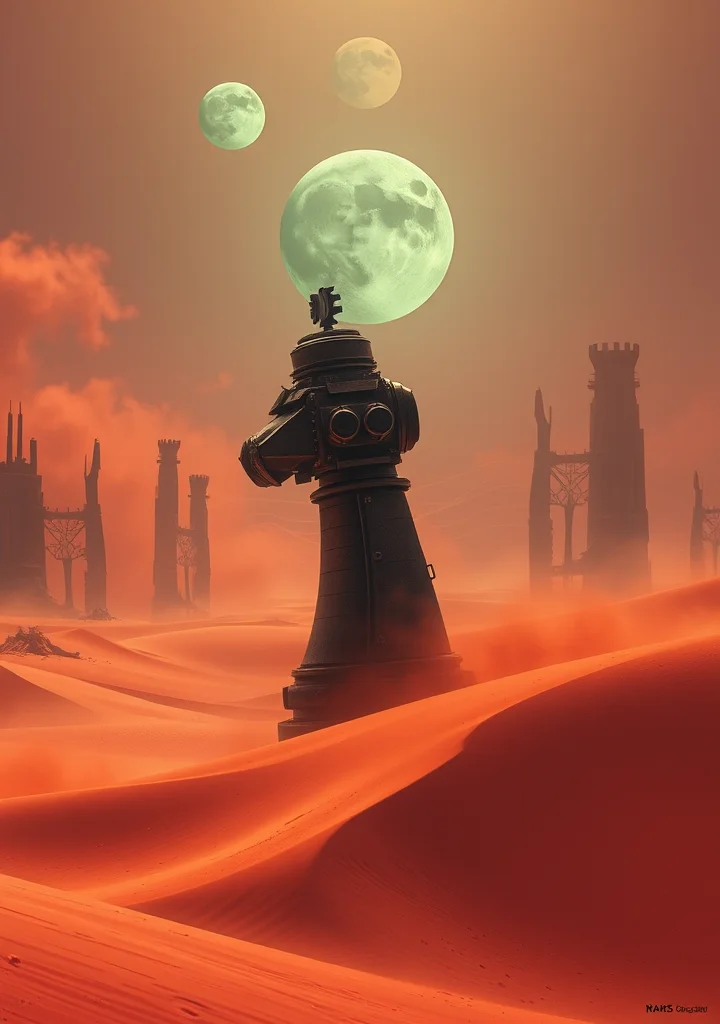
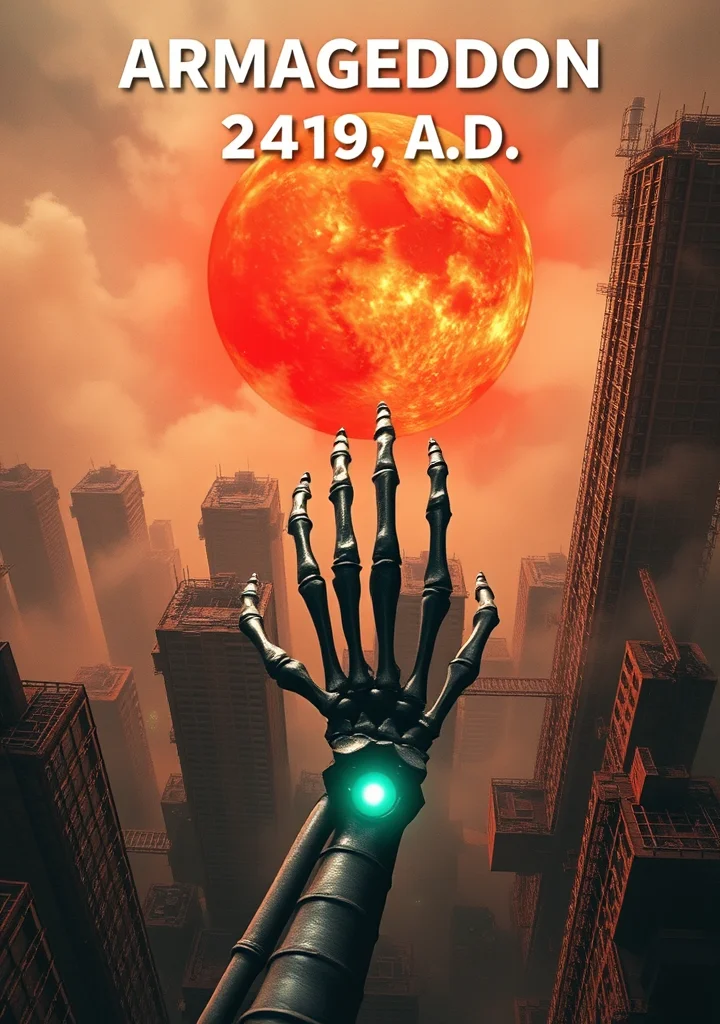
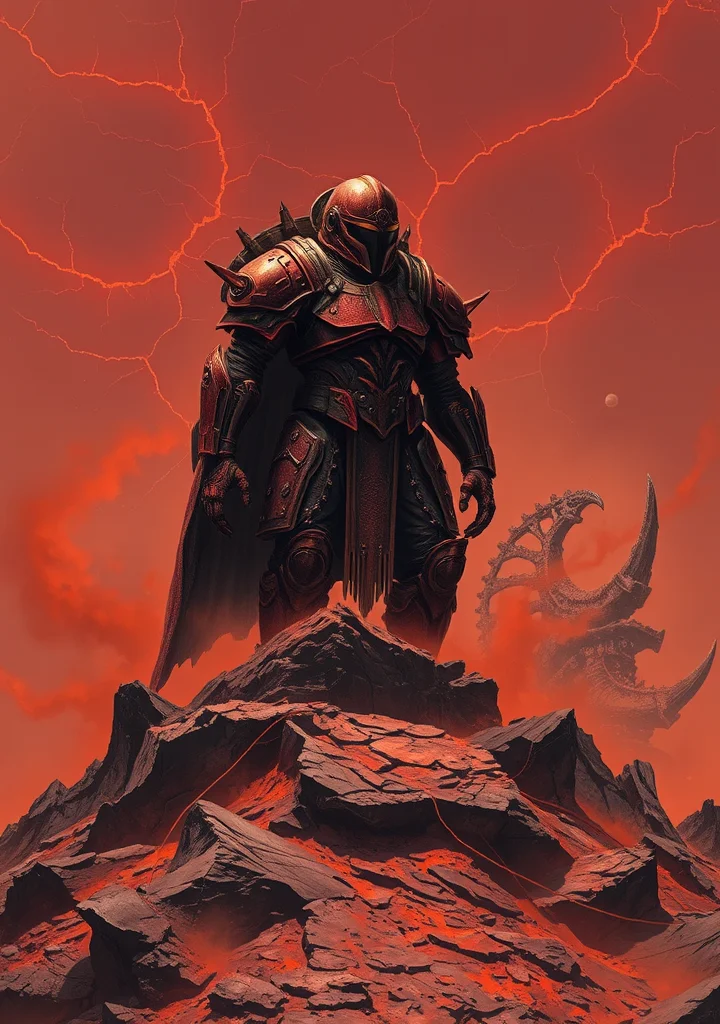
Crimson dust storms swirl around the crumbling cities of Barsoom, haunted by echoes of a forgotten, god-king’s reign. Thuvia, a captive princess of the scarlet desert, is a creature born of both beauty and brutal survival. Her prison isn’t stone and steel, but the gilded cage of a warlord’s desire, a life measured in stolen glances and the slow, creeping decay of hope. Burroughs paints a world where honor is a cracked veneer over savagery, where the air itself tastes of ancient betrayals. The narrative clings to Thuvia like the clinging dust, detailing her desperate bargains with shadowy figures in moonlit canyons, her escape fueled by cunning and the simmering resentment of those she’s wronged. Shadows lengthen with each whispered alliance, each stolen moment of defiance. The story unfolds amidst decaying grandeur, a melancholic dance of power and submission beneath the gaze of two moons. It is a descent into a fractured kingdom where love is a currency of desperation, and freedom is found only in the hollows of a decaying world, haunted by the ghosts of Martian ancestors. Every victory is stained with the ochre of the desert, a reminder that even salvation on Barsoom comes at a terrible cost.
Copyright: Public Domain
This license allows anyone to use your story for any purpose, including printing, selling, or adapting it into a film freely.
Recommended for you
384 Part
A chill wind whispers across the vast, snow-laden estates of Russia, carrying with it the scent of decaying grandeur and unspoken desires. Eugene Onegin unfolds as a spectral lament, a dance between ennui and icy longing. The narrative drifts through opulent St. Petersburg salons and desolate country landscapes, mirroring the fractured heart of its titular anti-hero. A suffocating weight of societal expectation hangs over every gilded ballroom and frozen field, breeding a pervasive melancholy that clings to the ornate interiors like frost. The story unfolds not as a rush of events, but as a slow bleed of regret, observed through the gauze of memory and regret. The characters—polished, brittle, and haunted by their own reflections—move within shadowed chambers and moonlit gardens, their passions stifled by convention. A creeping sense of doom pervades the narrative as love, ambition, and social alienation intertwine, culminating in a tragedy born not of dramatic outburst, but of quiet desperation. The prose itself breathes with the stillness of a winter forest, each phrase meticulously crafted to evoke the cold beauty of the Russian landscape and the frigid indifference of its aristocracy. It is a world of half-tones and whispered secrets, where the shadows lengthen with each passing year and the weight of unfulfilled longing threatens to consume all who dare to seek happiness within its borders. The narrative is less a tale of action, and more a haunting echo of what could have been, lingering in the frosted breath of a forgotten age.


53 Part
A creeping dread clings to Lindores Castle, a stone behemoth shadowed by ancient pines and whispered histories. Within its decaying grandeur, the Lindores sisters – refined, brittle, and bound by a shared, unspoken sorrow – drift through lives as brittle as dried leaves. Each woman, a delicate bloom fading within the suffocating confines of their ancestral home, bears the weight of a past tragedy that stains the very stones with melancholy. The narrative unravels not with grand spectacle, but with the slow, insidious rot of isolation, the suffocating politeness masking a simmering resentment, and the chilling echo of secrets clinging to the castle’s shadowed corners. A sense of mournful expectancy pervades every chamber, as if the Lindores sisters are not merely living, but *waiting* – for revelation, for release, or for the inevitable descent into the same quiet oblivion that claimed their mother. The atmosphere is one of perpetual twilight, where the boundaries between reality and haunting blur, and the scent of decay mingles with the perfume of forgotten grief. Every glance exchanged, every stifled sigh, feels laden with the weight of a lineage cursed to wither within the castle walls, mirroring the slow, inexorable decline of Lindores itself. It is a story steeped in the claustrophobia of inherited sorrow, where the true horror resides not in what is seen, but in what is felt – the icy touch of loneliness and the suffocating silence of a family slowly dissolving into shadow.
25 Part
A creeping dread clings to the chalk-white cliffs of the English coast, mirrored in the fractured psyche of Shagpat. This is a novel of suffocating isolation, of a man bound by a self-imposed exile, his very identity dissolving into the sea mist that swallows his ancestral home. The narrative unfolds not as a progression, but as a slow unraveling, a descent into the labyrinthine corridors of a mind fractured by pride and the weight of inherited expectation. The air is thick with unspoken histories, with the ghostly echoes of Shagpat’s forefathers. Every stone, every shadowed doorway breathes with the suffocating legacy of his lineage. A suffocating claustrophobia pervades the narrative, born not of physical constraint but of a spiritual paralysis. The world outside – the bustling cities, the promises of love – feels distant, unreal, accessible only through the warped lens of Shagpat’s decaying inner world. The novel is steeped in a melancholic beauty, a slow burn of longing and regret. It is a landscape of muted colours, of perpetual twilight, where the boundaries between reality and hallucination blur. A sense of impending doom hangs heavy, not through dramatic plot twists, but through the inexorable erosion of a soul. The reader is immersed in the suffocating silence, the oppressive stillness, and the chilling realization that Shagpat’s true prison is not a place, but a state of being. It is a study in the decay of will, the slow, agonizing dissolution of a man into the very fabric of his desolate inheritance.
110 Part
A creeping fog of decline settles over Lübeck, mirroring the slow, inexorable decay of the Buddenbrook family. Within the opulent, shadowed confines of their merchant house, generations unravel, bound by tradition yet suffocated by its weight. A chill permeates the ornate rooms, not of winter, but of a creeping malaise—a spiritual exhaustion that clings to velvet curtains and polished mahogany. The scent of almonds and decay hangs heavy in the air, a subtle poison seeping into the veins of each heir. Each chapter unfolds like a funeral procession, hushed and dignified, yet laced with a subtle, suffocating dread. The city itself becomes a character—its canals reflecting the family's fading fortunes, its cobbled streets echoing with the ghosts of ambition and lost vitality. A profound loneliness permeates the narrative, a sense of being entombed alive within a legacy of prosperity. The narrative is not one of dramatic catastrophe, but of a quiet unraveling, a slow erosion of will masked by polite society’s rigid formality. The characters move through their lives as though in a dream, haunted by the specter of what once was—their faces pale and drawn, their voices laced with a melancholy that clings like the damp sea air. The weight of expectation, the burden of inheritance, become visible as a spectral presence in every room, a chilling reminder of the inevitability of dissolution. The novel breathes with the scent of dust, of old money, of secrets whispered in darkened hallways, and the slow, agonizing realization that even the most solid foundations can crumble into nothingness.