
-
Read 821
-
0
-
Part 57
Completed, First published Mar 02, 2026
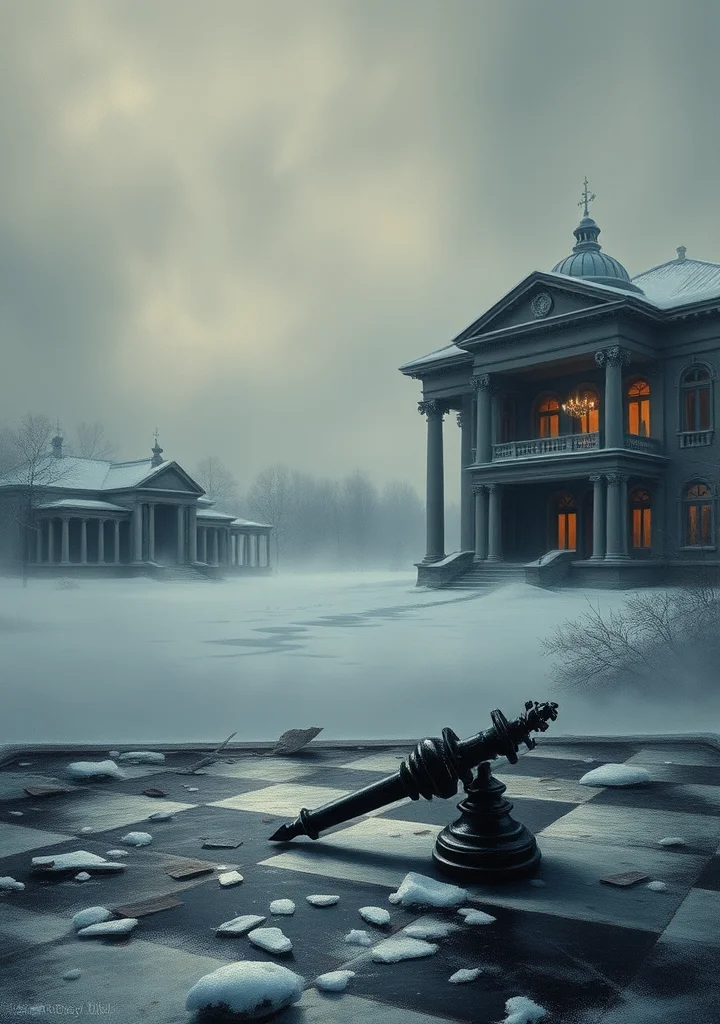
A creeping dread clings to the dew-soaked fields of early England, a pastoral decay masking the rot beneath. The narrative unfolds as a fever dream of a lost generation, haunted by the phantom thrill of the chase—not of foxes, but of vanished purpose. Sassoon doesn’t chronicle hunts; he dissects the brittle bones of a man unraveling amidst the dying embers of a gilded age. Each recalled gallop, each crimson splash of blood, is less a sporting event than a slow, agonizing bleed of memory. The fox, a spectral emblem of rebellion and untamed desire, becomes a dark mirror reflecting the protagonist’s own fractured will.
The prose itself is a miasma, thick with the scent of damp wool and decaying earth. A melancholic fog settles over the estate, obscuring not just the landscape but the very lines between reality and obsession. The hunts themselves are rendered not as exhilarating pursuits, but as morbid rituals—a descent into a self-imposed wilderness where the boundaries between hunter and hunted, man and beast, blur into a suffocating, elegiac gray. It is a landscape steeped in the scent of regret, where the pursuit is not of a fox, but of a ghost—the specter of a life that never quite bloomed, strangled by the thorns of a forgotten grief. The manor houses loom like mausoleums, echoing with the hollow cries of a man adrift in a world that has already begun to crumble.
Copyright: Public Domain
This license allows anyone to use your story for any purpose, including printing, selling, or adapting it into a film freely.
This license allows anyone to use your story for any purpose, including printing, selling, or adapting it into a film freely.
Chapter List
-
« Memoirs of a Foxhunting Man »📖 Continue Reading
-
« Prefatory Note »
-
« Memoirs of a Foxhunting Man »
-
« I »
-
« I »
-
« II »
-
« III »
-
« IV »
-
« V »
-
« VI »
-
« VII »
-
« II »
-
« I »
-
« II »
-
« III »
-
« III »
-
« I »
-
« II »
-
« III »
-
« IV »
-
« V »
-
« IV »
-
« I »
-
« II »
-
« III »
-
« V »
-
« I »
-
« II »
-
« III »
-
« IV »
-
« VI »
-
« I »
-
« II »
-
« III »
-
« IV »
-
« VII »
-
« I »
-
« II »
-
« III »
-
« IV »
-
« VIII »
-
« I »
-
« II »
-
« III »
-
« IV »
-
« IX »
-
« I »
-
« II »
-
« III »
-
« IV »
-
« X »
-
« I »
-
« II »
-
« III »
-
« IV »
-
« V »
-
« VI »
57
-
« Memoirs of a Foxhunting Man »
-
« Prefatory Note »
-
« Memoirs of a Foxhunting Man »
-
« I »
-
« I »
-
« II »
-
« III »
-
« IV »
-
« V »
-
« VI »
-
« VII »
-
« II »
-
« I »
-
« II »
-
« III »
-
« III »
-
« I »
-
« II »
-
« III »
-
« IV »
-
« V »
-
« IV »
-
« I »
-
« II »
-
« III »
-
« V »
-
« I »
-
« II »
-
« III »
-
« IV »
-
« VI »
-
« I »
-
« II »
-
« III »
-
« IV »
-
« VII »
-
« I »
-
« II »
-
« III »
-
« IV »
-
« VIII »
-
« I »
-
« II »
-
« III »
-
« IV »
-
« IX »
-
« I »
-
« II »
-
« III »
-
« IV »
-
« X »
-
« I »
-
« II »
-
« III »
-
« IV »
-
« V »
-
« VI »
More like this