
-
Read 360
-
0
-
Part 24
Completed, First published Mar 02, 2026
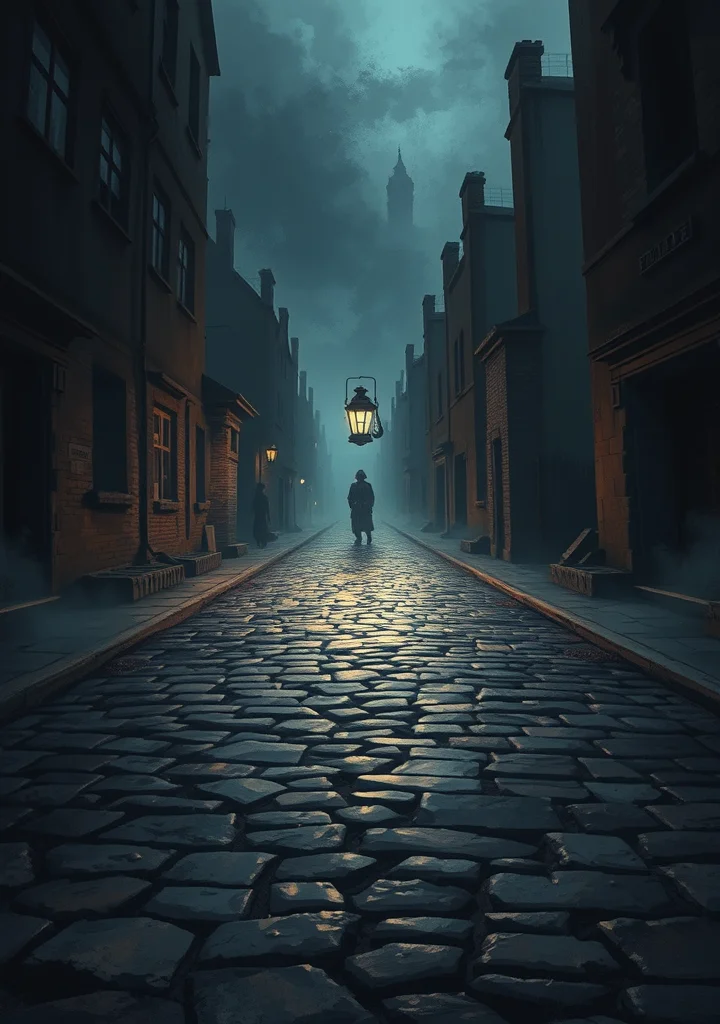
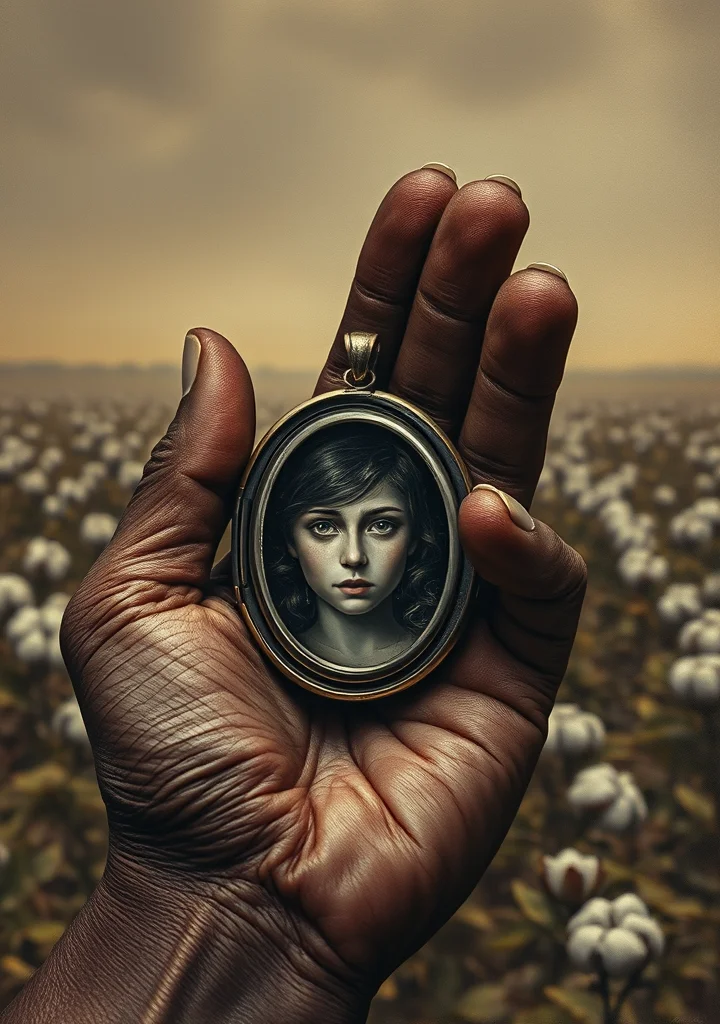
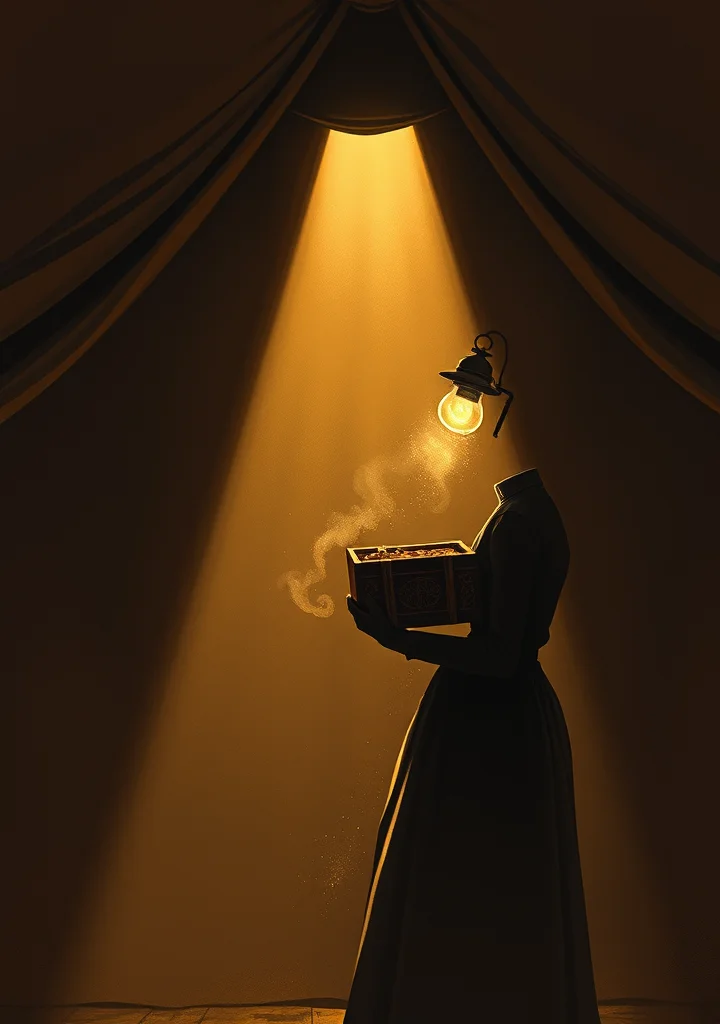
Dust motes dance in the lamplight as Mrs. Seacole’s shadow stretches long across the Crimean plains. Though lauded for her healing hands, a deeper current pulls at the edges of her story—a current of shadowed journeys not just across battlefields, but through the haunted interiors of colonial desires. This is not a chronicle of mere aid, but a procession of doorways glimpsed in transit: fever-dreamed ports of Jamaica, the stifled grief of the Indian Raj, the echoing silence of a woman adrift between worlds. Each act of kindness, each poultice applied, feels less a balm and more a ward against something unseen, a spectral chill that clings to the very linen she folds. The scent of carbolic acid mingles with the perfume of decaying orchids, a fragrance both medicinal and mournful. Her medicine chest isn’t just filled with remedies, but with fragments of forgotten gods, whispered cures gleaned from lands steeped in ancient sorrow. The very land she walks upon seems to exhale a sigh of forgotten histories, and the faces she tends bear the hollowed look of those who’ve already begun to fade into the grey. Even her triumphs are tinged with the ochre of decay, a gilded cage around a heart that remembers too much, too keenly. She’s not merely passing *through* these lands, but being slowly *absorbed* by them, becoming a phantom limb of the empire’s rotting core.
Copyright: Public Domain
This license allows anyone to use your story for any purpose, including printing, selling, or adapting it into a film freely.
This license allows anyone to use your story for any purpose, including printing, selling, or adapting it into a film freely.
Chapter List
-
« Wonderful Adventures ofMrs.Seacole in Many Lands »📖 Continue Reading
-
« Chapter_3 »
-
« To the Reader »
-
« Wonderful Adventures ofMrs.Seacole in Many Lands »
-
« Chapter_6 »
-
« Chapter_7 »
-
« Chapter_8 »
-
« Chapter_9 »
-
« Chapter_10 »
-
« Chapter_11 »
-
« Chapter_12 »
-
« Chapter_13 »
-
« Chapter_14 »
-
« Chapter_15 »
-
« Chapter_16 »
-
« Chapter_17 »
-
« Chapter_18 »
-
« Chapter_19 »
-
« Chapter_20 »
-
« Chapter_21 »
-
« Chapter_22 »
-
« Chapter_23 »
-
« Chapter_24 »
-
« Conclusion »
24
-
« Wonderful Adventures ofMrs.Seacole in Many Lands »
-
« Chapter_3 »
-
« To the Reader »
-
« Wonderful Adventures ofMrs.Seacole in Many Lands »
-
« Chapter_6 »
-
« Chapter_7 »
-
« Chapter_8 »
-
« Chapter_9 »
-
« Chapter_10 »
-
« Chapter_11 »
-
« Chapter_12 »
-
« Chapter_13 »
-
« Chapter_14 »
-
« Chapter_15 »
-
« Chapter_16 »
-
« Chapter_17 »
-
« Chapter_18 »
-
« Chapter_19 »
-
« Chapter_20 »
-
« Chapter_21 »
-
« Chapter_22 »
-
« Chapter_23 »
-
« Chapter_24 »
-
« Conclusion »
More like this