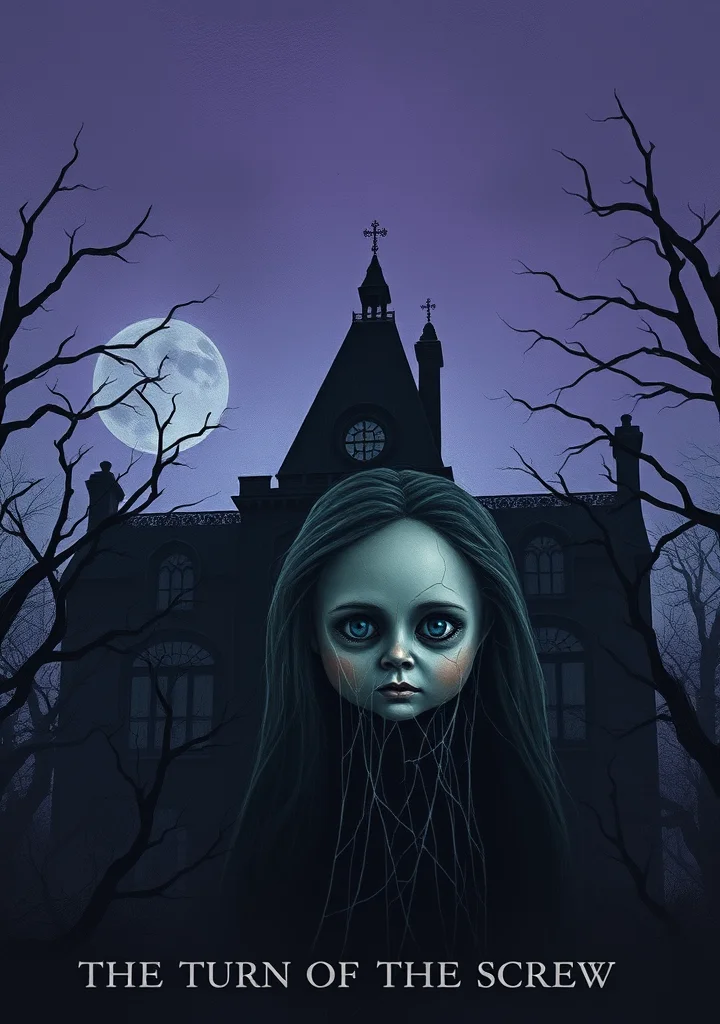

The Turn of the Screw
  • 161
  • 0
  • 26
  • Reads 161
  • 0
  • Part 26
Completed, First published Mar 02, 2026

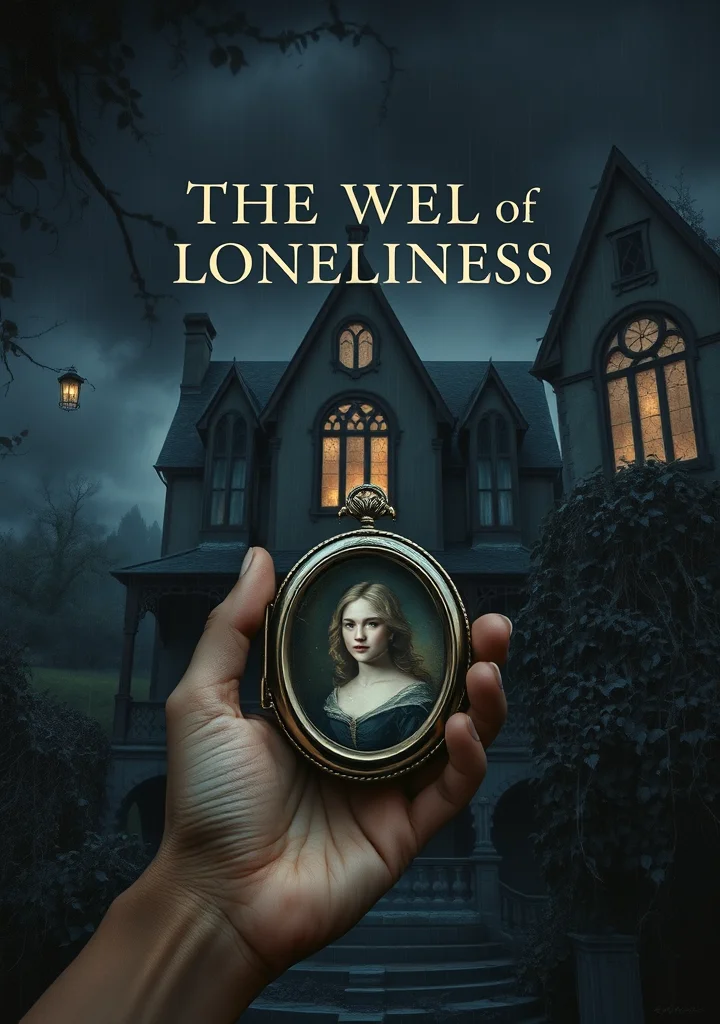
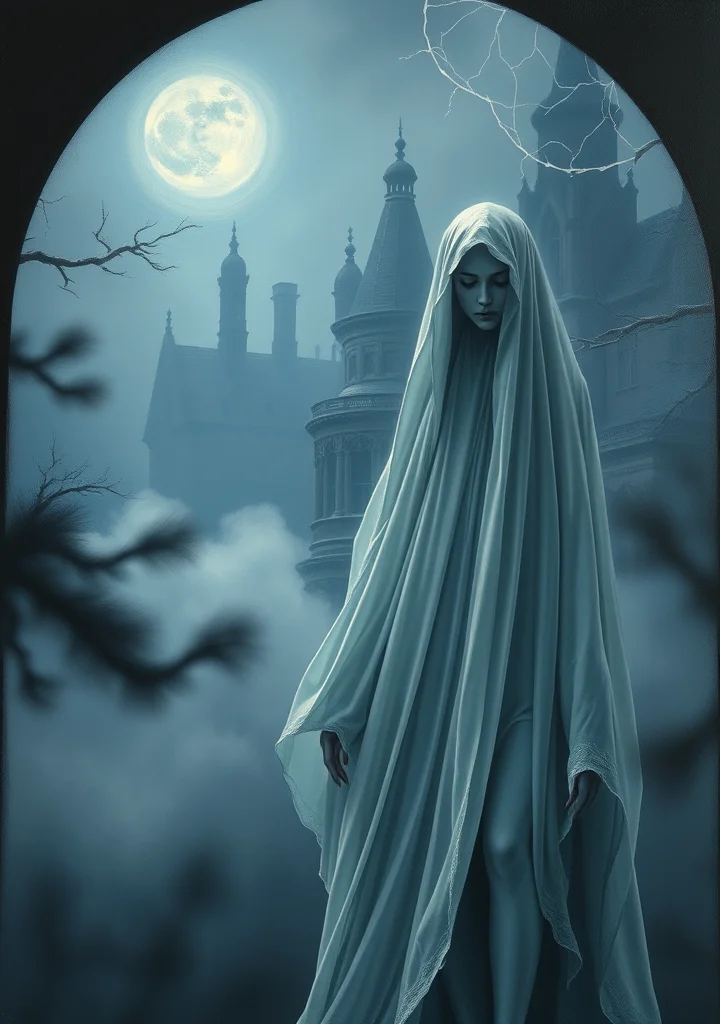
A creeping dread clings to the shadowed halls of Bly, a desolate estate swallowed by perpetual November. The air itself feels haunted, thick with the unspoken fears of children and the chill of a governess desperate to ward off something unseen. A fractured narrative unfolds, brittle as winter branches, where innocence and corruption blur in a suffocating dance. The narrative isn't merely *about* ghosts, but *becomes* one—a spectral presence seeping from the pages, mirroring the governess’s descent into paranoia. Every rustle of leaves, every flicker of candlelight, amplifies the unnerving sense of being watched by forces both earthly and infernal. Bly is a prison of the mind, where the line between reality and hallucination dissolves in the oppressive silence. The story doesn't offer answers, only the echoing weight of what might be, leaving the reader suspended in a perpetual twilight of uncertainty, haunted long after the final page is turned by the suggestion of evil lurking in the darkest corners of the human heart. It is a story steeped in a suffocating claustrophobia, where the true horror resides not in what is seen, but in the terrifying possibility of what is imagined.
Copyright: Public Domain
This license allows anyone to use your story for any purpose, including printing, selling, or adapting it into a film freely.
Recommended for you
22 Part
A suffocating heat clings to the Louisiana bayou, thick with Spanish moss and the ghosts of fortunes lost. Leblanc weaves a tale where the line between predator and prey dissolves into the humid air. Old money, stained crimson with secrets, bleeds from crumbling plantation houses. The scent of jasmine and decay hangs heavy as a disgraced detective, haunted by his own failures, is drawn into a missing heir case. But this isn’t simply disappearance; it’s a vanishing into something ancient and hungry that dwells in the cypress knees and shadowed waterways. Each investigation feels like peeling back layers of Spanish lace to reveal something writhing beneath – a legacy of voodoo, avarice, and the brutal inheritance of a family whose wealth was built on teeth. The tiger isn't merely a beast of the swamp, but a symbol of the hunger that consumes the living, leaving only bone-white grins in the darkness. The narrative crawls with a creeping dread, a sense of being watched by something both feral and refined. Every whisper of wind through the sugarcane fields carries the echo of a curse, and the bayou itself seems to conspire to keep its secrets submerged. The air grows viscous with the possibility of violence, a slow-boiling tension that culminates in a confrontation with a darkness that has rooted itself within the very soil of the land. It's a story where the rot is not just in the cypress trees, but in the bloodlines themselves.
17 Part
A creeping fog of moral decay clings to the damp cobblestones of 19th-century Europe, mirroring the rot within Winston Churchill’s protagonist, Marlow. Not a tale of daring exploits, but of insidious compromise, of a man hollowed by the weight of a nation’s secrets. The narrative coils like a serpent in the dim parlors of London and the shadowed cafes of Geneva, each whispered confidence a tightening noose. Marlow isn’t merely tasked with espionage; he’s consumed by it, his very identity dissolving into the guise of another’s ambition. The true horror isn’t the plot itself, but the glacial erosion of the soul. Conrad doesn’t offer spectacle, but a suffocating claustrophobia born of suspicion, the constant awareness of being observed, of being a puppet strung along threads of power. Every encounter is veiled in politeness, yet vibrates with a cold, predatory intent. The prose itself is a deliberate, slow burn, mirroring the deliberate pace of the agent’s infiltration. Expect not grand chases or explosive reveals, but the insidious bloom of disillusionment. The novel’s true darkness isn’t found in what is done, but in the casual, almost clinical acceptance of its necessity. It’s a descent into a world where honour is a currency debased by necessity, and where the very act of witnessing leaves its mark like a brand upon the heart. The air hangs heavy with the scent of stale tobacco and unspoken bargains, a chilling premonition of the century's coming shadows.


73 Part
Dust motes dance in the perpetual twilight of abandoned mills and shadowed bakeries. A creeping dread clings to the cobblestones, not of starvation’s gnaw, but of a cold, methodical dismantling of habit. This is not a tale of revolution’s fire, but of its slow, fungal growth within the bones of a dying world. Kropotkin’s vision isn’t one of barricades and blood, but of a silent, relentless erosion of ownership, a reclamation not through violence, but through the ghostly presence of communal need. The narrative exhales a peculiar stillness, like a mausoleum filled with the scent of rising dough and the whispers of forgotten hands. Each chapter unfolds as a spectral blueprint of a possible future, sketched in the dim light of necessity. It’s a world where the boundaries between labour and leisure dissolve into a perpetual, aching grey, where the very act of sharing becomes a haunting ritual. There's a chilling beauty in the prose, a meticulous accounting of resources that feels less like instruction and more like an incantation. The atmosphere is one of damp earth, the metallic tang of tools left to rust, and the unnerving quietude of fields yielding not to a lord, but to the communal breath of those who understand the earth’s yielding is not conquest, but communion. The book doesn’t promise liberation, it presents a slow, unsettling haunting of the old order, a creeping tendril of possibility that leaves one wondering if the ghosts of hunger have finally found their bread.