
The Gambler
  • 125
  • 0
  • 19
  • Reads 125
  • 0
  • Part 19
Completed, First published Mar 02, 2026

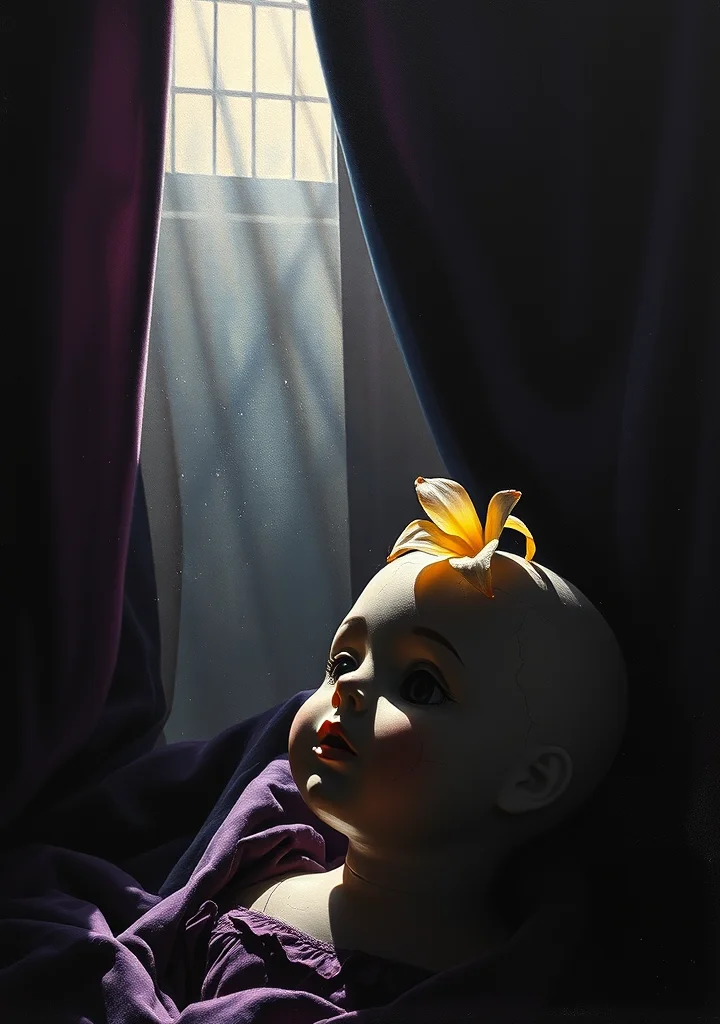
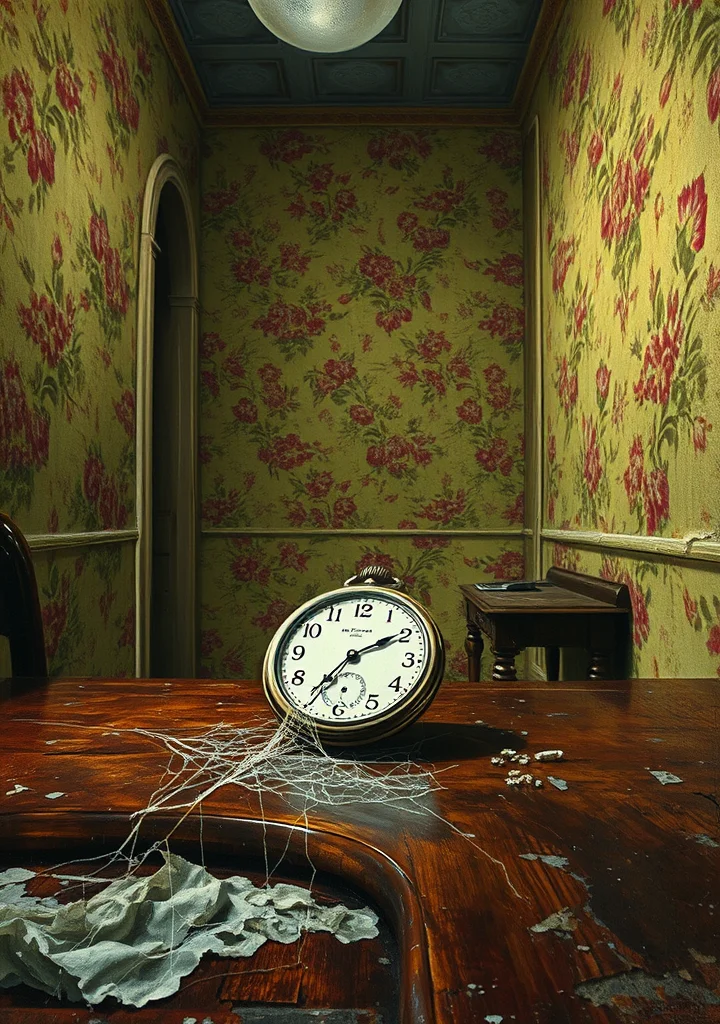
A suffocating St. Petersburg winter clings to every page, mirroring the icy desperation gripping Alexei’s soul. The narrative unfolds not as a story of chance, but of predation – a slow, deliberate unraveling witnessed through feverish, hypnotic prose. Each roulette spin is less a gamble and more a surrender, a voluntary descent into the gilded rot of the casino’s shadowed heart. The air itself thickens with the scent of stale perfume, desperation, and the phantom touch of ruin. Dostoevsky doesn’t linger on the mechanics of the game, but on the *absence* within Alexei: the hollowed-out gaze, the twitching hands, the parasitic hope feeding on his inherited grief. The narrative is a suffocating claustrophobia, mirroring the gambler's increasing confinement within the orbit of Polina’s glacial indifference. It’s a narrative steeped in the sickly-sweet perfume of decay, where every calculated risk is a further erosion of Alexei’s moral foundation, leaving him suspended in a perpetual twilight between lucidity and the madness of obsession. The true stakes aren’t measured in rubles, but in the fragments of a shattered soul, laid bare for vultures circling in the echoing, desolate chambers of the Russian heart. A pervasive dread seeps from the pages, a cold premonition of the inevitable collapse – not of fortunes, but of a man's very being.
Copyright: Public Domain
This license allows anyone to use your story for any purpose, including printing, selling, or adapting it into a film freely.
Recommended for you
33 Part
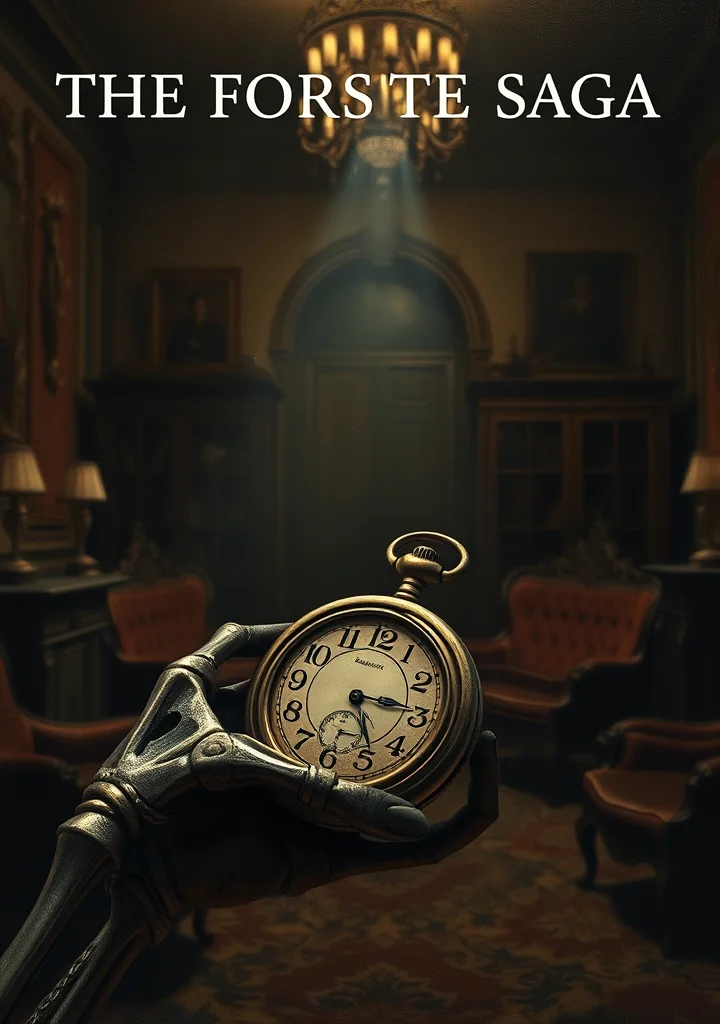
A suffocating fog clings to the cobbled streets of late Victorian London, mirroring the moral decay that festers within its gilded drawing rooms. The Gadfly, Caradoc James, is a phantom of righteous fury, a man deliberately constructed as a thorn in the side of a complacent society. He doesn’t preach revolution; he *becomes* its sting, whispering dissent into the ears of the disillusioned, the betrayed, and the quietly desperate. His touch is one of icy precision, dissecting the hypocrisy of the powerful with surgical precision, leaving behind only the echoing chill of exposed wounds. The narrative unfolds in shadowed parlours and suffocatingly opulent estates, steeped in the scent of decaying lilies and regret. Voynich doesn’t focus on grand political machinations, but on the insidious erosion of individual spirit under the weight of societal expectation. Each act of defiance, each carefully placed revelation, is less a triumph and more a haunting lament—a slow, deliberate unraveling of faith and innocence. The air is thick with secrets, with the stifled cries of women trapped within gilded cages, with the silent bargains struck in darkened corridors. A creeping sense of claustrophobia pervades, not from physical confinement, but from the suffocating weight of unspoken truths. The Gadfly himself is less a man than a contagion, spreading his unsettling influence through a network of whispers and shadowed glances. His legacy isn’t liberation, but a pervasive unease—a realization that the foundations of this meticulously constructed world are built on a bedrock of lies. It is a darkness that doesn't merely threaten to consume, but to quietly, irrevocably *transform*.
16 Part
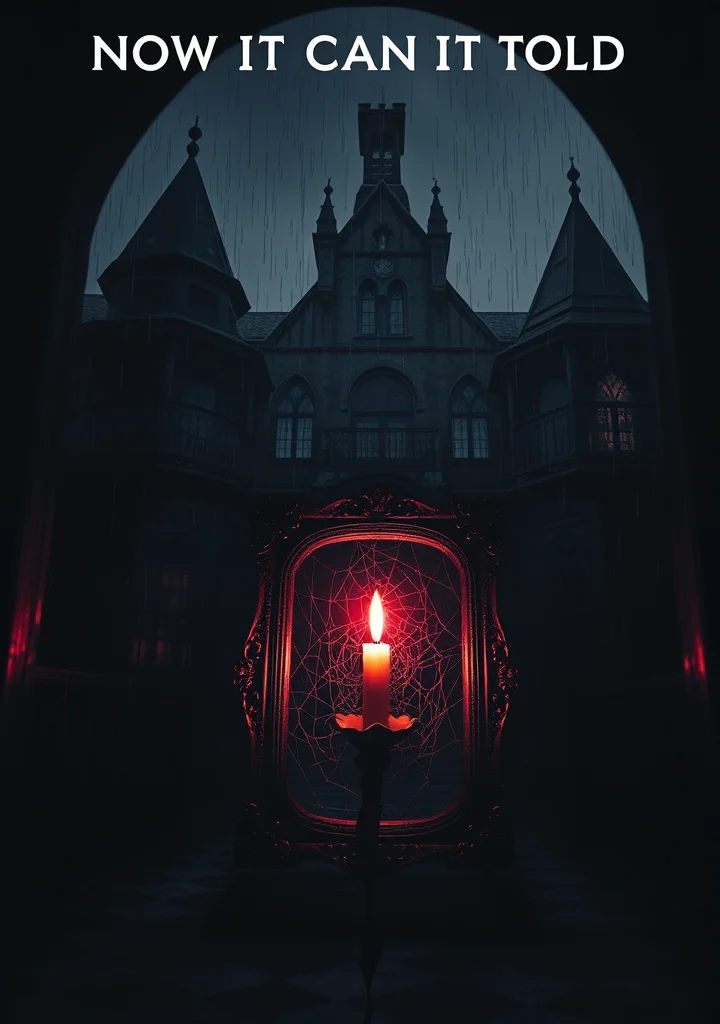
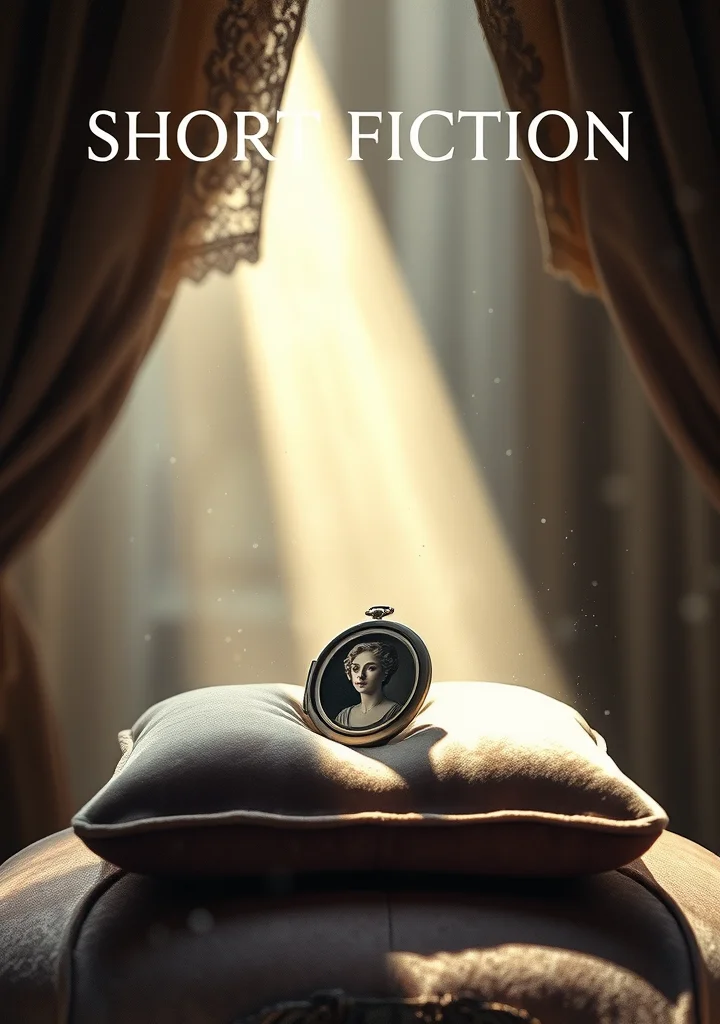
A creeping dread clings to the Yorkshire moors, mirroring the decay within Ravensthorpe Manor. The estate, a skeletal silhouette against perpetual twilight, holds a silence thicker than the November fog—a silence punctuated only by the frantic whispers of servants and the brittle coughs of its ailing master, Sir Alistair. He is a man haunted by shadows, both real and imagined, obsessed with uncovering a family curse tied to a missing heir and a portrait whose eyes seem to follow every movement. The narrative unfolds through fragmented diary entries and feverish accounts from those trapped within Ravensthorpe’s stone embrace. Each revelation unravels not a solution, but another layer of suffocating grief and ancestral guilt. The scent of damp earth and dying roses permeates every room, clinging to the velvet drapes and tarnished silver. A suffocating claustrophobia settles over the reader as the investigation descends into a labyrinth of secret passages, forgotten crypts, and the chilling echoes of past tragedies. The manor itself is a character, breathing with a malevolent history. Rain lashes against the leaded windows, mirroring the tempest brewing within the hearts of those who dare to seek the truth. But the truth, when it finally surfaces, is not a grand revelation, but a splintering of sanity, a descent into the madness that has always festered within Ravensthorpe’s walls. It is a tragedy not merely witnessed, but inhaled—a slow, insidious poisoning of the soul.