
A Room With a View
  • 95
  • 0
  • 23
  • Reads 95
  • 0
  • Part 23
Completed, First published Mar 02, 2026

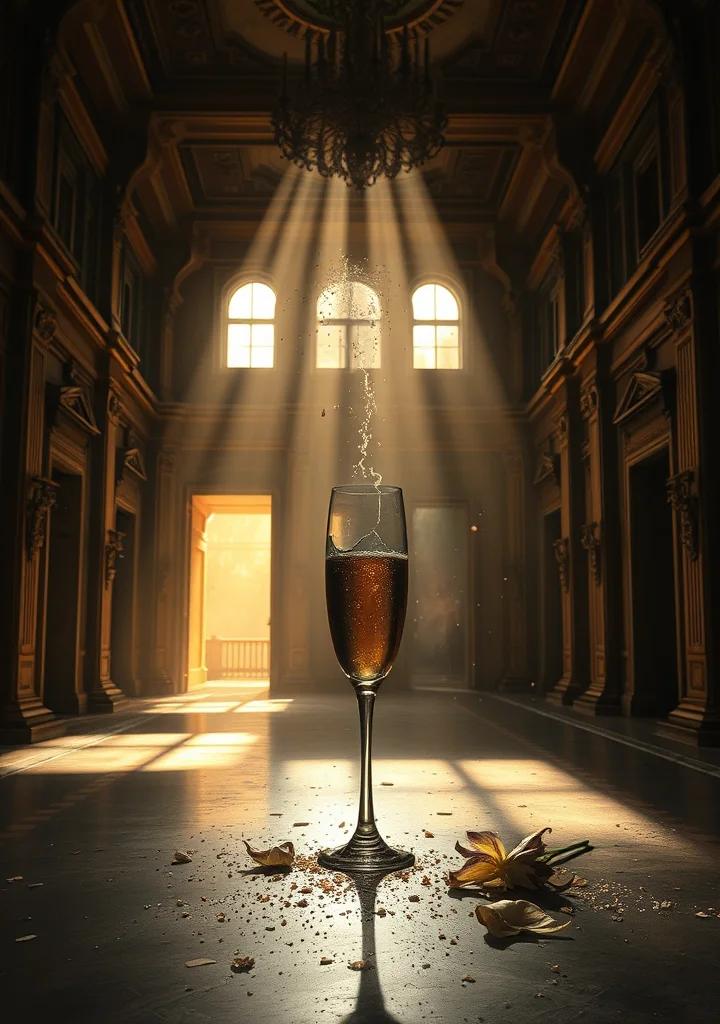
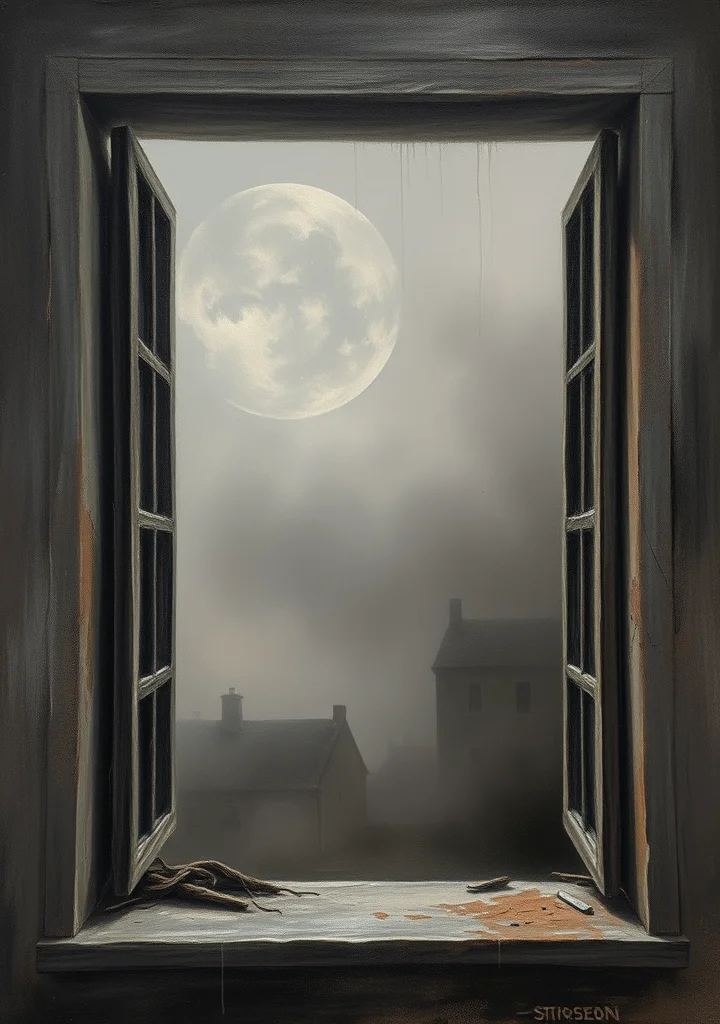
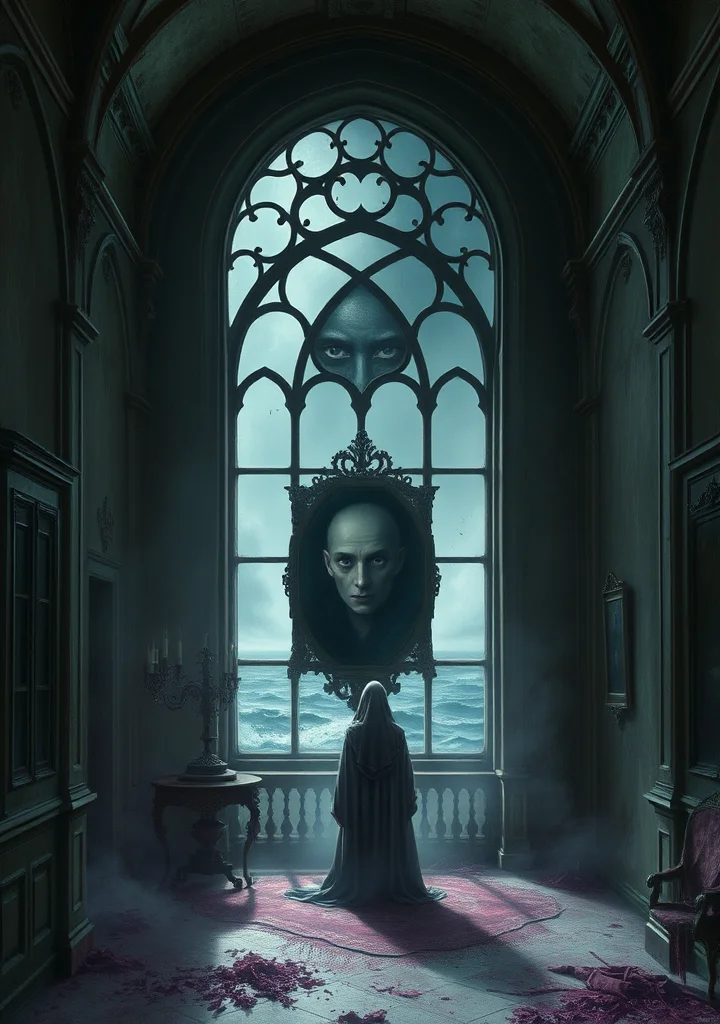
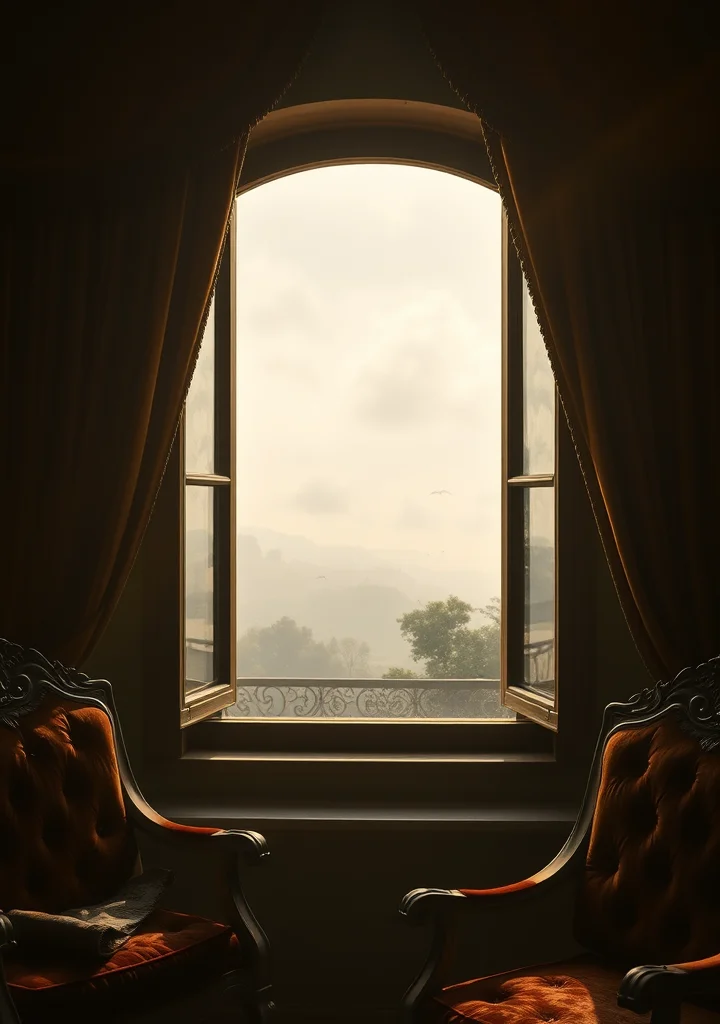
Dust motes dance in the perpetual twilight of Italian villas, mirroring the fractured light within Lucia’s own soul. A stifled inheritance, a borrowed view, and the suffocating weight of expectation cling to her like the scent of jasmine on a humid night. This is not a story of simple romance, but of a creeping unease—a claustrophobic unraveling within gilded cages. The Florentine sun bleeds into the shadows of ancestral portraits, each gaze a silent accusation. A hesitant touch, a stolen glance, are rendered monstrous by the rigid boundaries of Edwardian society. The air thickens with unspoken desires, echoing in the echoing halls of privilege. But beyond the marble and the manicured gardens, a primal, untamed landscape whispers—a wildness Lucia discovers not in the sun-drenched piazzas, but in the shadowed corners of her own burgeoning self. It’s a slow suffocation, this awakening, born not of passion, but of a yearning to breathe beyond the confines of a predetermined fate. The view, ultimately, is not of Italy, but of the fractured, exquisite fragility of a heart caught between worlds—a room not with a view, but *in* a view, forever framed and observed.
Copyright: Public Domain
This license allows anyone to use your story for any purpose, including printing, selling, or adapting it into a film freely.
Recommended for you
56 Part
A creeping dread clings to the shadowed lanes surrounding Wildfell Hall, a manor steeped in rumour and whispered anxieties. The narrative unfolds through the anxious observations of a young gentleman drawn into the isolated community, but quickly becomes consumed by the mystery of its reclusive mistress, Helen. She arrives fleeing a monstrous secret, a husband whose depravity festers within the confines of their marriage. The Hall itself breathes with a history of decay, a gothic fortress concealing not merely stone and timber, but the unraveling of a woman’s spirit. The story is one of entrapment—not within walls, but within a marriage that slowly poisons the soul. Helen’s diary, unearthed like a tomb’s unearthed remains, reveals a descent into darkness, fuelled by alcohol-soaked brutality and the insidious erosion of self-worth. Every shadowed room, every stolen glance, echoes with the suffocating weight of a life slowly extinguishing under the weight of a monstrous devotion. The landscape mirrors the internal torment; bleak moors and desolate farmhouses reflect the emotional barrenness of her existence. A relentless tension builds, punctuated by the chilling details of her husband’s escalating cruelty, until the reader is left gasping with Helen, trapped within a nightmare of domestic horror. It is a tale of escape, yes, but the price of freedom is etched in scars both visible and unseen, leaving Wildfell Hall a monument to the harrowing power of abuse and the desperate will to survive.

19 Part
A suffocating Madrid summer hangs heavy with dust and discontent. The novel breathes with the stifled ambitions of its characters, clinging to the shadowed alcoves of a city poised between old grandeur and creeping modernity. Galdós doesn’t offer spectacle, but a slow, insidious unraveling—a rot beneath the polished veneer of bourgeois life. The narrative coils around the fractured idealism of Don Ramón, a man adrift in the aftermath of political turmoil, haunted by the ghosts of republican fervor and the weight of unfulfilled potential. Every encounter is a stifled confession, every room a stage for quiet desperation. Sunlight bleeds through shuttered windows, illuminating not warmth, but the lingering residue of regret. The scent of decaying flowers, of stale ambition, permeates the air. It’s a novel of interiors—claustrophobic apartments, dimly lit cafes—where characters are trapped not by bars, but by the invisible architecture of social expectation. A creeping sense of dread settles over the reader as the narrative descends into the labyrinthine streets of Madrid, mirroring Don Ramón’s descent into self-doubt and disillusionment. The city itself is a character, its labyrinthine alleys echoing with the murmur of lost causes and the silent weight of unspoken desires. It’s a portrait of a man unraveling, mirroring a city slowly suffocating under its own ambitions. The atmosphere is one of oppressive heat, stifled voices, and the pervasive scent of decay—a Madrid steeped in melancholy, where even the brightest days are shadowed by the specter of failure.