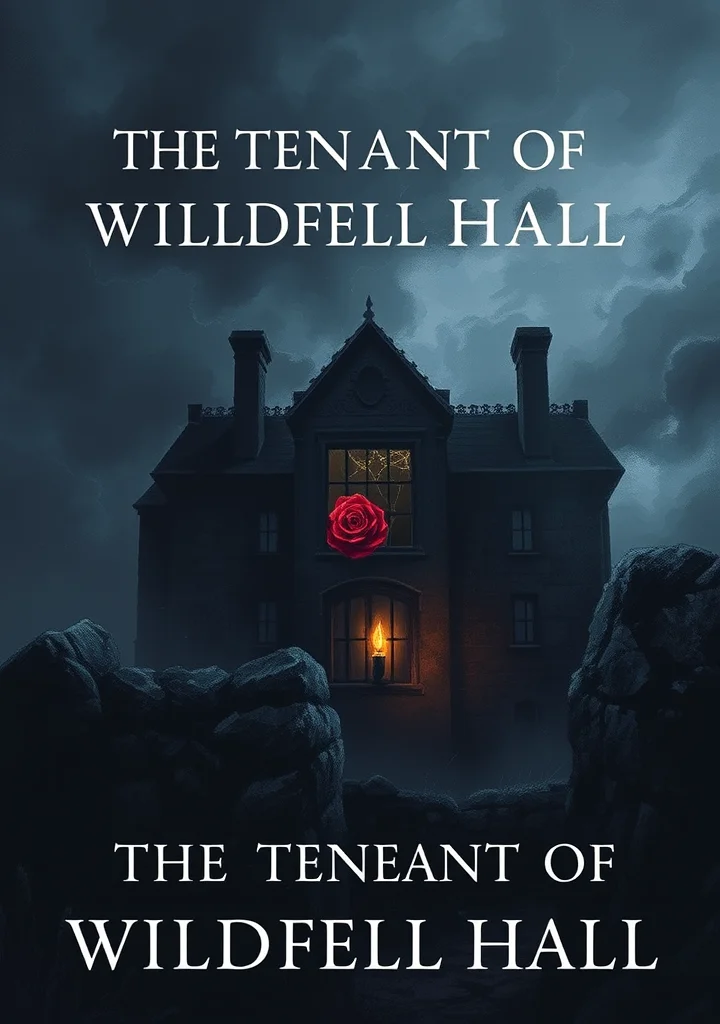

The Tenant of Wildfell Hall
  • 290
  • 0
  • 56
  • Reads 290
  • 0
  • Part 56
Completed, First published Mar 02, 2026

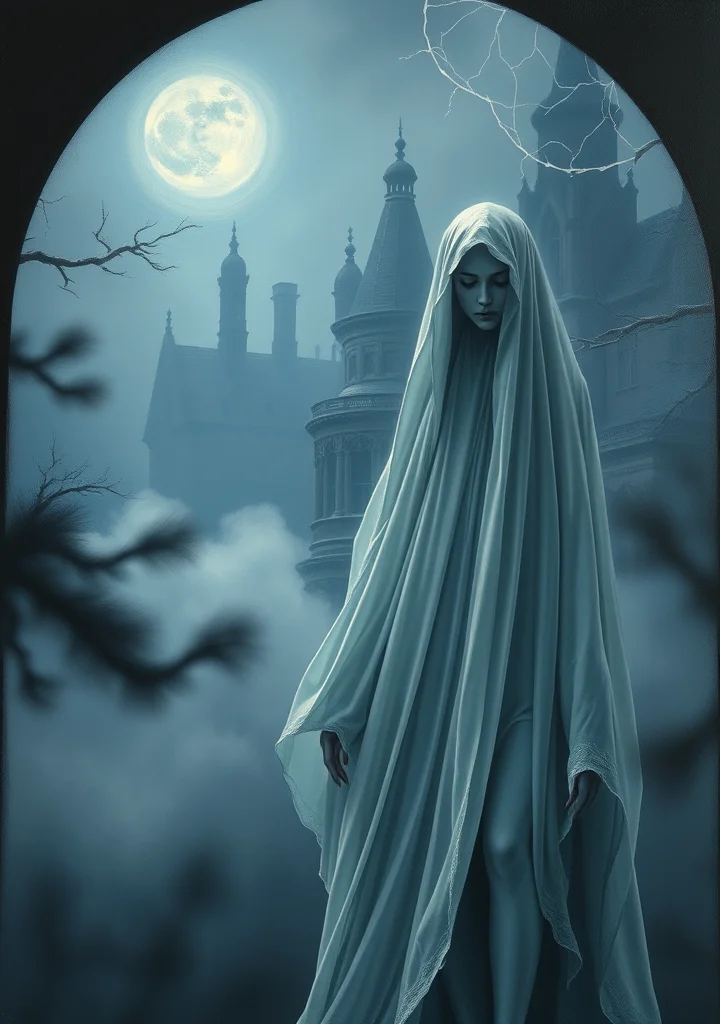
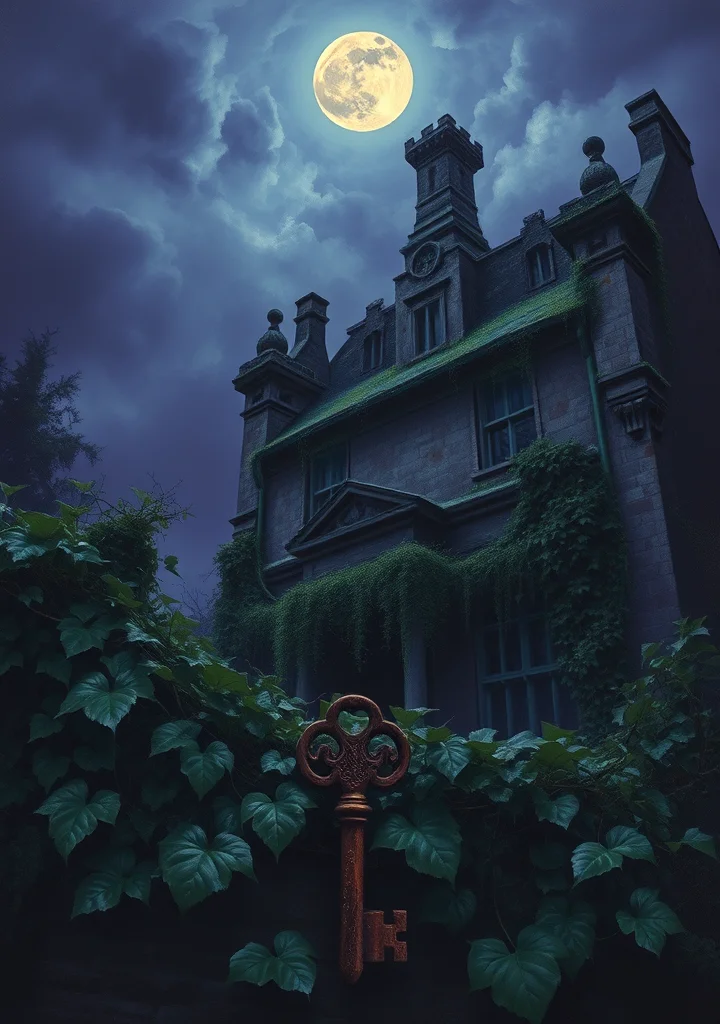
A creeping dread clings to the shadowed lanes surrounding Wildfell Hall, a manor steeped in rumour and whispered anxieties. The narrative unfolds through the anxious observations of a young gentleman drawn into the isolated community, but quickly becomes consumed by the mystery of its reclusive mistress, Helen. She arrives fleeing a monstrous secret, a husband whose depravity festers within the confines of their marriage. The Hall itself breathes with a history of decay, a gothic fortress concealing not merely stone and timber, but the unraveling of a woman’s spirit. The story is one of entrapment—not within walls, but within a marriage that slowly poisons the soul. Helen’s diary, unearthed like a tomb’s unearthed remains, reveals a descent into darkness, fuelled by alcohol-soaked brutality and the insidious erosion of self-worth. Every shadowed room, every stolen glance, echoes with the suffocating weight of a life slowly extinguishing under the weight of a monstrous devotion. The landscape mirrors the internal torment; bleak moors and desolate farmhouses reflect the emotional barrenness of her existence. A relentless tension builds, punctuated by the chilling details of her husband’s escalating cruelty, until the reader is left gasping with Helen, trapped within a nightmare of domestic horror. It is a tale of escape, yes, but the price of freedom is etched in scars both visible and unseen, leaving Wildfell Hall a monument to the harrowing power of abuse and the desperate will to survive.
Copyright: Public Domain
This license allows anyone to use your story for any purpose, including printing, selling, or adapting it into a film freely.
Chapter List

56

Recommended for you
82 Part
A creeping dread clings to the shadowed corners of Sybil, a novel steeped in the miasma of industrial England’s decay. The narrative exhales a perpetual twilight, where soot-stained brick and crumbling mills mirror the fractured souls within. Disraeli doesn't offer mere poverty, but a spectral haunting of ambition, of a nation consuming itself. Sybil, the eponymous ward, drifts through a landscape of feverish unrest – a phantom flitting between the opulent indifference of the aristocracy and the ravenous hunger of the working class. The story unfolds not as a progression, but as an erosion. Each encounter, each act of charity or cruelty, feels carved from the same granite despair. A suffocating claustrophobia pervades, born not of physical confinement, but of the relentless, grinding monotony of lives lived in the shadow of the furnace. The language itself is a pallid imitation of grandeur, echoing with the hollowness of privilege. Expect not soaring romance, but the slow, agonizing unraveling of hope. The novel breathes with the chill of damp stone, the metallic tang of blood and coal dust. It’s a world where every smile is a brittle facade, every kindness laced with the bitter knowledge of its futility. A darkness, not of supernatural design, but of systemic fracture—a creeping rot that consumes the heart of England itself. The air thickens with the weight of unfulfilled promises, and the shadows lengthen with each passing, suffocating hour.
13 Part
A creeping mist clings to the borders of the forgotten continent, where three men—Van, Terry, and Jeff—dare to venture into a realm whispered about only in the fever dreams of sailors. This is Herland, a land populated solely by women, born of an ancient, impossible isolation. But the silence is not peaceful. It’s a suffocating weight, pressing down on the explorers as they discover a society built not on conquest or domination, but on an unnervingly serene, biological perfection. The air itself tastes of fecundity and decay, a sweet rot blooming in the humid shadows of colossal, vine-choked trees. Each encounter with the Herland mothers—pale, luminous creatures with eyes that hold the weight of millennia—is a slow unraveling of the explorers’ masculine assumptions. The beauty is not inviting, but predatory, a hypnotic lure promising both salvation and annihilation. Walls of emerald moss hide crumbling structures, remnants of a civilization older than history, hinting at a terrible, organic evolution. The men’s desires—lust, ambition, the need to control—become grotesque caricatures reflected back at them in the unnervingly placid faces of their hosts. Herland isn’t a paradise; it’s a chrysalis, and the men are moths drawn to a flame that will consume them, remaking them into something alien and utterly, irrevocably *other*. The further they delve, the more the land breathes around them, a living entity testing, observing, and ultimately, *claiming* them for its own insidious purpose. It is a land not of monsters, but of a singular, terrifying grace.
54 Part
A creeping dread clings to the shadowed halls of Blackwood Manor, where the legacy of the Ashworths—a family steeped in melancholic piety and stifled ambition—unwinds like a silken noose. The narrative breathes with the damp chill of decaying grandeur, each room a mausoleum of forgotten vows and whispered sins. Old Mr. Ashworth’s failing health isn't merely illness, but a slow erosion of the boundaries between this world and something…else. His daughter, burdened by the weight of expectation and a suppressed, feverish devotion, finds her spirit fracturing alongside his. The story isn't one of outward horror, but a suffocating claustrophobia born of repressed desire and the suffocating weight of religious fervor. A subtle poison seeps through the narrative, laced with the scent of dying lilies and the rustle of unseen presences in the long corridors. The barriers between the Ashworths’ carefully constructed faith and the gnawing darkness within begin to blister and crack. The estate itself is a character—a labyrinth of shadowed alcoves and overgrown gardens where the rot of secrets blooms under a perpetual twilight. The very stones seem to weep with the grief of generations past. The air hangs thick with the anticipation of a reckoning, not of ghouls or specters, but of a soul laid bare, consumed by the flames of its own unfulfilled longings. It’s a story told in the fading light of a dying man’s consciousness, where the boundaries of reality blur with the feverish visions of a desperate heart.
117 Part
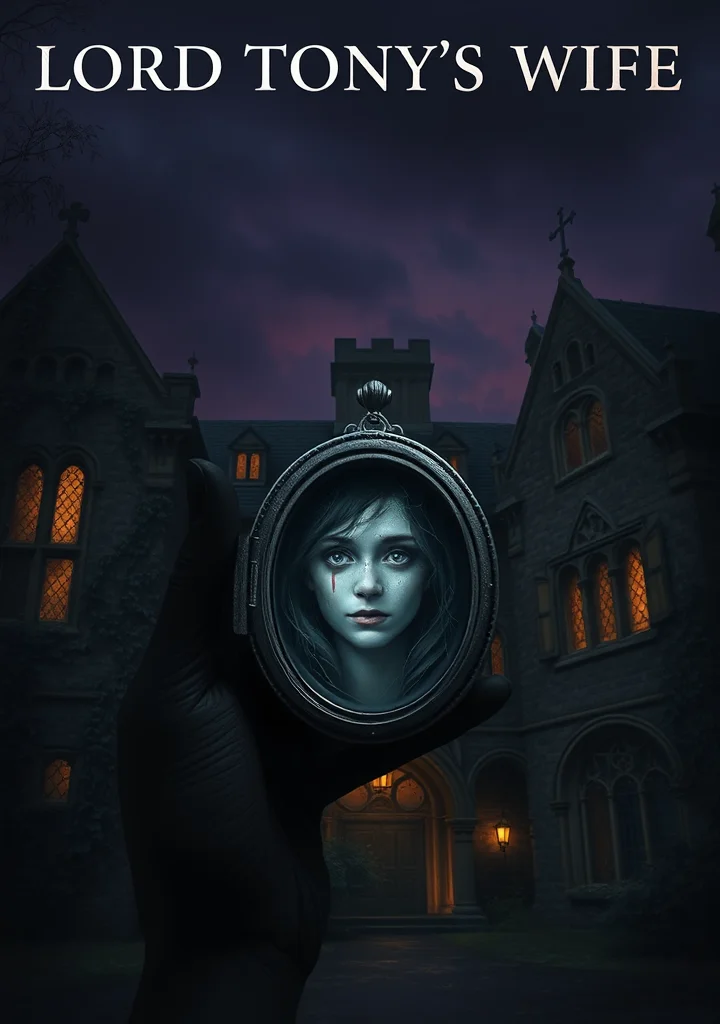
A perpetual twilight clings to Blackwood Grange, mirroring the shadowed corners of Lady Eleanor’s heart. Married to the infamous Lord Tony, a man whispered to have dealings with shadows and debts owed in crimson, she finds herself a gilded cage within his ancestral estate. The air hangs thick with the scent of decay – not just of crumbling stone and overgrown gardens, but of promises broken and lives forfeit. Each echoing footstep in the vast, labyrinthine halls hints at a history of betrayal, while the portraits lining the gallery seem to watch Eleanor’s descent into a chilling awareness of her husband’s true nature. A creeping dread permeates every room, woven into the very fabric of the house; a dread born not of ghostly apparitions, but of the suffocating weight of secrets held too long. The moorland surrounding Blackwood Grange breathes with a cold, hungry wind, carrying fragments of rumors and the cries of those lost to Lord Tony’s machinations. Eleanor is trapped within a suffocating elegance, where every smile feels like a calculated threat and every shadow a potential witness to her unraveling. The narrative unfolds like a slow poison, drawing the reader into a suffocating atmosphere of suspicion, where love is measured in bartered favors and loyalty is purchased with blood. The very stones of Blackwood Grange seem to weep with the despair of those who dared to cross Lord Tony’s path, and Eleanor’s fate hangs precariously balanced upon a single, unraveling thread of hope.