
Riders of the Purple Sage
  • 179
  • 0
  • 24
  • Reads 179
  • 0
  • Part 24
Completed, First published Mar 02, 2026

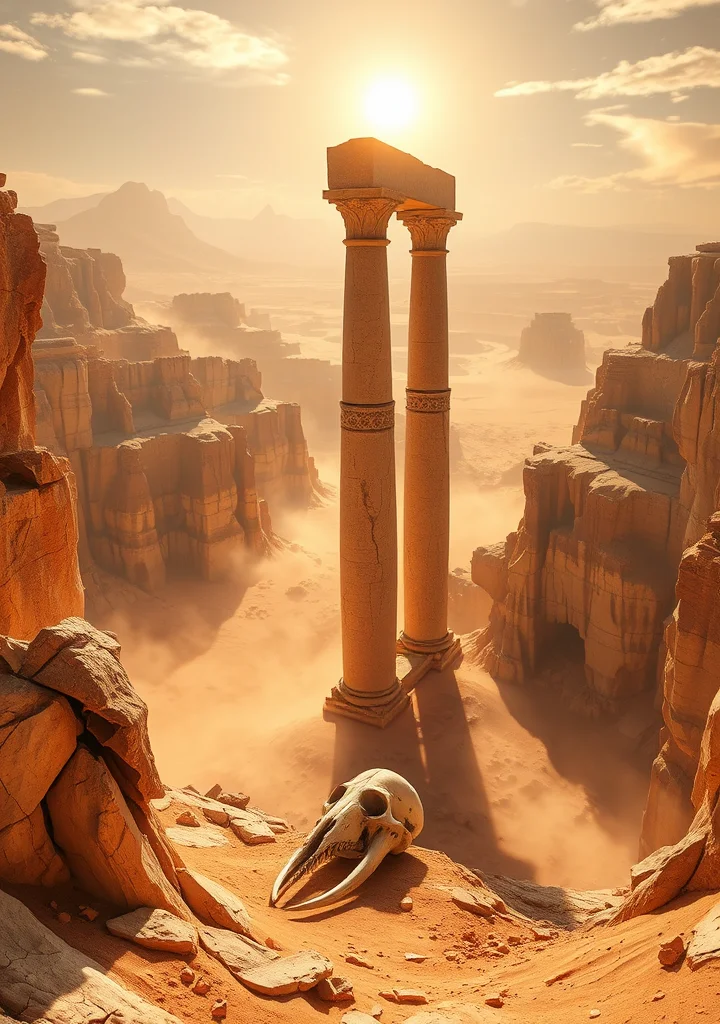
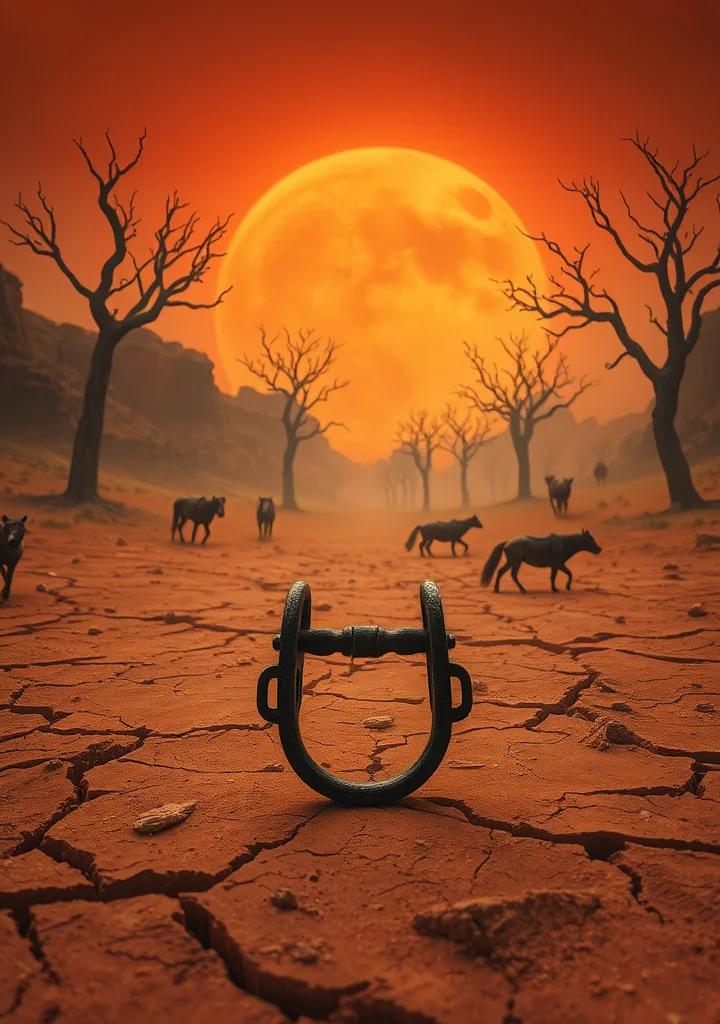
Dust devils dance across a sun-scorched land, mirroring the ghosts that haunt the canyons of Nevada. A silence hangs heavy, broken only by the mournful cry of circling hawks and the whisper of ancient wrongs. This is a story carved from the very bone of the desert – a land where vengeance blooms like a poisonous flower. The narrative clings to the arid air, thick with the scent of sage and the phantom touch of forgotten loyalties. A woman, veiled in mystery and shadowed by a past she cannot escape, rides into a world of simmering feuds and brutal reckonings. Every sun-baked rock, every shadowed ravine, bears witness to a history of blood spilled and secrets buried. The weight of the land itself presses down, suffocating those caught within its grasp. It’s a tale woven with the grit of survival, the cold steel of retribution, and the haunting echo of a love born amidst the wreckage of shattered lives. The purple sage isn’t merely a color, but a stain – the hue of a landscape steeped in sorrow, and a promise of violence to come. The shadows lengthen, and with them, the riders of the sage are drawn toward a reckoning as relentless and unforgiving as the desert sun.
Copyright: Public Domain
This license allows anyone to use your story for any purpose, including printing, selling, or adapting it into a film freely.
Recommended for you
24 Part
A creeping dread clings to the salt-laced air around the Gables, a house steeped in the shadowed legacy of Pyncheons and their avarice. Within its decaying timbers, generations of sorrow have woven themselves into the very mortar, a silent chorus of regret echoing through dust-laden chambers. The scent of brine and decay permeates every corner, mingling with the spectral weight of unfulfilled desires. Sunlight seems to falter before reaching its gabled peaks, as if the house itself actively resists illumination. A stifling claustrophobia settles upon all who enter, born not of cramped spaces but of the suffocating weight of the past. Here, secrets fester like slow-blooming mold, and the line between the living and the dead blurs with each rustle of wind through the withered rose bushes. The house breathes with a mournful cadence, its darkened windows offering glimpses into a world where the sins of ancestors cast long, skeletal shadows, and the yearning for redemption is forever trapped within its crumbling embrace. A palpable sense of isolation permeates the narrative, a sense that the Gables stand not merely as a dwelling, but as a mausoleum for a fractured lineage, slowly succumbing to the rot of time and the insatiable hunger of its own history. The very stones seem to weep with the weight of forgotten promises, and the silence within is a tangible thing, heavy with the unspoken grief of those who dared to dream within its shadowed walls.
90 Part
A creeping dread clings to the shadowed corners of Evelina’s world, a world meticulously observed yet perpetually on the verge of unraveling. The narrative unfolds like a slow poison, tracing the delicate bloom of a young woman navigating a society steeped in brittle politeness and concealed malice. Every stolen glance, every misinterpreted gesture, breeds a suffocating anxiety, mirrored in the claustrophobic interiors of ballrooms and drawing-rooms. A constant, low-humming tension permeates the story—not of overt horror, but of a suffocating fear of exposure, of social ruin, of the precariousness of female dependence. The author doesn’t reveal monsters in darkness, but excavates the predatory instincts lurking *within* the light. Evelina’s own innocence, while presented as virtue, becomes a fragile shield against the predatory gazes of men who orbit her with a calculating hunger. The prose itself is a delicate, almost feverish accounting of minute social anxieties. The reader is drawn into a suffocating awareness of every averted gaze, every stifled sigh, every carefully worded phrase—each a potential snare in a labyrinth of propriety. The story breathes with the stifled air of a gilded cage, where smiles mask calculation, and every act of kindness feels laced with expectation. A creeping sense of claustrophobia settles over the pages as Evelina’s fragile hope is shadowed by the ever-present threat of social catastrophe. It’s a world where the most insidious terrors are born not from monsters, but from the exquisitely refined cruelty of the human heart.
80 Part
Dust motes dance in the sun-bleached ruins of expectation. A brittle, ironic heat hangs over the Mediterranean, mirroring the slow decay of American idealism. These are not pilgrims seeking salvation, but specters adrift in a land of ancient shadows, their grand tour a procession of naive collisions with the ghosts of empires past. The air itself seems to mock their earnest inquiries, whispering of forgotten gods and the corrosive weight of history. Each meticulously chronicled observation, each well-intentioned jest, is a chipped tile in a crumbling mosaic of delusion. A creeping unease settles amongst the travelers as the landscape bleeds into their souls—a sickness of wonder and disappointment. The catacombs breathe secrets onto their faces, the Roman ruins echo with the laughter of long-dead emperors at their folly, and the very stones of Jerusalem seem to judge their presumptions. They are haunted by the silence of centuries, the weight of stone, and the hollow echo of their own unfulfilled desires. The Innocents, adrift on a sea of expectation, find themselves mirrored in the hollow eyes of ancient statues—each a testament to the futility of human ambition. The sun scorches not only the earth but also the fragile veneer of their optimism, revealing the creeping rot beneath the polished surfaces of their faith. This journey is not a revelation, but an excavation of the heart’s own barren landscape. It is a slow descent into the sepulcher of lost innocence, where the only monuments are the ruins of their own making.