
-
Read 251
-
0
-
Part 27
Completed, First published Mar 02, 2026
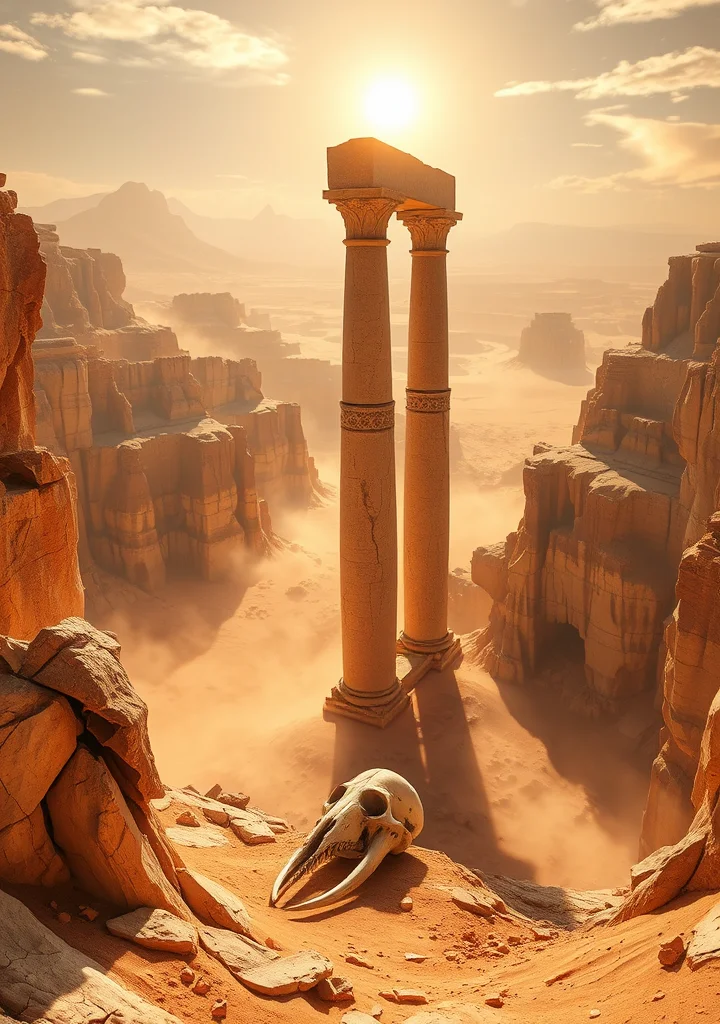
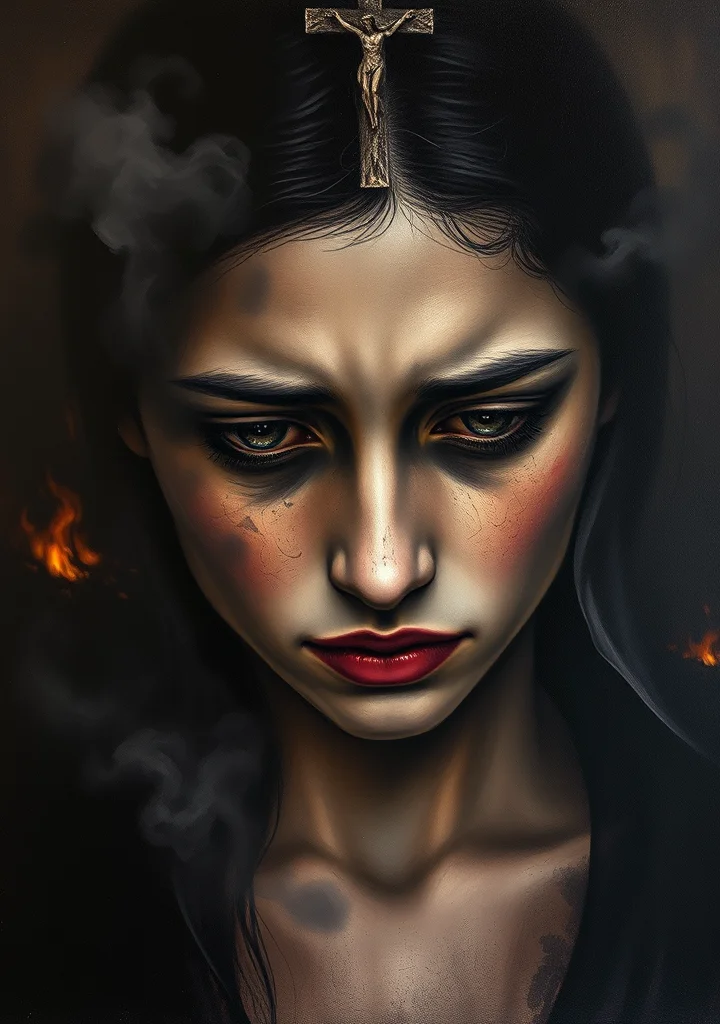
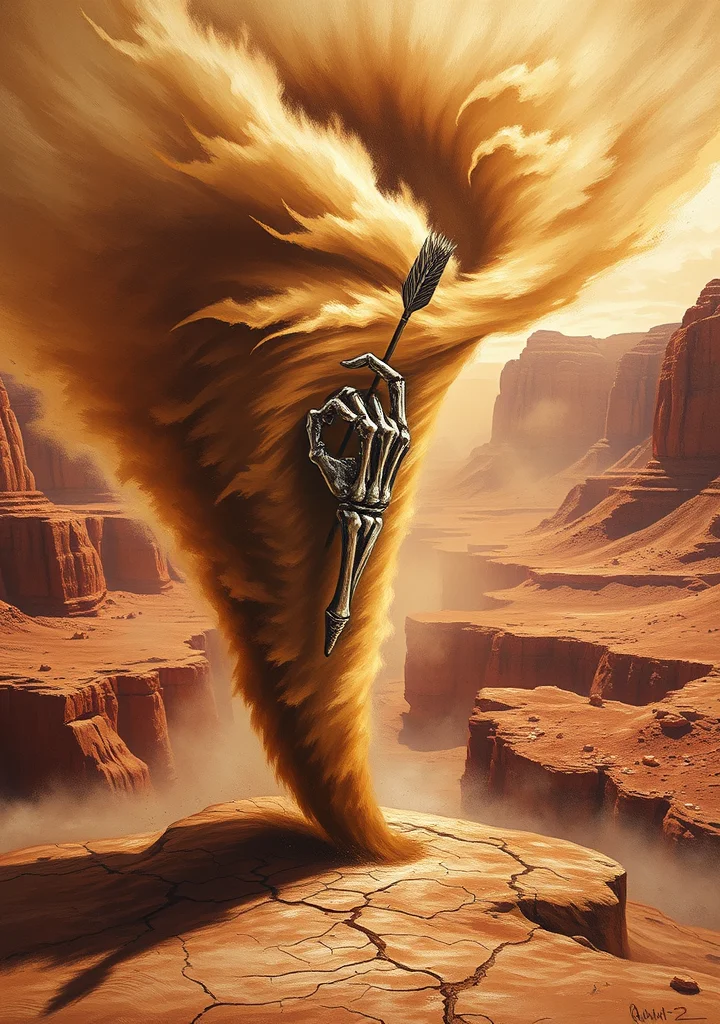
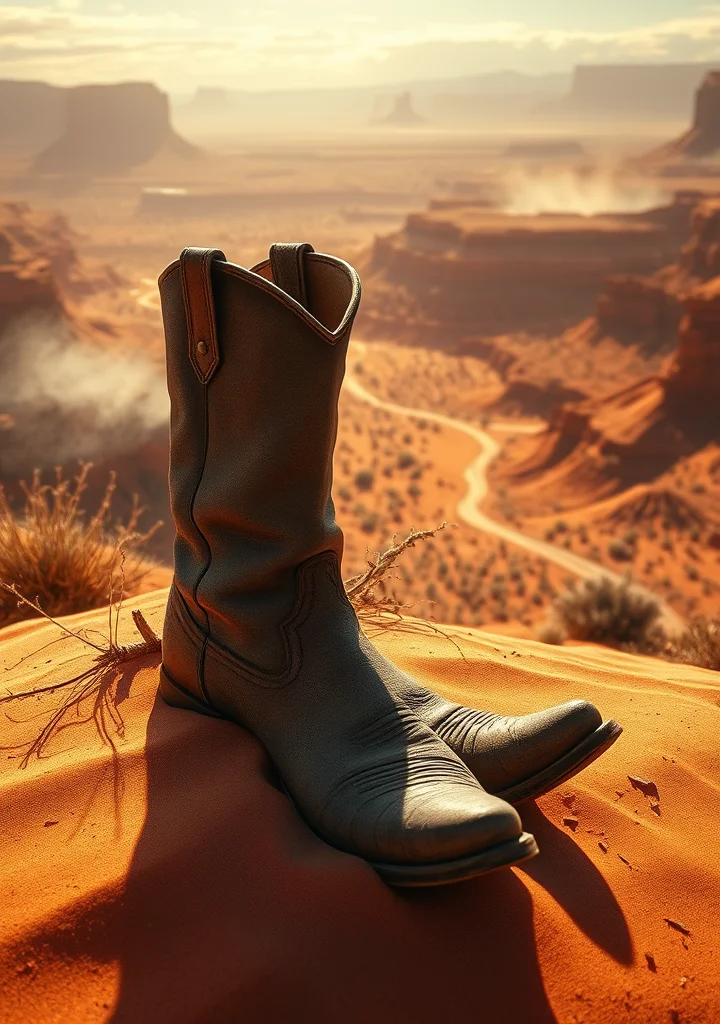
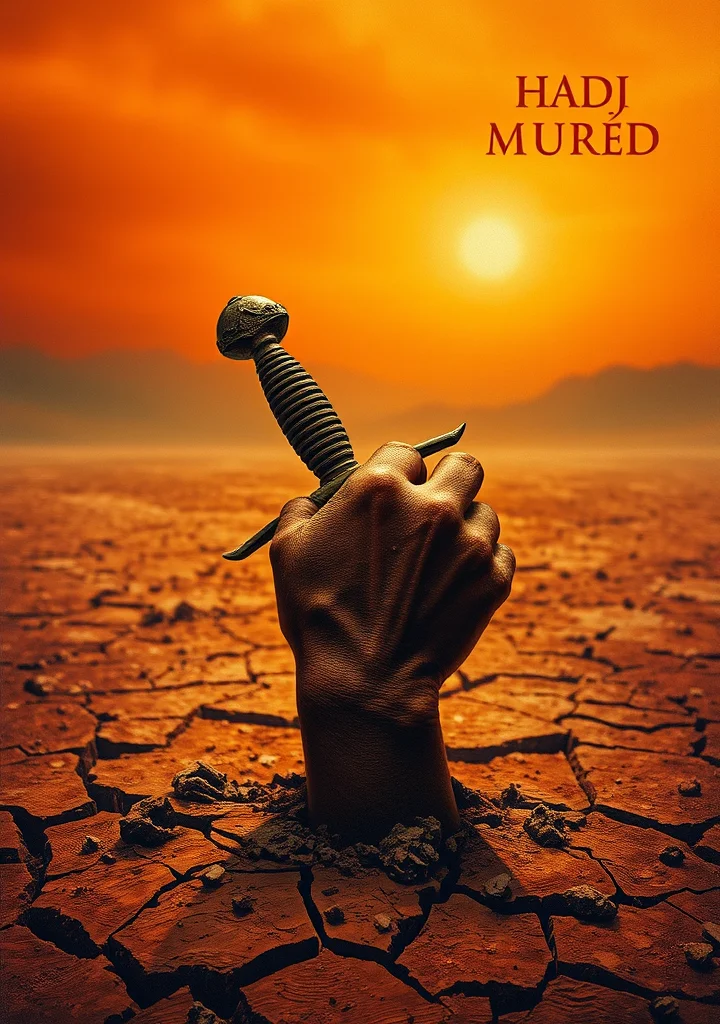
Dust chokes the sun-baked steppes, mirroring the grit lodged in Murád’s soul. This is not a tale of glory, but of a fractured man—a warrior hollowed by allegiance and haunted by a past carved in fire and blood. The Caucasus mountains bleed into the horizon, mirroring the slow, agonizing decay of Murád’s trust. Each sun-scorched village, each whispered prayer, is steeped in the suffocating weight of betrayal. Tolstoy doesn’t offer grand battles, but the suffocating intimacy of a world where honor is a phantom limb and loyalty a poisoned draught. The air hangs thick with the scent of gunpowder, fear, and the dust of forgotten graves. A relentless, oppressive heat rises from the earth, mirroring the feverish desperation that consumes Murád as he’s hunted not for what he’s done, but for who he *was*. The narrative unfolds like a slow-motion collapse, a descent into the desolate heart of a man caught between empires, faiths, and ultimately, himself. It's a landscape of shadows, where the line between predator and prey dissolves into a swirling haze of desperation and the echoing silence of the mountains bears witness to a dying world. The narrative is a suffocating, claustrophobic crawl through the ruins of a life, rendered in shades of ochre and crimson, soaked in the acrid taste of regret.
Copyright: Public Domain
This license allows anyone to use your story for any purpose, including printing, selling, or adapting it into a film freely.
This license allows anyone to use your story for any purpose, including printing, selling, or adapting it into a film freely.
More like this