
The Secret House
  • 166
  • 0
  • 23
  • Reads 166
  • 0
  • Part 23
Completed, First published Mar 02, 2026

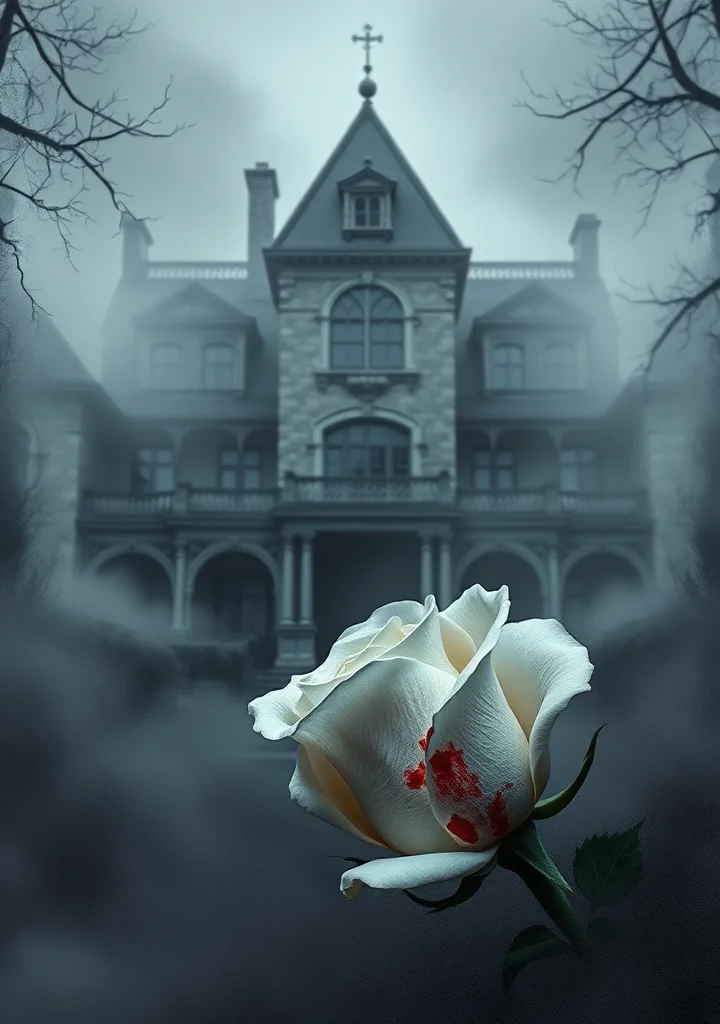
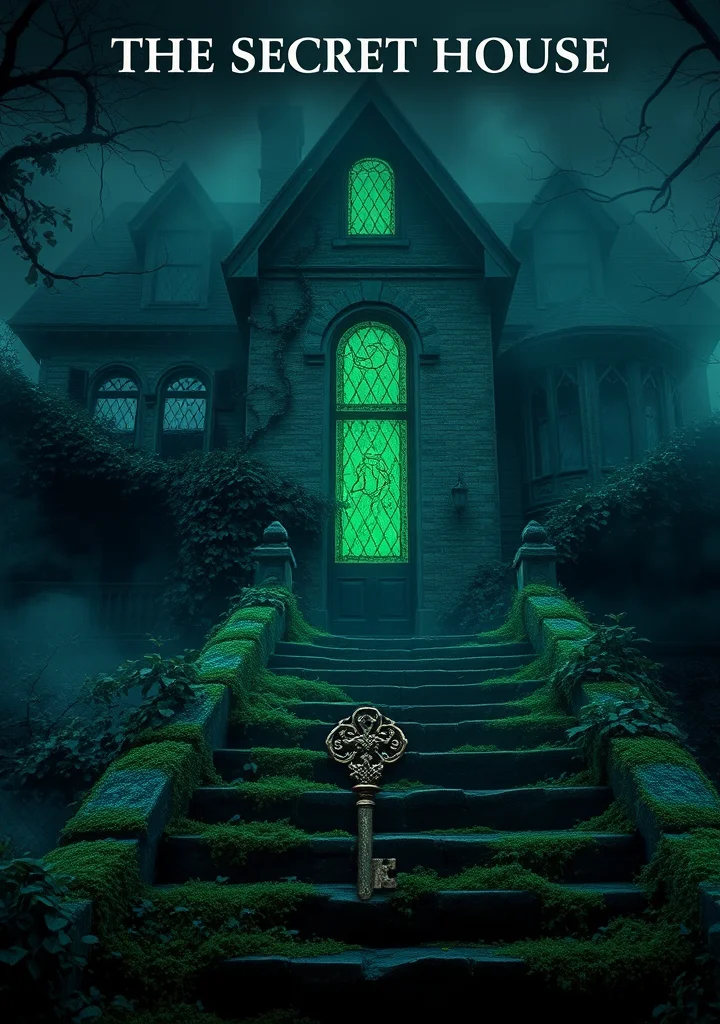
A creeping dread clings to the shadowed halls of Blackwood Manor, where whispers of a forgotten tragedy weave through dust-laden tapestries and chill, stone corridors. Wallace paints a landscape of suffocating secrets within a crumbling estate, haunted not by ghosts of flesh and bone, but by the festering rot of a family’s decaying legacy. The air is thick with the scent of damp earth and regret, each room a mausoleum enshrining fractured lives. A suffocating claustrophobia permeates the narrative as the investigation into a vanished heir unravels a tapestry of betrayal, madness, and the insidious hunger for inheritance. Sunlight dares not linger within the manor’s embrace; instead, a perpetual twilight bleeds through leaded windows, obscuring the faces of those driven to desperation by the house’s malignant influence. The very walls seem to conspire, holding their breath as the truth – a horrifying, brittle thing – is coaxed from the darkness. It’s a story of inheritance bought with blood, where every shadow conceals a motive, and the silence screams with the weight of unspeakable acts.
Copyright: Public Domain
This license allows anyone to use your story for any purpose, including printing, selling, or adapting it into a film freely.
Recommended for you
26 Part
Dust hangs thick in the air, a suffocating weight mirroring the oppressive heat of the African veldt. This is a story born of shadowed whispers and the glint of gold fever, but its true heart beats with something far older, far more terrible. A lost brother, a trail of vanished men, and a map etched with the desperation of a dying hunter – these are the threads that pull the reader into a landscape haunted by ancient kings and the echoes of forgotten gods. The narrative unfolds not as a simple quest for treasure, but as a descent into a primal darkness. The sun bleeds across the savannah, illuminating not riches, but the skeletal remains of ambition. Each mile deeper into the unexplored territories feels like a tightening noose, woven with the superstitions of native tribes and the brutal realities of survival. The air itself is laced with dread – a palpable fear of the unseen, of the rituals performed under a crimson moon, of a power that predates civilization itself. Here, the stone breathes with the memory of sacrifice, and the very earth seems to yearn for the return of a king whose reign was carved in ivory and soaked in blood. It is a journey where loyalty is tested by the lure of the abyss, and where the line between hunter and hunted dissolves into the ochre dust of the wilderness. The gold, ultimately, is merely a blinding lure – the true treasure lies in the chilling revelation of what waits within the heart of darkness, and what price must be paid to look into its hollow eyes.
33 Part
A suffocating fog clings to the cobbled streets of late Victorian London, mirroring the moral decay that festers within its gilded drawing rooms. The Gadfly, Caradoc James, is a phantom of righteous fury, a man deliberately constructed as a thorn in the side of a complacent society. He doesn’t preach revolution; he *becomes* its sting, whispering dissent into the ears of the disillusioned, the betrayed, and the quietly desperate. His touch is one of icy precision, dissecting the hypocrisy of the powerful with surgical precision, leaving behind only the echoing chill of exposed wounds. The narrative unfolds in shadowed parlours and suffocatingly opulent estates, steeped in the scent of decaying lilies and regret. Voynich doesn’t focus on grand political machinations, but on the insidious erosion of individual spirit under the weight of societal expectation. Each act of defiance, each carefully placed revelation, is less a triumph and more a haunting lament—a slow, deliberate unraveling of faith and innocence. The air is thick with secrets, with the stifled cries of women trapped within gilded cages, with the silent bargains struck in darkened corridors. A creeping sense of claustrophobia pervades, not from physical confinement, but from the suffocating weight of unspoken truths. The Gadfly himself is less a man than a contagion, spreading his unsettling influence through a network of whispers and shadowed glances. His legacy isn’t liberation, but a pervasive unease—a realization that the foundations of this meticulously constructed world are built on a bedrock of lies. It is a darkness that doesn't merely threaten to consume, but to quietly, irrevocably *transform*.
72 Part
The air hangs thick with the scent of decay and damp earth within the crumbling chateau of Clerambault. Here, amidst shadowed corridors and portraits whose eyes seem to follow your every move, a man named Jean, haunted by a past he cannot escape, wages a silent war against his own fracturing mind. The estate itself is a character—a labyrinthine monument to a noble lineage crumbling under the weight of inherited madness and suffocating isolation. Rolland weaves a suffocating atmosphere of psychological torment, where the boundaries between reality and delusion blur with each echoing footstep. Jean's descent is not marked by dramatic outbursts, but by a creeping, insidious unraveling—a quiet rot consuming him from within. The oppressive weight of family history, the suffocating expectations of his ancestral home, and the insidious whispers of his own internal demons create a sense of dread that clings to the reader like a shroud. Sunlight rarely penetrates the overgrown gardens or the dust-veiled windows, lending the narrative a perpetual twilight. Every creaking floorboard, every rustle of leaves, is imbued with a sinister significance. The true horror isn’t found in specters or ghouls, but in the slow, agonizing disintegration of a man’s sanity, witnessed through the fractured lens of his own unreliable perception. It is a story steeped in the melancholic beauty of ruin, a haunting meditation on the fragility of the self, and the suffocating power of memory.