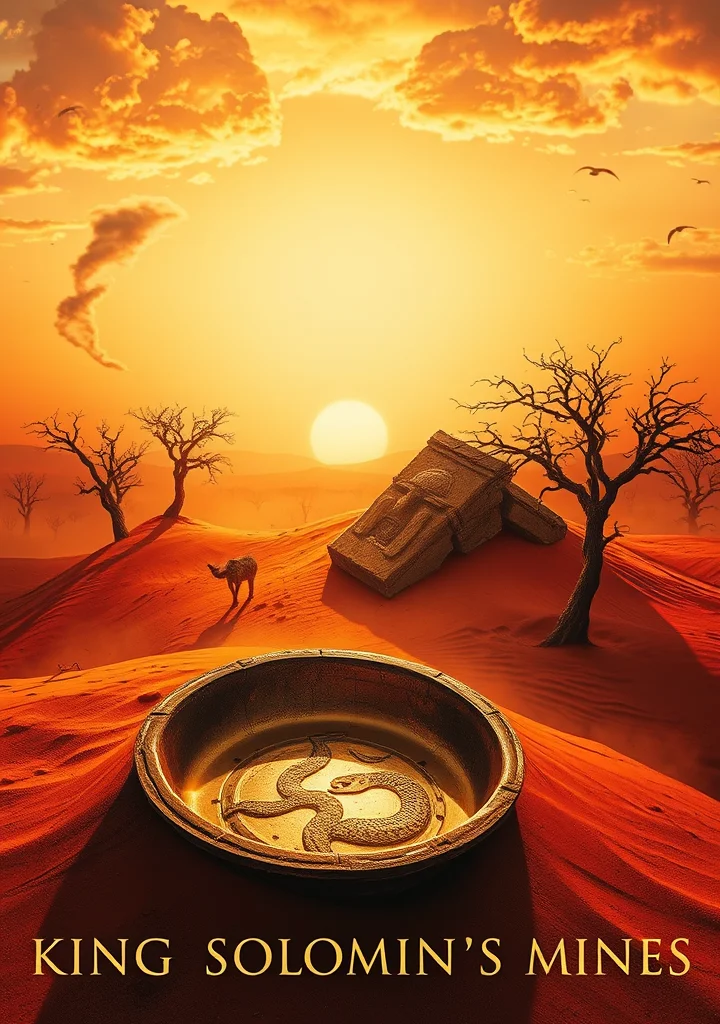

King Solomon’s Mines
  • 182
  • 0
  • 26
  • Reads 182
  • 0
  • Part 26
Completed, First published Mar 02, 2026

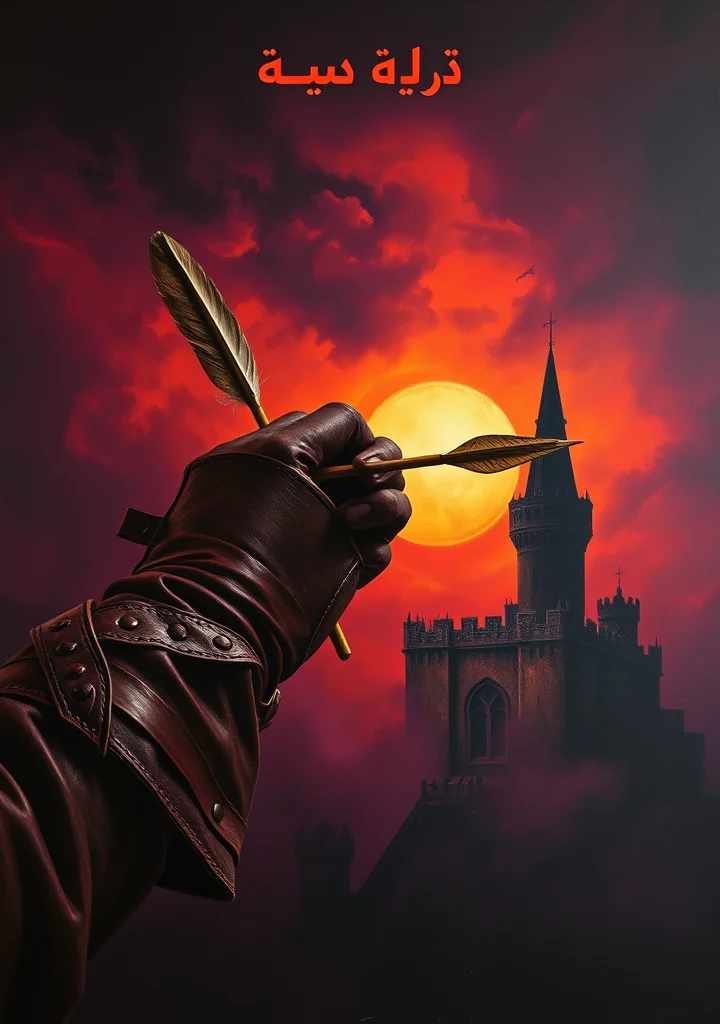
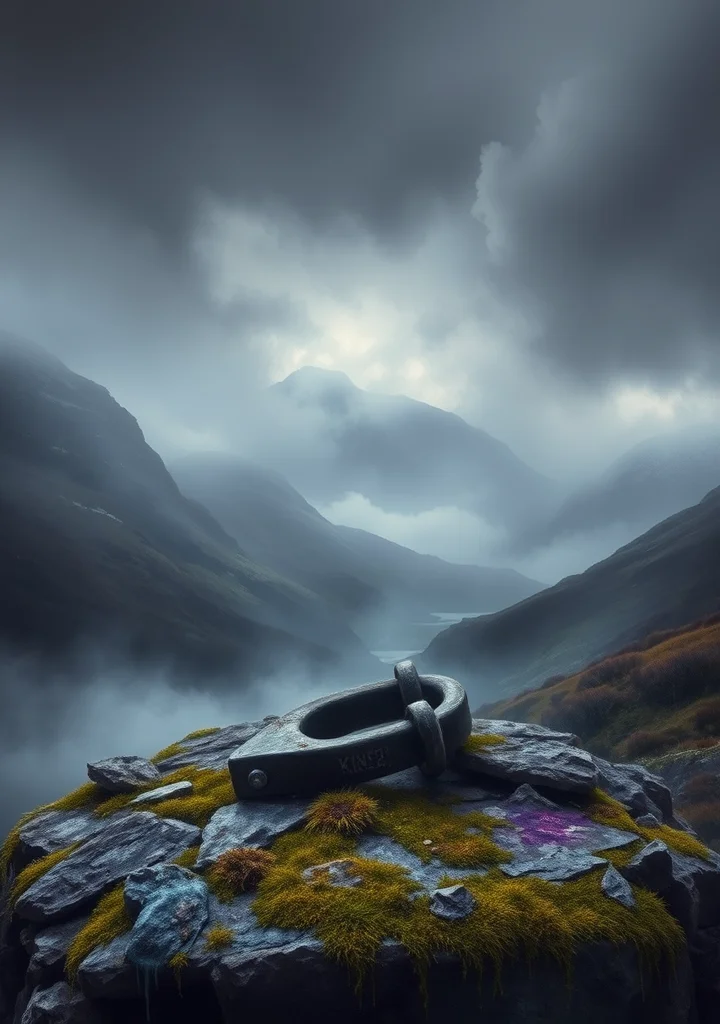
Dust hangs thick in the air, a suffocating weight mirroring the oppressive heat of the African veldt. This is a story born of shadowed whispers and the glint of gold fever, but its true heart beats with something far older, far more terrible. A lost brother, a trail of vanished men, and a map etched with the desperation of a dying hunter – these are the threads that pull the reader into a landscape haunted by ancient kings and the echoes of forgotten gods. The narrative unfolds not as a simple quest for treasure, but as a descent into a primal darkness. The sun bleeds across the savannah, illuminating not riches, but the skeletal remains of ambition. Each mile deeper into the unexplored territories feels like a tightening noose, woven with the superstitions of native tribes and the brutal realities of survival. The air itself is laced with dread – a palpable fear of the unseen, of the rituals performed under a crimson moon, of a power that predates civilization itself. Here, the stone breathes with the memory of sacrifice, and the very earth seems to yearn for the return of a king whose reign was carved in ivory and soaked in blood. It is a journey where loyalty is tested by the lure of the abyss, and where the line between hunter and hunted dissolves into the ochre dust of the wilderness. The gold, ultimately, is merely a blinding lure – the true treasure lies in the chilling revelation of what waits within the heart of darkness, and what price must be paid to look into its hollow eyes.
Copyright: Public Domain
This license allows anyone to use your story for any purpose, including printing, selling, or adapting it into a film freely.
Recommended for you
13 Part
A suffocating dread clings to the stone of Calvary, not of Christ’s ascent, but of a family’s descent into inherited madness. The chateau breathes with the rot of generations, each gilded room echoing with the ghosts of ambition and decay. Here, the de Juvigny lineage festers, consumed by a legacy of brutal land-grabbing, military glory bought with the lives of men, and a morbid obsession with lineage that curdles into a grotesque parody of piety. The air is thick with the scent of damp earth, decaying flowers, and the bitter tang of arsenic, whispered to be the family’s favored tonic. Shadows dance in the crumbling corridors, mirroring the unraveling sanity of the patriarch, a man carved from granite and haunted by the phantom victories of his father. His sons, twisted reflections of his own brutal ambition, circle like carrion birds, each desperate to claim the crumbling estate as their own. A suffocating claustrophobia grips the reader as the narrative burrows deeper into the poisoned roots of the de Juvigny bloodline. The very walls seem to weep with the weight of unspeakable deeds. It is a world where beauty is a fragile veneer masking a core of rot, where devotion is a suffocating ritual, and where the soil itself is stained crimson with the secrets of a dynasty’s savage hunger. The narrative doesn't merely unfold; it *bleeds* into the reader's consciousness, leaving behind a residue of cold stone, whispered curses, and the chilling realization that Calvary is not a place of redemption, but a monument to the enduring power of darkness.
6 Part
A suffocating dread clings to the cobbled streets of a London steeped in perpetual twilight. The air itself seems to thicken with the phosphorescent haze emanating from the titular cloud—a malevolent entity born of alchemical hubris and cosmic decay. Within its violet embrace, reality fractures, dissolving the boundaries between the sane and the delirious. Our protagonist, a man haunted by spectral echoes and a creeping sense of unreality, finds himself drawn into a labyrinthine pursuit of the cloud’s creator, a figure shrouded in whispers of blasphemous science and forbidden rites. Each shadowed alleyway pulses with a subtle, sickening vitality, the city’s underbelly mirroring the cloud’s insidious growth. The narrative unravels not as a linear chase, but as a descent into a fever-dream logic, where logic itself dissolves into the purple efflorescence. Rooms twist into impossible geometries, faces morph into grotesque masks, and the very stones beneath your feet seem to breathe with a cold, expectant hunger. The cloud isn’t merely seen, it’s *felt*—a pressure on the temples, a tremor in the lungs, a chilling awareness of something vast and ancient stirring just beyond the veil of perception. It seeps into the minds of those it touches, breeding paranoia, mania, and ultimately, a terrifying acquiescence to its alien will. The story doesn’t offer escape, but a spiraling immersion into the heart of a darkness that threatens to consume not just London, but the very foundations of reason itself.