
Tarzan the Untamed
  • 206
  • 0
  • 25
  • Reads 206
  • 0
  • Part 25
Completed, First published Mar 02, 2026

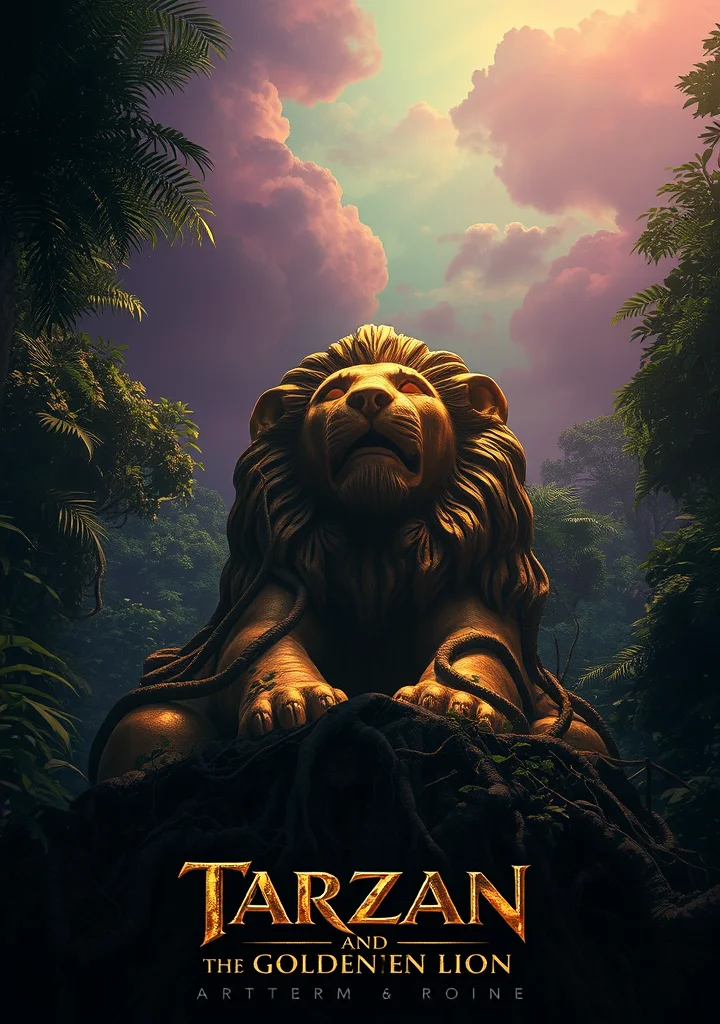
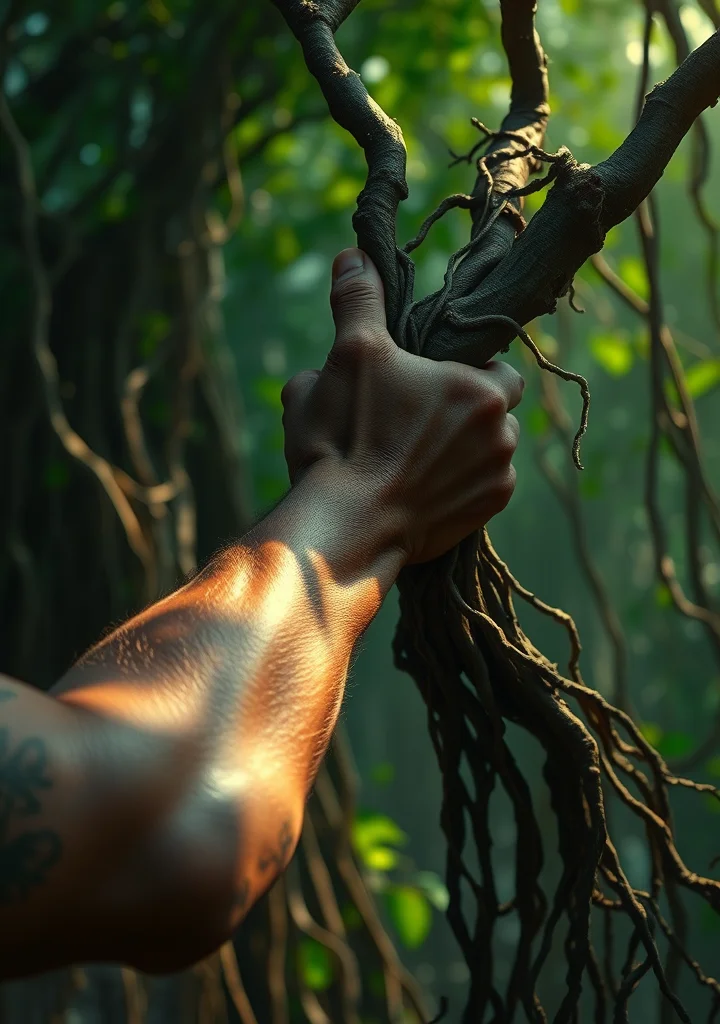
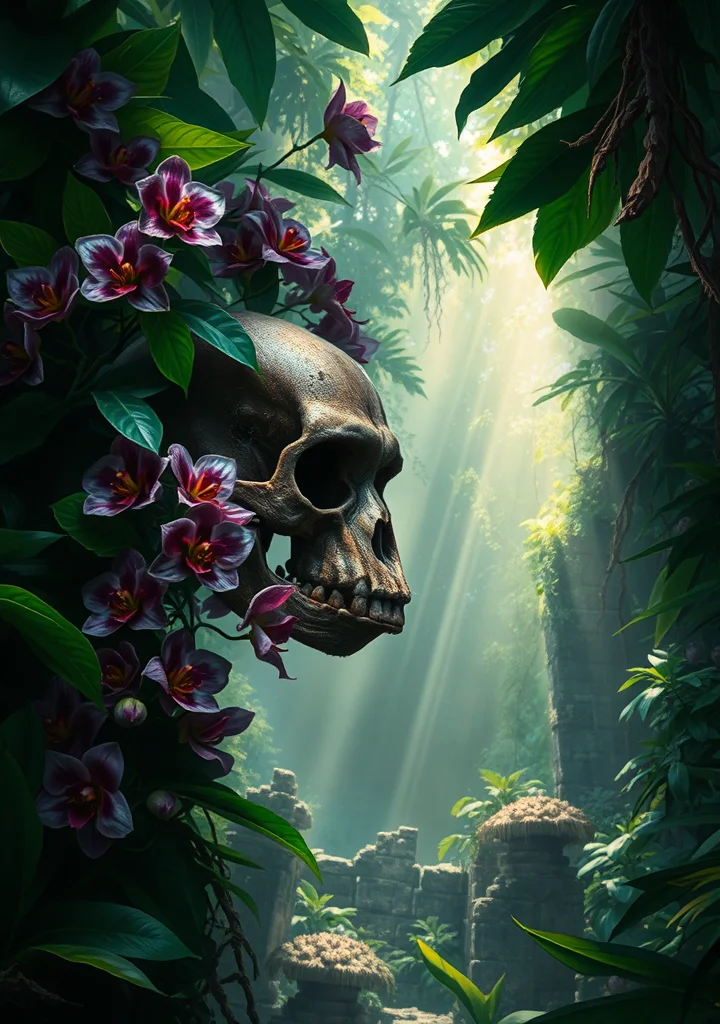
A suffocating green hell breathes around him. Not merely jungle, but a primordial weight pressing upon the chest, thick with the rot of ages and the screams of unseen things. Sunlight fractures into emerald shards that barely penetrate the canopy, leaving the forest floor perpetually bruised violet. He is born of loss, a child swallowed by the verdant maw of Africa, inheriting not civilization’s grace, but the brute poetry of claw and fang. The air tastes of rain-soaked fur, of decaying blossoms, of the musk of predators circling just beyond the periphery of vision. It is a world where savagery isn’t merely practiced, but *becomes* the blood in your veins. He moves as a shadow amongst shadows, a ghost amongst ghosts, claimed by a wilderness that has stripped him bare of all human artifice. The apes are not benevolent teachers, but cold, calculating judges in a kingdom of bone and vine. Every rustle of leaves, every guttural cry, is a reminder of the thin, fracturing line between man and beast. He is haunted by glimpses of a past life— a father’s face, a ship’s railing— fragments of memory surfacing amidst the humid delirium. But the jungle demands a singular loyalty. It offers not comfort, but a feral ecstasy born of dominance and despair. To look into his eyes is to glimpse something both utterly human and utterly *unmade*, a creature forged in the crucible of untamed desire and a wilderness that will not relinquish its claim. The scent of his rage is the scent of the jungle itself.
Copyright: Public Domain
This license allows anyone to use your story for any purpose, including printing, selling, or adapting it into a film freely.
Recommended for you
22 Part
A suffocating heat clings to the Louisiana bayou, thick with Spanish moss and the ghosts of fortunes lost. Leblanc weaves a tale where the line between predator and prey dissolves into the humid air. Old money, stained crimson with secrets, bleeds from crumbling plantation houses. The scent of jasmine and decay hangs heavy as a disgraced detective, haunted by his own failures, is drawn into a missing heir case. But this isn’t simply disappearance; it’s a vanishing into something ancient and hungry that dwells in the cypress knees and shadowed waterways. Each investigation feels like peeling back layers of Spanish lace to reveal something writhing beneath – a legacy of voodoo, avarice, and the brutal inheritance of a family whose wealth was built on teeth. The tiger isn't merely a beast of the swamp, but a symbol of the hunger that consumes the living, leaving only bone-white grins in the darkness. The narrative crawls with a creeping dread, a sense of being watched by something both feral and refined. Every whisper of wind through the sugarcane fields carries the echo of a curse, and the bayou itself seems to conspire to keep its secrets submerged. The air grows viscous with the possibility of violence, a slow-boiling tension that culminates in a confrontation with a darkness that has rooted itself within the very soil of the land. It's a story where the rot is not just in the cypress trees, but in the bloodlines themselves.

28 Part
Salt-laced winds whisper through rigging stiff with brine, carrying tales not of glory, but of rot and ruin clinging to the splintered decks of forgotten vessels. This is not a chronicle of swashbuckling adventure, but a descent into the shadowed heart of the pirate world – a world where ambition is measured in the weight of gold and the slow drip of blood on stained canvas. Johnson’s history doesn’t celebrate, it *exposes*. Each captain is a phantom haunting the Caribbean, driven by avarice and shadowed by the ghosts of their victims. The pages reek of gunpowder and decay, filled with accounts of mutiny blossoming in the humid dark of ship holds, of marooned men gnawing on desperation, and the cold calculus of survival amongst men who’ve traded their souls for a share of plunder. It’s a history built on the fractured confessions of those who lived beyond the law, their voices echoing from the gallows and the fever-soaked jungles. But more than just recounting deeds, Johnson unveils the architecture of a pirate’s mind – the brutal pragmatism, the simmering paranoia, the terrifying ease with which they embraced violence as a currency. The sea itself becomes a character, a vast, indifferent judge presiding over a kingdom built on treachery and sustained by the desperate cries of men swallowed by the black maw of the ocean. It’s a history less of pirates *doing*, and more of them *becoming* – monstrous reflections in the storm-wracked mirror of a lawless age. A darkness clings to every name, every port, every captured vessel – a darkness that lingers long after the last cannon shot fades into the salt spray.