
Allan Quatermain
  • 454
  • 0
  • 29
  • Read 454
  • 0
  • Part 29
Completed, First published Mar 02, 2026

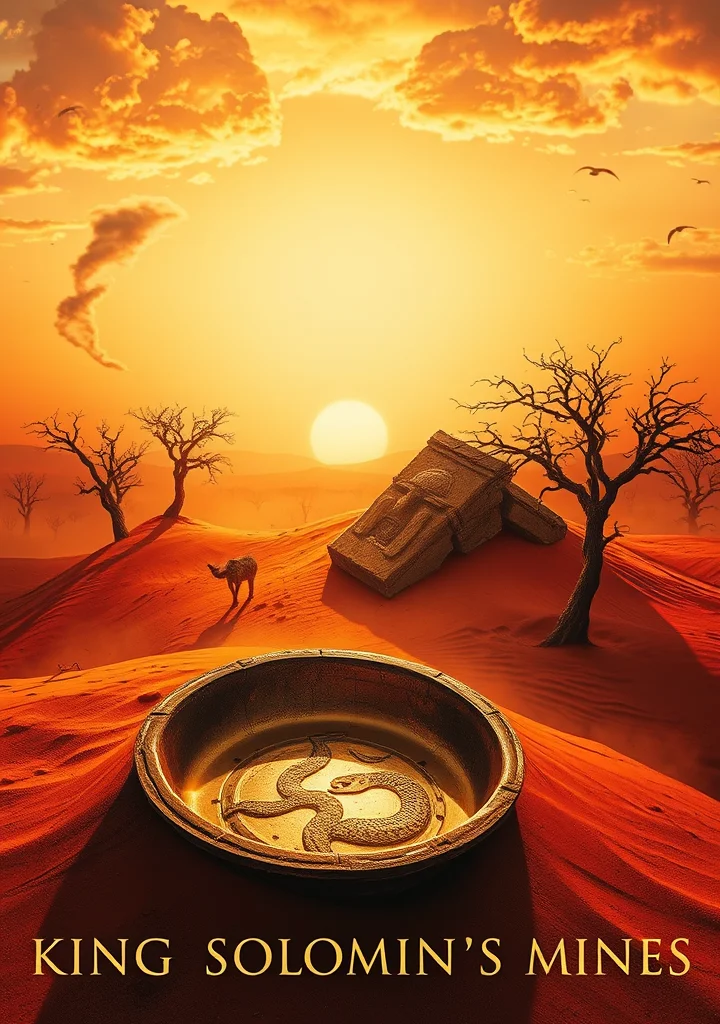
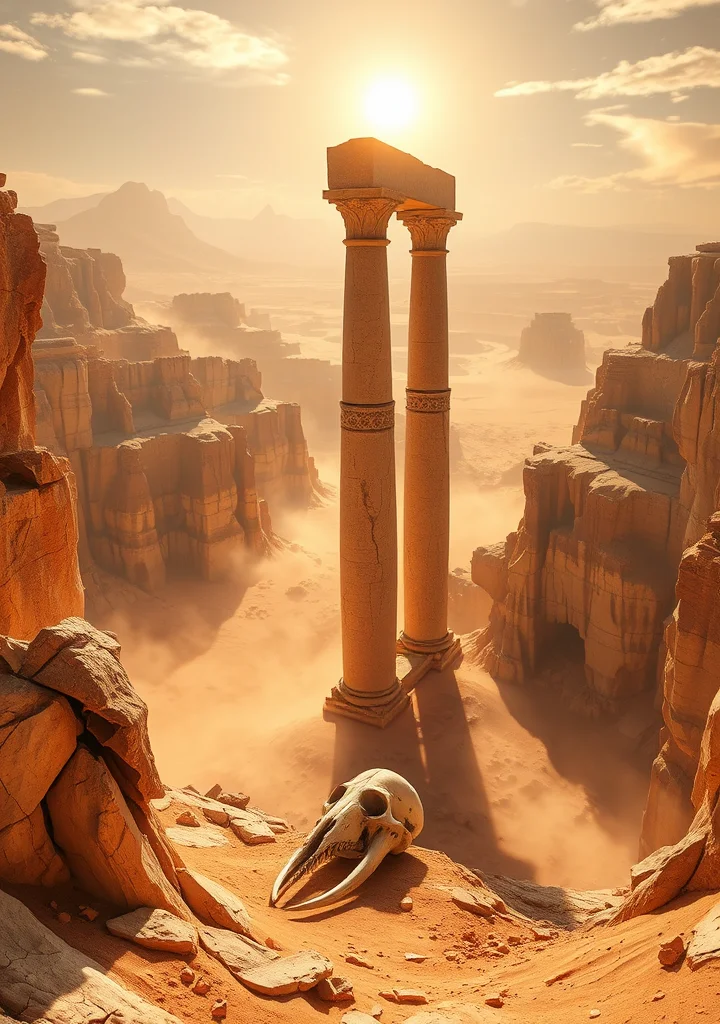
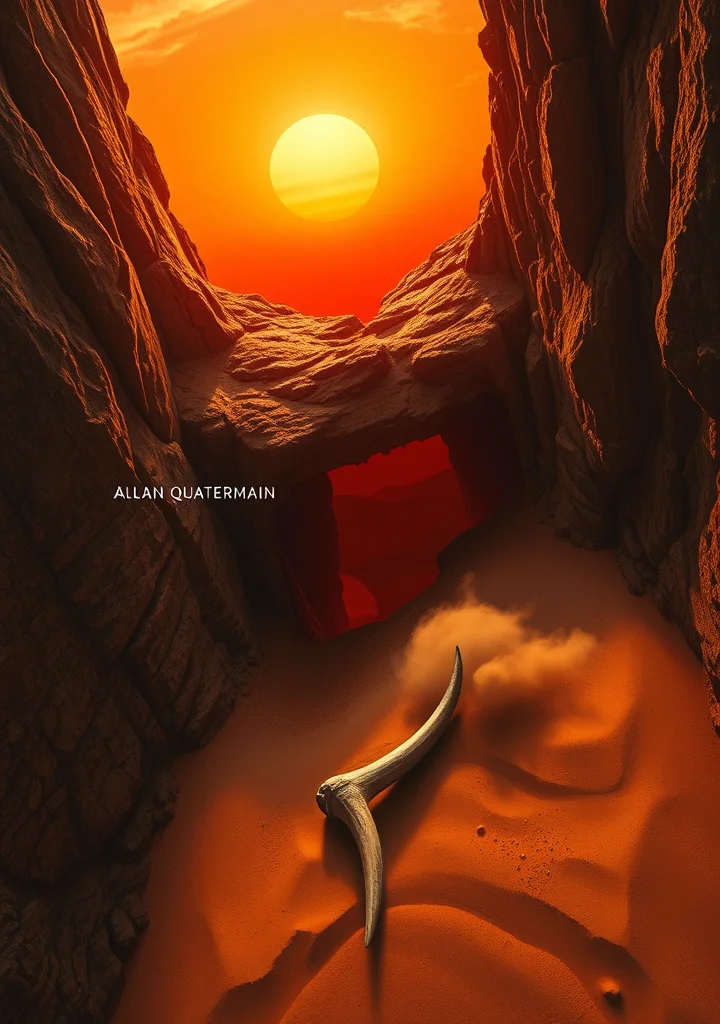
Dust motes dance in the oppressive heat of a forgotten Africa, where the sun bleeds across ochre landscapes and whispers of ancient kings haunt the thorn-choked veldt. A shadow stretches from the mouth of a cavern carved into the basalt cliffs – a darkness not of stone, but of forgotten gods and the avarice of men. Quatermain’s journey is not merely a hunt for treasure, but a descent into a heart of darkness where the line between hunter and hunted dissolves into the shimmering haze of fever dreams. The air hangs thick with the scent of decay and the phantom cries of a lost civilization. Each step deeper into the labyrinthine passages of King Solomon’s mines is a surrender to a suffocating claustrophobia, mirroring the suffocating grip of obsession. The gold itself feels cursed, radiating a cold, metallic dread that clings to the skin. Here, amongst the crumbling idols and the watchful eyes of the native trackers, madness blooms like a poisonous flower. The silence isn’t empty, but filled with the weight of untold centuries and the rasping breath of something ancient stirring in the stone. It’s a place where the very earth exhales regret, and the only escape is through the gaping maw of oblivion. The narrative breathes with the stifled gasps of men consumed by ambition, and the echoing emptiness of a land that remembers everything—and forgives nothing.
Copyright: Public Domain
This license allows anyone to use your story for any purpose, including printing, selling, or adapting it into a film freely.
More like this
27 Part
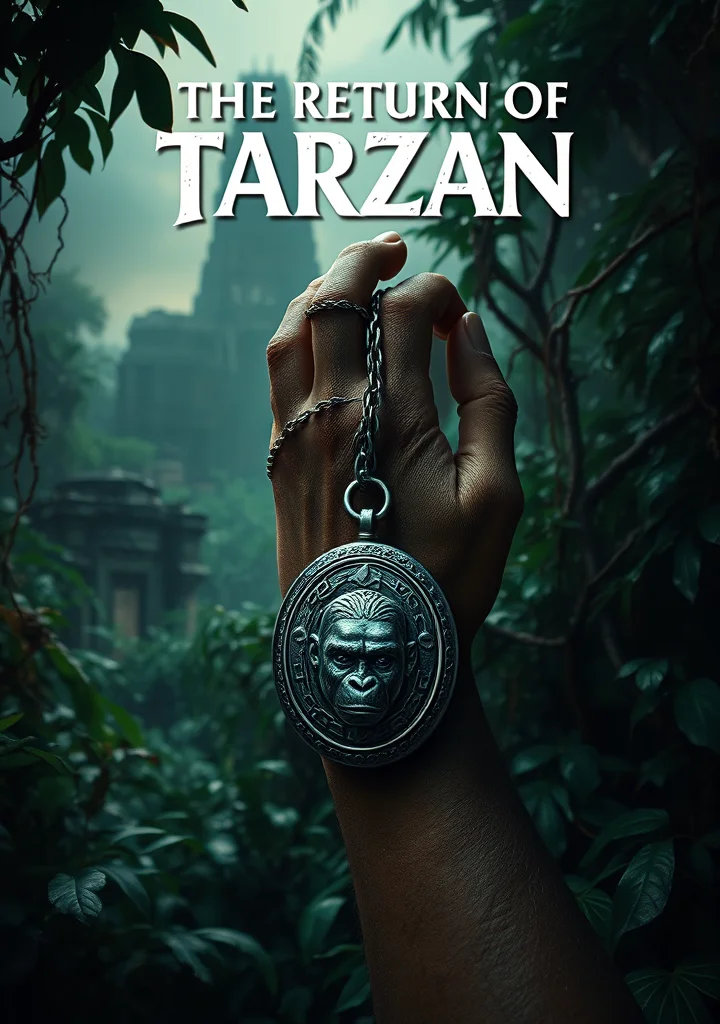
A creeping dread clings to the emerald shadows of the jungle, a suffocating humidity that mirrors the suffocating weight of forgotten histories. Burroughs doesn’t merely return Tarzan to his primal kingdom, he delivers him back to a fractured, decaying Eden haunted by the ghosts of his own making. This is not the triumphant lord of the apes we recall, but a man shadowed by loss, driven by a desperate unraveling of alliances both human and bestial. The air hangs thick with the scent of rot and the whisper of ancient, vengeful gods. The narrative bleeds into a fever dream of betrayal amongst the tribes, where the lines between hunter and hunted blur into a crimson smear across the landscape. A malignant presence – a subtle, insidious corruption – festers within the very heart of the jungle, twisting familiar faces into masks of savage intent. The return isn’t a homecoming, it’s an intrusion, a violation of a balance poised on the precipice of collapse. Sun-drenched clearings give way to suffocating, vine-choked ravines, mirroring the descent into the protagonist’s own fractured psyche. Every rustle of leaves, every guttural cry from the depths of the forest, carries the echo of a past that refuses to remain buried. This is a jungle steeped in the residue of violence, where even the most primal instincts are tainted by a creeping, unspoken despair. It is a return not to paradise, but to a tomb of shattered expectations, where Tarzan must confront not just his enemies, but the hollowed-out shell of the man he once was.
20 Part
Dust hangs thick in the air, a suffocating weight mirroring the oppressive heat of the African veldt. This is a story born of shadowed whispers and the glint of gold fever, but its true heart beats with something far older, far more terrible. A lost brother, a trail of vanished men, and a map etched with the desperation of a dying hunter – these are the threads that pull the reader into a landscape haunted by ancient kings and the echoes of forgotten gods. The narrative unfolds not as a simple quest for treasure, but as a descent into a primal darkness. The sun bleeds across the savannah, illuminating not riches, but the skeletal remains of ambition. Each mile deeper into the unexplored territories feels like a tightening noose, woven with the superstitions of native tribes and the brutal realities of survival. The air itself is laced with dread – a palpable fear of the unseen, of the rituals performed under a crimson moon, of a power that predates civilization itself. Here, the stone breathes with the memory of sacrifice, and the very earth seems to yearn for the return of a king whose reign was carved in ivory and soaked in blood. It is a journey where loyalty is tested by the lure of the abyss, and where the line between hunter and hunted dissolves into the ochre dust of the wilderness. The gold, ultimately, is merely a blinding lure – the true treasure lies in the chilling revelation of what waits within the heart of darkness, and what price must be paid to look into its hollow eyes.
24 Part
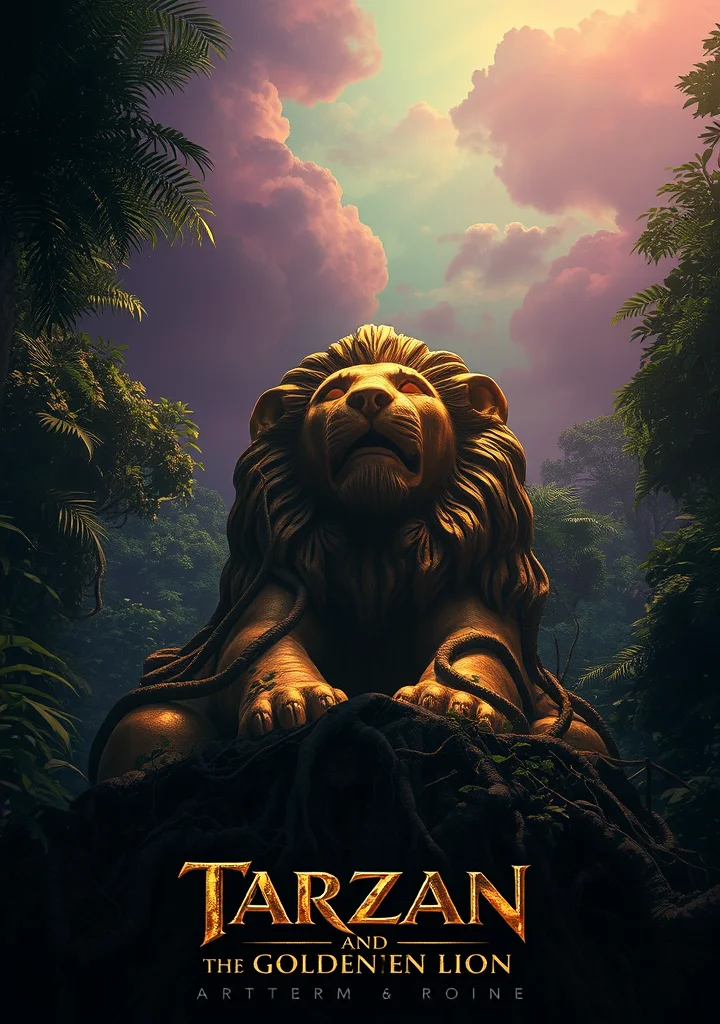
A suffocating green hell breathes around him. Not merely jungle, but a primordial weight pressing upon the chest, thick with the rot of ages and the screams of unseen things. Sunlight fractures into emerald shards that barely penetrate the canopy, leaving the forest floor perpetually bruised violet. He is born of loss, a child swallowed by the verdant maw of Africa, inheriting not civilization’s grace, but the brute poetry of claw and fang. The air tastes of rain-soaked fur, of decaying blossoms, of the musk of predators circling just beyond the periphery of vision. It is a world where savagery isn’t merely practiced, but *becomes* the blood in your veins. He moves as a shadow amongst shadows, a ghost amongst ghosts, claimed by a wilderness that has stripped him bare of all human artifice. The apes are not benevolent teachers, but cold, calculating judges in a kingdom of bone and vine. Every rustle of leaves, every guttural cry, is a reminder of the thin, fracturing line between man and beast. He is haunted by glimpses of a past life— a father’s face, a ship’s railing— fragments of memory surfacing amidst the humid delirium. But the jungle demands a singular loyalty. It offers not comfort, but a feral ecstasy born of dominance and despair. To look into his eyes is to glimpse something both utterly human and utterly *unmade*, a creature forged in the crucible of untamed desire and a wilderness that will not relinquish its claim. The scent of his rage is the scent of the jungle itself.
25 Part
Sun-drenched decay clings to the vines of a forgotten coast. A child, orphaned by ambition and shipwreck, becomes wild currency for a shadowed inheritance. The air hangs thick with the scent of predator and rot, the humid green swallowing all trace of civilization. He is raised not by tenderness, but by the brutal elegance of apes, his body learning a language of muscle and claw beneath a canopy of emerald twilight. But even in this feral grace, echoes of a human lineage stir—a yearning for recognition, a memory of polished wood and cold steel. The jungle is not merely a place, but a suffocating embrace, a living tomb holding secrets within its depths. Each rustle of leaves, each guttural cry, whispers of a past violence. He moves through it as both hunter and hunted, a creature forged from loss and instinct. But a world beyond the green hell calls to him—a world of pale faces and shadowed desires, where his primal strength is both marvel and menace. A fragile woman, drawn into this green abyss, becomes the catalyst for a collision of worlds. Their connection is a fevered bloom in a landscape where love itself is tainted by the scent of blood and the suffocating weight of the jungle's gaze. The narrative coils like a python around a bone-white moon, steeped in the tension of a stolen heritage and the savage beauty of a man torn between two destinies. It is a story of primal dominion, a dark reflection of the beast within us all, and the terrible, intoxicating freedom found in letting it rise.

13 Part
Beneath a canopy of suffocating green, where sunlight splinters into emerald shards and the air hangs thick with the musk of decay and unseen predators, lies a world unbound by civilization’s frail grasp. This is not merely a chronicle of survival, but a descent into the heart of a primal wilderness mirroring the savage instincts within us all. The jungle breathes, a living entity woven with vines that strangle forgotten ruins and the echoing cries of beasts both magnificent and monstrous. Shadows cling to the colossal trees like spectral guardians, obscuring the boundaries between reality and nightmare. A man, stripped bare of his past life, forged anew in the crucible of tooth and claw, becomes something more, something less…a creature of legend. But even as he masters this brutal Eden, a chilling awareness persists—the jungle doesn’t yield its dominion willingly. It tests, it breaks, it consumes. And the whispers of ancient gods, remnants of a forgotten people, linger in the humid air, hinting at a darkness far older than the apes who rule amongst the branches. Every rustle of leaves, every distant roar, carries the weight of untold centuries, a haunting reminder that paradise is built upon bones and stained with the crimson bloom of sacrifice. The very earth seems to pulse with a feverish, untamed energy, threatening to engulf those who dare to trespass within its verdant embrace. A world where beauty is a venomous kiss, and salvation is found not in mercy, but in the cold, calculating gaze of the predator.
297 Part
A descent into shadowed valleys where morality itself is a crumbling edifice. The air hangs thick with the scent of decay, not of flesh, but of belief. This is a landscape carved from the obsidian of doubt, where the sun bleeds into a perpetual twilight and the echoes of forgotten gods whisper through fractured minds. It isn’t a story of villains to be vanquished, but of masks discarded, revealing the cold, magnificent indifference beneath. Each chapter unfolds like a slow unraveling—a descent not into sin, but beyond its very definition. The narrative clings to the jagged edges of reason, tracing the contours of a will to power that consumes not with fire, but with a glacial, irresistible logic. Shadows stretch from the ruins of old values, twisting into monstrous forms born of ambition and ressentiment. There are no heroes here, only climbers scaling the precipice of their own self-overcoming, their hands stained with the dust of shattered idols. The silence between the lines is a vast, echoing chasm—a void mirroring the abyss within each self-proclaimed ‘good’ man. It’s a chronicle of becoming, of forging a new dawn from the embers of a dying world, a world where the only truth is the will to create, to destroy, to *become* beyond the shackles of pity and remorse. The landscape is one of perpetual internal warfare, where the battlefield is the self, and the stakes are nothing less than the remaking of existence itself.
2420 Part
A creeping dread clings to the shadowed halls of Burgunden, where the echoes of ancient pacts and broken vows stain the stone with crimson. This is not a tale of heroes, but of a rot blooming within the heart of a kingdom—a festering wound carved by ambition and fueled by the lust for gold. The clang of steel is ever-present, not in glorious battle, but in the hushed corners of betrayal. Each gilded chain, each forged ring, whispers of a doom woven into the very fabric of the Nibelungs’ legacy. The river Rhine holds more than just the shimmering hoard; it carries the spectral lament of a bride stolen, a vengeance born of ice and night. Crimson stains the snows, not from winter’s chill, but from the spilling of blood under a moon that witnesses every fractured oath. Walls weep with the memory of feasts where deceit was served alongside wine, and the laughter of kings rings hollow as they dance toward their inevitable, brutal reckoning. The air is thick with the scent of pine resin and the metallic tang of iron, a perfume of decay that clings to the damp stone of castles and the frosted breath of dying men. Shadows stretch long and hungry, mirroring the growing darkness within the souls of those who chase power beyond its rightful measure. A sickness of the soul permeates the land, and the weight of prophecy feels like a shroud tightening around the throat, promising only the hollow echo of a fallen empire. The world is poised on a knife’s edge, where honor is a forgotten word and the only certainty is the coming storm of ruin.
2013 Part
A chill wind whispers through sun-bleached Spanish ruins, carrying the scent of brine and decay. Don Juan is not merely a man, but a shadow stretched long across a continent, a fever dream of indulgence and disillusionment. His journey is one of restless flight, not from justice, but from the suffocating weight of a world built on hypocrisy. Each port, each encounter, peels back another layer of gilded rot, revealing a darkness that clings to him like the salt spray on a decaying mast. The narrative unravels through fractured confessions, a labyrinth of wit and weariness where cynicism blooms like night-blooming cereus. Every smile is a reprieve from a deeper, unspoken grief; every embrace, a fleeting warmth against an encroaching cold. The Mediterranean burns with a feverish brilliance, mirroring the protagonist’s own self-consuming passions, while the echoes of battles – both won and lost – resonate in the hollow chambers of his heart. He drifts through aristocratic salons and Moorish harems, a phantom observer caught between desire and despair. The sea itself seems to conspire with his melancholic fate, drawing him towards a horizon perpetually shrouded in mist. His is a tale of exquisite ruin, where beauty and brutality intertwine, leaving the reader adrift in a sea of unanswered questions and the lingering scent of jasmine and gunpowder. A perpetual twilight clings to his existence, a haunting reminder that even the most dazzling brilliance casts the longest shadows.
383 Part
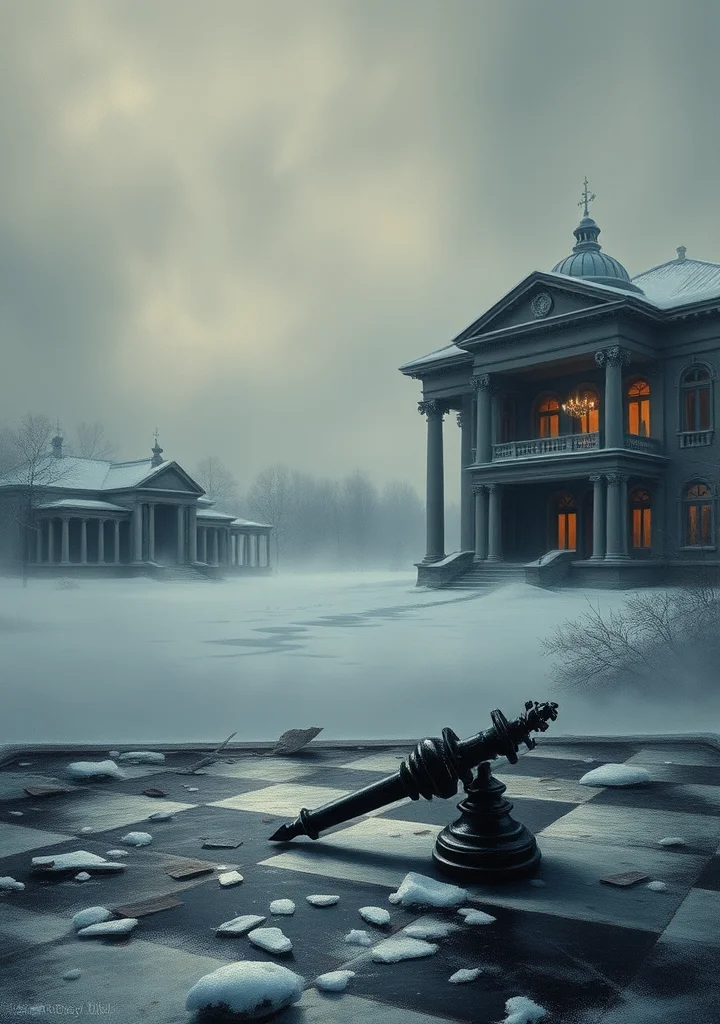
A chill wind whispers across the vast, snow-laden estates of Russia, carrying with it the scent of decaying grandeur and unspoken desires. Eugene Onegin unfolds as a spectral lament, a dance between ennui and icy longing. The narrative drifts through opulent St. Petersburg salons and desolate country landscapes, mirroring the fractured heart of its titular anti-hero. A suffocating weight of societal expectation hangs over every gilded ballroom and frozen field, breeding a pervasive melancholy that clings to the ornate interiors like frost. The story unfolds not as a rush of events, but as a slow bleed of regret, observed through the gauze of memory and regret. The characters—polished, brittle, and haunted by their own reflections—move within shadowed chambers and moonlit gardens, their passions stifled by convention. A creeping sense of doom pervades the narrative as love, ambition, and social alienation intertwine, culminating in a tragedy born not of dramatic outburst, but of quiet desperation. The prose itself breathes with the stillness of a winter forest, each phrase meticulously crafted to evoke the cold beauty of the Russian landscape and the frigid indifference of its aristocracy. It is a world of half-tones and whispered secrets, where the shadows lengthen with each passing year and the weight of unfulfilled longing threatens to consume all who dare to seek happiness within its borders. The narrative is less a tale of action, and more a haunting echo of what could have been, lingering in the frosted breath of a forgotten age.