
-
Read 443
-
0
-
Part 28
Completed, First published Mar 02, 2026
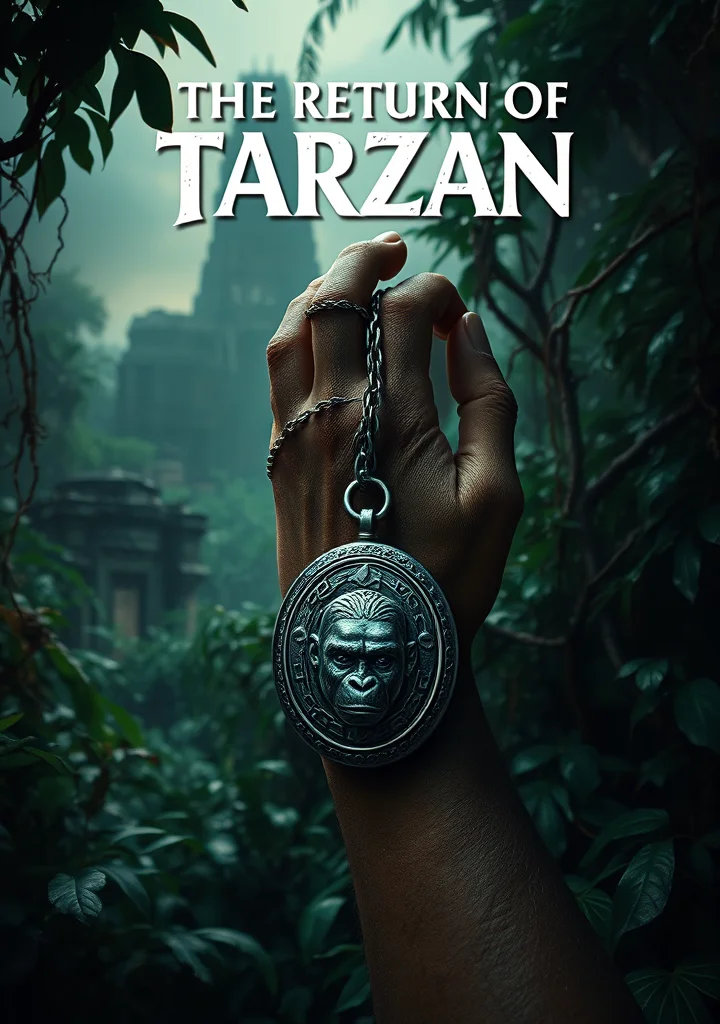
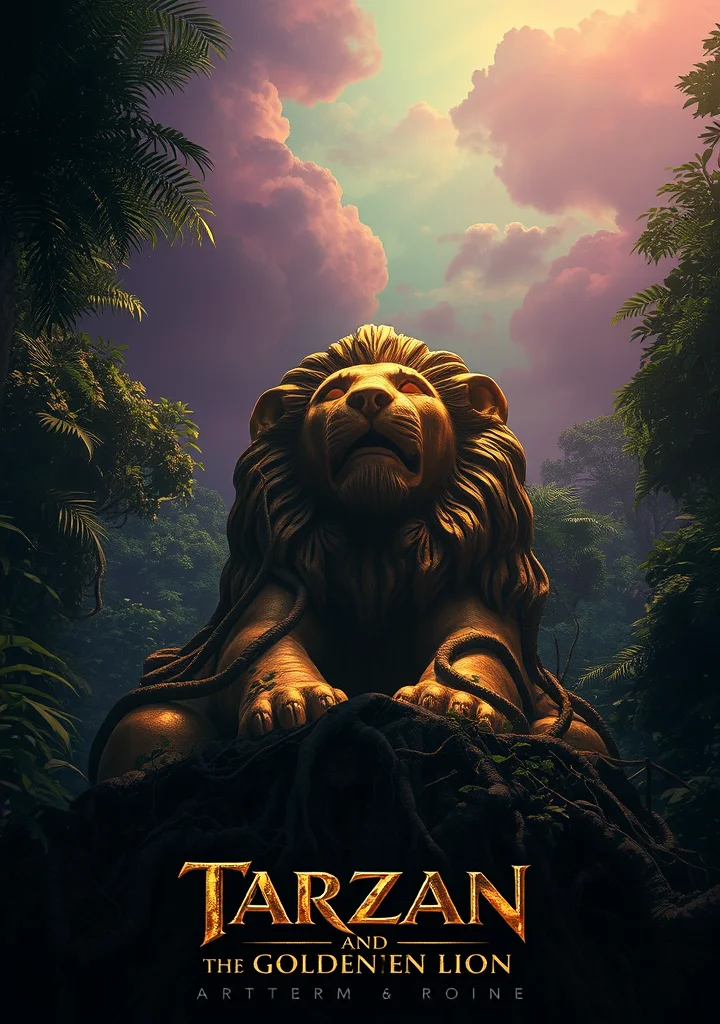
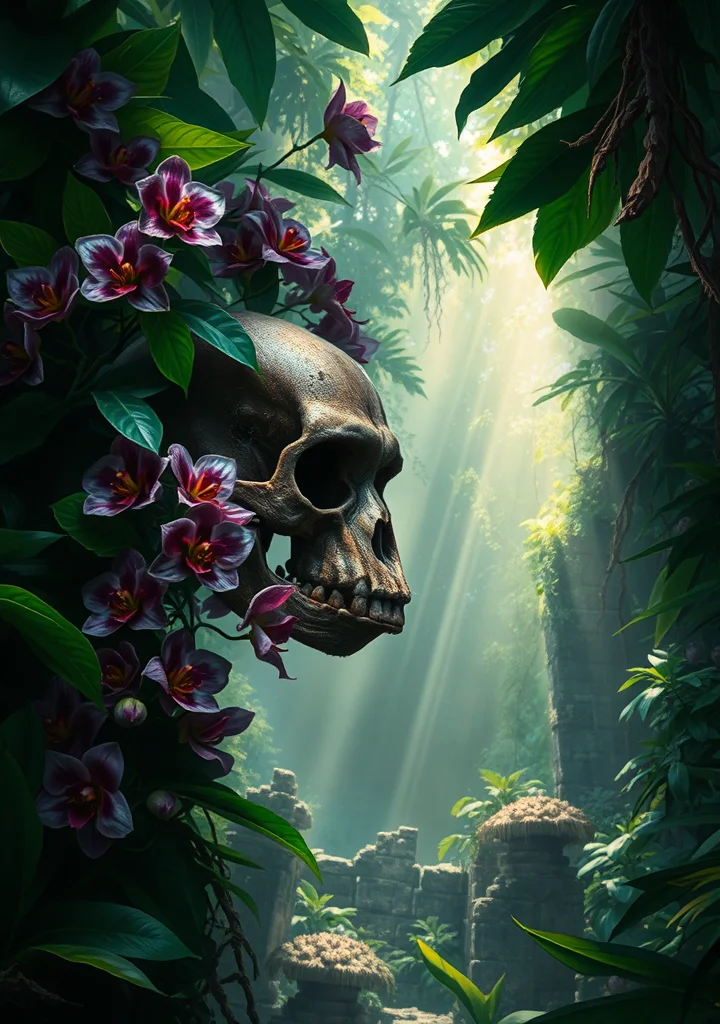
Beneath a bruised, equatorial sky, a kingdom of emerald rot and shadowed ambition bleeds into the heart of Africa. Not the Eden of youthful legend, but a realm choked by the legacy of a lost lineage, where savagery is a throne and betrayal a whispered prayer in the humid night. This is not Tarzan of the apes, but Tarzan of the blade – a man forged in the crucible of vengeance, haunted by the ghosts of his fathers and driven by a terrible inheritance.
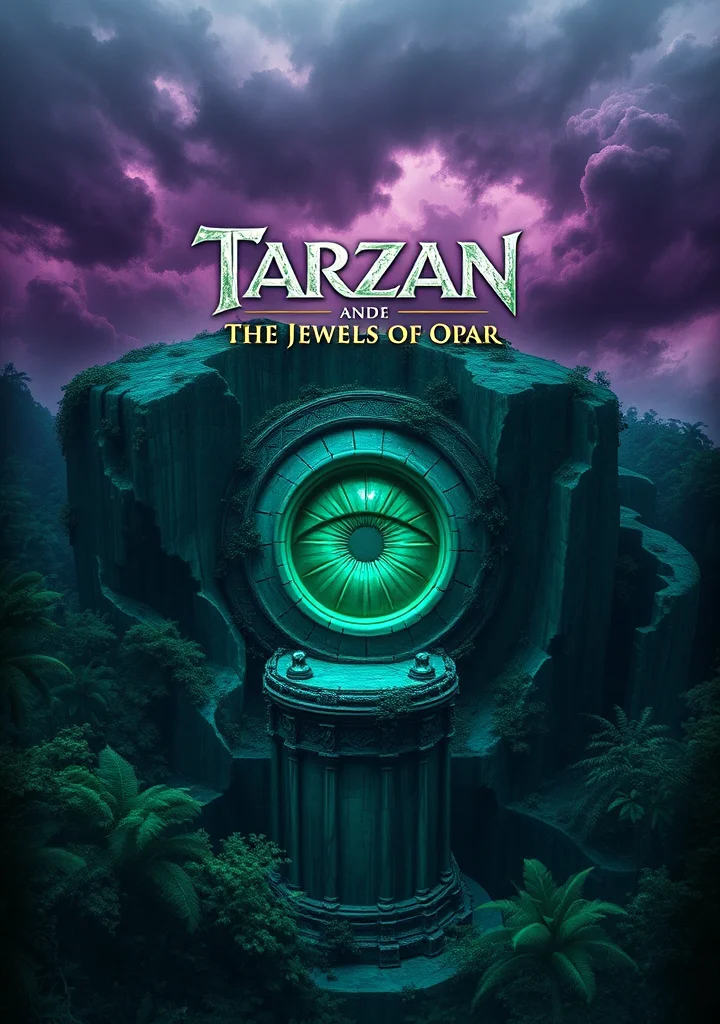
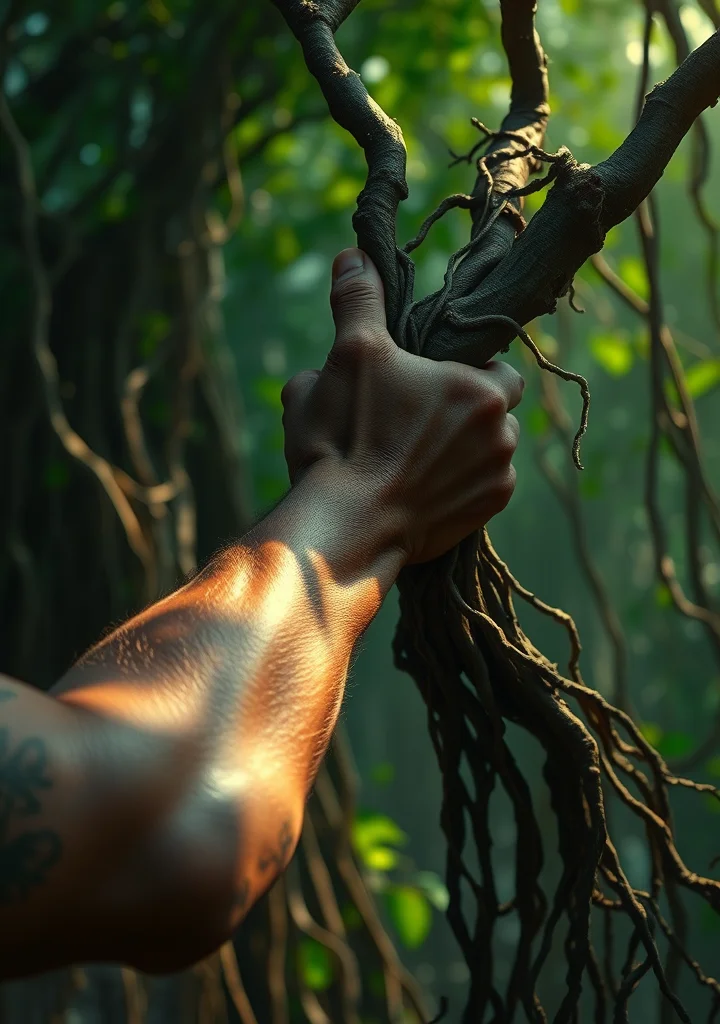
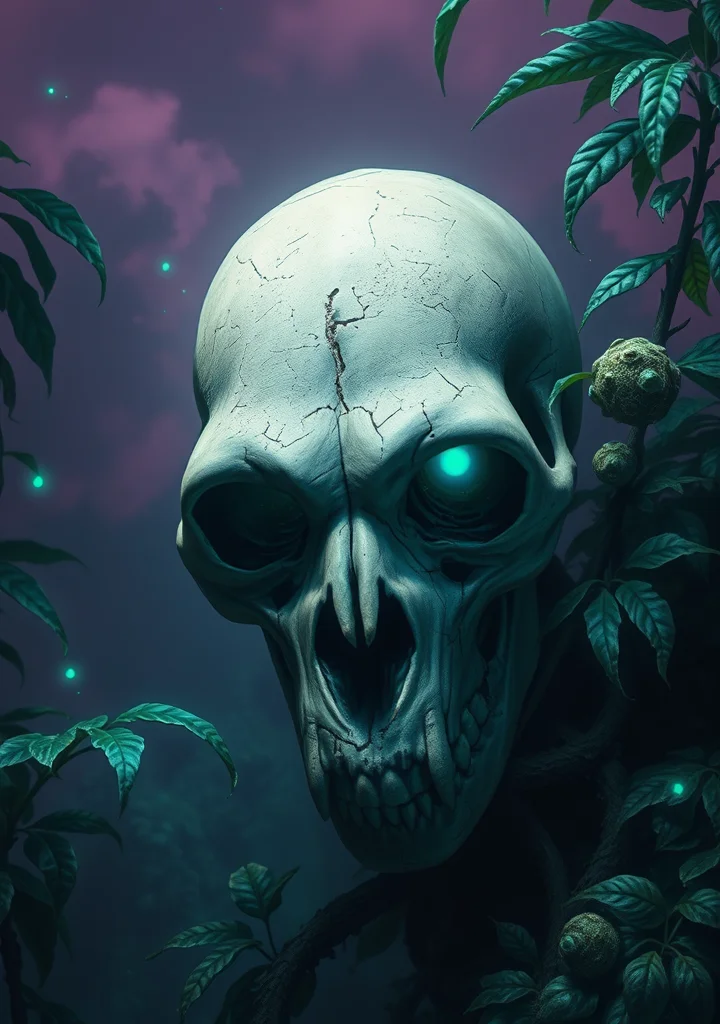
The jungle breathes with a predatory intelligence, mirroring the darkness blooming within the man who claims dominion. Here, forgotten cities fester beneath canopies woven with venomous vines, and the echoes of ancient sorceries cling to crumbling stone. Each step through the steaming undergrowth is a descent into a primal darkness, where the line between hunter and hunted dissolves into the crimson stain of ritual and the echoing screams of those consumed by a hunger older than time.
He moves not as a noble savage, but as a specter of retribution, his presence unleashing a tide of blood and broken idols. The air hangs thick with the scent of decay, the promise of violence, and the chilling knowledge that beneath the veneer of civilization, a monstrous heart beats in time with the drums of forgotten gods. This is a Tarzan born of shadow, a king crowned in carnage, and his reign will be written in the bones of a continent consumed by its own terrible desires.
Copyright: Public Domain
This license allows anyone to use your story for any purpose, including printing, selling, or adapting it into a film freely.
This license allows anyone to use your story for any purpose, including printing, selling, or adapting it into a film freely.
More like this