
-
Read 703
-
0
-
Part 39
Completed, First published Mar 02, 2026
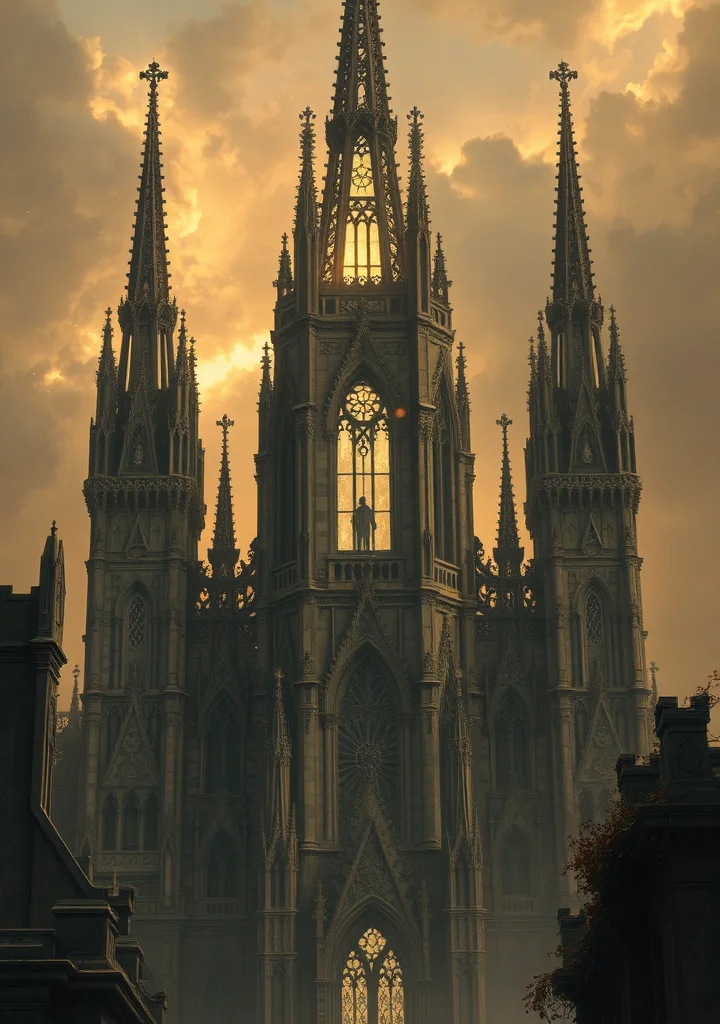
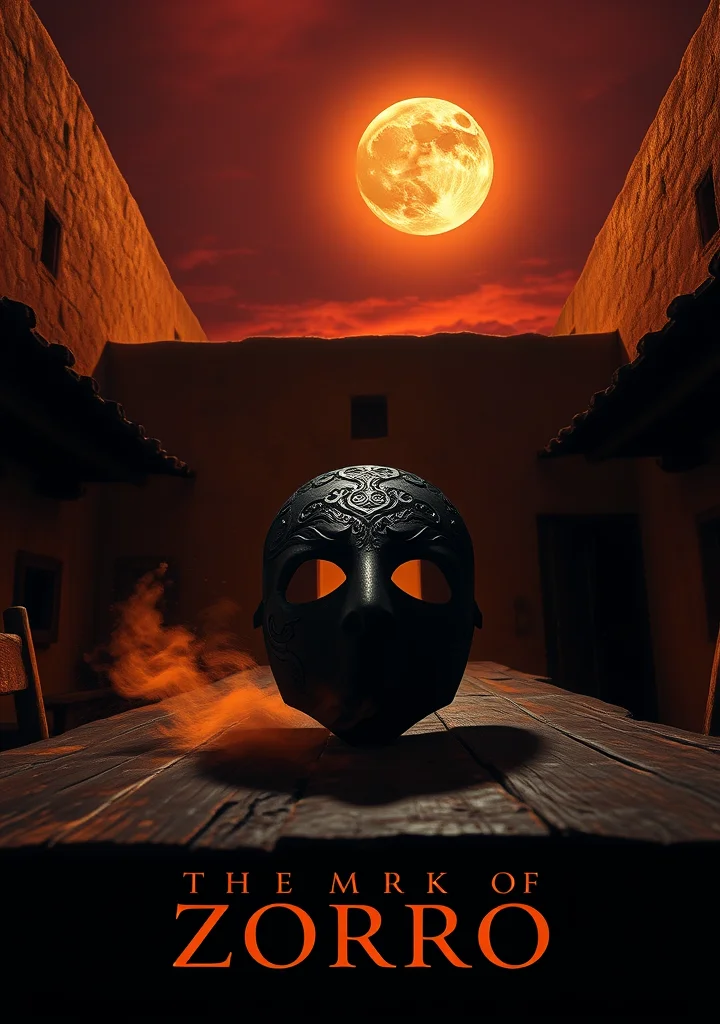
Moon-bleached adobe bleeds into shadow as a reign of terror grips Old California. Not of bandits, but of a chilling, calculated justice delivered by a phantom masked in black. Dust devils whisper of a disgraced nobleman, driven to vengeance by cruelty beyond the reach of law. The haciendas breathe secrets within their crumbling walls, haunted by the echo of steel and the scent of jasmine and despair. Each strike of Zorro’s blade isn’t merely defiance, but a fracturing of the brittle peace held together by corrupt officials and avarice. The air itself thickens with the weight of unspoken grievances, clinging to the crumbling missions and the sun-scorched vineyards. A suffocating darkness seeps from the very earth, mirroring the despair that festers within the hearts of those wronged. The story unfolds not as a swashbuckler's romp, but as a descent into a land where honor is a ghost, and the only true solace lies in the cool steel of retribution under a starless, suffocating night. The mark left isn’t merely a signature on a challenge, but a brand seared onto the soul of a dying empire, promising only more shadows to come.
Copyright: Public Domain
This license allows anyone to use your story for any purpose, including printing, selling, or adapting it into a film freely.
This license allows anyone to use your story for any purpose, including printing, selling, or adapting it into a film freely.
Chapter List
-
« I »📖 Continue Reading
-
« II »
-
« III »
-
« IV »
-
« V »
-
« VI »
-
« VII »
-
« VIII »
-
« IX »
-
« X »
-
« XI »
-
« XII »
-
« XIII »
-
« XIV »
-
« XV »
-
« XVI »
-
« XVII »
-
« XVIII »
-
« XIX »
-
« XX »
-
« XXI »
-
« XXII »
-
« XXIII »
-
« XXIV »
-
« XXV »
-
« XXVI »
-
« XXVII »
-
« XXVIII »
-
« XXIX »
-
« XXX »
-
« XXXI »
-
« XXXII »
-
« XXXIII »
-
« XXXIV »
-
« XXXV »
-
« XXXVI »
-
« XXXVII »
-
« XXXVIII »
-
« XXXIX »
39
-
« I »
-
« II »
-
« III »
-
« IV »
-
« V »
-
« VI »
-
« VII »
-
« VIII »
-
« IX »
-
« X »
-
« XI »
-
« XII »
-
« XIII »
-
« XIV »
-
« XV »
-
« XVI »
-
« XVII »
-
« XVIII »
-
« XIX »
-
« XX »
-
« XXI »
-
« XXII »
-
« XXIII »
-
« XXIV »
-
« XXV »
-
« XXVI »
-
« XXVII »
-
« XXVIII »
-
« XXIX »
-
« XXX »
-
« XXXI »
-
« XXXII »
-
« XXXIII »
-
« XXXIV »
-
« XXXV »
-
« XXXVI »
-
« XXXVII »
-
« XXXVIII »
-
« XXXIX »
More like this