
Tarzan and the Jewels of Opar
  • 228
  • 0
  • 25
  • Reads 228
  • 0
  • Part 25
Completed, First published Mar 02, 2026

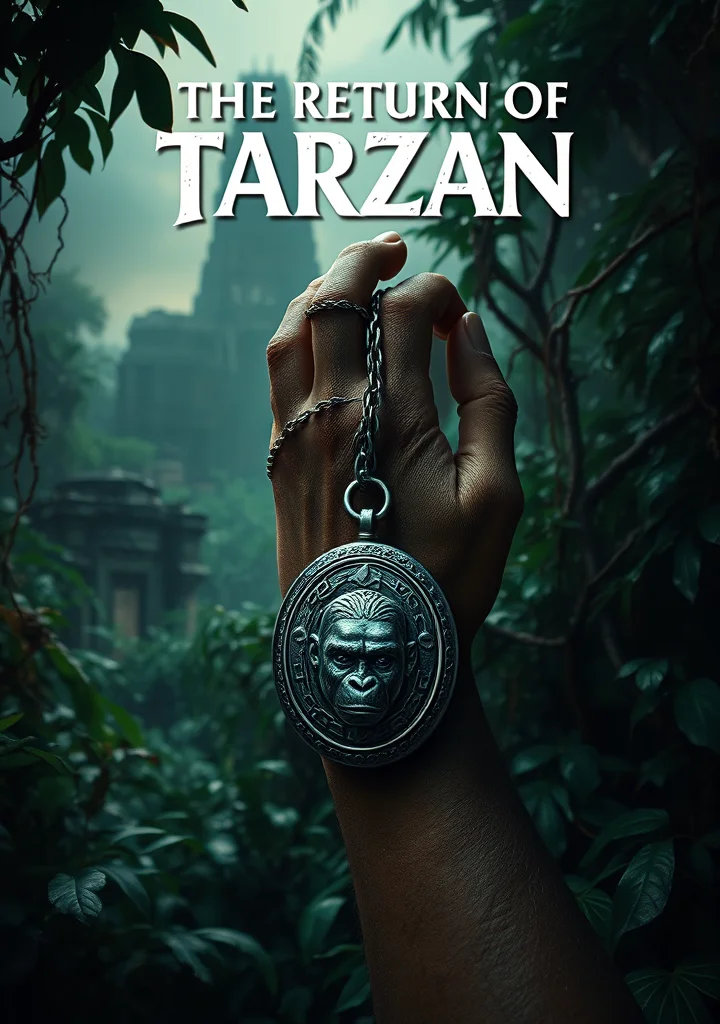
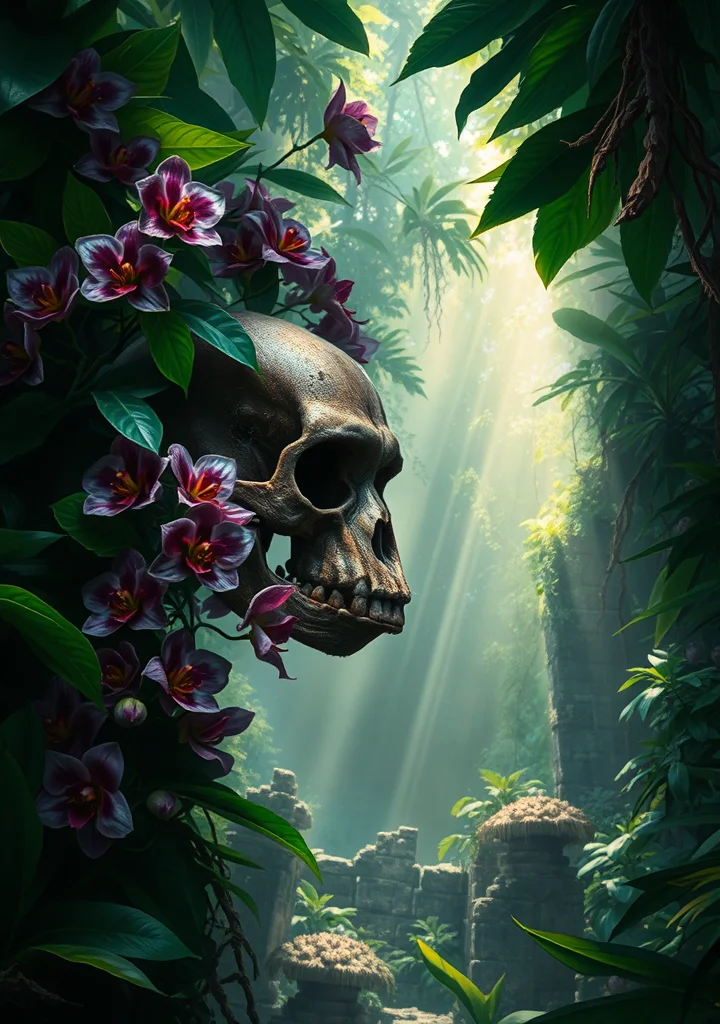
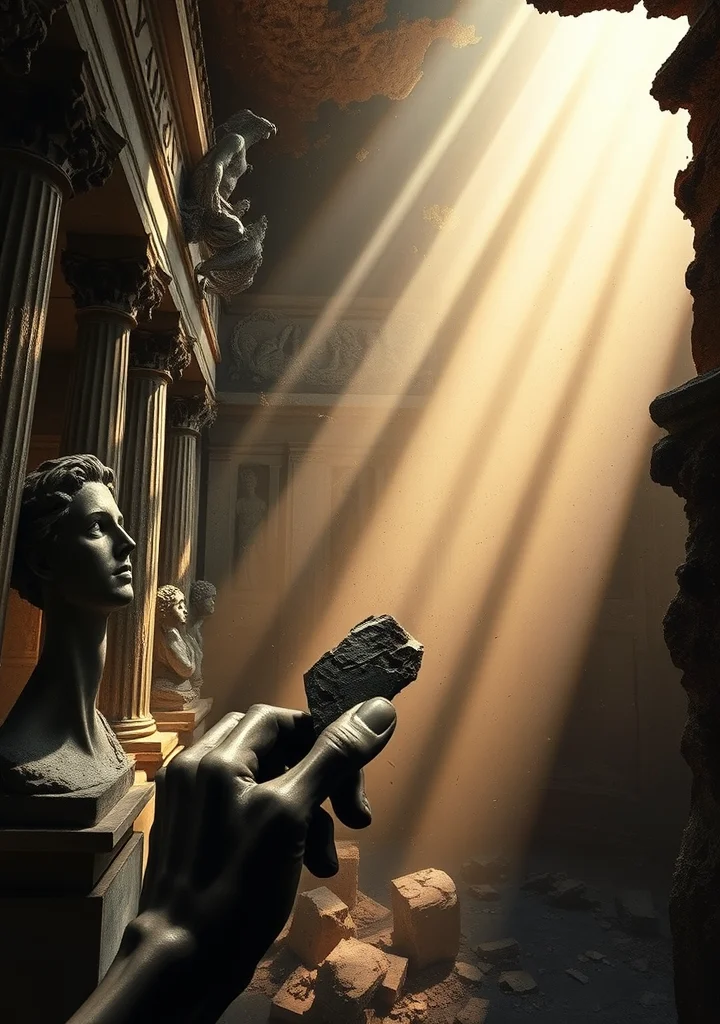
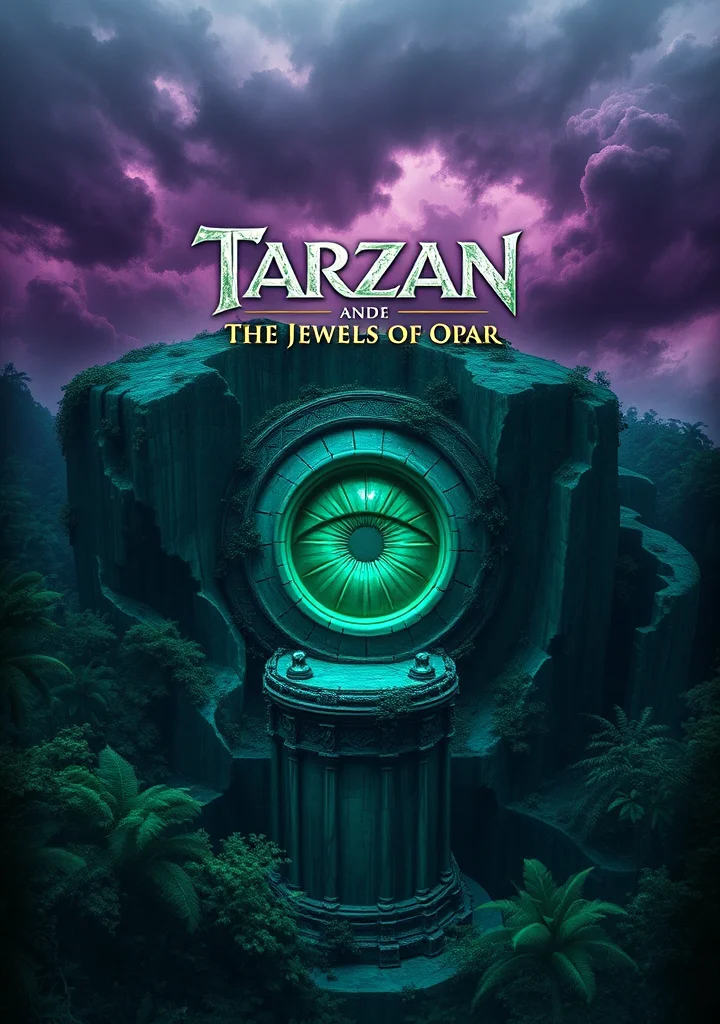
Beneath a bruised and fevered African sky, where emerald jungles strangle the bones of forgotten civilizations, lies Opar. A city sculpted from jade and gold, haunted by the spectral whispers of a dead dynasty and the chilling music of jeweled idols. Tarzan, lord of the apes, finds himself drawn into its suffocating embrace, not by the call of kinship, but by the glint of avarice in the eyes of men. But Opar is not merely stone and treasure. It is a tomb breathing with a suffocating antiquity, where the air itself tastes of decay and the shadows writhe with the forms of monstrous guardians. A suffocating claustrophobia clings to the stone walls, and the scent of jasmine and rot mingles in the humid air. Each step echoes with the weight of centuries, and every jewel pulses with a cold, insidious power. Here, amidst the suffocating opulence, the line between predator and prey blurs. Ancient curses cling to every facet of Opar's splendor, and the pursuit of wealth unravels the sanity of those who dare to seek it. The jungle's savage embrace gives way to a far more insidious horror – a gilded cage of madness, where the heart beats in time with the slow, deliberate rhythm of a dying god. The jungle itself seems to hold its breath, anticipating the inevitable collapse of ambition into dust and bone.
Copyright: Public Domain
This license allows anyone to use your story for any purpose, including printing, selling, or adapting it into a film freely.
Recommended for you
16 Part
A creeping dread clings to the Yorkshire moors, mirroring the decay within Ravensthorpe Manor. The estate, a skeletal silhouette against perpetual twilight, holds a silence thicker than the November fog—a silence punctuated only by the frantic whispers of servants and the brittle coughs of its ailing master, Sir Alistair. He is a man haunted by shadows, both real and imagined, obsessed with uncovering a family curse tied to a missing heir and a portrait whose eyes seem to follow every movement. The narrative unfolds through fragmented diary entries and feverish accounts from those trapped within Ravensthorpe’s stone embrace. Each revelation unravels not a solution, but another layer of suffocating grief and ancestral guilt. The scent of damp earth and dying roses permeates every room, clinging to the velvet drapes and tarnished silver. A suffocating claustrophobia settles over the reader as the investigation descends into a labyrinth of secret passages, forgotten crypts, and the chilling echoes of past tragedies. The manor itself is a character, breathing with a malevolent history. Rain lashes against the leaded windows, mirroring the tempest brewing within the hearts of those who dare to seek the truth. But the truth, when it finally surfaces, is not a grand revelation, but a splintering of sanity, a descent into the madness that has always festered within Ravensthorpe’s walls. It is a tragedy not merely witnessed, but inhaled—a slow, insidious poisoning of the soul.
33 Part
A creeping fog clings to the skeletal remains of Victorian industry, a rust-colored haze that seeps into the very bones of a landscape once promising progress. This is not a return to a land remembered fondly, but a descent into a mirrored nightmare where the echoes of utopian striving have curdled into a chilling, bureaucratic despair. The air hangs thick with the scent of decay – not of flesh, but of ambition gone sour, of reason meticulously dismantled. The streets of Erewhon, once gleaming with naive idealism, are now haunted by the ghosts of enforced wellness, of machines built to mimic life yet devoid of soul. Every perfectly ordered garden conceals a rot beneath the manicured blooms. A sense of pervasive surveillance doesn’t come from watchful eyes, but from the suffocating weight of conformity. The narrative unfolds as a fractured pilgrimage through a society meticulously constructed on denial—denial of sickness, of suffering, of the very nature of being human. The architecture itself feels like a cage, each building a testament to the precision of a logic that has severed itself from empathy. The sun, when it deigns to appear, casts long, distorted shadows that dance with the shadows of the past, revealing the grotesque underbelly of a paradise built on lies. It is a place where the line between sanity and madness dissolves in a perpetual twilight, and where the only escape is to lose oneself in the labyrinthine corridors of its perfectly engineered delusion. A suffocating stillness permeates everything, broken only by the rhythmic, mechanical beat of a heartless order.