
Jacob’s Room
  • 94
  • 0
  • 15
  • Reads 94
  • 0
  • Part 15
Completed, First published Mar 02, 2026

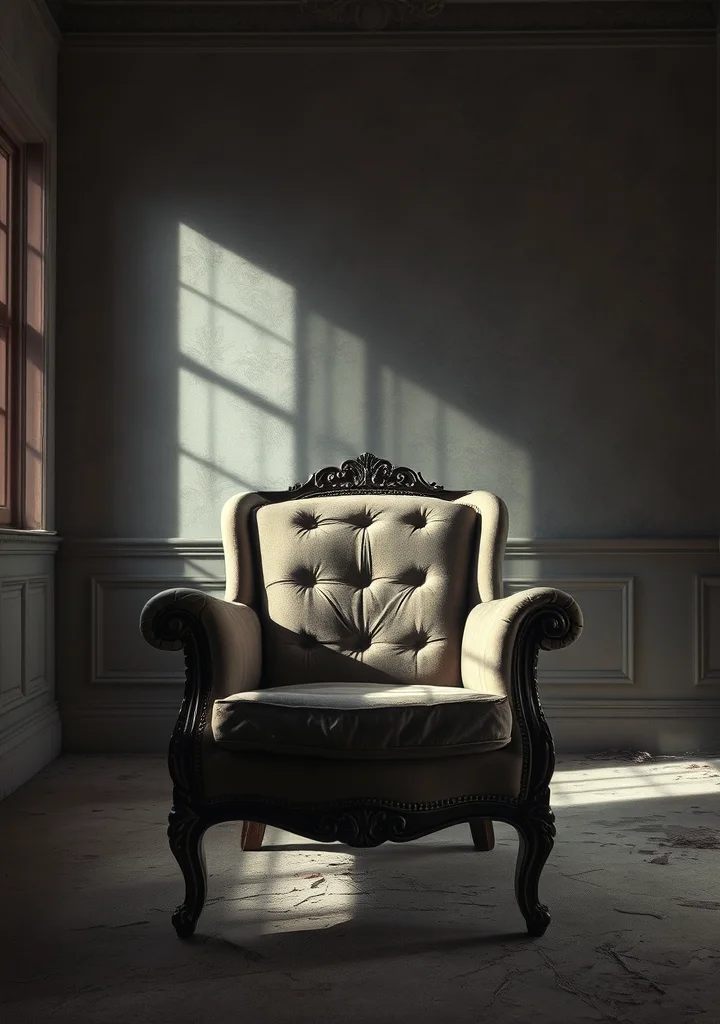
Dust motes dance in the perpetual twilight of Jacob’s absence. Not a story of what was *done*, but of what was *felt* around a void. The rooms themselves—London parlours, seaside verandas, shadowed corners of war—become characters, suffocating with memory. Each object—a chipped teacup, a forgotten letter, the scent of lilies—echoes Jacob’s fading presence, fracturing into fragmented glimpses of a life lived, then lost. A suffocating intimacy clings to the narrative, not of grief itself, but of its creeping tendrils, the way sorrow alters perception. The sea, a recurring motif, isn't liberation, but a grey, murmuring boundary between the living and the spectral. Woolf doesn’t chart a decline, but a dissolution. The reader is left not with a portrait of Jacob, but with the aching contours of the space he once occupied, a space haunted by the ghosts of unspoken desires and the slow erosion of a world irrevocably shaped by his vanishing. It is a house of echoes, built on silences, where the very act of remembering feels like an act of trespass.

Copyright: Public Domain
This license allows anyone to use your story for any purpose, including printing, selling, or adapting it into a film freely.
Recommended for you
36 Part
A creeping dread settles amidst the shadowed halls of reason. Locke’s treatises are not merely political arguments, but the cold, meticulous charting of a soul’s decay as it abandons divine right for the brittle embrace of individual will. The very air thickens with the scent of damp parchment and the phantom weight of relinquished authority. Each page feels less a declaration of liberty and more a testament to the fracturing of the ancient order—a splintering of the celestial hierarchy that births a hollow, echoing freedom. The gardens of natural law are overgrown with thorns of self-interest, and the estate of property is haunted by the spectral claims of those who once held dominion through grace. A pervasive unease clings to the text, suggesting that the contract, once sealed with blood and promise, now bleeds a slow poison into the foundations of society. The specter of rebellion, a gaunt figure glimpsed in the periphery of Locke’s measured prose, suggests a final, desperate act of severance—a severance not merely from the Crown, but from the very fabric of a world understood through faith. The silence following each assertion is not one of clarity, but of a widening abyss. It is a silence where the whispers of forgotten gods mingle with the rasping breaths of those who would forge a new world from the wreckage of the old, and it is a silence that promises only the chill of an unyielding, self-made winter. The treatise is a mausoleum built not of stone, but of ideas, and the air within is heavy with the dust of lost illusions.
117 Part
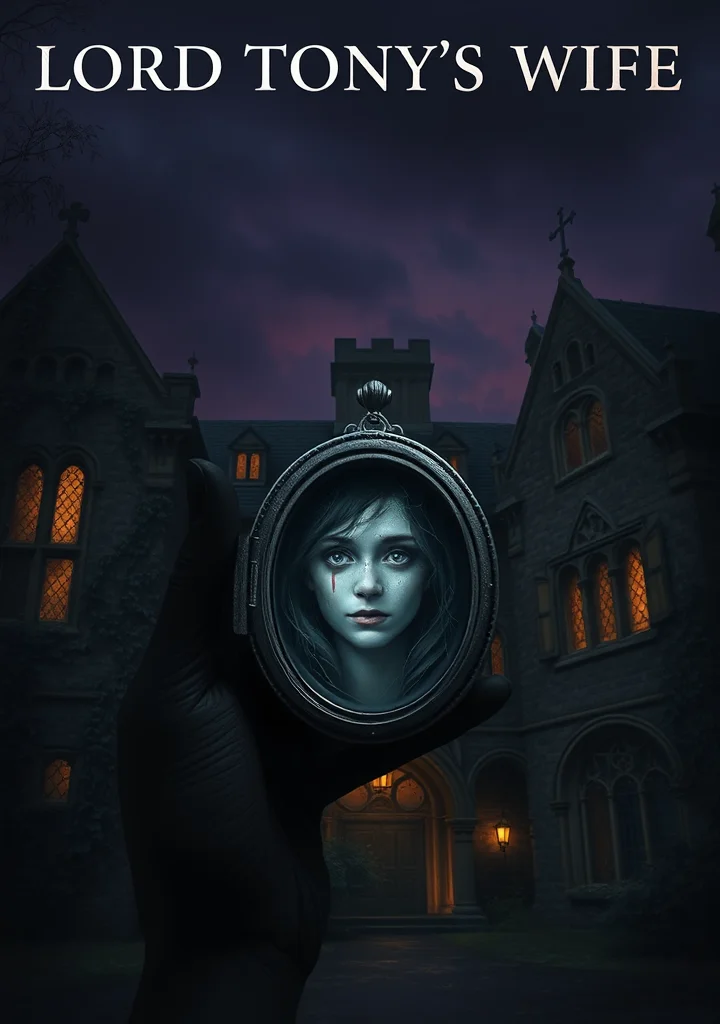
A perpetual twilight clings to Blackwood Grange, mirroring the shadowed corners of Lady Eleanor’s heart. Married to the infamous Lord Tony, a man whispered to have dealings with shadows and debts owed in crimson, she finds herself a gilded cage within his ancestral estate. The air hangs thick with the scent of decay – not just of crumbling stone and overgrown gardens, but of promises broken and lives forfeit. Each echoing footstep in the vast, labyrinthine halls hints at a history of betrayal, while the portraits lining the gallery seem to watch Eleanor’s descent into a chilling awareness of her husband’s true nature. A creeping dread permeates every room, woven into the very fabric of the house; a dread born not of ghostly apparitions, but of the suffocating weight of secrets held too long. The moorland surrounding Blackwood Grange breathes with a cold, hungry wind, carrying fragments of rumors and the cries of those lost to Lord Tony’s machinations. Eleanor is trapped within a suffocating elegance, where every smile feels like a calculated threat and every shadow a potential witness to her unraveling. The narrative unfolds like a slow poison, drawing the reader into a suffocating atmosphere of suspicion, where love is measured in bartered favors and loyalty is purchased with blood. The very stones of Blackwood Grange seem to weep with the despair of those who dared to cross Lord Tony’s path, and Eleanor’s fate hangs precariously balanced upon a single, unraveling thread of hope.