
The Rough Riders
  • 90
  • 0
  • 17
  • Reads 90
  • 0
  • Part 17
Completed, First published Mar 02, 2026

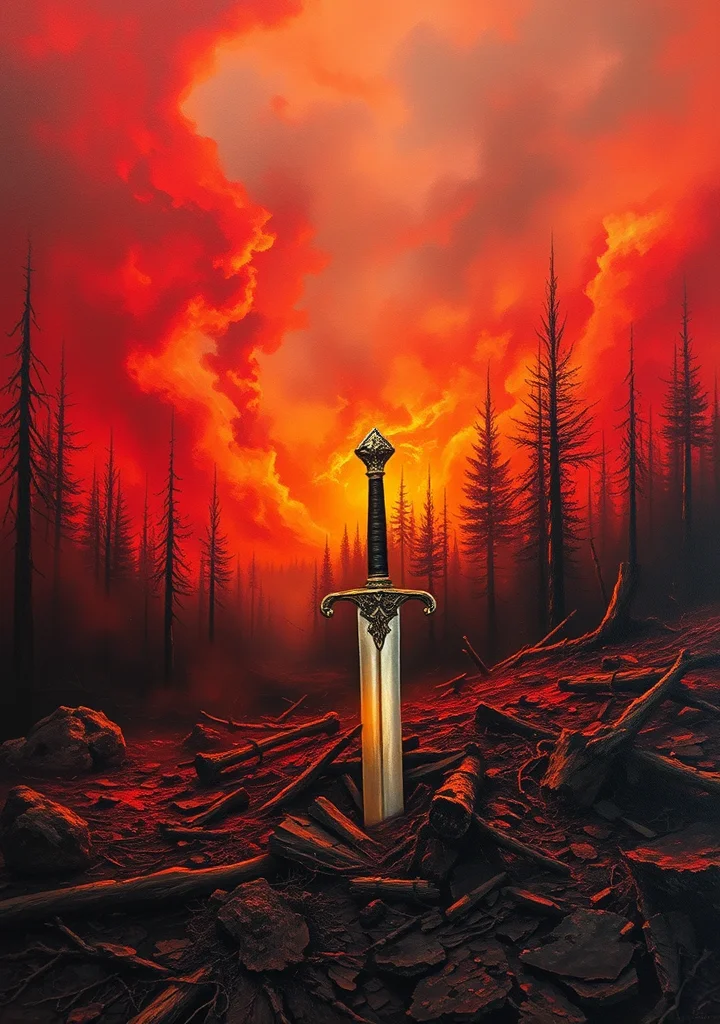
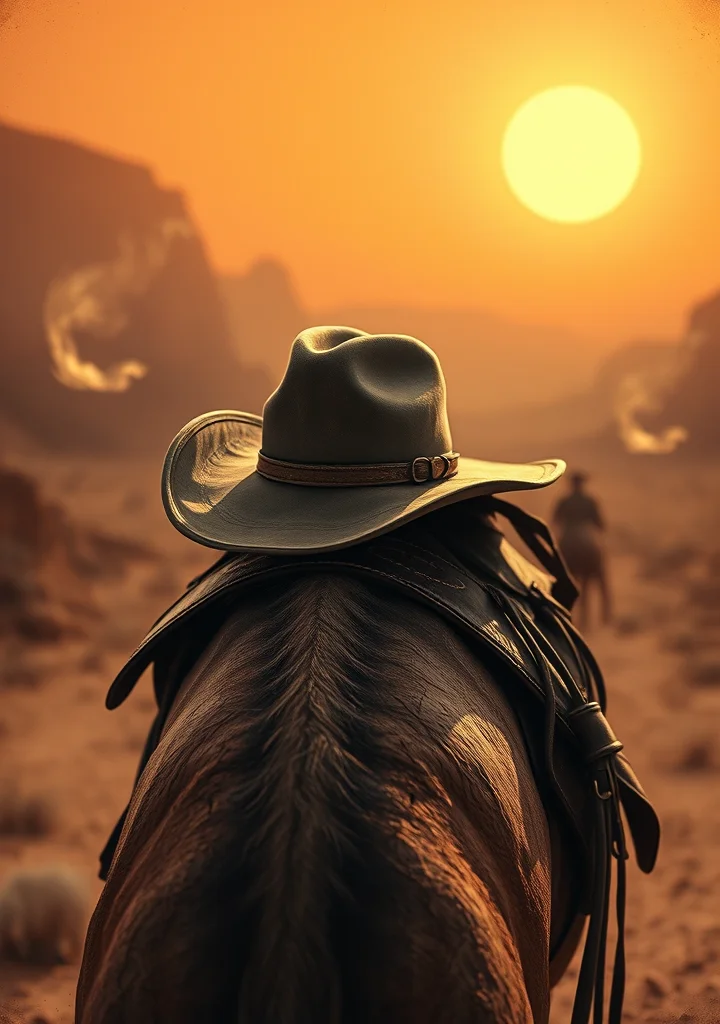
Dust hangs thick in the canyons, stained crimson not by sunset, but by the ghosts of ambition. This isn't a tale of glory, but of rot blossoming beneath a veneer of heroism. The Spanish sun bleeds across a landscape choked with fever dreams and the whispers of men broken by heat and fever. Roosevelt's men ride not towards victory, but into a fever-haunted delirium where the line between courage and madness dissolves into the scrubland. The scent of gunpowder clings to the air, mingling with the metallic tang of blood and the sickly sweetness of decay. Each charge is less a triumph, more a descent into a sun-scorched purgatory where the cries of the wounded echo in the canyons like the lament of lost souls. The Rough Riders aren't conquering heroes, but specters haunted by their own shadows, driven forward by a feverish lust for recognition that will consume them all. The very earth seems to weep with the weight of their passing, leaving a stain of darkness upon the land that lingers long after the last shot rings out. The Spanish landscape itself becomes a character, vast, indifferent, and hungry for the lives swallowed by its unforgiving terrain.

Copyright: Public Domain
This license allows anyone to use your story for any purpose, including printing, selling, or adapting it into a film freely.
Recommended for you
11 Part
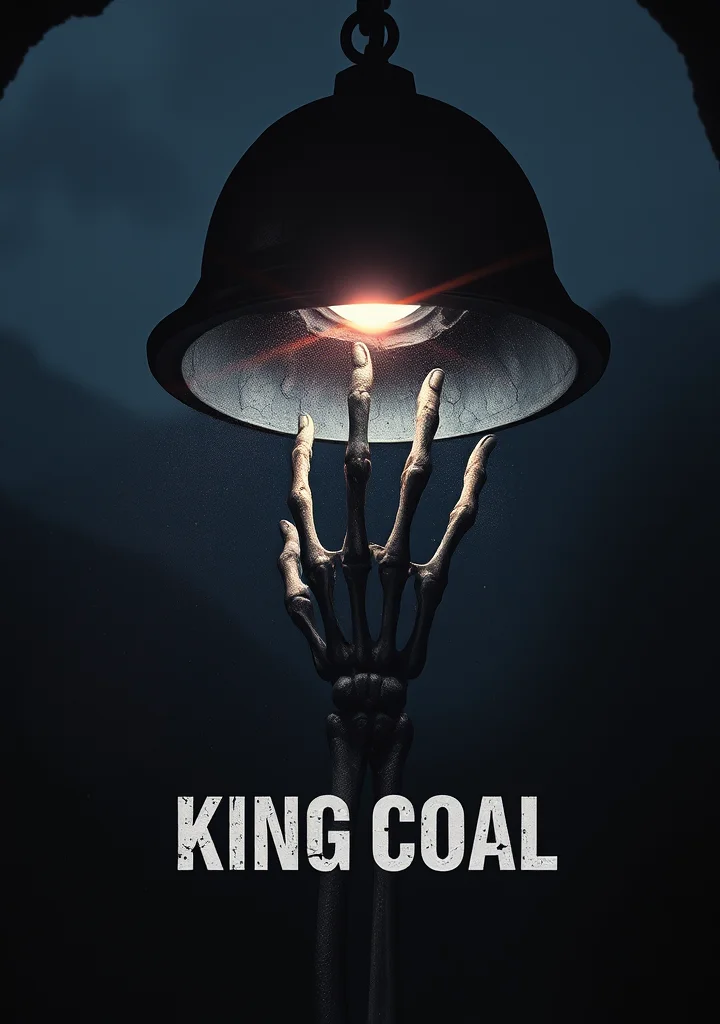
A suffocating dread clings to the stone of Otranto, a castle steeped in ancient prophecy and shadowed by generations of ambition. Within its echoing halls, the weight of a forgotten lineage presses down, manifested in the monstrous size of a helmet descending from unseen heights, crushing a son on his wedding day. The air itself is thick with superstition—portents bleed from decaying tapestries, and the very architecture seems to conspire against the living. A labyrinthine network of secret passages, crumbling vaults, and forgotten chambers breathes with the ghosts of tyrannical ancestors. The narrative unravels amidst flickering candlelight, revealing a lineage cursed by a dark inheritance—a claim to power purchased with blood and sealed by generations of unlawful deeds. The castle is not merely a structure, but a prison woven from despair. Its chambers are haunted by whispers of stolen birthrights, and the scent of decay permeates every stone. A creeping claustrophobia descends as the characters become puppets in a drama dictated by ancient scrolls and the machinations of a relentless, consuming fate. The shadows lengthen with each revelation, revealing a world where the boundaries between the living and the dead blur, and where the foundations of sanity crumble beneath the weight of ancestral sin. The narrative coils tighter, drawing the reader into a suffocating darkness where every breath is shadowed by the promise of violence and the chilling inevitability of the past returning to claim its due.
13 Part
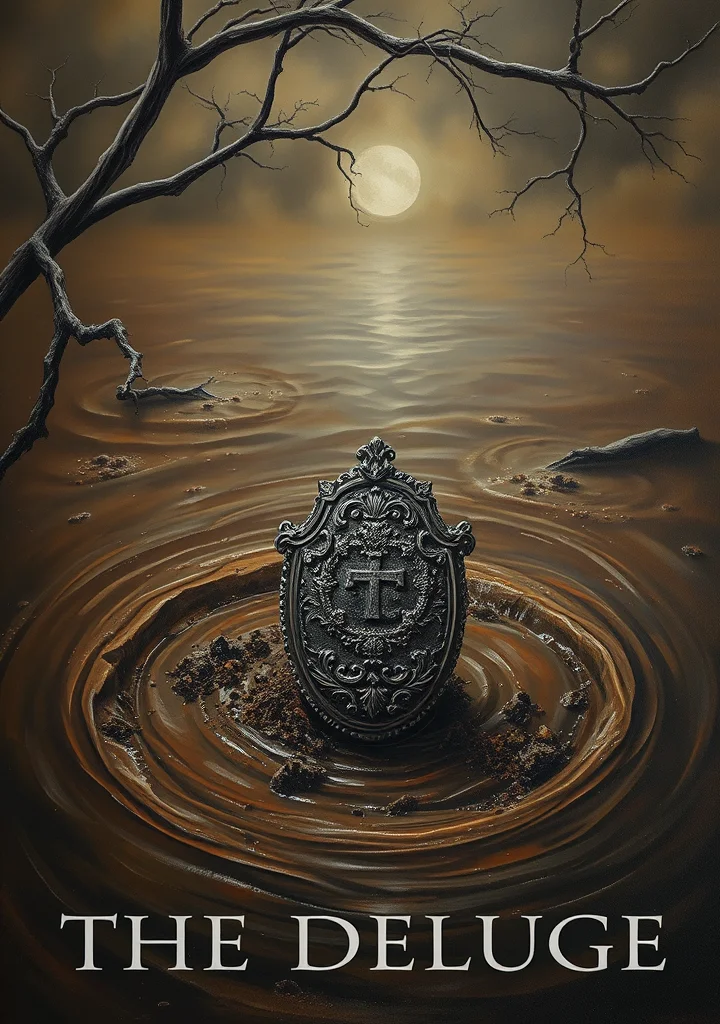
Dust motes dance in the perpetual twilight of the Algerian Sahara, clinging to the crumbling adobe walls of a forgotten fortress. Here, amidst shifting dunes and whispers of ancient Berber lore, lies Khaled, a man bound by a pact with djinn and shadowed by a legacy of blood and sand. The air itself tastes of regret, thick with the scent of myrrh and the phantom cries of generations consumed by the desert’s hunger. Crawford weaves a narrative steeped in the oppressive heat, where loyalty is a brittle thing, and the line between the living and the damned blurs with each scorching sunrise. Khaled isn’t merely a man, but a vessel for a history of violence, haunted by the spirits of those he’s sworn to protect – or to betray. The fortress becomes a suffocating tomb, echoing with the weight of forgotten oaths and the slow decay of stone. Every shadow conceals a betrayal, every whisper carries the threat of a reckoning. The landscape itself becomes a character, mirroring the fractured soul of the man at its heart. Expect not grand spectacle, but the creeping dread of isolation, the suffocating weight of tradition, and the unnerving realization that the true monsters are not those lurking in the darkness, but those born from the sun-scorched earth and the silences between breaths. The story unfolds like a slow poison, seeping into the marrow of your bones until you, too, feel the weight of Khaled’s burden, the desert’s curse, and the chilling promise of oblivion.
58 Part
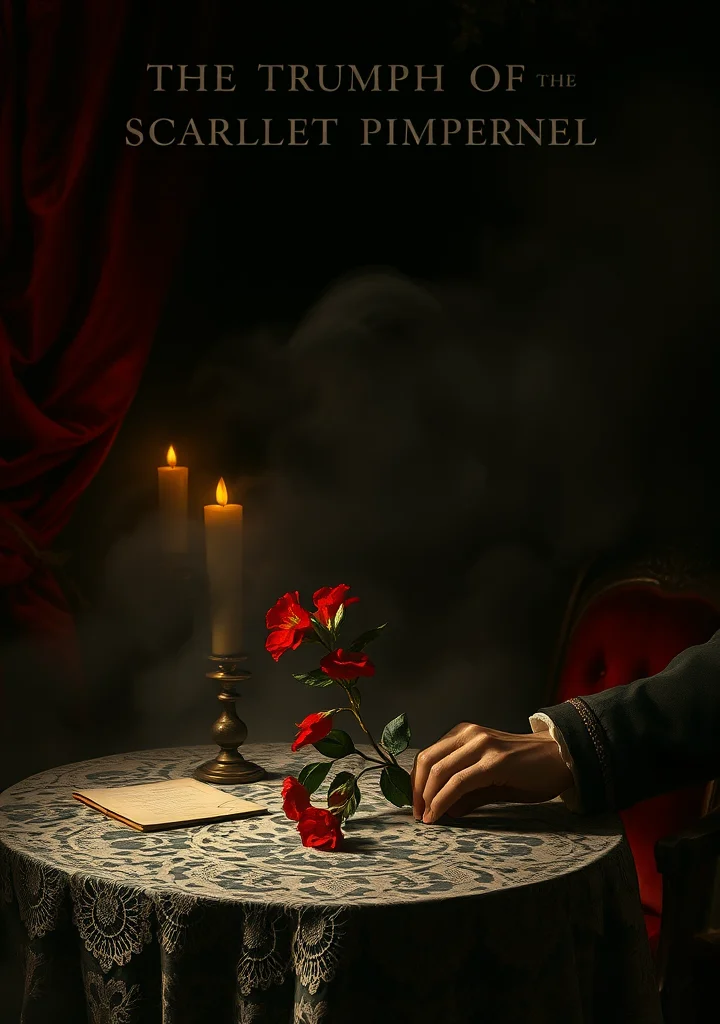
A creeping damp clings to the Wiltshire lanes, a stillness broken only by the sigh of unseen birds and the rustle of leaves under a bruised, autumnal sky. This is not a tale of grand horrors, but of a slow, insidious unraveling, witnessed through the eyes of a man adrift in the pastoral heart of England. The narrative breathes with the scent of decaying woodsmoke and the chill of morning mist, clinging to the hollows of ancient oaks. It’s a story of a man’s descent into a peculiar solitude, where the boundaries between the living world and the spectral realm thin with each passing dew-soaked hour. The world feels porous, permeable—a place where the ghosts of forgotten labourers linger in the fields, and the very soil seems to remember every footstep pressed into its yielding embrace. There’s a sense of something *watching* from the hedgerows, not malice exactly, but an ancient, weary awareness. The protagonist’s mind wanders, mirroring the labyrinthine paths of the woods, losing itself in reveries that bleed into unsettling visions. Sunlight, when it pierces the gloom, feels less like warmth and more like a cold, spectral illumination, revealing the bones beneath the beauty. The narrative doesn’t rush, but *seeps* into your consciousness like the damp that stains the stone walls of forgotten cottages. It’s a world where the everyday is haunted, where the simple act of walking a field path becomes a journey into the shadowed corners of the self, and where the dew-kissed morn promises not renewal, but a quiet, melancholic surrender to the encroaching stillness.
10 Part
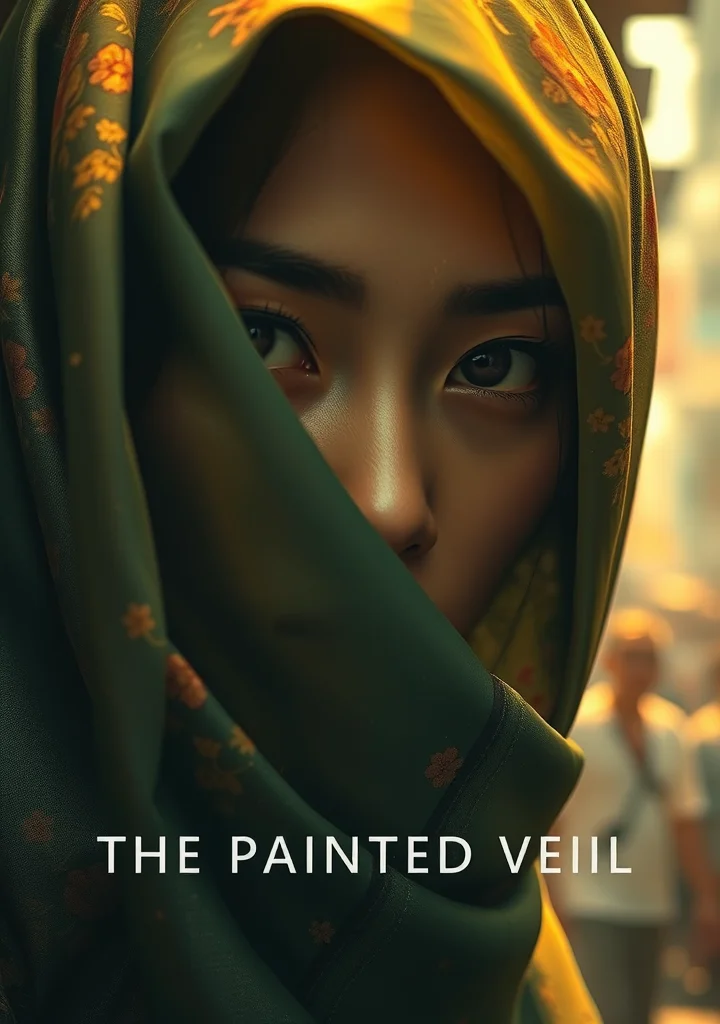
A suffocating heat clings to the decks of the *Narcissus*, a heat mirroring the festering discontent within its crew. The ship, a coffin adrift on a sun-blistered sea, carries not just cargo, but a contagion of the soul. A single, enigmatic figure – a lascar, branded with a venomous nickname – becomes the crucible for their simmering prejudices, their buried anxieties. The narrative doesn’t offer escape, but a slow, deliberate descent into the claustrophobia of shared confinement, where the boundaries of sanity blur with the shimmering mirages of the tropics. The air hangs thick with the weight of unspoken desires and simmering resentments, each wave a whispered threat against the rotting timbers. The sea itself feels less a vast expanse than a tightening noose. The lascar’s presence isn't merely a disruption; it’s an unraveling. As the ship lurches through storm-wracked nights and sun-drenched days, the crew’s descent into madness isn’t a burst of violence, but a creeping rot, a quiet fracturing of their own humanity. The *Narcissus* isn’t just sailing *to* darkness, it *is* darkness, breeding within its hold, seeping into the very wood and bone of those aboard. It is a descent into a delirium where the line between man and beast, sanity and delirium, dissolves into the salt-soaked horizon. The true horror isn’t found in what is seen, but in what festers unseen, within the shadowed corners of the human heart.