
-
Read 684
-
0
-
Part 58
Completed, First published Mar 02, 2026
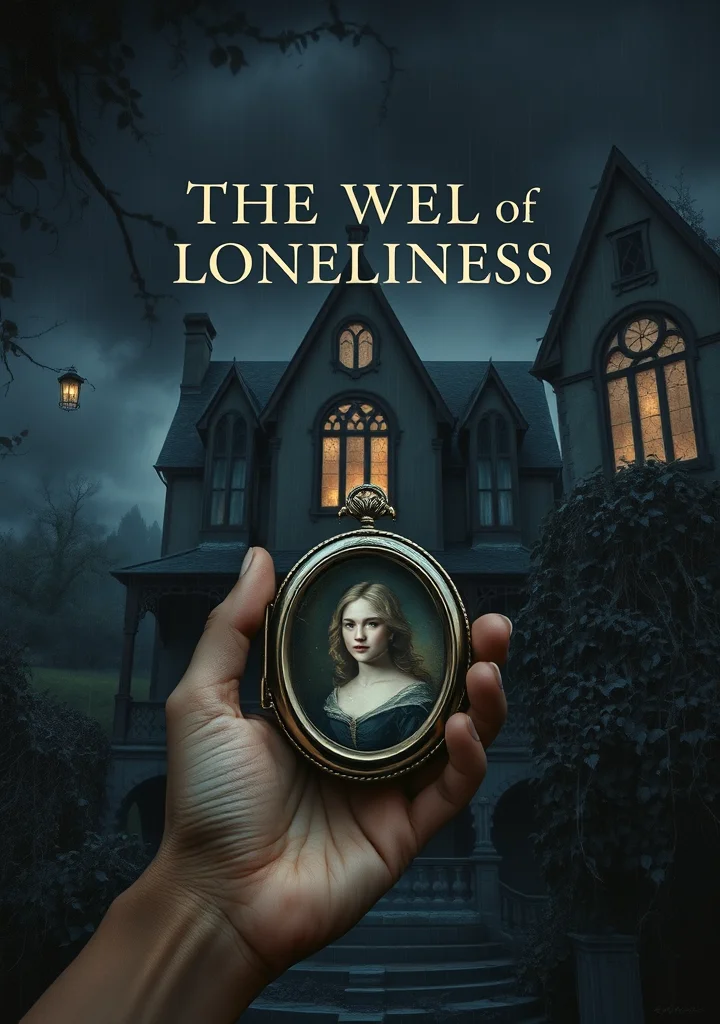
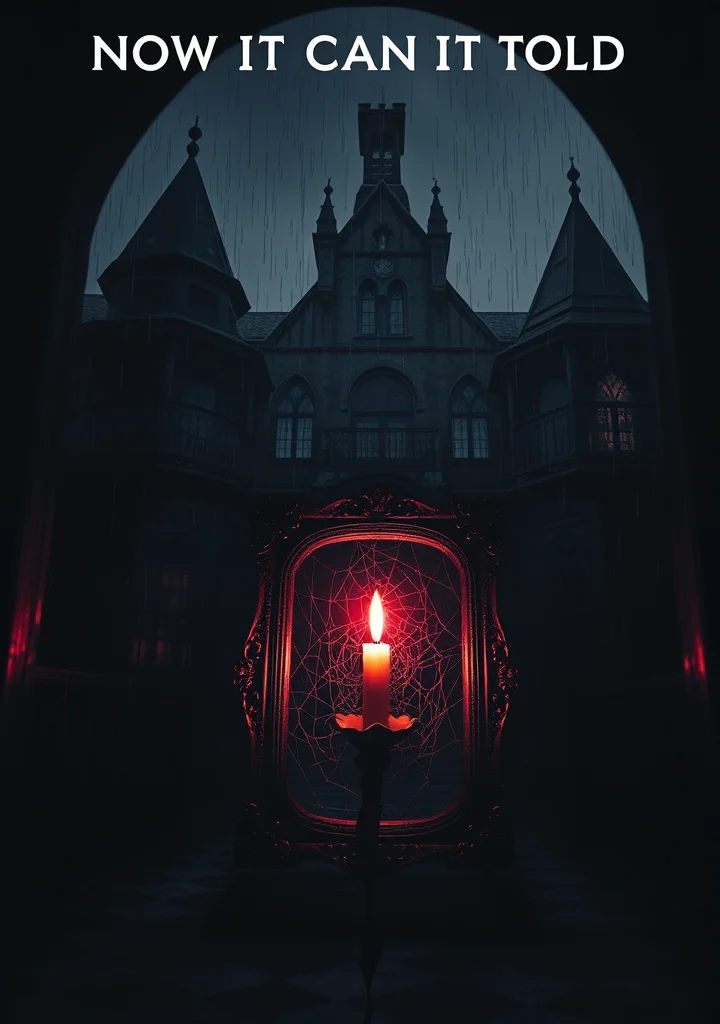
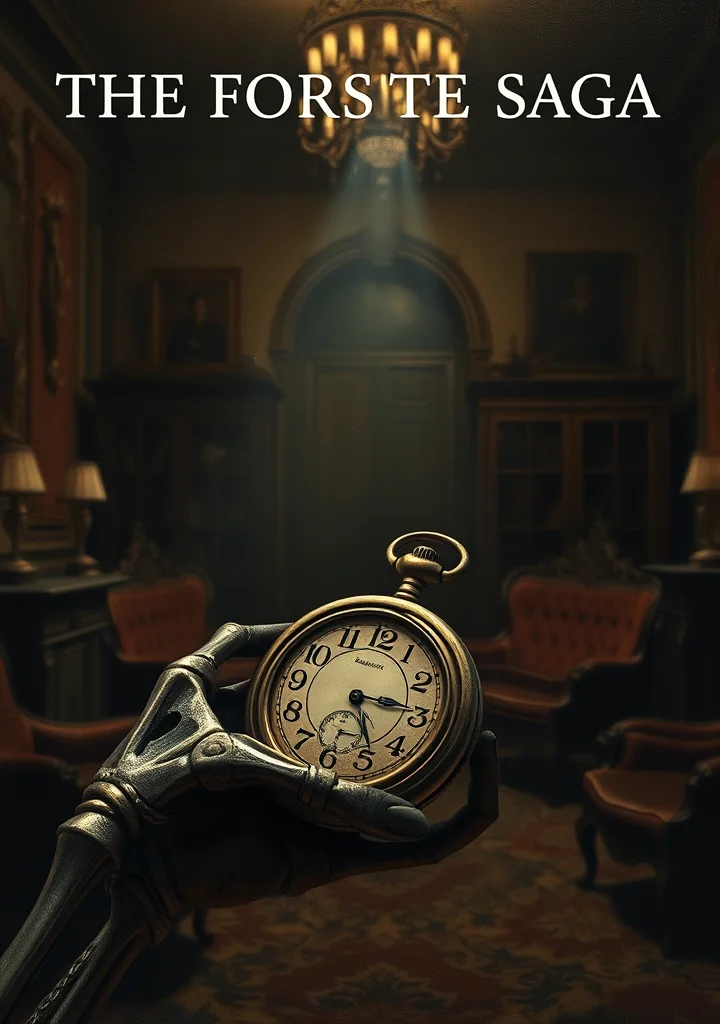
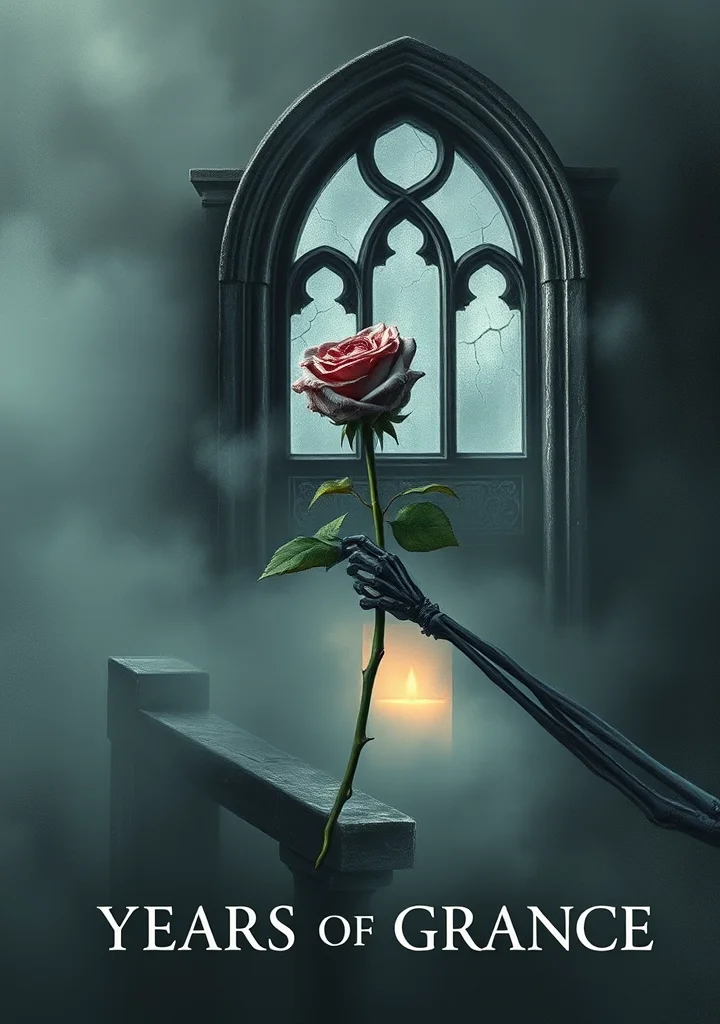
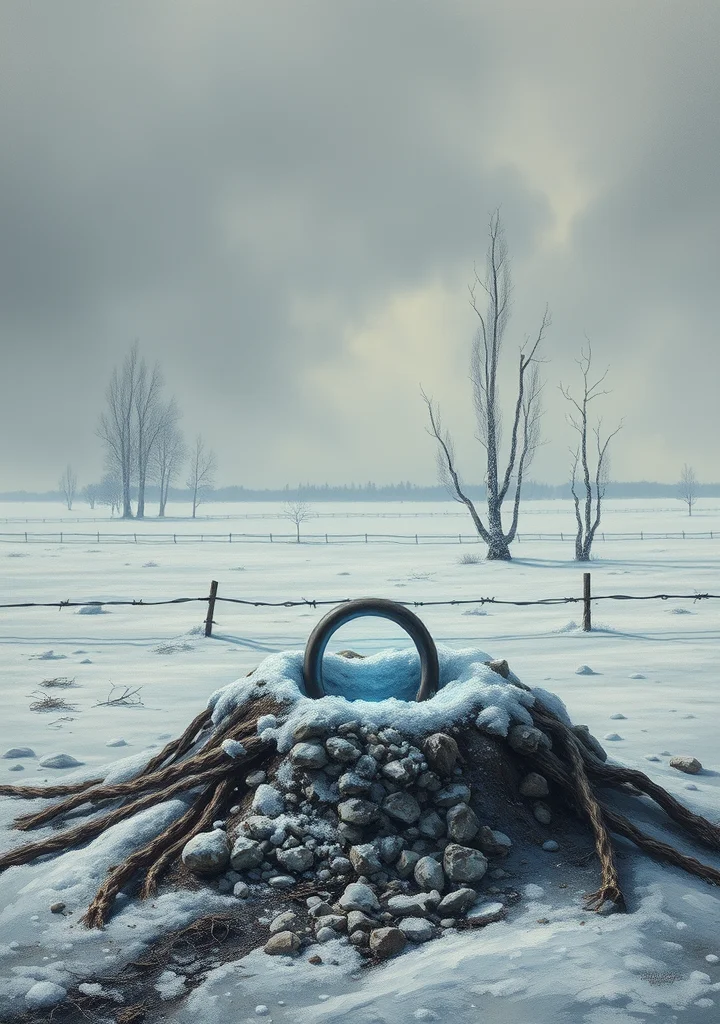
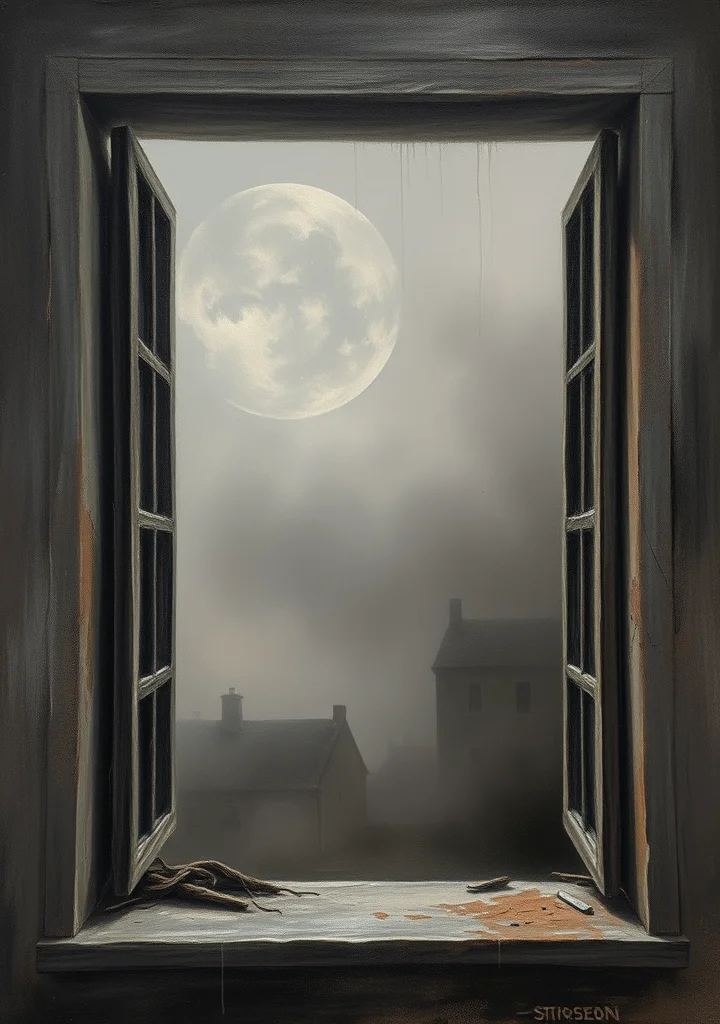
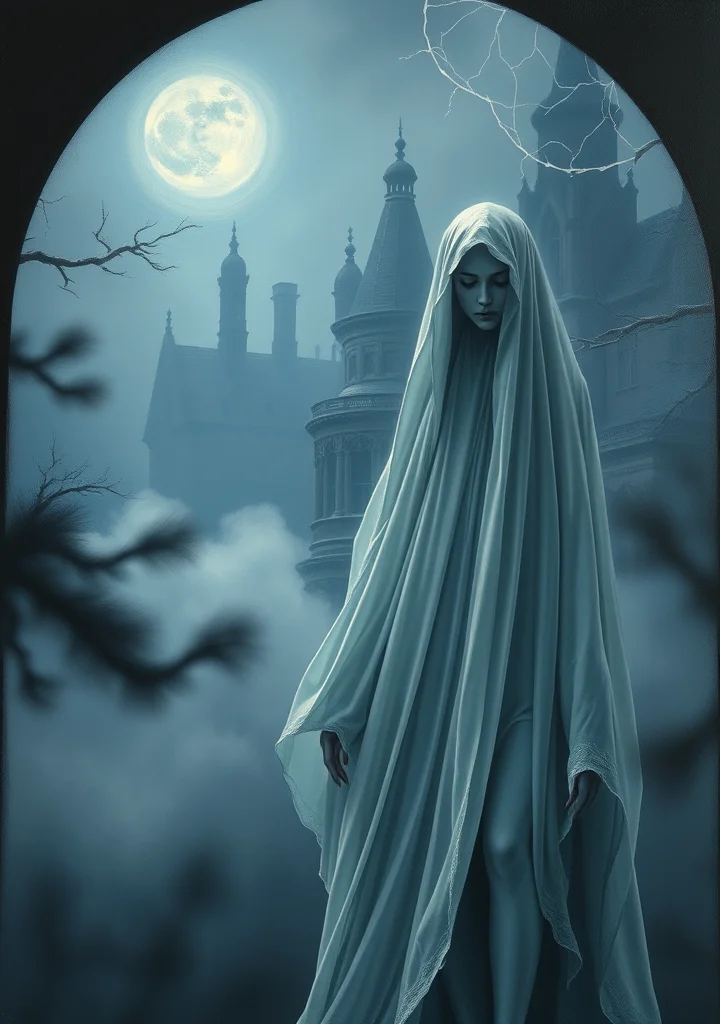
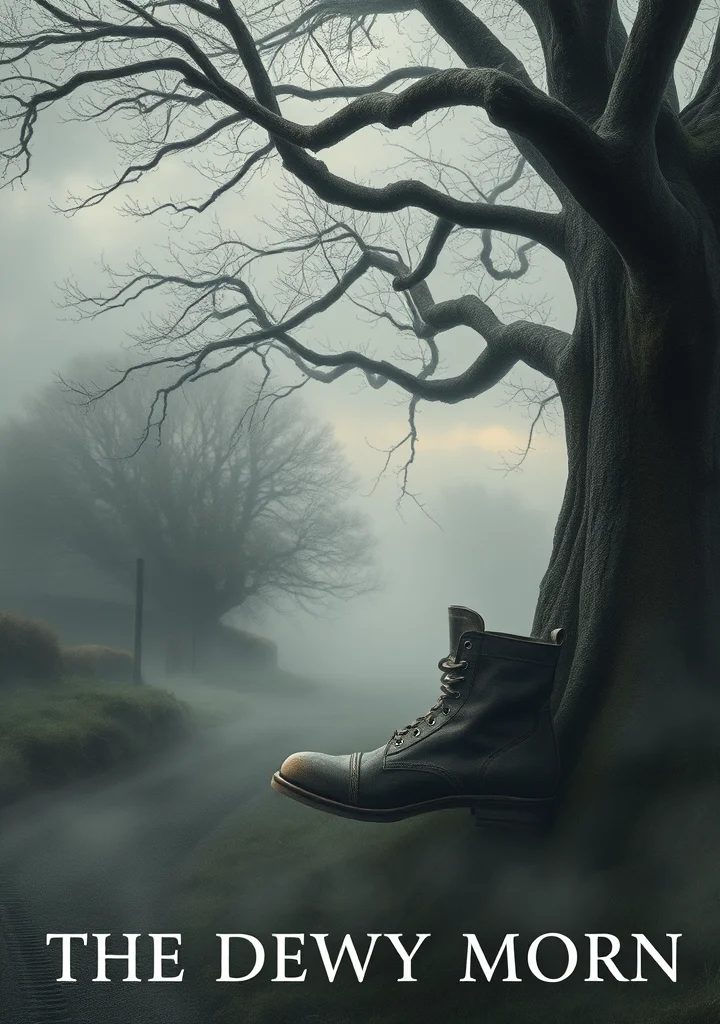
A creeping damp clings to the Wiltshire lanes, a stillness broken only by the sigh of unseen birds and the rustle of leaves under a bruised, autumnal sky. This is not a tale of grand horrors, but of a slow, insidious unraveling, witnessed through the eyes of a man adrift in the pastoral heart of England. The narrative breathes with the scent of decaying woodsmoke and the chill of morning mist, clinging to the hollows of ancient oaks. It’s a story of a man’s descent into a peculiar solitude, where the boundaries between the living world and the spectral realm thin with each passing dew-soaked hour.
The world feels porous, permeable—a place where the ghosts of forgotten labourers linger in the fields, and the very soil seems to remember every footstep pressed into its yielding embrace. There’s a sense of something *watching* from the hedgerows, not malice exactly, but an ancient, weary awareness. The protagonist’s mind wanders, mirroring the labyrinthine paths of the woods, losing itself in reveries that bleed into unsettling visions.
Sunlight, when it pierces the gloom, feels less like warmth and more like a cold, spectral illumination, revealing the bones beneath the beauty. The narrative doesn’t rush, but *seeps* into your consciousness like the damp that stains the stone walls of forgotten cottages. It’s a world where the everyday is haunted, where the simple act of walking a field path becomes a journey into the shadowed corners of the self, and where the dew-kissed morn promises not renewal, but a quiet, melancholic surrender to the encroaching stillness.
Copyright: Public Domain
This license allows anyone to use your story for any purpose, including printing, selling, or adapting it into a film freely.
This license allows anyone to use your story for any purpose, including printing, selling, or adapting it into a film freely.
Chapter List
-
« The Dewy Morn »📖 Continue Reading
-
« VolumeI »
-
« I »
-
« II »
-
« III »
-
« IV »
-
« V »
-
« VI »
-
« VII »
-
« VIII »
-
« IX »
-
« X »
-
« XI »
-
« XII »
-
« XIII »
-
« XIV »
-
« XV »
-
« XVI »
-
« XVII »
-
« XVIII »
-
« XIX »
-
« XX »
-
« XXI »
-
« XXII »
-
« XXIII »
-
« XXIV »
-
« XXV »
-
« VolumeII »
-
« I »
-
« II »
-
« III »
-
« IV »
-
« V »
-
« VI »
-
« VII »
-
« VIII »
-
« IX »
-
« X »
-
« XI »
-
« XII »
-
« XIII »
-
« XIV »
-
« XV »
-
« XVI »
-
« XVII »
-
« XVIII »
-
« XIX »
-
« XX »
-
« XXI »
-
« XXII »
-
« XXIII »
-
« XXIV »
-
« XXV »
-
« XXVI »
-
« XXVII »
-
« XXVIII »
-
« XXIX »
-
« XXX »
58
-
« The Dewy Morn »
-
« VolumeI »
-
« I »
-
« II »
-
« III »
-
« IV »
-
« V »
-
« VI »
-
« VII »
-
« VIII »
-
« IX »
-
« X »
-
« XI »
-
« XII »
-
« XIII »
-
« XIV »
-
« XV »
-
« XVI »
-
« XVII »
-
« XVIII »
-
« XIX »
-
« XX »
-
« XXI »
-
« XXII »
-
« XXIII »
-
« XXIV »
-
« XXV »
-
« VolumeII »
-
« I »
-
« II »
-
« III »
-
« IV »
-
« V »
-
« VI »
-
« VII »
-
« VIII »
-
« IX »
-
« X »
-
« XI »
-
« XII »
-
« XIII »
-
« XIV »
-
« XV »
-
« XVI »
-
« XVII »
-
« XVIII »
-
« XIX »
-
« XX »
-
« XXI »
-
« XXII »
-
« XXIII »
-
« XXIV »
-
« XXV »
-
« XXVI »
-
« XXVII »
-
« XXVIII »
-
« XXIX »
-
« XXX »
More like this