
Scarhaven Keep
  • 147
  • 0
  • 32
  • Reads 147
  • 0
  • Part 32
Completed, First published Mar 02, 2026

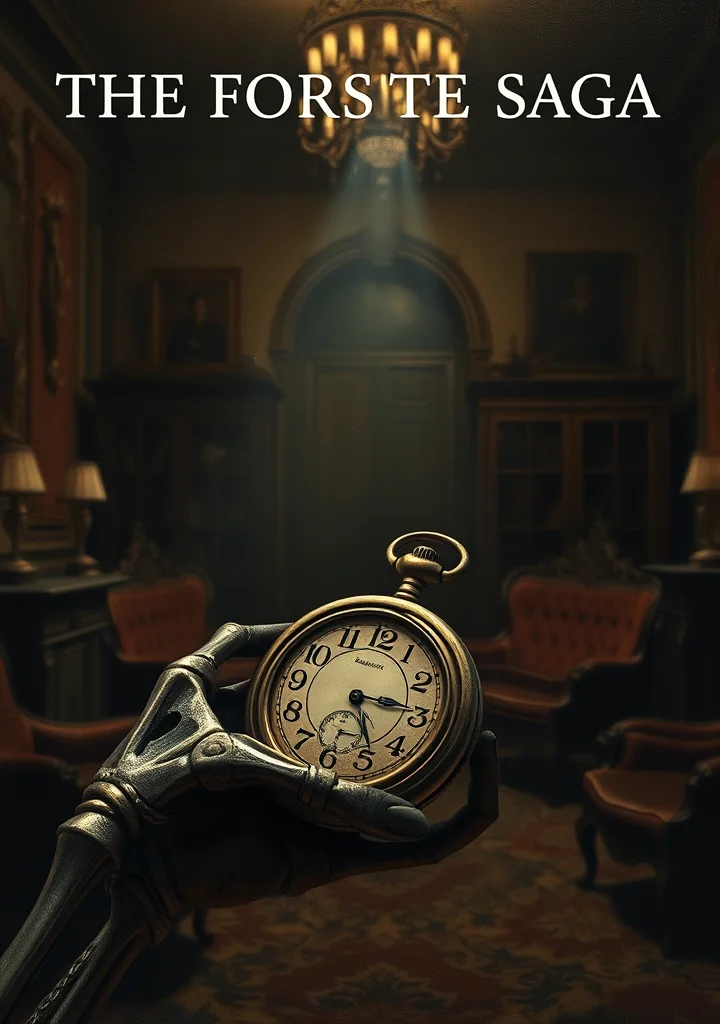
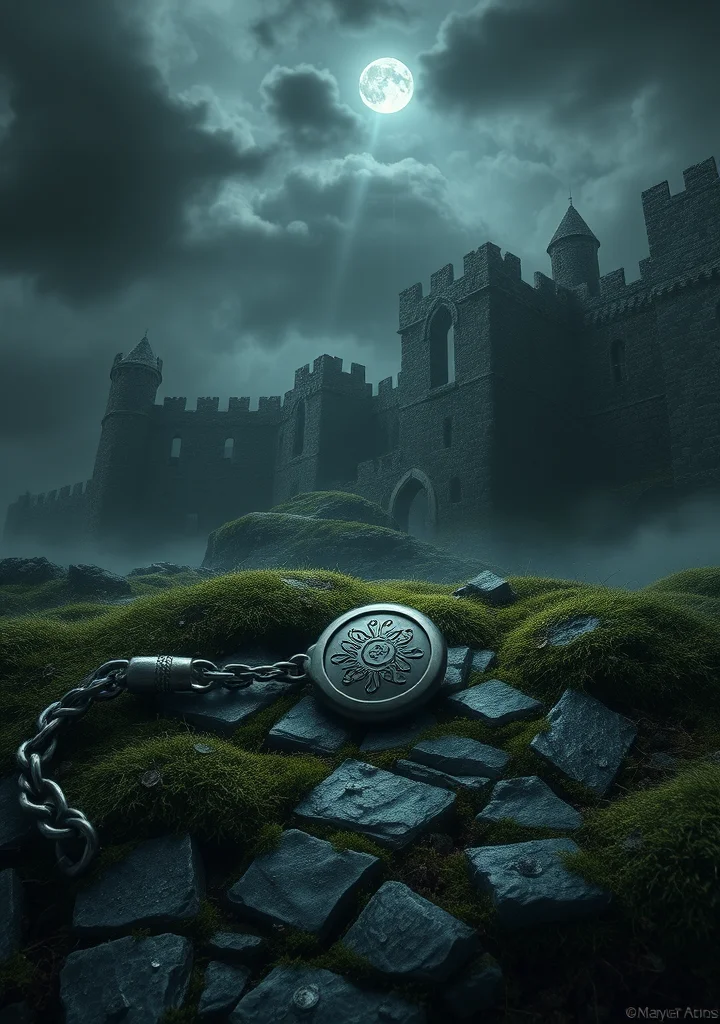
A creeping dread clings to the stones of Scarhaven, a fortress swallowed by the moor and choked by perpetual twilight. Within its crumbling walls, shadows dance with the memories of Lord Alistair’s vanished family, whispers of madness echoing in the draughty halls. The air tastes of salt and decay, a brine bitterness seeping from the coastline where the keep’s foundations bleed into the grey, hungry sea. Every tapestry unravels a fragment of a forgotten tragedy, every portrait watches with eyes hollowed by grief. A suffocating stillness holds the place, broken only by the mournful cry of unseen birds and the rasp of wind through broken windows. The narrative unfolds not as a story told, but as a slow, agonizing revelation—a peeling back of layers of rot and regret. One feels less like reading *about* Scarhaven, and more like being trapped *within* it, each chapter a descent deeper into the labyrinth of its despair. The keep itself is the true character, breathing with a malevolent sentience, drawing its new inhabitants into a web of inherited sorrow. It’s a place where the past isn’t merely remembered, but relived—a haunting where the boundaries between the living and the dead blur with each falling stone and fading breath.
Copyright: Public Domain
This license allows anyone to use your story for any purpose, including printing, selling, or adapting it into a film freely.
Recommended for you
12 Part
A creeping dread clings to the cobbled streets of early 20th century Paris, where whispers follow the phantom touch of a surgeon’s steel. The air hangs thick with the scent of ether and decay, a perfume clinging to the shadowed alleys surrounding the Hôtel-Dieu. Leblanc weaves a narrative steeped in the city’s underbelly, charting the descent of Dr. Moreau, a man haunted by his own skill. His ‘cure’ for the melancholic elite is not one of scalpel and suture, but of exquisite, hollowed-out instruments – needles designed to bleed away not blood, but *feeling*. Each patient, willingly subjected to Moreau’s morbid artistry, leaves behind a fragment of their soul, meticulously extracted and preserved in glass ampoules. The doctor’s apartment, a labyrinth of anatomical charts and gleaming tools, becomes a reliquary for stolen grief. But the echoes of their lost passions begin to bleed into Moreau’s own life, manifesting as phantom pains, spectral visions, and a gnawing hunger for the very emptiness he inflicts. The novel unfolds in a suffocating claustrophobia, a slow unraveling of sanity within the gilded cages of Parisian high society. The gas lamps flicker, casting elongated shadows that dance with the ghosts of Moreau’s victims. The hollow needle doesn’t merely pierce flesh; it unlocks a void within, a darkness that threatens to consume not just the patients, but the very heart of the city itself. It’s a tale of obsession, of the grotesque beauty of sacrifice, and the terrifying weight of a soul stripped bare.

51 Part
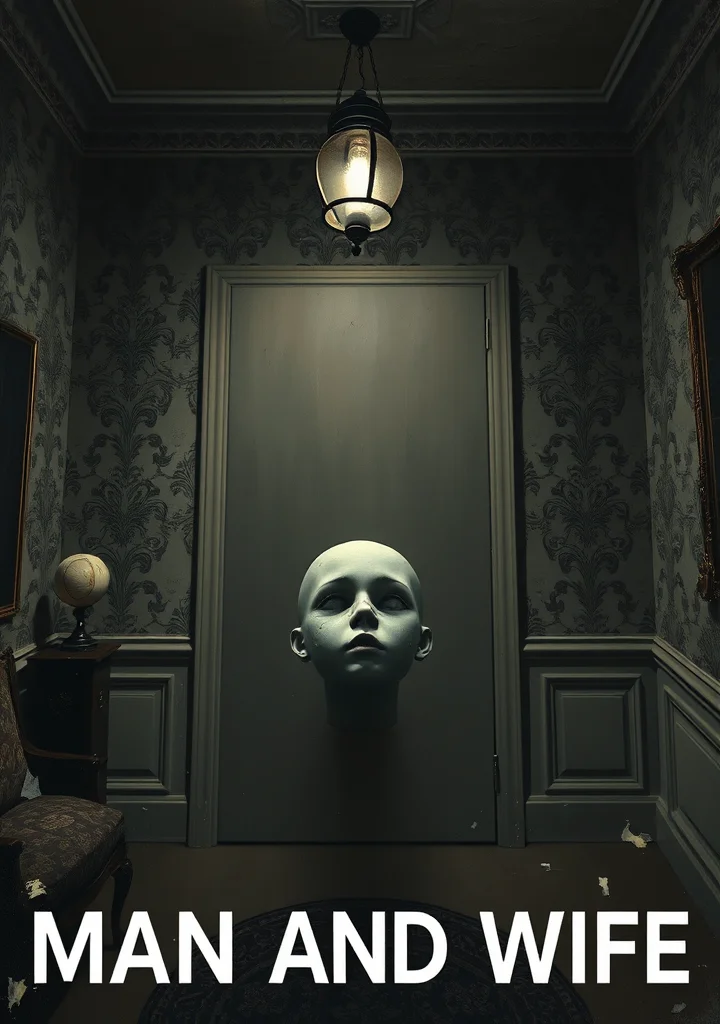
A creeping dampness clings to the stone of Norland Park, mirroring the chill that settles upon the hearts of the Dashwood sisters as they are cast adrift by a callous inheritance. The shadows lengthen with each diminishing fortune, twisting the familiar landscapes of Devonshire into a labyrinth of unspoken anxieties. Though outwardly composed, Elinor’s measured restraint barely conceals a grief that blooms like winter roses—pale and thorn-sharp. Marianne’s passions, unrestrained and fever-bright, find echo in the brooding woods and the melancholy sighs of a decaying estate. The air itself is thick with the scent of decaying leaves and unshed tears. Every polite conversation, every carefully worded letter, carries the weight of unacknowledged desires and simmering resentments. A spectral silence hangs between the sisters, broken only by the rustling of secrets in the darkened corridors. The very gardens, once vibrant with summer blooms, now seem haunted by the ghosts of promises broken and futures stolen. A subtle rot pervades the narrative—not of decay in the physical world, but in the very fabric of social grace. The polite smiles mask a desperate hunger for security, a fragile vulnerability masked by lace and propriety. The whispers of scandal, the stifled accusations, weave through the manor houses like tendrils of ivy, threatening to strangle the fragile hopes of these women in a world where sensibility is a weakness, and sense, a carefully constructed fortress against ruin. The fog-laden moors become a mirror for the fractured souls trapped within, their destinies shrouded in an atmospheric gloom that clings long after the final, desperate reckoning.
9 Part
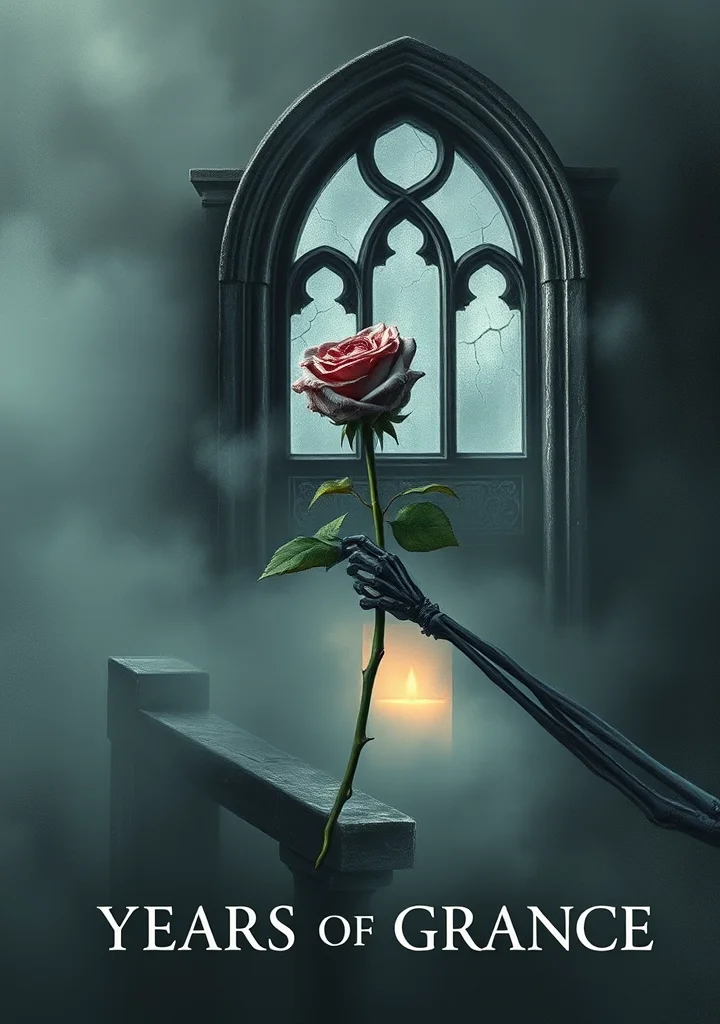
The Rue Saint-Honoré exhales secrets in the Parisian dusk, clinging to the silk gowns and shadowed doorways like a stifled confession. Within the gilded cage of her late husband’s fortune, Madame de Bréville, nearing the barren edge of thirty, finds herself a specimen under the dissecting gaze of a society that prizes bloom above all else. But it is not merely the fear of fading beauty that haunts these chambers—it is a creeping dread born of loneliness, of the echoing emptiness within a life meticulously constructed on appearances. The air thickens with the scent of decaying roses and the whispered calculations of ambition. Every glance across the crowded salon feels like a measuring of worth, a judgment on her remaining value. A desperate hunger for connection—not love, but acknowledgement—drives her towards increasingly reckless ventures, each a gamble against the encroaching darkness. The novel breathes with the chill of polished marble, the weight of inherited jewels, and the suffocating elegance of a world where a woman’s worth is tallied in the diminishing years she has left to spend. Shadows lengthen in the grand apartments, mirroring the insidious compromises she makes to remain visible. A subtle, exquisite rot festers beneath the veneer of respectability, revealed in the furtive glances, the loaded silences, and the ever-present, gnawing anxiety of being judged—and found wanting—by a society that demands a perpetual spring. It is a slow, insidious unraveling, draped in lace and gilded regret.