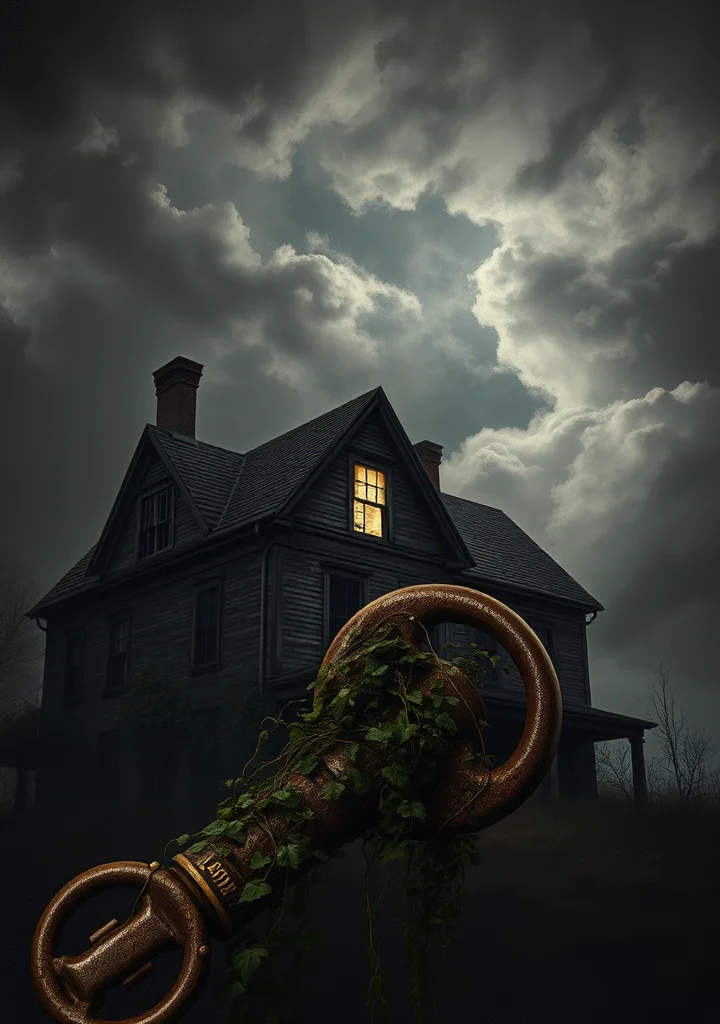

The House of the Seven Gables
  • 107
  • 0
  • 24
  • Reads 107
  • 0
  • Part 24
Completed, First published Mar 02, 2026

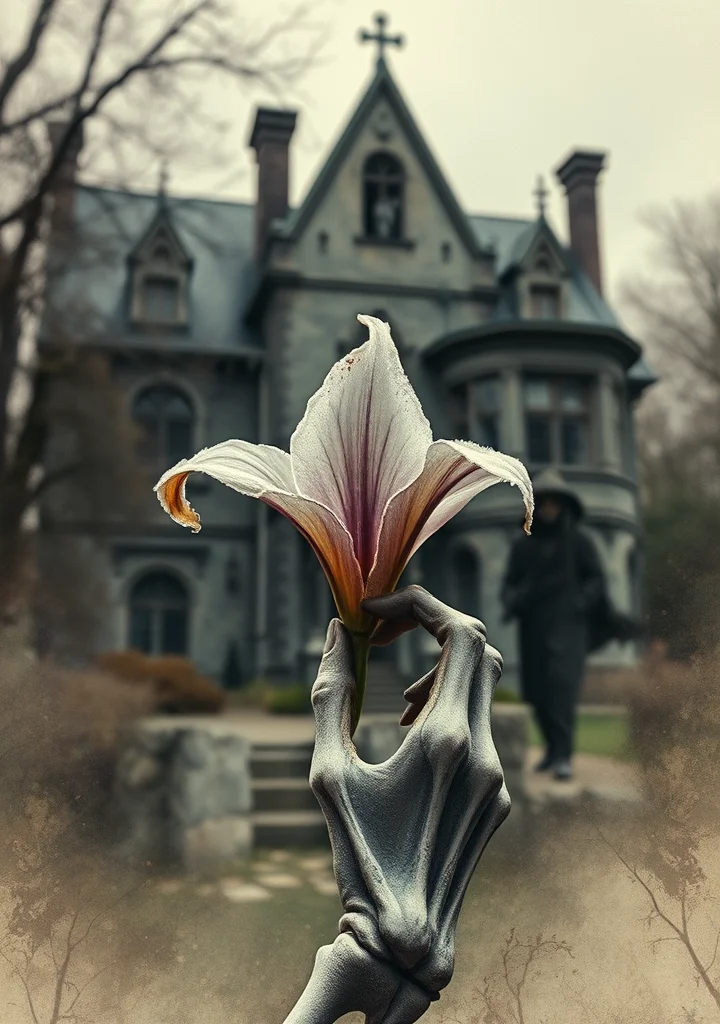
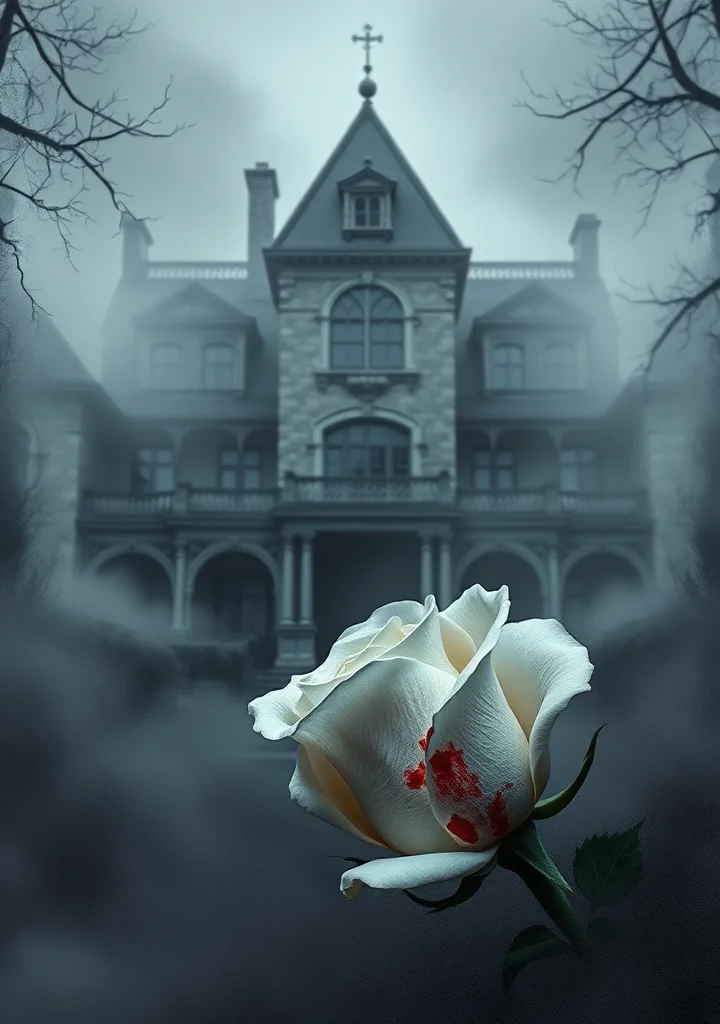
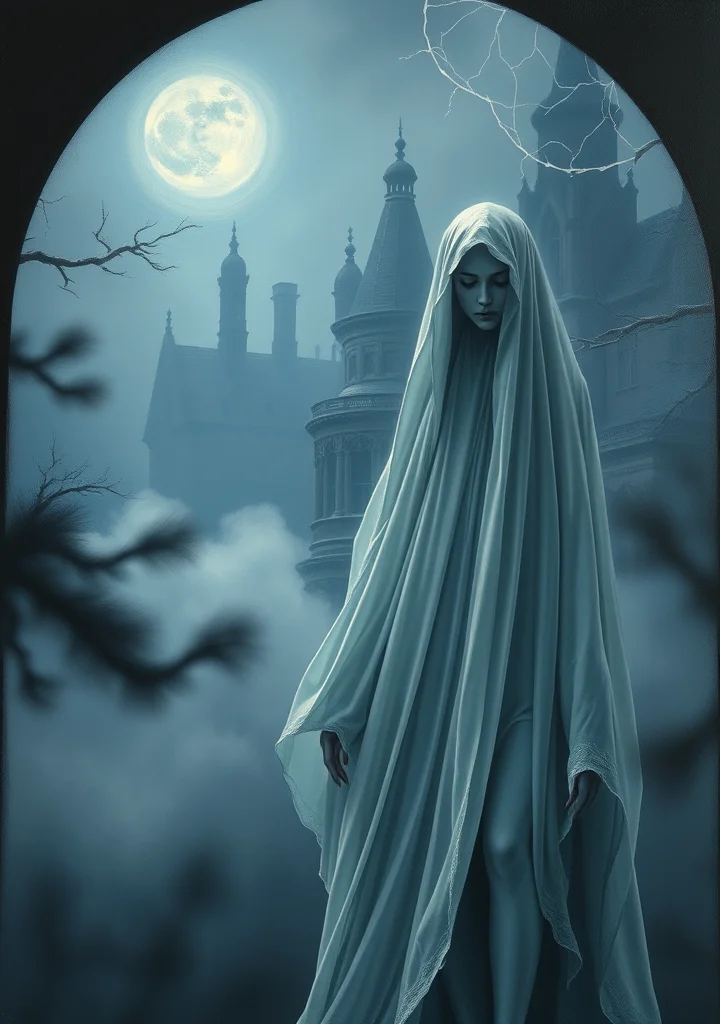
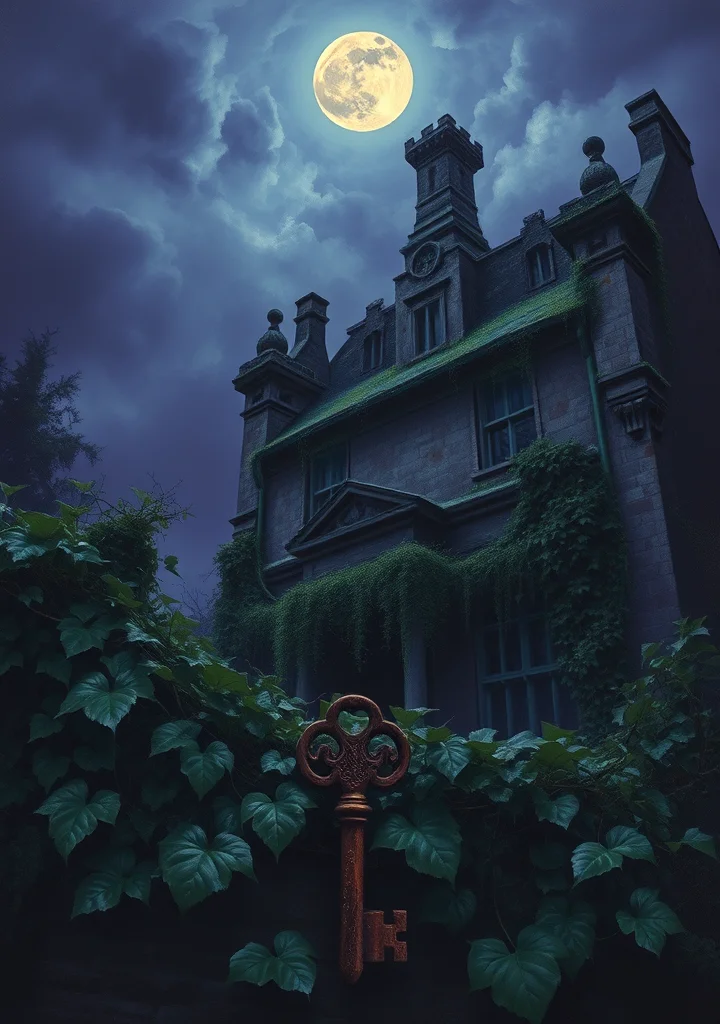
A creeping dread clings to the salt-laced air around the Gables, a house steeped in the shadowed legacy of Pyncheons and their avarice. Within its decaying timbers, generations of sorrow have woven themselves into the very mortar, a silent chorus of regret echoing through dust-laden chambers. The scent of brine and decay permeates every corner, mingling with the spectral weight of unfulfilled desires. Sunlight seems to falter before reaching its gabled peaks, as if the house itself actively resists illumination. A stifling claustrophobia settles upon all who enter, born not of cramped spaces but of the suffocating weight of the past. Here, secrets fester like slow-blooming mold, and the line between the living and the dead blurs with each rustle of wind through the withered rose bushes. The house breathes with a mournful cadence, its darkened windows offering glimpses into a world where the sins of ancestors cast long, skeletal shadows, and the yearning for redemption is forever trapped within its crumbling embrace. A palpable sense of isolation permeates the narrative, a sense that the Gables stand not merely as a dwelling, but as a mausoleum for a fractured lineage, slowly succumbing to the rot of time and the insatiable hunger of its own history. The very stones seem to weep with the weight of forgotten promises, and the silence within is a tangible thing, heavy with the unspoken grief of those who dared to dream within its shadowed walls.
Copyright: Public Domain
This license allows anyone to use your story for any purpose, including printing, selling, or adapting it into a film freely.
Recommended for you
92 Part
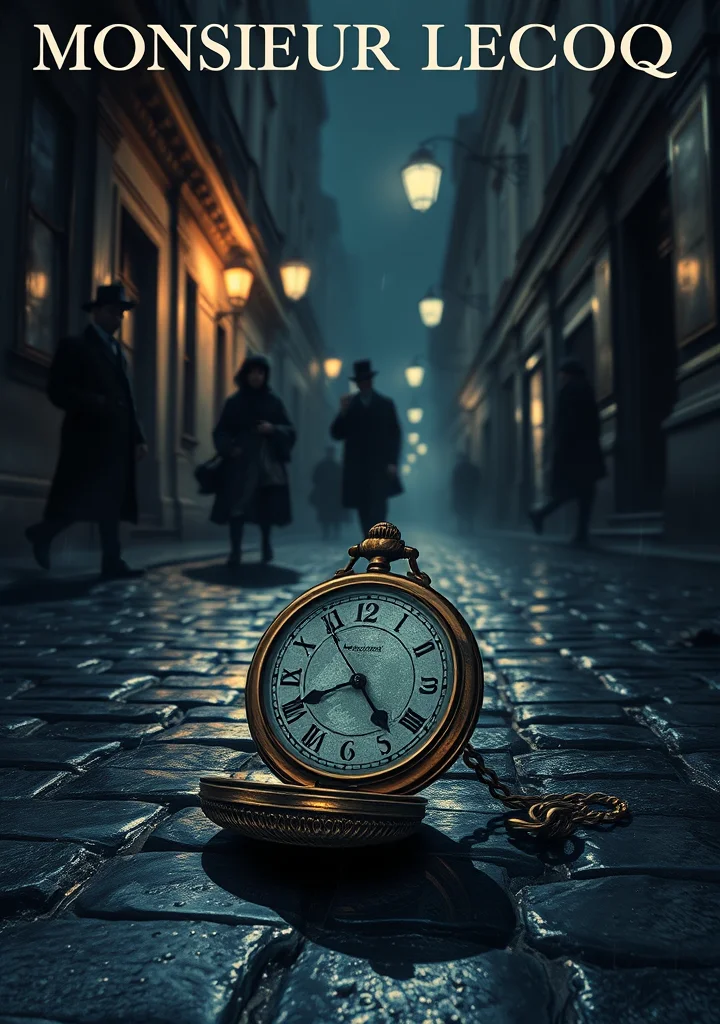
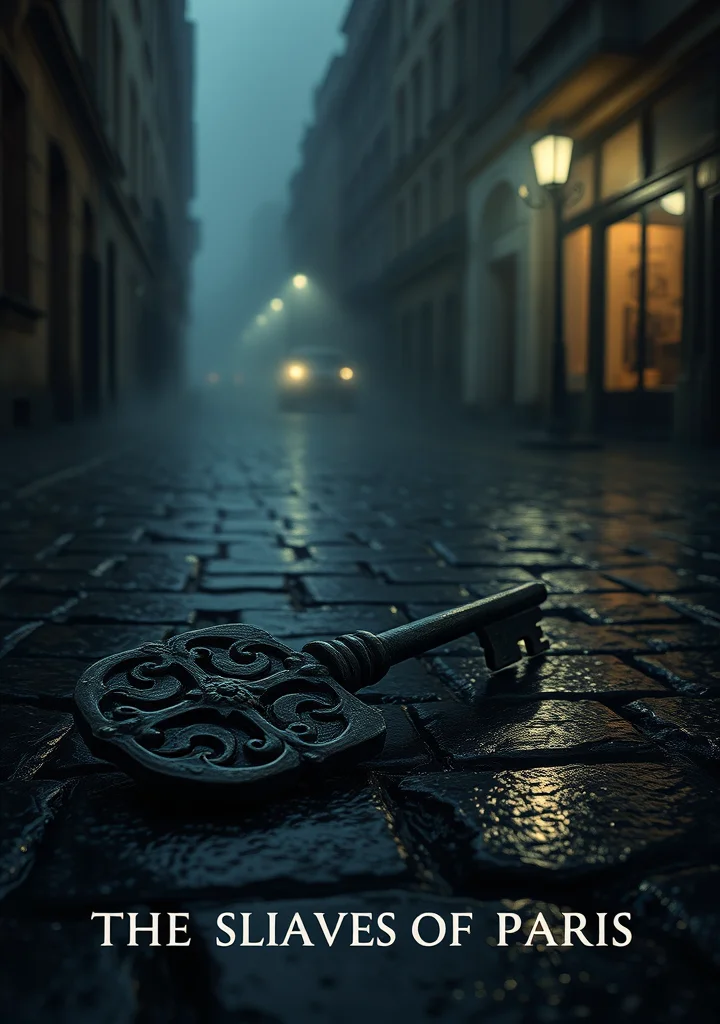
The shadows of the Revolution linger, not in barricades of stone and blood, but in the haunted chambers of a fractured aristocracy. Twenty years have passed, yet the ghosts of ’89 walk alongside those who claim to have buried them. Paris breathes a false peace, gilded with ambition and rotting beneath with the festering wounds of unresolved vengeance. This is not a tale of simple retribution, but of a darkness blossoming in the hearts of those who believed themselves victorious. The air hangs thick with regret, laced with the scent of jasmine and decay. Dust motes dance in sunbeams that fail to penetrate the perpetual twilight of decaying estates. Each stolen glance, each whispered conspiracy, is rendered in shades of grey, blurring the lines between loyalty and betrayal. A creeping dread clings to the ornate wallpaper and the cracked marble floors—a sense of being watched by the specters of a history refusing to be silenced. The novel unfolds like a slow poison, each chapter revealing a rot beneath the polished veneer of respectability. It is a world where the weight of inherited sins crushes the living, and the pursuit of justice is less a noble cause than a descent into a labyrinth of shadowed motives. Every encounter is a performance, every alliance forged in a desperate need to survive. The city itself is a character—a beautiful corpse, adorned with the jewels of a vanished age, yet riddled with the maggots of discontent. It is a story where the past doesn’t merely haunt, but *becomes* the present, a suffocating embrace of what was lost, and what will inevitably be claimed once more.

71 Part
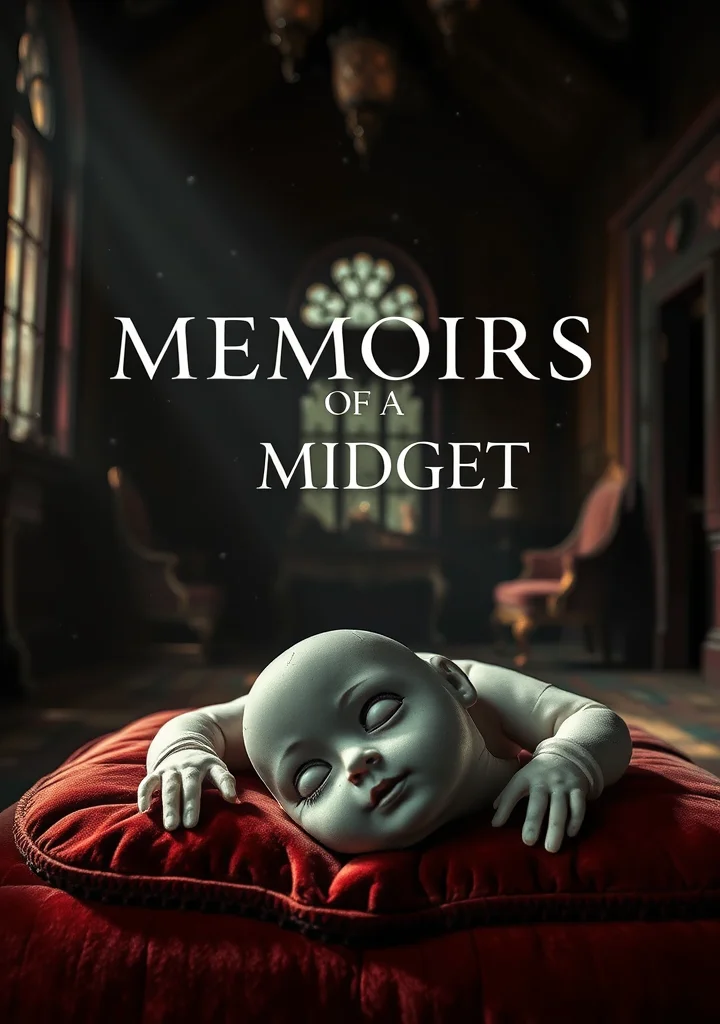
The air hangs thick with dust and the scent of decay, clinging to the shadowed corners of a decaying manor house. Within, a life unfolds not as a grand narrative, but as a series of fragmented recollections – whispers of a man diminished, both physically and in stature, swallowed by the suffocating grandeur of his ancestral home. The narrative coils like ivy around crumbling stone, a slow, deliberate unveiling of isolation. Each memory is a chipped porcelain doll, beautiful yet fractured, reflecting a childhood steeped in morbid fascination and the stifled resentment of those who towered above him. The prose is a draught from a forgotten cellar, laced with the chill of loneliness. Sunlight feels like an intrusion, unwelcome on skin that has grown accustomed to perpetual twilight. The reader is not merely told of the man’s smallness, but *feels* it – the weight of averted gazes, the echoing emptiness of rooms too vast for his presence, the insidious erosion of self-worth. The house itself breathes, a living thing that both protects and imprisons. The garden, overgrown and feral, mirrors the tangled, thorny emotions within. A palpable sense of dread permeates every chapter, not from external horrors, but from the creeping rot of a soul consumed by its own quiet desperation. It is a haunting, not of ghosts and ghouls, but of the hollow ache of being unseen, unheard, and utterly alone in a world built for giants. The final pages feel like a descent into a suffocating darkness, where the only sound is the fading echo of a life lived beneath the shadow of its own making.