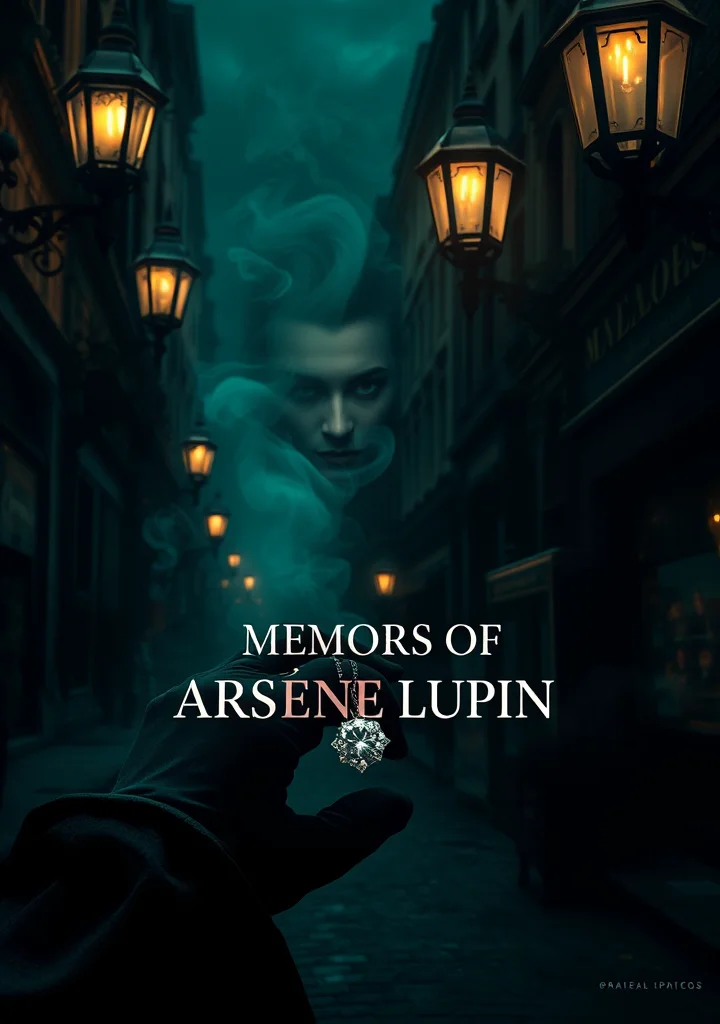

Memoirs of Arsène Lupin
  • 78
  • 0
  • 19
  • Reads 78
  • 0
  • Part 19
Completed, First published Mar 02, 2026

A velvet darkness clings to the gaslit streets of Paris, where shadows dance with the phantom touch of Arsène Lupin. This is not a tale of simple theft, but of a spectral game played amidst echoing salons and crumbling estates. The air thickens with the scent of jasmine and decay, each stolen jewel mirroring a lost soul. Leblanc weaves a labyrinth of deception, where identities dissolve like smoke and every locked door conceals a deeper, more treacherous secret. A creeping dread permeates the narrative, born not of brute force, but of whispers and insinuations. One glimpses, through fog-veiled windows, a society rotting from gilded excess, ripe for the plucking. The narrative itself breathes with the sly grace of a predator—a haunting elegance that lingers long after the last illusion is shattered, leaving only the chill echo of Lupin’s laughter in the vacant spaces where trust once resided. It is a world where the line between genius and madness blurs, and the pursuit of stolen treasures unravels into a descent into the heart of Parisian night.

Copyright: Public Domain
This license allows anyone to use your story for any purpose, including printing, selling, or adapting it into a film freely.
Recommended for you
2014 Part
A chill wind whispers through sun-bleached Spanish ruins, carrying the scent of brine and decay. Don Juan is not merely a man, but a shadow stretched long across a continent, a fever dream of indulgence and disillusionment. His journey is one of restless flight, not from justice, but from the suffocating weight of a world built on hypocrisy. Each port, each encounter, peels back another layer of gilded rot, revealing a darkness that clings to him like the salt spray on a decaying mast. The narrative unravels through fractured confessions, a labyrinth of wit and weariness where cynicism blooms like night-blooming cereus. Every smile is a reprieve from a deeper, unspoken grief; every embrace, a fleeting warmth against an encroaching cold. The Mediterranean burns with a feverish brilliance, mirroring the protagonist’s own self-consuming passions, while the echoes of battles – both won and lost – resonate in the hollow chambers of his heart. He drifts through aristocratic salons and Moorish harems, a phantom observer caught between desire and despair. The sea itself seems to conspire with his melancholic fate, drawing him towards a horizon perpetually shrouded in mist. His is a tale of exquisite ruin, where beauty and brutality intertwine, leaving the reader adrift in a sea of unanswered questions and the lingering scent of jasmine and gunpowder. A perpetual twilight clings to his existence, a haunting reminder that even the most dazzling brilliance casts the longest shadows.
43 Part
A creeping dampness clings to these pages, smelling of mildewed linen and forgotten dust. The narrative unfolds not as a story *told*, but as one exhaled from the shadowed corners of a decaying manor house. Old Geoffrey Crayon, a man more wraith than host, drifts through spectral landscapes of his own making—half-remembered inheritances of Dutch tradition, half-spun from the brittle threads of New York’s nascent shadows. The chill isn't merely seasonal. It seeps from the very architecture described—barns looming like skeletal fingers against a bruised sky, kitchens haunted by the phantom scents of hearth-smoke and long-vanished feasts. Each tale is a fragment of a larger, fractured dream, echoing with the melancholy of abandoned hearths and the rustle of unseen figures in the orchard. There’s a deliberate blurring of boundary—between the remembered and the imagined, the living and the decaying. The reader is not given a comfortable vantage point, but pulled into the swirling fog of Crayon’s recollections, forced to sift through fragments of folklore, half-formed superstitions, and the chilling echoes of a land where the past doesn’t fade, but *bleeds* into the present. It’s a landscape where the harvest moon casts long, predatory shadows, and the silence between tales is filled with the whispers of something ancient and unwell stirring beneath the floorboards. The sketchbook is not merely read; it is *inhabited*.