
The Survivors
  • 41
  • 0
  • 6
  • Reads 41
  • 0
  • Part 6
Completed, First published Mar 02, 2026

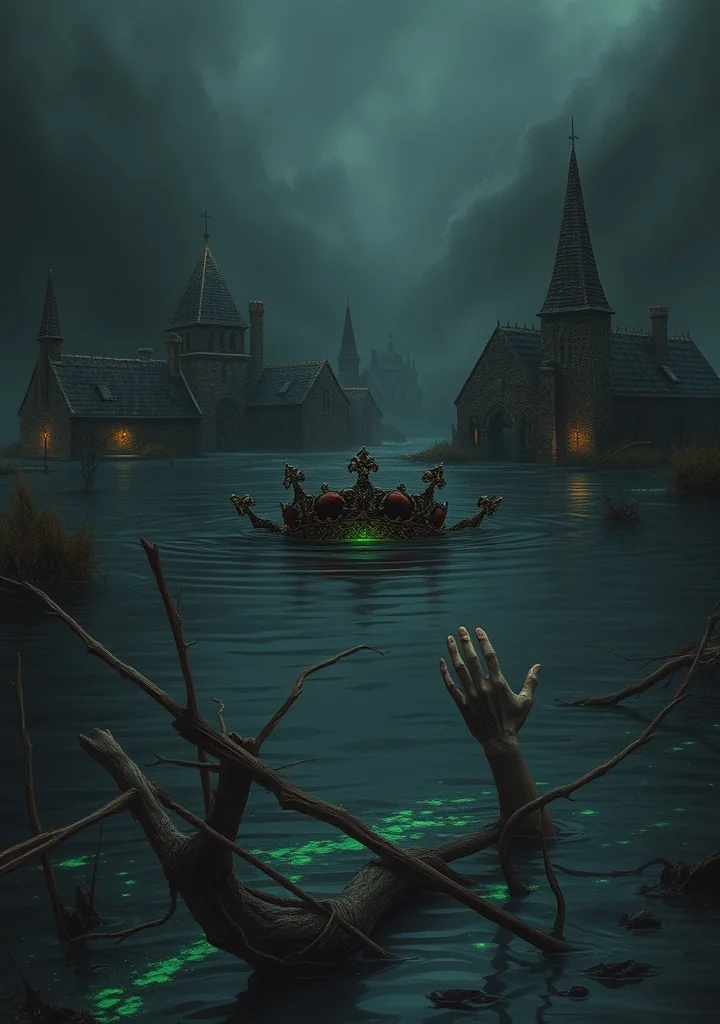
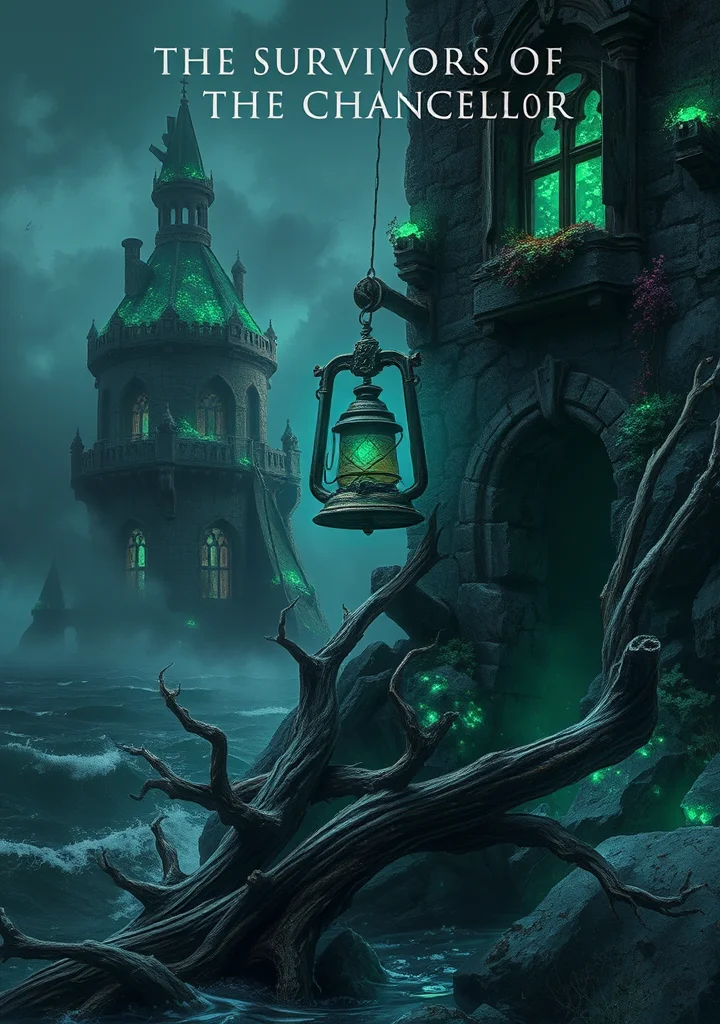
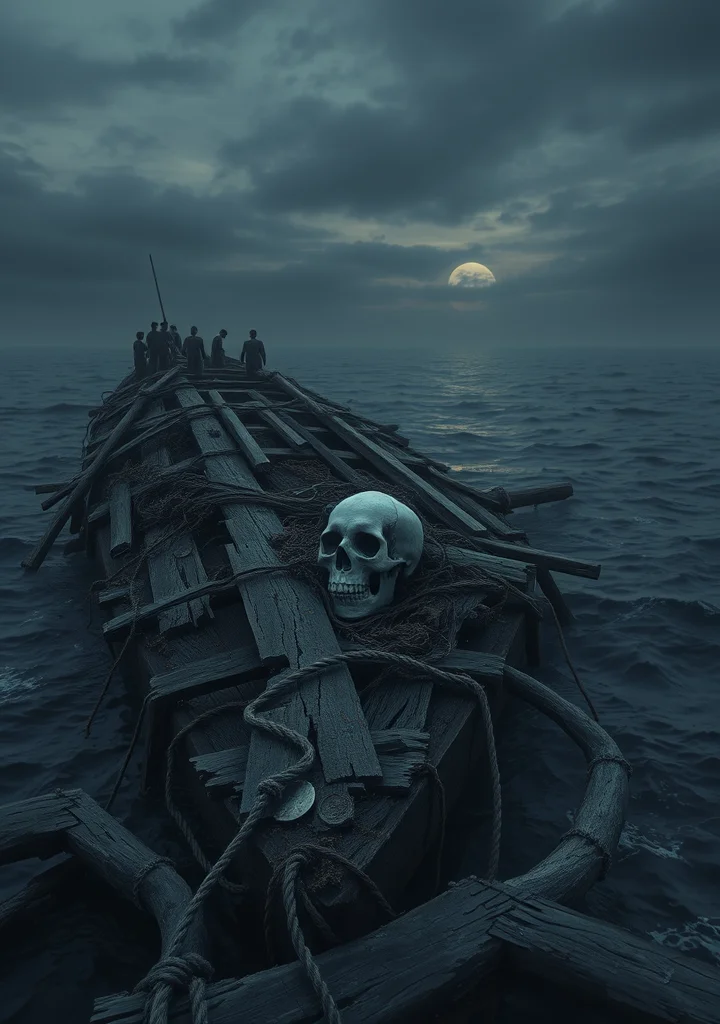
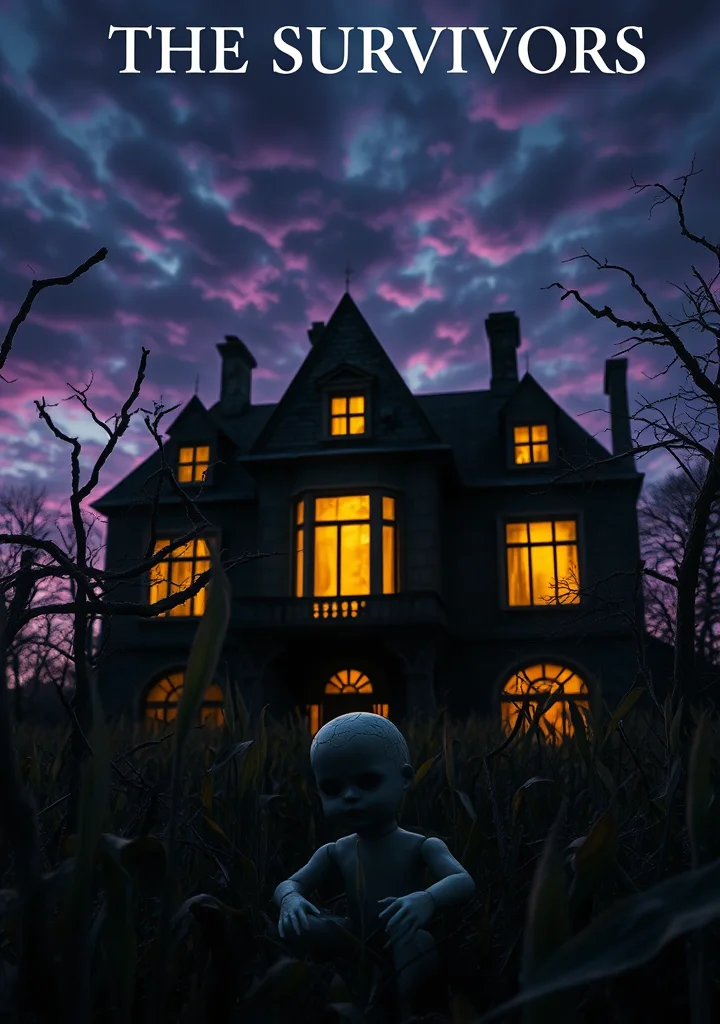
A creeping dread clings to the salt-laced air of Blackwood Isle, where the last embers of a forgotten colony flicker against a perpetual twilight. Godwin weaves a tale not of rescue, but of endurance—a slow rot of the soul amongst those spared by the wasting sickness that devoured the rest. The manor, Harrowgate, stands gaunt and skeletal, its shadowed halls echoing with the whispers of the departed, and the hollow coughs of those who remain. Each survivor is a fractured mirror reflecting the same terror: not what they fled *from*, but what they’ve become *within* the isolation. The scent of brine and decay permeates every page, mingling with the bitter tang of desperation. It isn’t a hunt for a cure that drives them, but a morbid compulsion to understand *why* they were left breathing, while their neighbors were claimed by the grey tide. The land itself seems to mourn, its bogs exhaling a melancholic fog that clings to the skin like a shroud. Every salvaged breath feels less like life, and more like an extension of the sickness itself – a final, lingering ghost in a kingdom of bone dust and weeping stone. The true horror isn't found in what the survivors face, but in the insidious realization that their survival isn't deliverance, but a prolonged, agonizing reckoning with the void.
Copyright: Public Domain
This license allows anyone to use your story for any purpose, including printing, selling, or adapting it into a film freely.
Recommended for you
25 Part
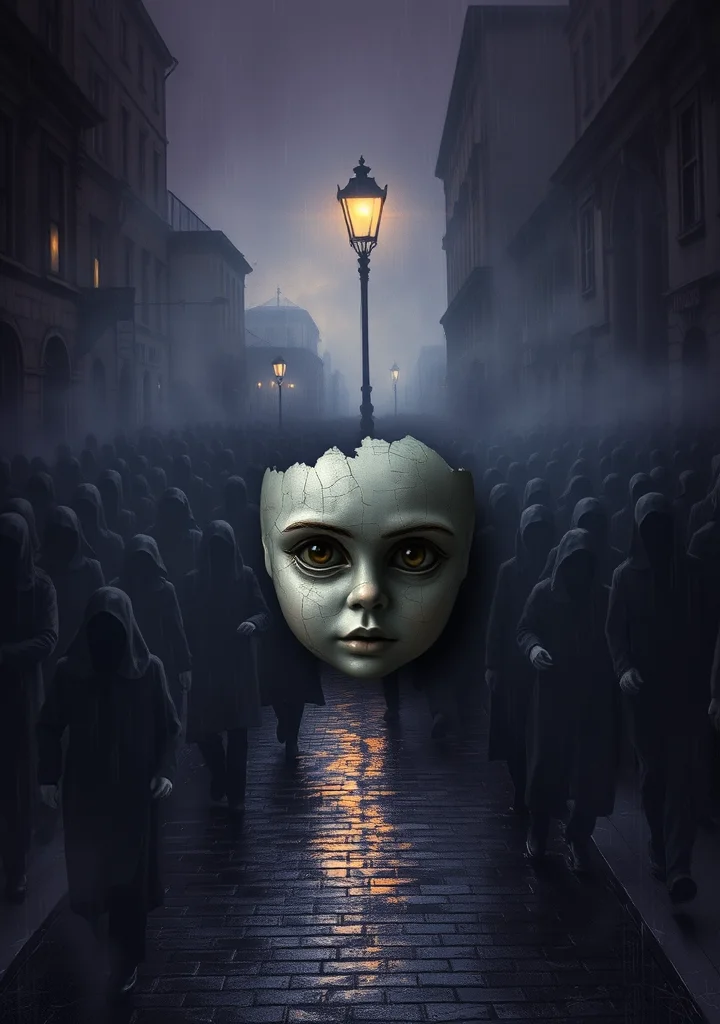
The river breathes in shadow. A slow, glacial unraveling of grief clings to the banks where the village of Älvborg surrenders to the encroaching mire. Old Man Hemlock, they say, drowned his bride in these currents – or perhaps the river *became* her grief, drawing her down into the silt and weeping willows. Now, decades later, a silence heavier than the fog settles with each passing autumn. It isn’t a place for remembering; it’s a place where memory itself dissolves into the water’s cold embrace. The narrative drifts like wreckage, fragments of lives snagged on submerged roots. A daughter returning to settle her father’s affairs finds the house filled not with absence, but with the residue of his obsession. He'd charted the river’s moods, cataloging the debris, the whispers carried on the tide. Each item pulled from the water feels less like discovery and more like an exhumation. The air tastes of decay and damp earth. The scent of bog iron and something older, something clinging to the stones beneath the water. Every reflection is distorted, mirroring not the world above but the dark, churning heart beneath. The further downstream one travels, the less certain the land is, the more insistent the river’s claim. It isn't merely a journey *along* the water, but *into* it – a descent into a past that refuses to stay buried, a current that pulls at the soul until it too is lost to the depths. The house itself seems to exhale the river’s chill, and those who linger too long find themselves shadowed by the same spectral currents that claimed Hemlock’s bride. The river isn't just a setting; it's an entity, a hunger, and it’s waiting to collect what’s left to be taken.
11 Part
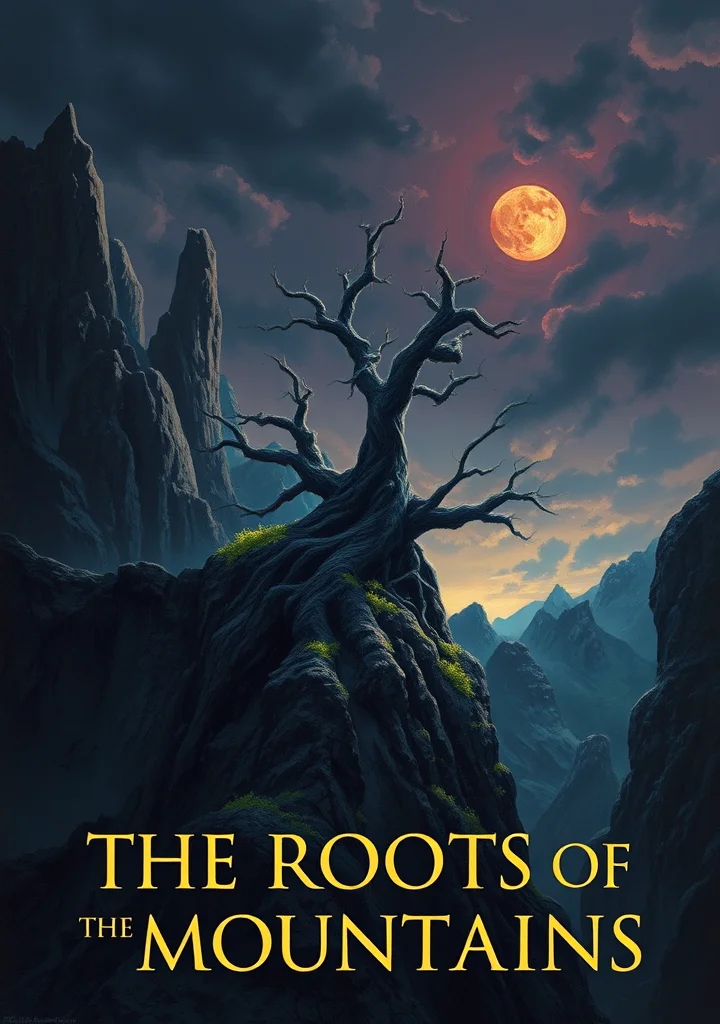
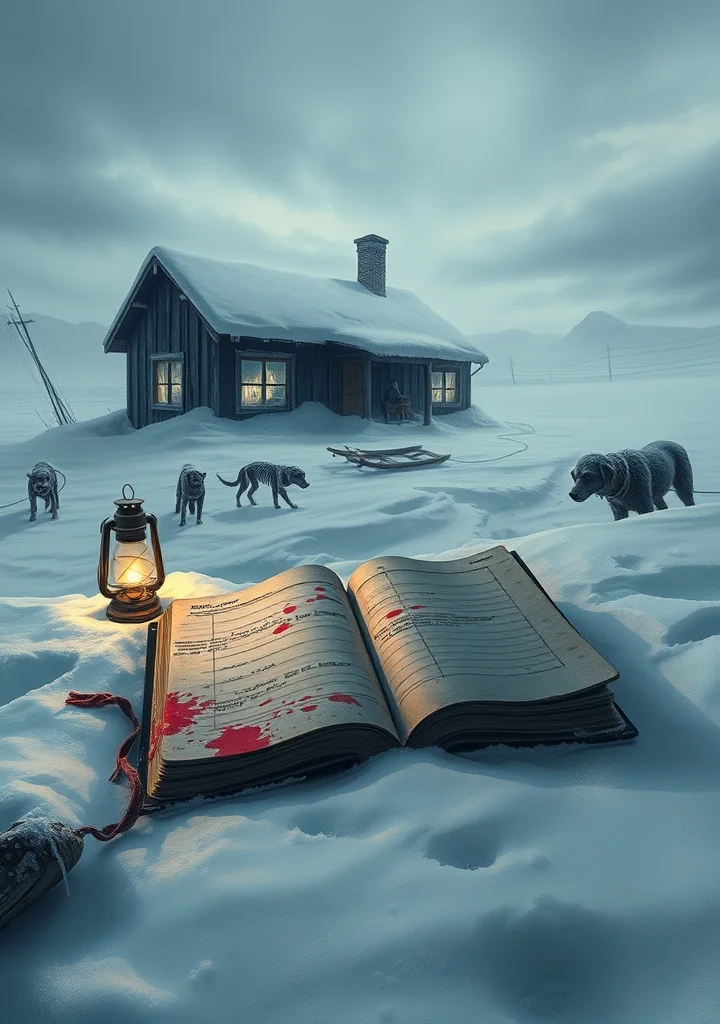
The Alpine air chills not just the skin, but the very bone, in Johanna Spyri’s *Cornelli*. This is not a tale of pastoral idyll, but of a fractured inheritance clinging to a precipice of stone and shadow. The story unfolds within a fortress of a farmhouse, carved into a mountainside that seems to bleed into the grey sky. A young woman, adrift from a fractured family, finds herself bound to this lonely place – a ward of its ancient, echoing rooms and the silence that clings to them like a shroud. The weight of generations presses down with every gust of wind, and the surrounding peaks seem to watch with cold, unforgiving eyes. The narrative doesn’t rush, but *seeps* into the reader’s consciousness, mirroring the slow erosion of the mountains themselves. It’s a landscape of muted colours, of perpetual twilight, where even the sun feels distant and spectral. The house itself breathes with a history of loss and isolation, each room a mausoleum of forgotten lives. A creeping sense of dread permeates the narrative, not from any overt horror, but from the suffocating weight of loneliness and the unyielding grip of the mountains. *Cornelli* is a novel of confinement, not merely physical, but within the echoing chambers of a haunted past, where the secrets of the land and the family’s history are buried as deep as the roots of the ancient pines. The atmosphere is one of pervasive melancholy, a slow, beautiful decay that clings to the reader long after the final page is turned.