
-
Read 341
-
0
-
Part 18
Completed, First published Mar 02, 2026
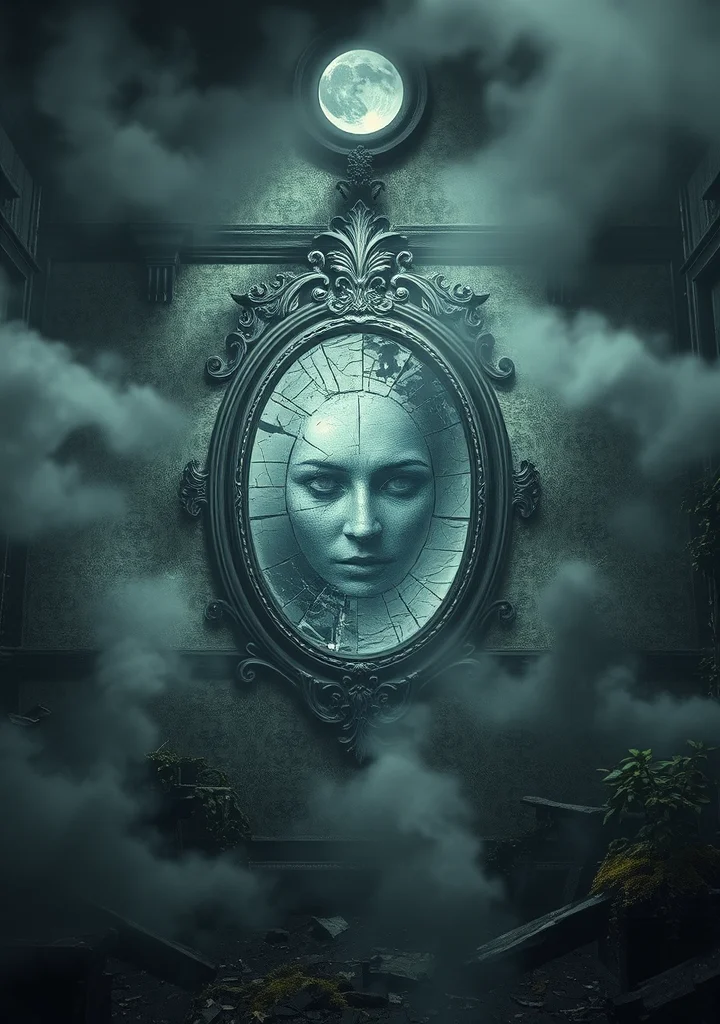
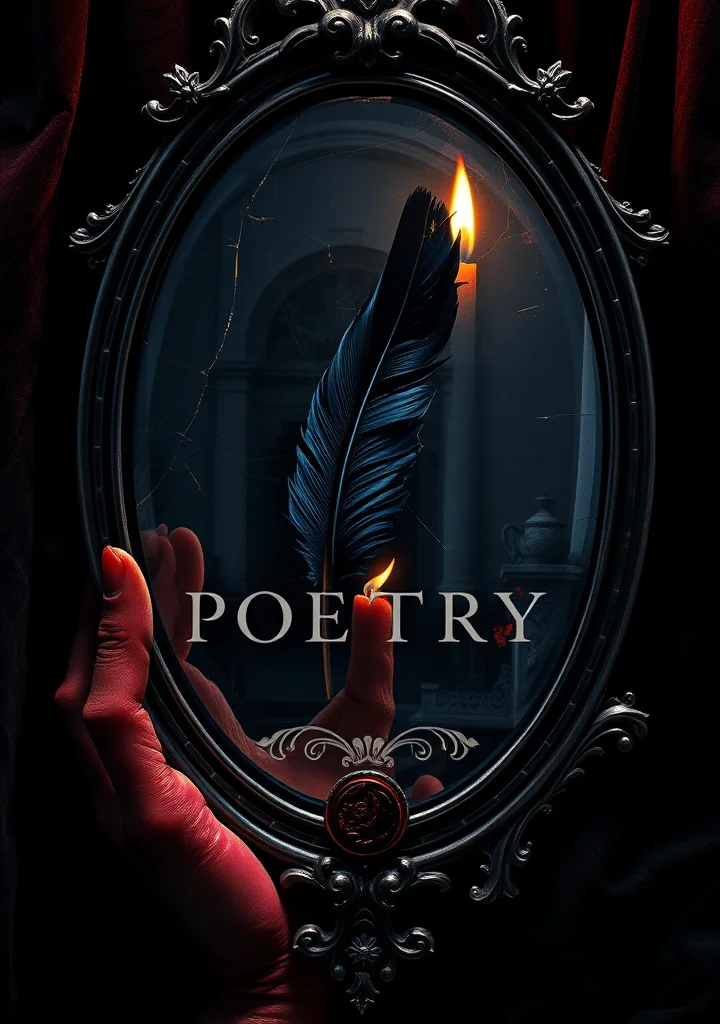
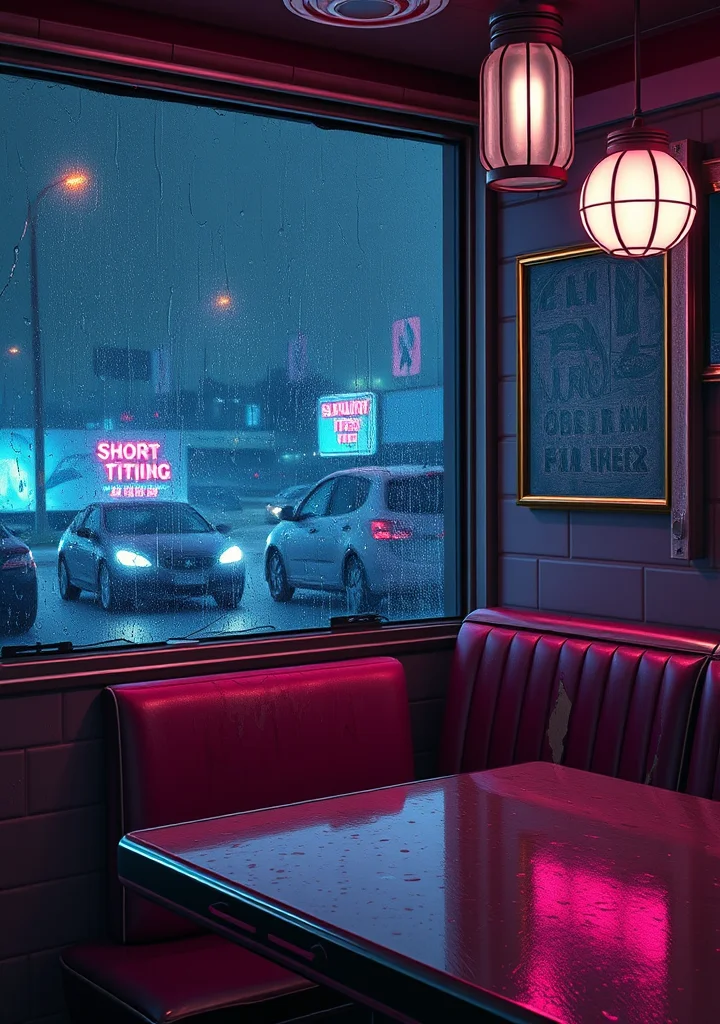
The chipped porcelain of a diner booth, slick with grease and regret. Rain-streaked windows blurring the neon flicker of a dying highway. These stories aren't about what *happens*, but what unravels *around* what happens—the static clinging to the edges of perception. Each narrative is a fractured mirror reflecting a loneliness that isn't merely human, but woven into the very fabric of the chrome and Formica.
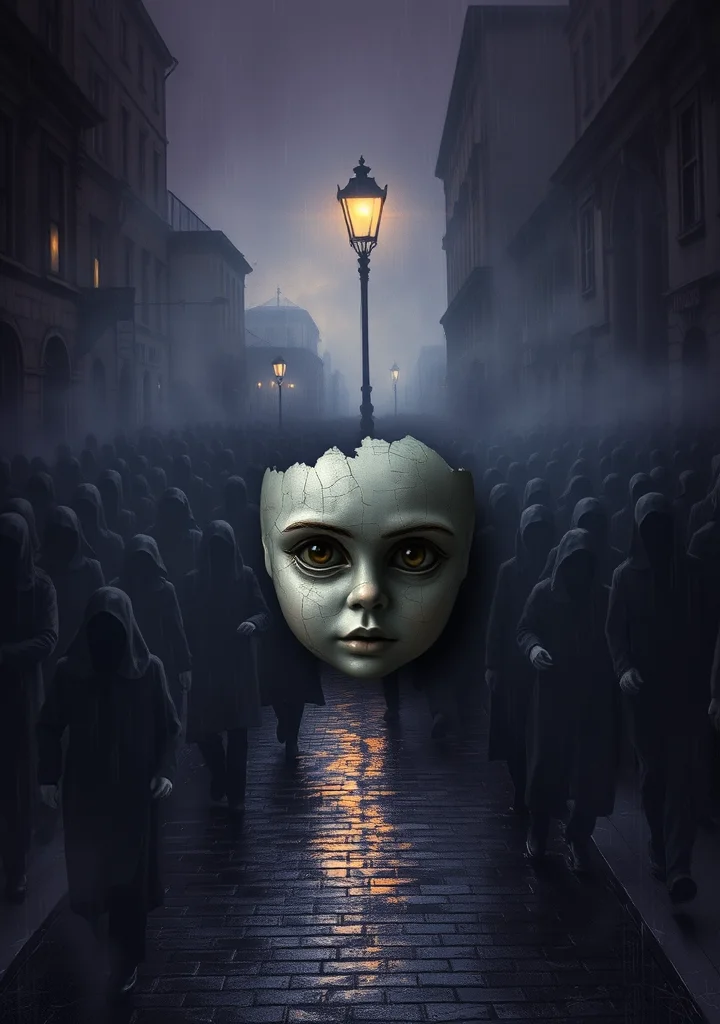
There's a rot beneath the chrome, a slow bleed of paranoia into the mundane. Characters drift through landscapes of pre-fabricated despair, haunted by echoes of futures they’ve already lived, or never will. The air is thick with the metallic tang of fear, the scent of desperation clinging to the vinyl seats.
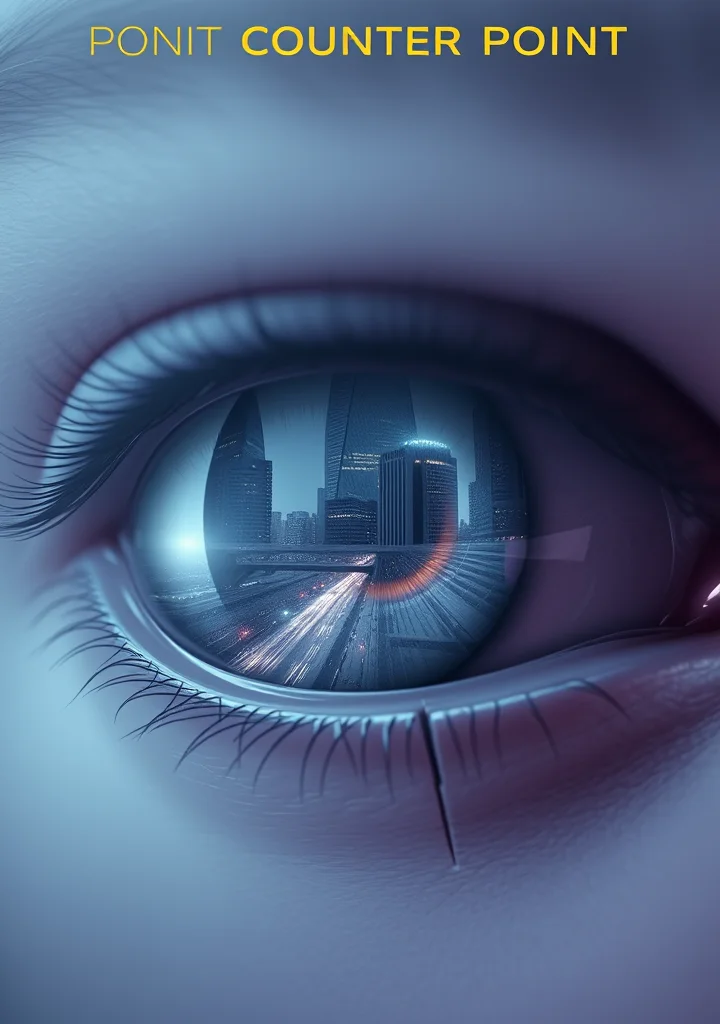
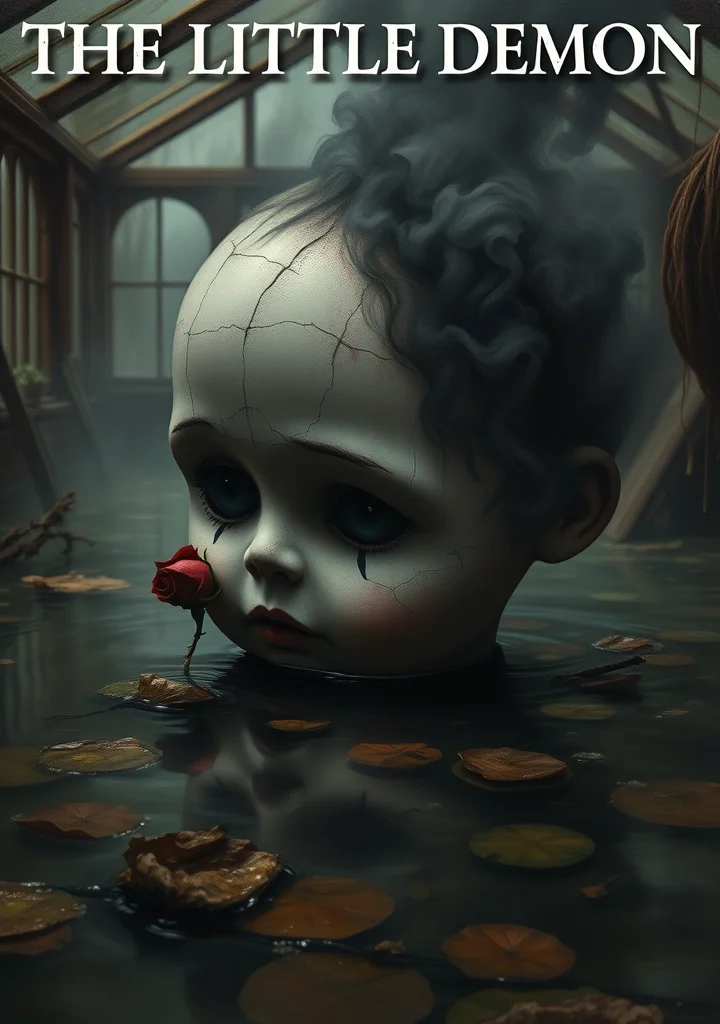
These aren’t tales of grand dystopias, but of the insidious decay within the ordinary. A chipped mug held too long, a face glimpsed in a reflection that isn’t quite yours. The world isn’t ending with a bang, but with a whisper of static, a glitch in the machinery of reality, leaving you staring into the abyss of your own obsolescence. The darkness isn't external, it's blooming from within, a slow, beautiful, terrible flowering of the unreal.
Copyright: Public Domain
This license allows anyone to use your story for any purpose, including printing, selling, or adapting it into a film freely.
This license allows anyone to use your story for any purpose, including printing, selling, or adapting it into a film freely.
Chapter List
-
« Short Fiction »📖 Continue Reading
-
« Chapter_3 »
-
« The Gun »
-
« The Skull »
-
« The Defenders »
-
« The Eyes Have It »
-
« The Hanging Stranger »
-
« Mr.Spaceship »
-
« Piper in the Woods »
-
« Second Variety »
-
« Tony and the Beetles »
-
« The Variable Man »
-
« I »
-
« II »
-
« III »
-
« IV »
-
« Beyond the Door »
-
« The Crystal Crypt »
More like this