
-
Read 498
-
0
-
Part 34
Completed, First published Mar 02, 2026
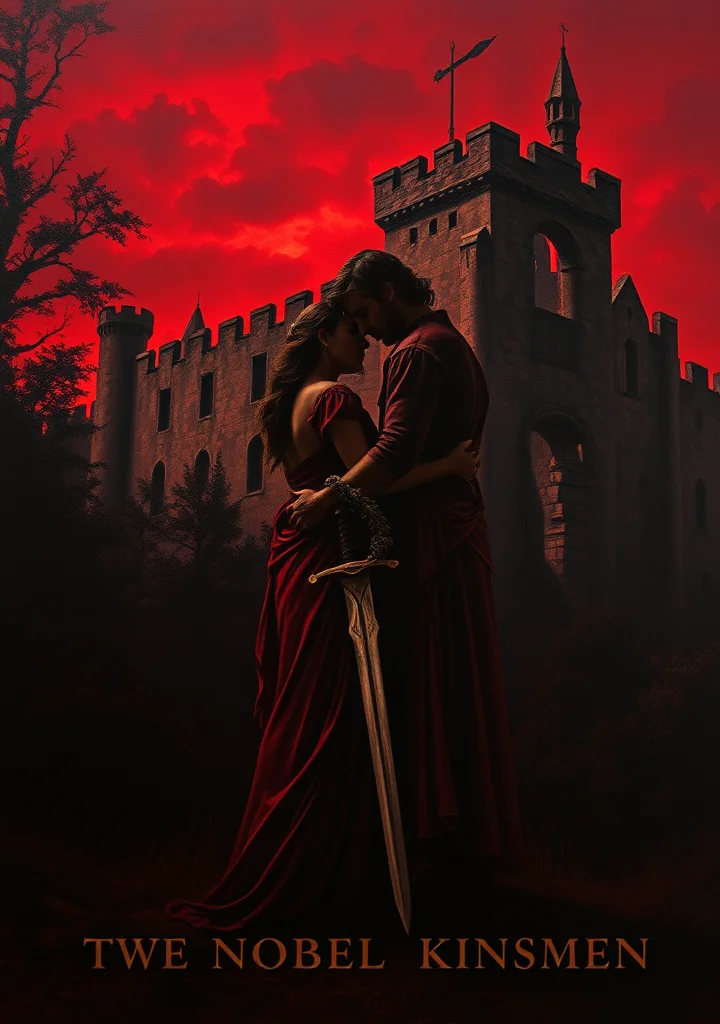
A creeping dread clings to the shadowed forests of this tale, where honour bleeds into obsession and loyalty twists into a suffocating embrace. Two cousins, bound by a shared wound and a desperate vow, navigate a court steeped in brittle chivalry, each mirroring the other’s descent into a feverish, possessive grief. The air hangs thick with the scent of decaying ambition, laced with the hollow ache of unrequited desire.
Shakespeare weaves a landscape of fractured allegiances, where the boundaries between noble pursuit and savage possession blur. A haunted stillness pervades the scenes of tournament and ambush, the clamour of battle muffled by the suffocating weight of unspoken longing. The very stones of the castle seem to weep with a melancholic awareness of the inevitable corruption within.
Though draped in the colours of knightly romance, the story unravels into a claustrophobic exploration of obsession—a slow suffocation under the weight of unattainable ideals and the festering wounds of unfulfilled desire. The narrative coils like a serpent, its venomous beauty poisoning the heart with the recognition that even the most ardent devotion can curdle into a monstrous, consuming need. A darkness lingers not in the act of violence, but in the aching void left by its inevitable, and exquisitely rendered, aftermath.
Copyright: Public Domain
This license allows anyone to use your story for any purpose, including printing, selling, or adapting it into a film freely.
This license allows anyone to use your story for any purpose, including printing, selling, or adapting it into a film freely.
Chapter List
-
« The Two Noble Kinsmen »📖 Continue Reading
-
« Dramatis Personae »
-
« The Two Noble Kinsmen »
-
« Prologue »
-
« ActI »
-
« SceneI »
-
« SceneII »
-
« SceneIII »
-
« SceneIV »
-
« SceneV »
-
« ActII »
-
« SceneI »
-
« SceneII »
-
« SceneIII »
-
« SceneIV »
-
« SceneV »
-
« SceneVI »
-
« ActIII »
-
« SceneI »
-
« SceneII »
-
« SceneIII »
-
« SceneIV »
-
« SceneV »
-
« SceneVI »
-
« ActIV »
-
« SceneI »
-
« SceneII »
-
« SceneIII »
-
« ActV »
-
« SceneI »
-
« SceneII »
-
« SceneIII »
-
« SceneIV »
-
« Epilogue »
34
-
« The Two Noble Kinsmen »
-
« Dramatis Personae »
-
« The Two Noble Kinsmen »
-
« Prologue »
-
« ActI »
-
« SceneI »
-
« SceneII »
-
« SceneIII »
-
« SceneIV »
-
« SceneV »
-
« ActII »
-
« SceneI »
-
« SceneII »
-
« SceneIII »
-
« SceneIV »
-
« SceneV »
-
« SceneVI »
-
« ActIII »
-
« SceneI »
-
« SceneII »
-
« SceneIII »
-
« SceneIV »
-
« SceneV »
-
« SceneVI »
-
« ActIV »
-
« SceneI »
-
« SceneII »
-
« SceneIII »
-
« ActV »
-
« SceneI »
-
« SceneII »
-
« SceneIII »
-
« SceneIV »
-
« Epilogue »
More like this