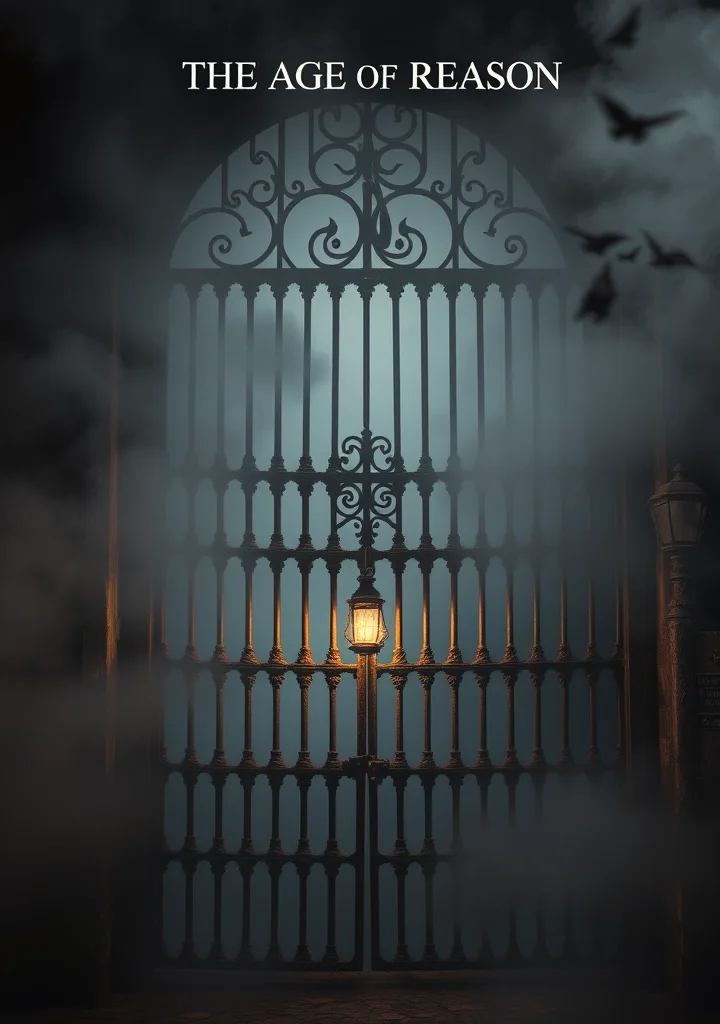

The Age of Reason
  • 250
  • 0
  • 37
  • Reads 250
  • 0
  • Part 37
Completed, First published Mar 02, 2026

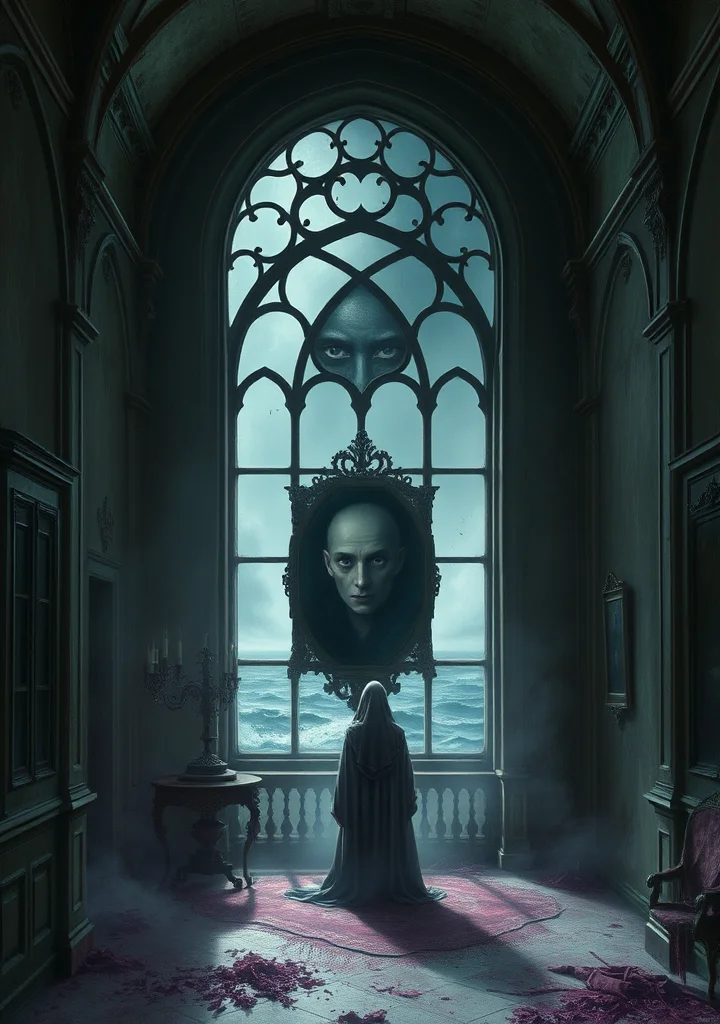
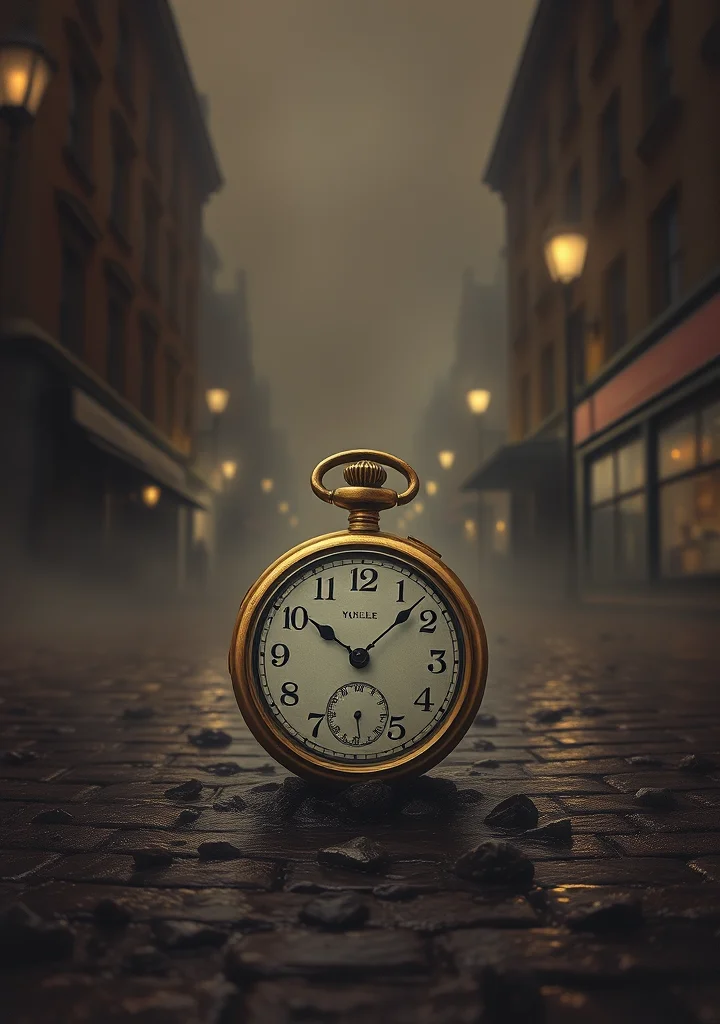
A creeping fog clings to the cobblestones, mirroring the chill that settles in the bones of Newgate Prison. Though nominally set amidst the burgeoning logic of the Enlightenment, Paine’s narrative exhales the damp rot of forgotten asylums and the stale breath of men condemned for madness—or perceived madness. Reason isn’t a liberating dawn here, but a dissecting scalpel wielded by men in powdered wigs, carving away at the last vestiges of the soul. The prose, while ostensibly arguing for rational governance, is laced with the echoing silence of padded cells, the rasp of iron shackles, and the frantic scrawlings of desperate hands attempting to map their own fracturing minds. Each meticulously constructed argument feels less like a beacon of clarity and more like a meticulously crafted trap, baited with logic, sprung in the darkness of the human heart. The Age of Reason isn’t about building a new world, but about excavating the graves of those buried alive beneath the weight of their own thoughts—a world where the only true freedom lies in the exquisite, terrifying certainty of delusion. A subtle, pervasive dread festers within the very precision of the text, hinting at a deeper, more monstrous rationality than any man dares to confront.
Copyright: Public Domain
This license allows anyone to use your story for any purpose, including printing, selling, or adapting it into a film freely.
Recommended for you
13 Part
Beneath a canopy of suffocating green, where sunlight splinters into emerald shards and the air hangs thick with the musk of decay and unseen predators, lies a world unbound by civilization’s frail grasp. This is not merely a chronicle of survival, but a descent into the heart of a primal wilderness mirroring the savage instincts within us all. The jungle breathes, a living entity woven with vines that strangle forgotten ruins and the echoing cries of beasts both magnificent and monstrous. Shadows cling to the colossal trees like spectral guardians, obscuring the boundaries between reality and nightmare. A man, stripped bare of his past life, forged anew in the crucible of tooth and claw, becomes something more, something less…a creature of legend. But even as he masters this brutal Eden, a chilling awareness persists—the jungle doesn’t yield its dominion willingly. It tests, it breaks, it consumes. And the whispers of ancient gods, remnants of a forgotten people, linger in the humid air, hinting at a darkness far older than the apes who rule amongst the branches. Every rustle of leaves, every distant roar, carries the weight of untold centuries, a haunting reminder that paradise is built upon bones and stained with the crimson bloom of sacrifice. The very earth seems to pulse with a feverish, untamed energy, threatening to engulf those who dare to trespass within its verdant embrace. A world where beauty is a venomous kiss, and salvation is found not in mercy, but in the cold, calculating gaze of the predator.
113 Part
Dust motes dance in the perpetual twilight of Gandersheim Abbey, where the echoes of chanted prayers cling to stone walls thick with centuries of silence. Within its shadowed scriptorium, a young novice, shadowed by visions and whispers, begins to transcribe the plays—not for performance, but for penance. Each line penned, each character sketched, bleeds into the fabric of her waking nightmares, mirroring the fractured history of the convent itself. The dramas are not tales of saints and salvation, but fractured accounts of forgotten queens, possessed by ambition and regret, their stories woven with the scent of damp earth and the taste of iron. The plays are not merely written, they *are* summoned—drawn from the decaying memories of the women who preceded her, each performance a spectral re-enactment within the novice’s mind. A creeping dread descends as she discovers the plays aren’t merely records of past performances, but keys to unlocking something far older, something tethered to the very foundations of the abbey. The lines blur between script and reality, between the living and the dead, until the novice finds herself not writing the plays, but *becoming* them, consumed by the echoing cries of queens dethroned and gods betrayed. The abbey itself breathes with a cold hunger, a silent audience to the unfolding horror as the novice’s hand trembles with the weight of forgotten sins and the chilling truth that the plays are not a lament for the past, but a prophecy of what is to come.
24 Part
The salt-crusted stones of Sardinia bear witness to a grief older than the granite they’re carved from. Here, where the wind tastes of brine and regret, a woman named Agata is not merely unbound from her marriage, but *unmade* by it. The aftermath isn’t freedom, but a slow, creeping dissolution into the landscape’s own desolate heart. Her house, once a haven, becomes a hollow echo of her former life, each room breathing with the ghost of a husband lost to the sea and a daughter consumed by a feverish, silent grief. Days bleed into nights under a bruised, plum-colored sky, mirroring Agata’s descent into a melancholic trance. The scent of myrtle and decay clings to everything, a suffocating sweetness that masks the bitterness of her solitude. The villagers whisper of curses and ill-omens, claiming the house itself mourns alongside Agata, absorbing her sorrow into its very foundations. But there’s a deeper current beneath the surface - a haunting awareness of the sea's cold embrace, a primal fear that her husband’s fate isn’t merely watery oblivion, but a claiming by something ancient and hungry. It’s a world where the lines between the living and the dead blur with the rising mist, and Agata’s unraveling is less a story of heartbreak than a surrender to the island's shadowed dominion. Every creak of the floorboards, every cry of the seabirds, feels like a warning – a chilling promise that even in letting go, she is irrevocably bound to the ghosts of her past.
13 Part
A suffocating dread clings to the stone of Calvary, not of Christ’s ascent, but of a family’s descent into inherited madness. The chateau breathes with the rot of generations, each gilded room echoing with the ghosts of ambition and decay. Here, the de Juvigny lineage festers, consumed by a legacy of brutal land-grabbing, military glory bought with the lives of men, and a morbid obsession with lineage that curdles into a grotesque parody of piety. The air is thick with the scent of damp earth, decaying flowers, and the bitter tang of arsenic, whispered to be the family’s favored tonic. Shadows dance in the crumbling corridors, mirroring the unraveling sanity of the patriarch, a man carved from granite and haunted by the phantom victories of his father. His sons, twisted reflections of his own brutal ambition, circle like carrion birds, each desperate to claim the crumbling estate as their own. A suffocating claustrophobia grips the reader as the narrative burrows deeper into the poisoned roots of the de Juvigny bloodline. The very walls seem to weep with the weight of unspeakable deeds. It is a world where beauty is a fragile veneer masking a core of rot, where devotion is a suffocating ritual, and where the soil itself is stained crimson with the secrets of a dynasty’s savage hunger. The narrative doesn't merely unfold; it *bleeds* into the reader's consciousness, leaving behind a residue of cold stone, whispered curses, and the chilling realization that Calvary is not a place of redemption, but a monument to the enduring power of darkness.