
-
Read 594
-
0
-
Part 32
Completed, First published Mar 02, 2026
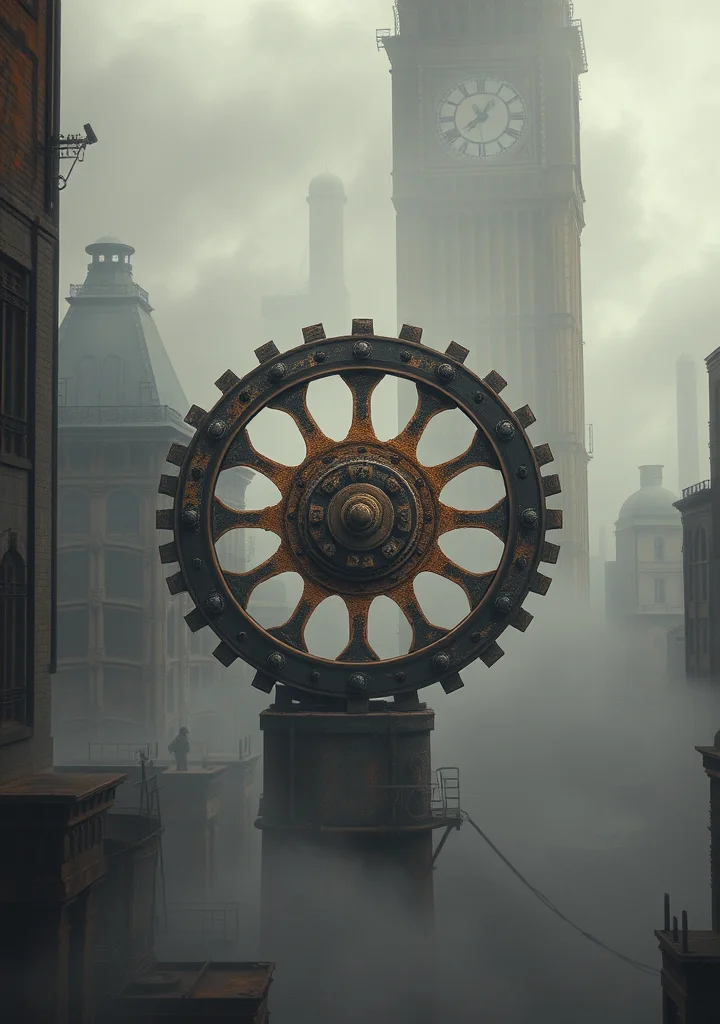
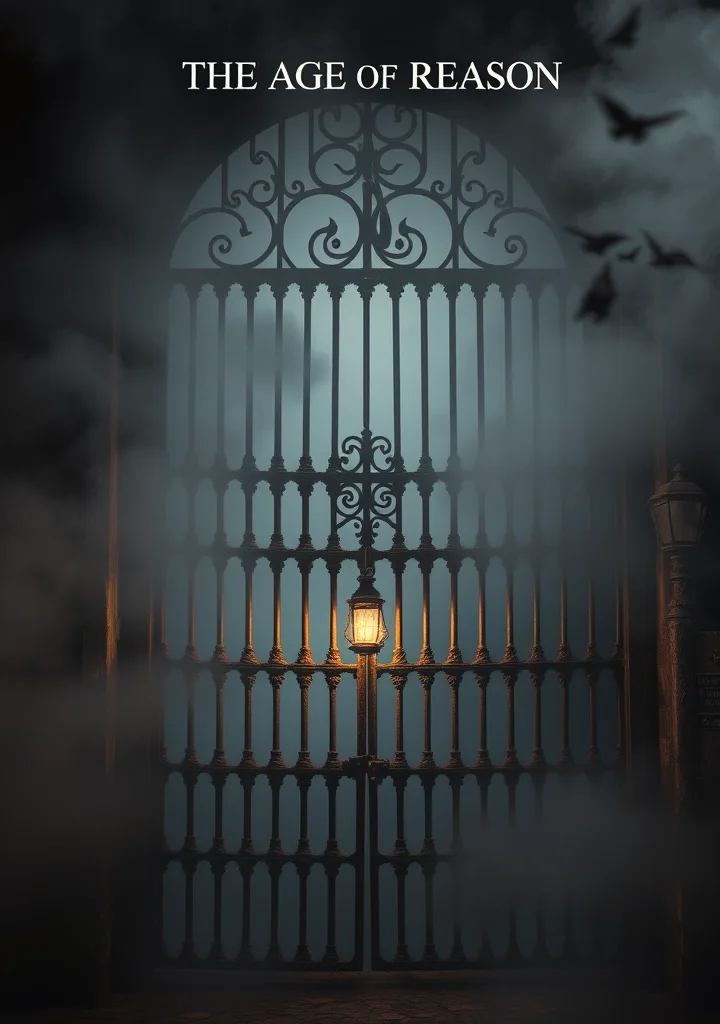
A creeping fog clings to the cobblestones, mirroring the chill that settles in the bones of Newgate Prison. Though nominally set amidst the burgeoning logic of the Enlightenment, Paine’s narrative exhales the damp rot of forgotten asylums and the stale breath of men condemned for madness—or perceived madness. Reason isn’t a liberating dawn here, but a dissecting scalpel wielded by men in powdered wigs, carving away at the last vestiges of the soul. The prose, while ostensibly arguing for rational governance, is laced with the echoing silence of padded cells, the rasp of iron shackles, and the frantic scrawlings of desperate hands attempting to map their own fracturing minds. Each meticulously constructed argument feels less like a beacon of clarity and more like a meticulously crafted trap, baited with logic, sprung in the darkness of the human heart. The Age of Reason isn’t about building a new world, but about excavating the graves of those buried alive beneath the weight of their own thoughts—a world where the only true freedom lies in the exquisite, terrifying certainty of delusion. A subtle, pervasive dread festers within the very precision of the text, hinting at a deeper, more monstrous rationality than any man dares to confront.
Copyright: Public Domain
This license allows anyone to use your story for any purpose, including printing, selling, or adapting it into a film freely.
This license allows anyone to use your story for any purpose, including printing, selling, or adapting it into a film freely.
Recommended for you