
The Dain Curse
  • 187
  • 0
  • 29
  • Reads 187
  • 0
  • Part 29
Completed, First published Mar 02, 2026

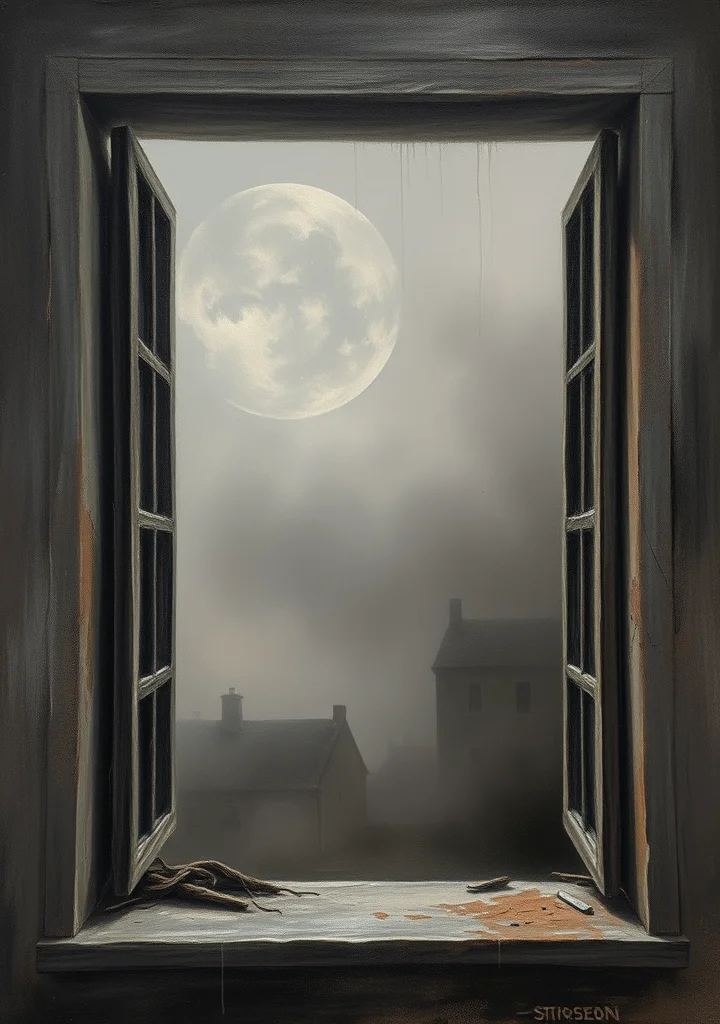
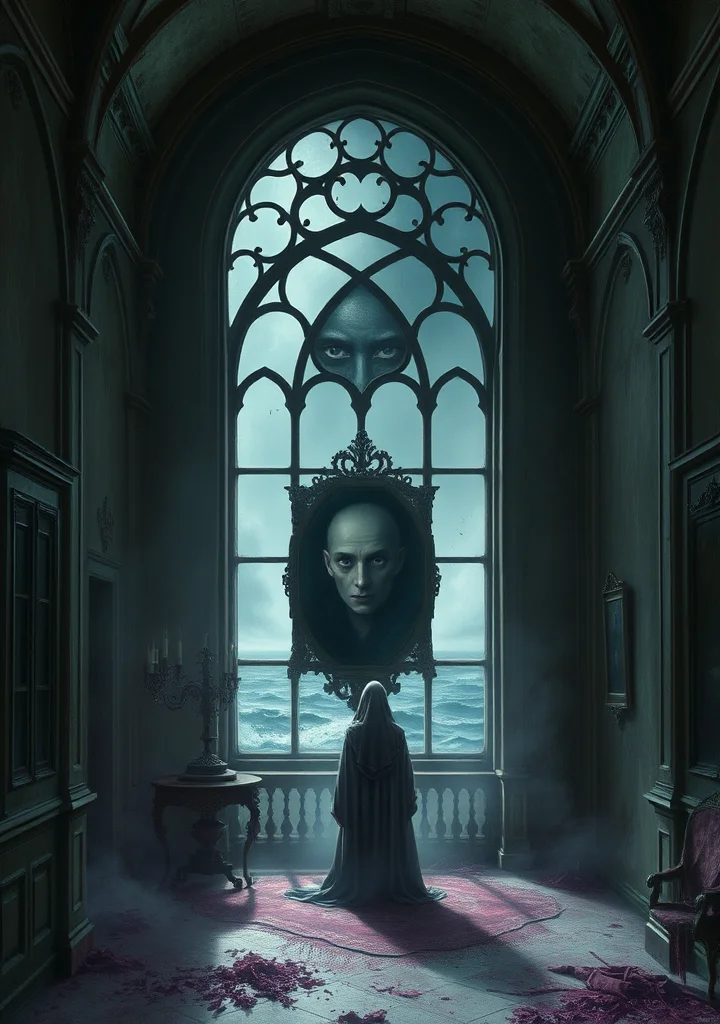
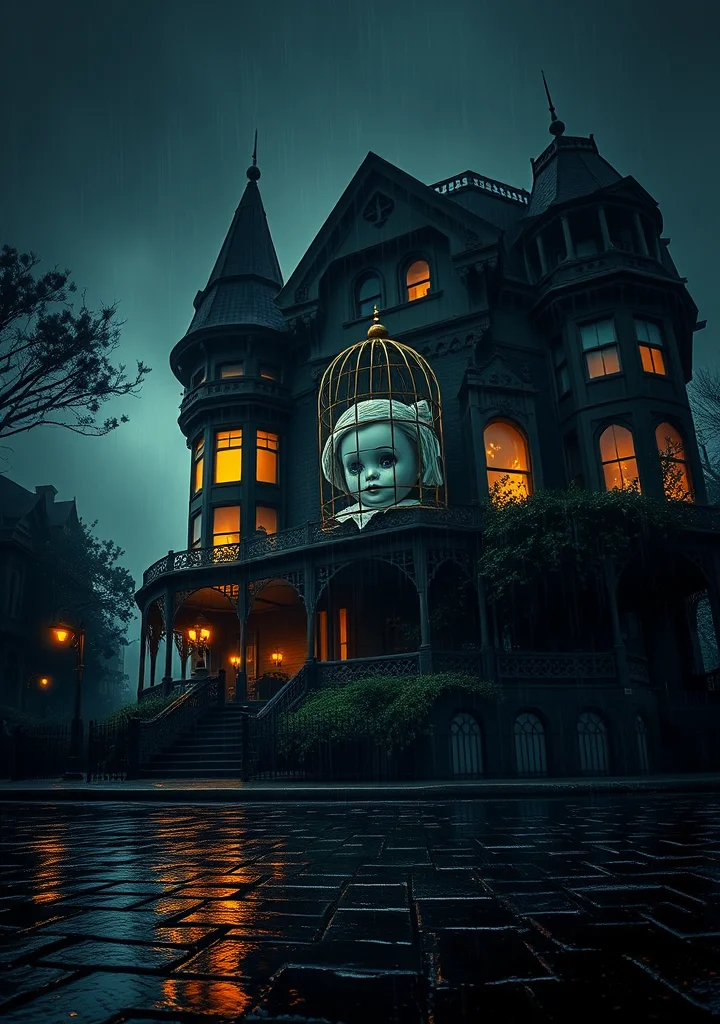
Rain-slicked streets bleed into the fog-choked mansions of San Francisco, where a legacy of madness and violence clings to the Dains family like graveyard dust. A fractured mind, a gilded cage of wealth, and whispers of ancestral sin weave through the shadowed parlors and opulent estates. Every opulent detail feels haunted—a chipped porcelain doll, a faded portrait with eyes that follow, the scent of jasmine masking something rotten. The narrative unravels not as a simple whodunit, but as a slow exposure to a rot consuming the Dains from within. A sense of dread permeates every encounter, fueled by a hypnotic, almost ritualistic obsession with the past. The city itself breathes with a suffocating weight—a labyrinth of secrets where the scent of decay lingers in the air. It's a descent into a fractured consciousness, a blurring of reality and delusion where the lines between victim and perpetrator dissolve into the creeping darkness. The curse isn’t just a story; it's a contagion, infecting everything it touches with the cold, clammy touch of obsession and ruin.
Copyright: Public Domain
This license allows anyone to use your story for any purpose, including printing, selling, or adapting it into a film freely.
Recommended for you
12 Part
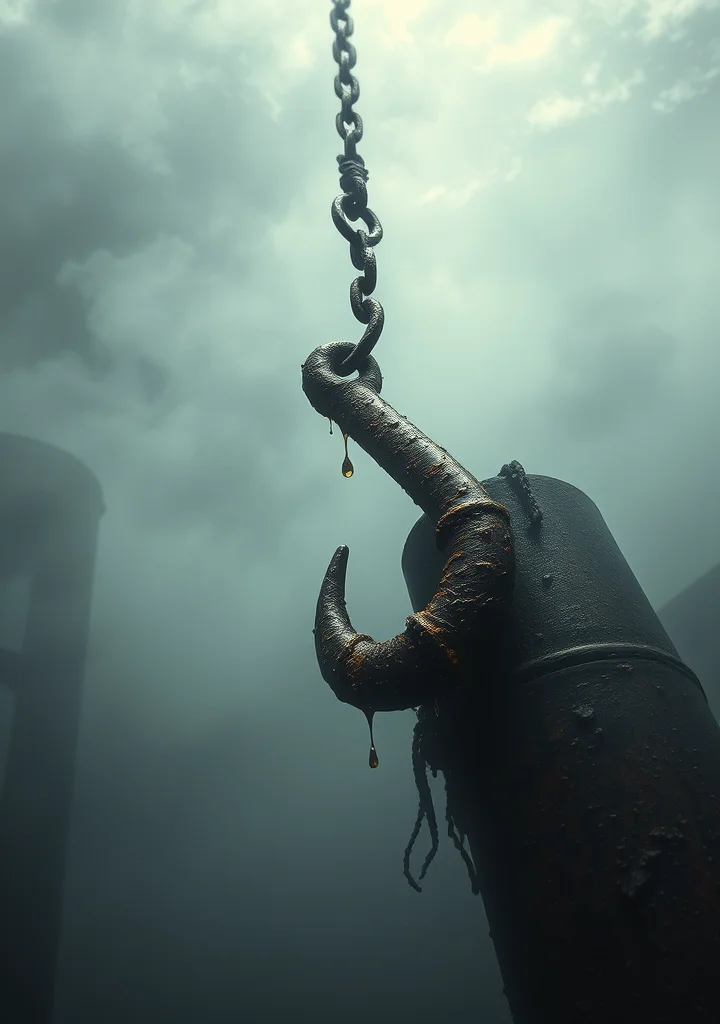
A suffocating dread clings to the steel decks and shadowed machinery of a transatlantic liner, where the brute force of labor grinds against a creeping, animalistic despair. The air itself is thick with coal dust and the greasy tang of engine rooms, mirroring the primal urges stirring within the hulking, ape-like figure of Paddy Donovan. He’s a man reduced to muscle and instinct, a creature of the hold, yet haunted by a phantom touch, a fleeting glimpse of something *other* than grime and iron. The narrative descends into a feverish, claustrophobic descent through the ship’s bowels—a world of flickering gaslight and the rhythmic throb of pistons, echoing the frantic beat of a caged heart. Donovan’s desperate attempts to connect, to *feel* something beyond the metallic clang of his existence, twist into a grotesque parody of yearning. The city above, glimpsed through grates and hatches, becomes a mocking reflection of a humanity he can no longer grasp. He is drawn to the grotesque carnival of the docks, to the desperate, predatory gazes of those who’ve lost their footing in the mire. The narrative bleeds into a brutal, fractured landscape of waterfront dives and shadowy alleys—a world where the ape’s rage finds a chilling resonance in the distorted cries of street preachers and the hollow laughter of the dispossessed. It is a slow, agonizing unraveling, a descent into a feral howl that echoes not with human protest, but with the guttural loneliness of a beast trapped in the ruins of its own making. The final, echoing space is one of concrete and cold, the raw, exposed nerve of a fractured soul finding its final, devastating release.
21 Part
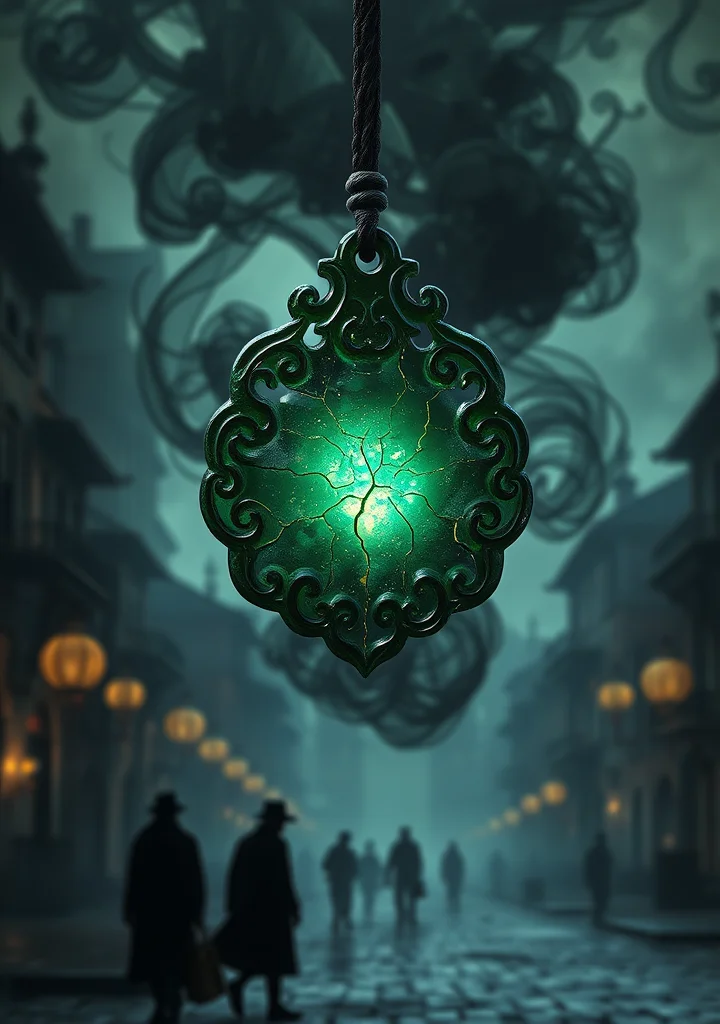
The crumbling Ralestone manor clings to the cliffs like a barnacle to a drowned wreck, perpetually shadowed by the bruised grey sky of the Northumbria coast. Within its damp stone walls, a legacy of misfortune doesn't merely linger, it *breathes*. Old Man Ralestone, they say, made a pact with the sea – trading generations of his family's prosperity for dominion over the treacherous currents. Now, his descendants inherit not wealth, but a creeping dread, a sense of being watched by something ancient and cold rising from the foam. The estate is choked with gnarled hawthorn and choked whispers of drowned sailors. Every high tide seems to drag a fragment of Ralestone's past – a chipped porcelain doll, a rusted fishing hook, a fragment of bone – to the shore. The manor house itself feels less like a dwelling and more like a lunging beast, its corridors twisting into labyrinthine shadows. A chilling, salt-laced wind howls through the empty hearths, carrying the echoes of broken promises and the scent of decay. Each room holds a portrait of a Ralestone, their faces gaunt and haunted, their eyes holding the same haunted recognition of a slow, inevitable sinking into the sea's grasp. The luck isn’t about winning or losing fortunes, but surviving until the next storm washes away another piece of the family’s sanity, leaving only the stones to remember their names. The very air is thick with the weight of a heritage that is not merely cursed, but *claimed* by the ocean’s hungry embrace.
101 Part
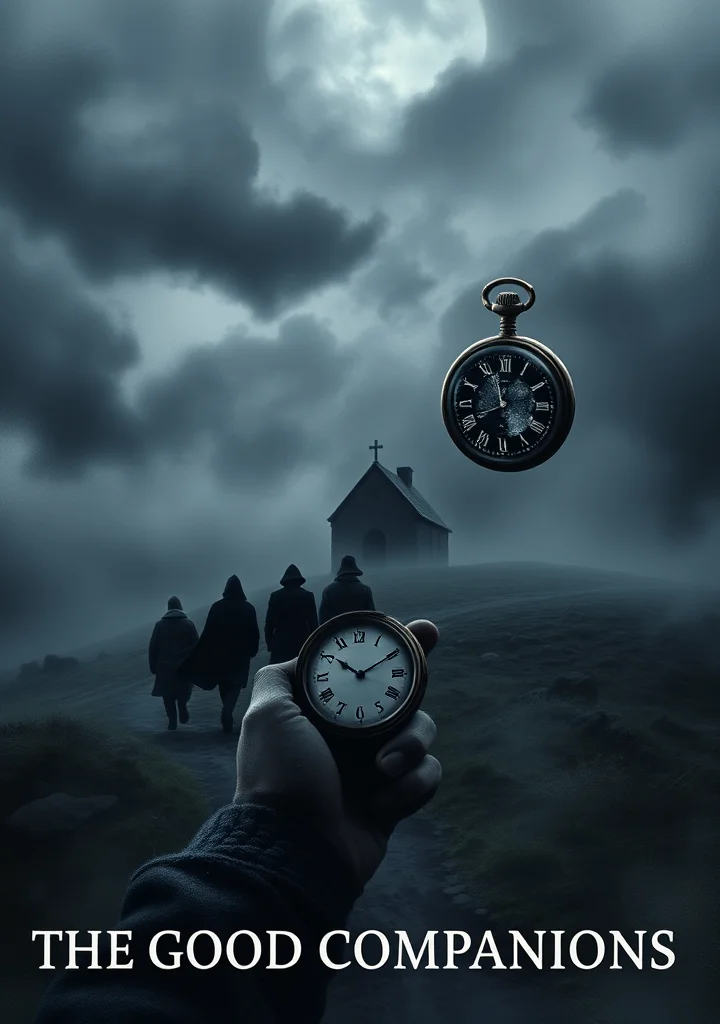
A creeping fog clings to the Yorkshire moors, mirroring the secrets held within the hearts of five strangers bound together by chance and a shared, unsettling journey. The year is nineteen thirty-one, and the weight of England’s failing industries presses down on each companion like a suffocating shroud. But this is no mere tale of economic hardship. It’s a slow unraveling, a gothic pilgrimage across a landscape haunted by fractured memories and the ghosts of unspoken desires. Each character carries a fragment of a forgotten tragedy, their pasts woven into the very fabric of the crumbling pubs and desolate railway lines they traverse. The narrative breathes with a melancholic rhythm, echoing the rhythmic clatter of train wheels and the mournful cry of distant sheep. A sense of premonition hangs heavy – not of spectacular doom, but of quiet, insidious decay. The camaraderie feels brittle, laced with suspicion and a desperate need to understand the shadows lurking within their companions’ eyes. As the companions draw closer to London, the oppressive atmosphere intensifies, mirroring the city’s labyrinthine streets and the moral murk beneath its glittering façade. A creeping sense of inevitability settles upon them, hinting that their shared journey isn’t merely across England, but towards a reckoning with the darkness within themselves. It’s a story told in hushed tones, where the true horrors aren’t found in grand gestures, but in the silences between words and the chilling recognition of shared, unacknowledged grief.