
The Dain Curse
  • 419
  • 0
  • 26
  • Read 419
  • 0
  • Part 26
Completed, First published Mar 02, 2026

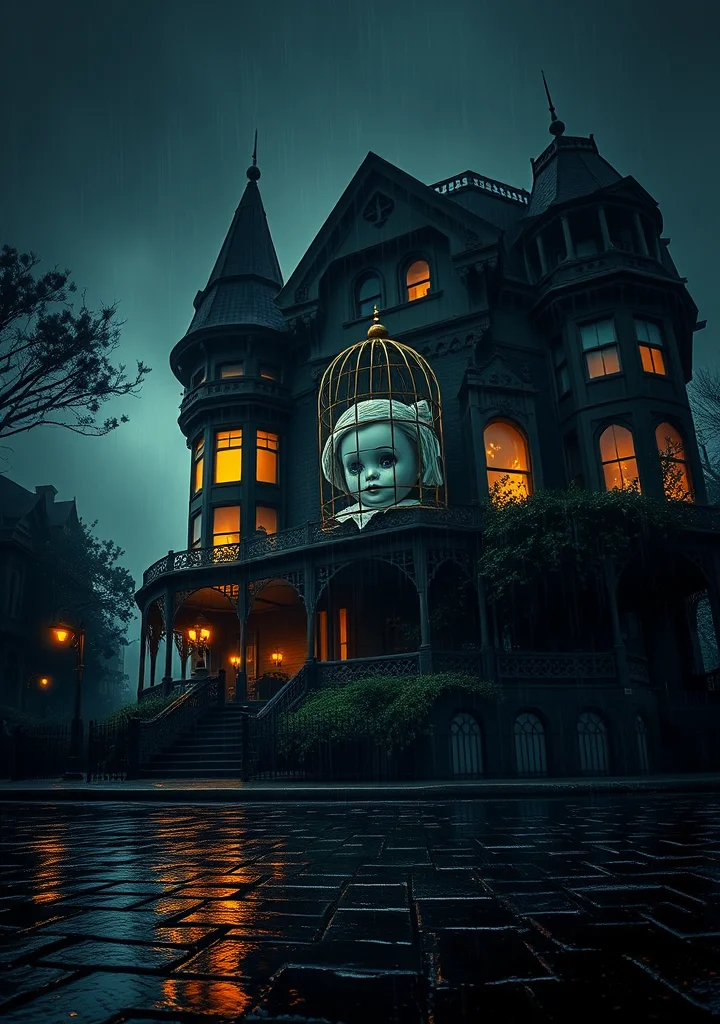
Rain-slicked streets bleed into the fog-choked mansions of San Francisco, where a legacy of madness and violence clings to the Dains family like graveyard dust. A fractured mind, a gilded cage of wealth, and whispers of ancestral sin weave through the shadowed parlors and opulent estates. Every opulent detail feels haunted—a chipped porcelain doll, a faded portrait with eyes that follow, the scent of jasmine masking something rotten. The narrative unravels not as a simple whodunit, but as a slow exposure to a rot consuming the Dains from within. A sense of dread permeates every encounter, fueled by a hypnotic, almost ritualistic obsession with the past. The city itself breathes with a suffocating weight—a labyrinth of secrets where the scent of decay lingers in the air. It's a descent into a fractured consciousness, a blurring of reality and delusion where the lines between victim and perpetrator dissolve into the creeping darkness. The curse isn’t just a story; it's a contagion, infecting everything it touches with the cold, clammy touch of obsession and ruin.
Copyright: Public Domain
This license allows anyone to use your story for any purpose, including printing, selling, or adapting it into a film freely.
Recommended for you
29 Part
A creeping dread clings to the shadowed corners of a boy’s ascension. Within the stifling grandeur of a European court, young Otto, heir to a crumbling dynasty, finds his life a gilded cage. But this is no simple tale of royal constraint. A sickness—physical, political, and something far older—infests the palace, manifesting in whispered anxieties and the chillingly precise machinations of a physician obsessed with prolonging life beyond its natural end. The narrative unfolds as a fever dream, blurring the lines between boyhood innocence and the monstrous ambitions of a kingdom built on decay. Every corridor echoes with the weight of tradition, every smile masks a festering resentment. Otto’s world is one of inherited sorrow, where the very air tastes of resignation and the rituals of power are conducted with the hushed reverence afforded to a slow, inevitable rot. The atmosphere is suffocating, a velvet darkness punctuated by the flickering candlelight of conspiracy. We move with Otto through labyrinthine chambers, haunted by the ghosts of his ancestors and the phantom promises of a future he cannot grasp. It is a story not of grand battles or heroic deeds, but of insidious influence, of a boy’s spirit eroding within the ornate prison of his birthright, until the prince becomes less a person and more a symptom of the kingdom’s own morbid vitality. The scent of lilies and decay permeates every page, promising not salvation, but a descent into a beautifully wrought, suffocating despair.
10 Part
A creeping twilight descends upon young Emil Sinclair as he’s drawn into the magnetic orbit of Max Demian, a figure both beautiful and terrifyingly unbound. Hesse’s narrative isn’t merely a coming-of-age, but a descent into shadowed chambers of the self, where inherited morality fractures against the raw stone of instinct. The air thickens with the scent of incense and forbidden knowledge as Sinclair’s world fractures – the rigid structure of his upbringing, the suffocating piety of his mother, all crumble beneath Demian’s gaze. Every encounter is layered with a premonition of doom, a cold wind whistling through the hollows of Sinclair’s nascent soul. The novel breathes with the claustrophobia of a gilded cage, the oppressive weight of societal expectations pressing down like lead. Dreams twist into grotesque allegories, mirroring Sinclair’s inner turmoil with unsettling clarity. Ancient symbols, unearthed from the loam of forgotten myths, become obsessions, fueling a desperate quest for liberation. The narrative is haunted by the specter of a fractured duality, a constant blurring of light and shadow, innocence and corruption. Sinclair’s journey isn’t towards enlightenment, but towards a harrowing reckoning with the darkness within—a darkness that threatens to consume him entirely as he spirals towards the inevitable, brutal severing of ties with the world he once knew. The final revelation is less a triumph, more a chilling echo in the vast, empty cathedral of his own becoming.