
-
Read 379
-
0
-
Part 23
Completed, First published Mar 02, 2026
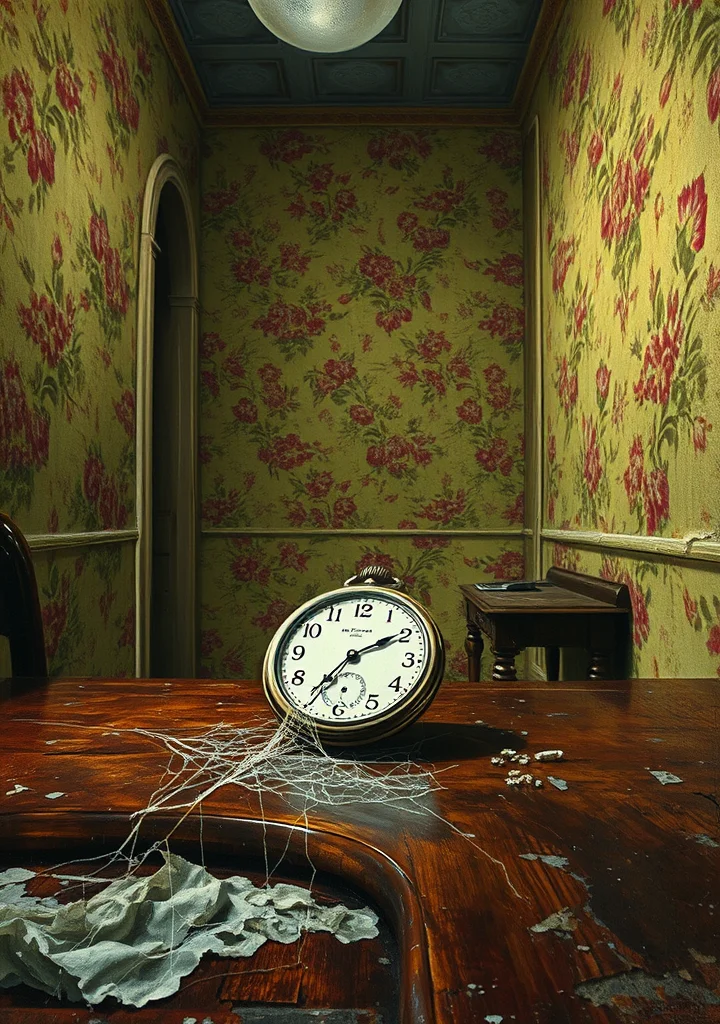
A creeping dread clings to the Austrian countryside, mirroring the rot within the Baroness von Suttner’s ancestral estate. The novel exhales a perpetual twilight, thick with the scent of decaying roses and damp earth. It isn't merely a story of pacifism, but a descent into the haunted legacy of militarism, felt as a suffocating presence in shadowed parlors and overgrown graveyards. Each whispered conversation, each inherited heirloom, carries the weight of generations lost to war—a spectral burden borne by the protagonist as she attempts to dismantle the fortress of inherited violence. The narrative unravels like a shroud, revealing not just the physical ruins of the land, but the crumbling moral foundations of a family consumed by the echoes of cannon fire. A pervasive melancholy seeps from every page, a damp chill rising from the bogs where broken promises and abandoned ideals drown in the mire. The true horror isn’t the bloodshed itself, but the insidious way it poisons the soil, twisting affection into obligation and silencing the very soul beneath layers of tradition and duty. It is a story of ghosts—the ghosts of soldiers, of lovers, of a nation—all demanding their due in a crumbling world.
Copyright: Public Domain
This license allows anyone to use your story for any purpose, including printing, selling, or adapting it into a film freely.
This license allows anyone to use your story for any purpose, including printing, selling, or adapting it into a film freely.
Chapter List
-
« Lay Down Your Arms »📖 Continue Reading
-
« Translator’s Preface to the First Edition »
-
« Preface to the Second Edition »
-
« Lay Down Your Arms »
-
« Chapter_6 »
-
« Chapter_7 »
-
« Chapter_8 »
-
« Chapter_9 »
-
« Chapter_10 »
-
« Chapter_11 »
-
« Chapter_12 »
-
« Chapter_13 »
-
« Chapter_14 »
-
« Chapter_15 »
-
« Chapter_16 »
-
« Chapter_17 »
-
« Chapter_18 »
-
« Chapter_19 »
-
« Chapter_20 »
-
« Chapter_21 »
-
« Chapter_22 »
-
« Chapter_23 »
-
« Chapter_24 »
23
-
« Lay Down Your Arms »
-
« Translator’s Preface to the First Edition »
-
« Preface to the Second Edition »
-
« Lay Down Your Arms »
-
« Chapter_6 »
-
« Chapter_7 »
-
« Chapter_8 »
-
« Chapter_9 »
-
« Chapter_10 »
-
« Chapter_11 »
-
« Chapter_12 »
-
« Chapter_13 »
-
« Chapter_14 »
-
« Chapter_15 »
-
« Chapter_16 »
-
« Chapter_17 »
-
« Chapter_18 »
-
« Chapter_19 »
-
« Chapter_20 »
-
« Chapter_21 »
-
« Chapter_22 »
-
« Chapter_23 »
-
« Chapter_24 »
More like this