
-
Read 283
-
0
-
Part 18
Completed, First published Mar 02, 2026
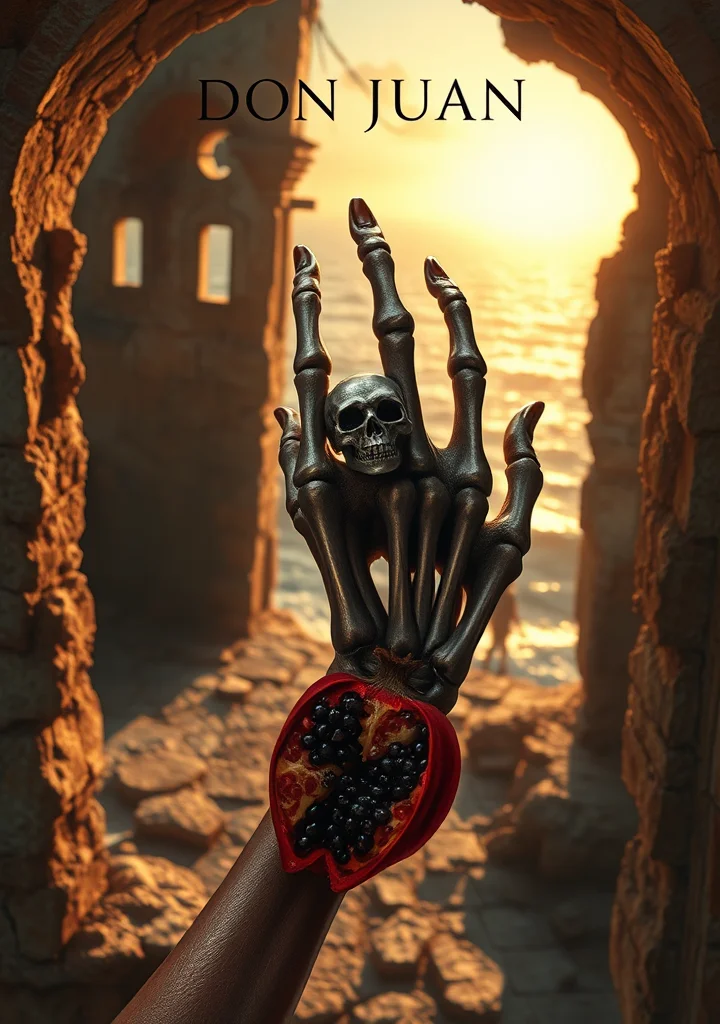
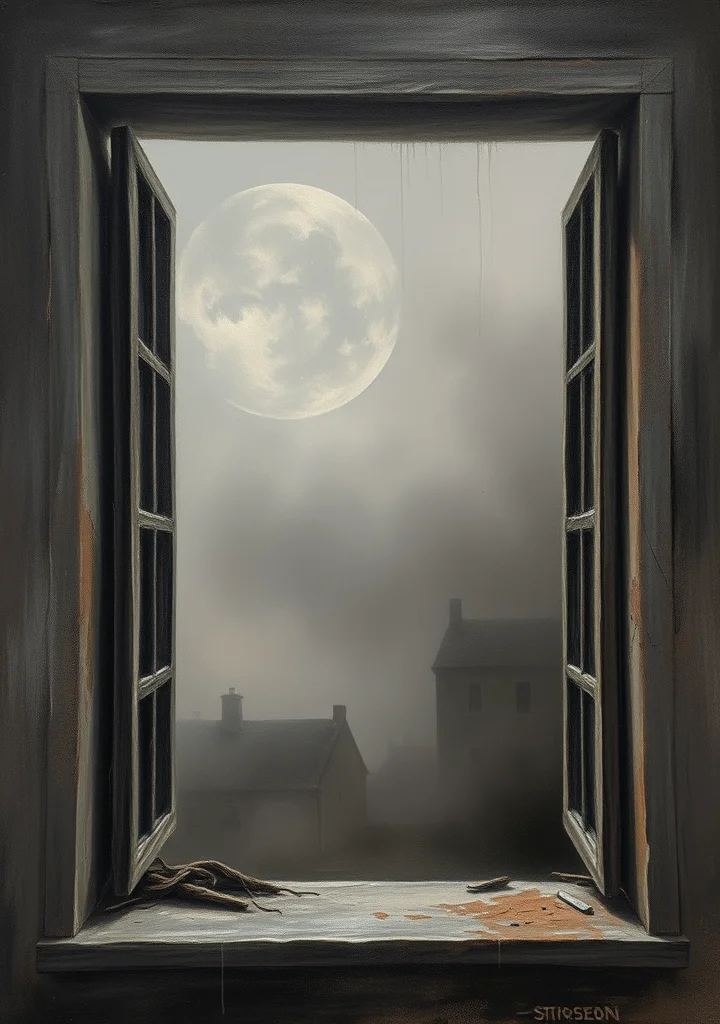
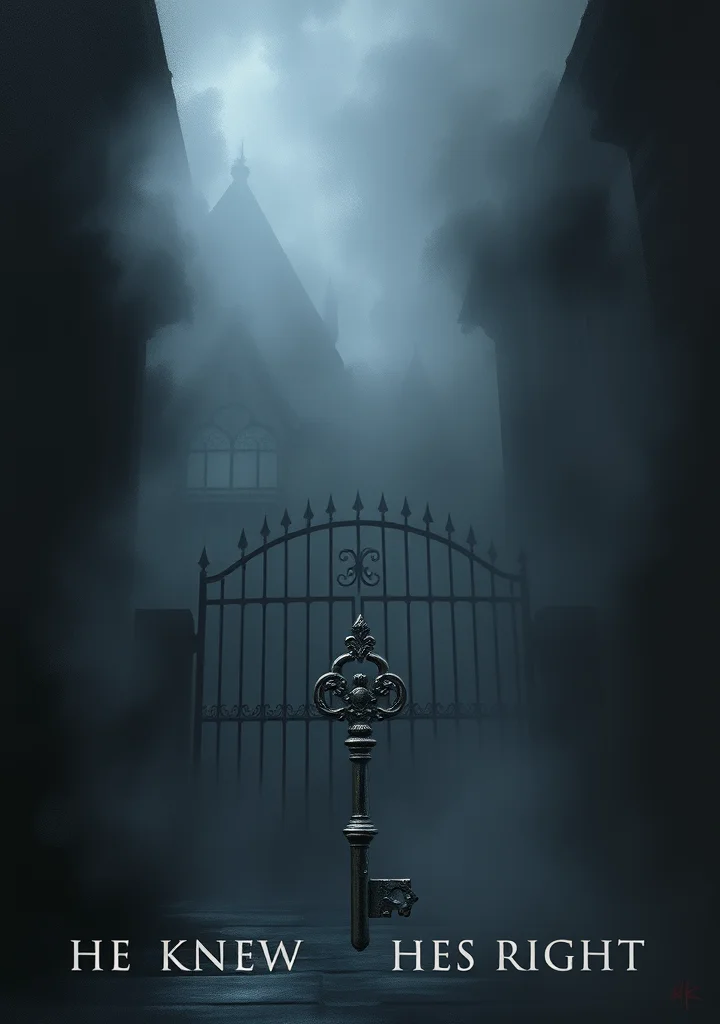
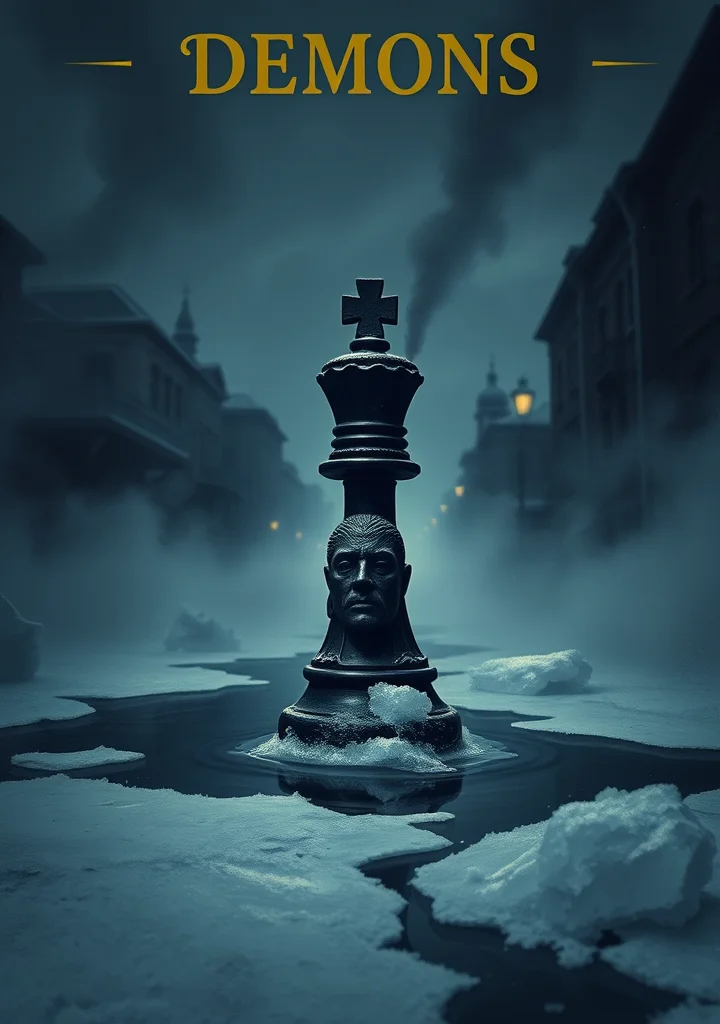
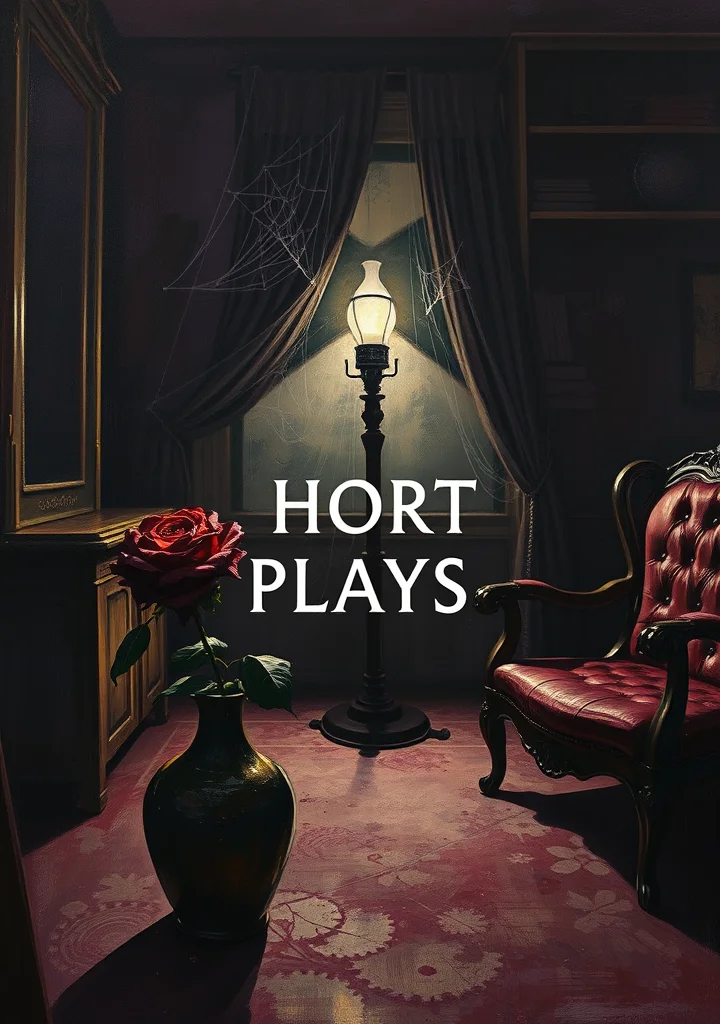
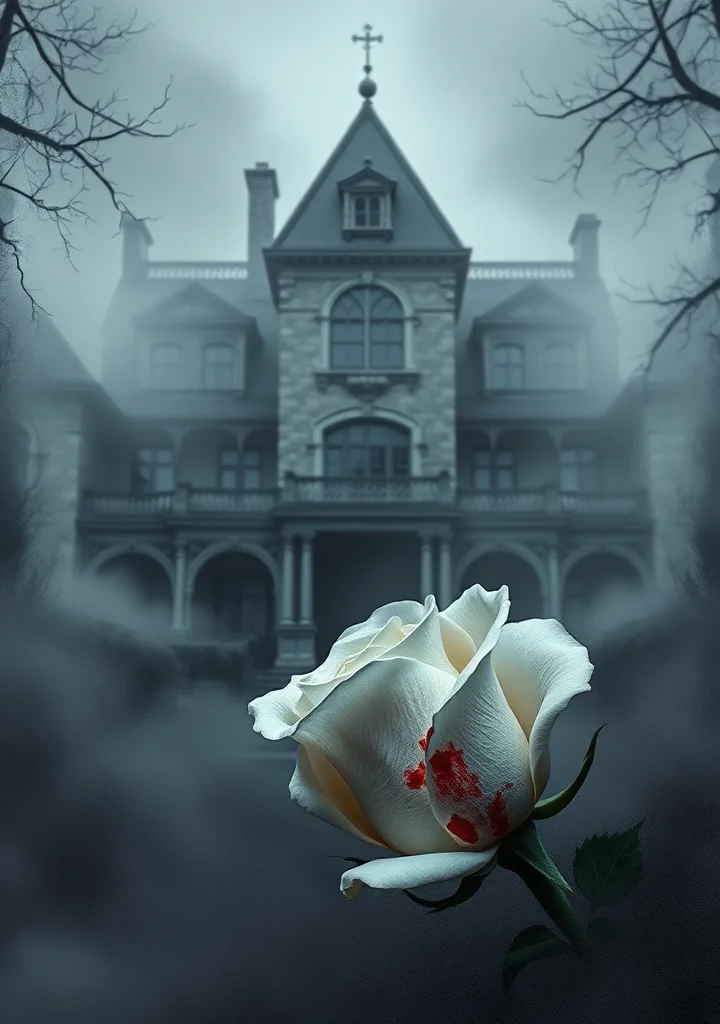
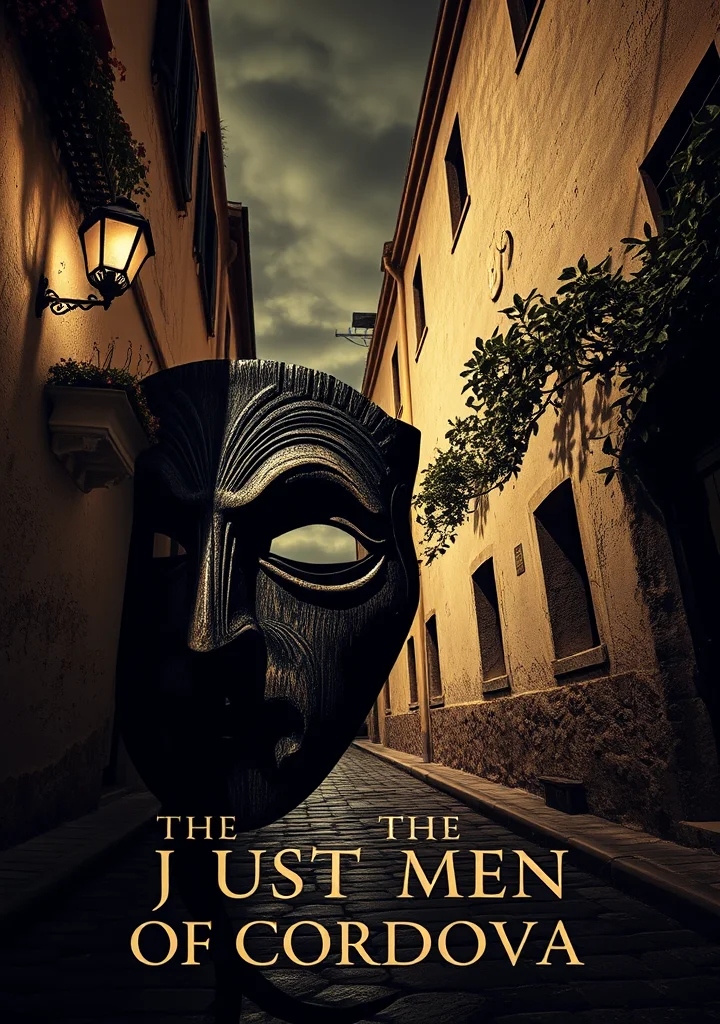
Dust motes dance in the perpetual twilight of Cordova’s alleys, where shadows cling to whitewashed walls like mourners to a shroud. Wallace weaves a tale steeped in the scent of jasmine and decay, a labyrinth of whispered accusations and veiled loyalties. The air hangs thick with the weight of ancient grievances, each cobbled street echoing with the ghosts of fortunes won and lives bartered. Here, justice is not blind, but meticulously, brutally *seen* – dispensed by men whose faces are carved from granite and whose hands are stained with the currency of power. A suffocating heat bleeds from the sun-baked stone, mirroring the feverish desperation gripping those caught in the web of the Just Men’s intricate machinations. Every doorway promises intrigue, every smile conceals a threat. The narrative coils around a slow, insidious unraveling – not of a crime, but of a system, one built on silence and enforced by the glint of polished steel. A sense of impending doom permeates the very mortar of the city, a feeling that beneath the veneer of civility, something monstrous stirs, waiting to claim its due in the stifling darkness. The novel breathes with the suffocating dread of being watched, judged, and ultimately, consumed by the very order it seeks to expose.
Copyright: Public Domain
This license allows anyone to use your story for any purpose, including printing, selling, or adapting it into a film freely.
This license allows anyone to use your story for any purpose, including printing, selling, or adapting it into a film freely.
More like this