
Measure for Measure
  • 167
  • 0
  • 25
  • Reads 167
  • 0
  • Part 25
Completed, First published Mar 02, 2026

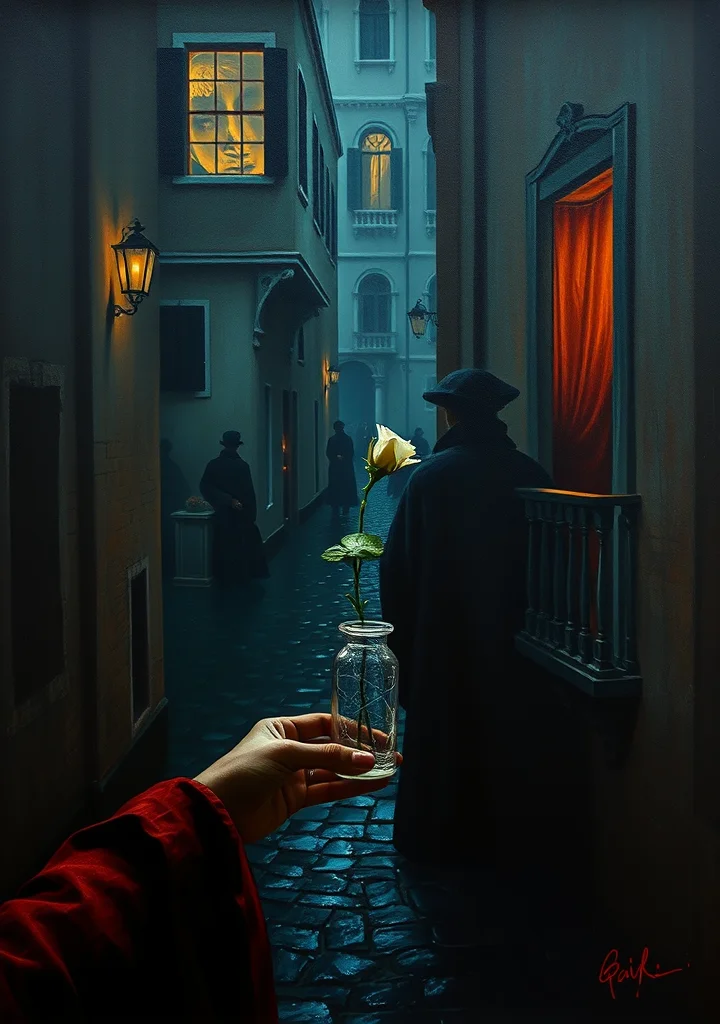
A suffocating Venetian dusk clings to the cobblestones, thick with the scent of brine and simmering vice. Duke Vincentio, cloaked in shadow, abandons his city to observe the rot blooming in his own absence—a rot fueled by rigid law and the cruel bloom of Angelo’s newfound authority. Isabella, a novitiate cloistered in fragile piety, is thrust into a labyrinth of forced choice: to barter her sacred vows for the life of her brother, Claudio, condemned for a youthful transgression. The air within the city’s narrow streets is heavy with unspoken bargains, where virtue is a currency easily spent, and mercy feels like a forgotten prayer. Each shadowed alleyway whispers of corruption, each measured decree echoes with the cold weight of ambition. A feverish tension coils around every transaction, every glance—a city held hostage by its own rigid moral calculus, where the line between justice and brutality dissolves into a chilling, ambiguous gray. The narrative unfolds not as a clash of swords, but as a slow, deliberate unraveling of conscience, a descent into the suffocating darkness of enforced righteousness, where the measure of a life is tallied in the hollow echo of a broken promise.


Copyright: Public Domain
This license allows anyone to use your story for any purpose, including printing, selling, or adapting it into a film freely.
Recommended for you
48 Part
Dust clings to the sun-bleached plains, mirroring the grit that coats the heart of young Stella Farraday. This is a story not of grand romance, but of a slow, creeping suffocation within a landscape that promises freedom yet delivers only the stifling weight of expectation. The Australian bush, rendered not as a vibrant Eden, but as a vast, indifferent witness to a woman’s ambition. Every sun-cracked homestead, every whispered rumour carries the scent of decay – not of flesh, but of potential, of dreams left to wither under the relentless gaze of a society that deems brilliance a dangerous bloom in the female soil. A loneliness permeates the narrative, a chill that settles not in the weather, but in the silences between polite conversations, in the measured glances of men who see only duty fulfilled. Stella’s defiance isn’t a fiery rebellion, but a quiet erosion of the self, a chipping away at the stone of convention until only the raw, exposed nerve of her intellect remains. The brilliance itself feels less like a beacon and more like a fever – a consuming heat that isolates her within a gilded cage of her own making. The narrative unfolds like a slow burn, the embers of her passion fanned by the harsh winds of practicality. There's a sense of being watched, not by malicious intent, but by the unforgiving judgement of a world that can’t comprehend a woman daring to choose herself over the prescribed roles. It’s a ghost story of a life unlived, haunting the reader with the question of what blooms in the darkness when a brilliant mind is denied the sun.
56 Part
A creeping dread clings to the shadowed lanes surrounding Wildfell Hall, a manor steeped in rumour and whispered anxieties. The narrative unfolds through the anxious observations of a young gentleman drawn into the isolated community, but quickly becomes consumed by the mystery of its reclusive mistress, Helen. She arrives fleeing a monstrous secret, a husband whose depravity festers within the confines of their marriage. The Hall itself breathes with a history of decay, a gothic fortress concealing not merely stone and timber, but the unraveling of a woman’s spirit. The story is one of entrapment—not within walls, but within a marriage that slowly poisons the soul. Helen’s diary, unearthed like a tomb’s unearthed remains, reveals a descent into darkness, fuelled by alcohol-soaked brutality and the insidious erosion of self-worth. Every shadowed room, every stolen glance, echoes with the suffocating weight of a life slowly extinguishing under the weight of a monstrous devotion. The landscape mirrors the internal torment; bleak moors and desolate farmhouses reflect the emotional barrenness of her existence. A relentless tension builds, punctuated by the chilling details of her husband’s escalating cruelty, until the reader is left gasping with Helen, trapped within a nightmare of domestic horror. It is a tale of escape, yes, but the price of freedom is etched in scars both visible and unseen, leaving Wildfell Hall a monument to the harrowing power of abuse and the desperate will to survive.
12 Part
A creeping dread clings to the Scottish Highlands, a suffocating weight born not of stone and shadow, but of ambition and icy calculation. Buchan doesn’t offer roaring castles or spectral apparitions, but a far more insidious haunting – the slow, deliberate erosion of a man’s soul within the brutal architecture of his own making. The estate of Aird’s Glen isn’t merely a house, but a fortress of will, built upon a foundation of stolen secrets and shadowed deeds. The air within its walls is thick with the scent of peat smoke and the ghosts of fortunes won and lives broken. It’s a place where the very landscape seems to conspire to conceal, and the silence holds a tremor of violence barely contained. Every polished surface, every perfectly aligned stone, reflects a ruthlessness that chills the bone. The narrative doesn’t rush towards a climax, but coils like a viper in the darkness, tightening with each whispered conversation, each carefully placed rumour. The true horror isn’t what is *in* the Powerhouse, but what it *becomes* – a monument to the terrifying elegance of a man who dares to play God amongst the heather and the rain. The oppressive isolation isn't merely geographical, but a suffocating imprisonment within a mind determined to conquer not just land, but the very spirit of the glen itself. It’s a story where the landscape itself is a witness to sin, and the wind carries the lament of those consumed by its ambition.