
The Black Star Passes
  • 148
  • 0
  • 27
  • Reads 148
  • 0
  • Part 27
Completed, First published Mar 02, 2026

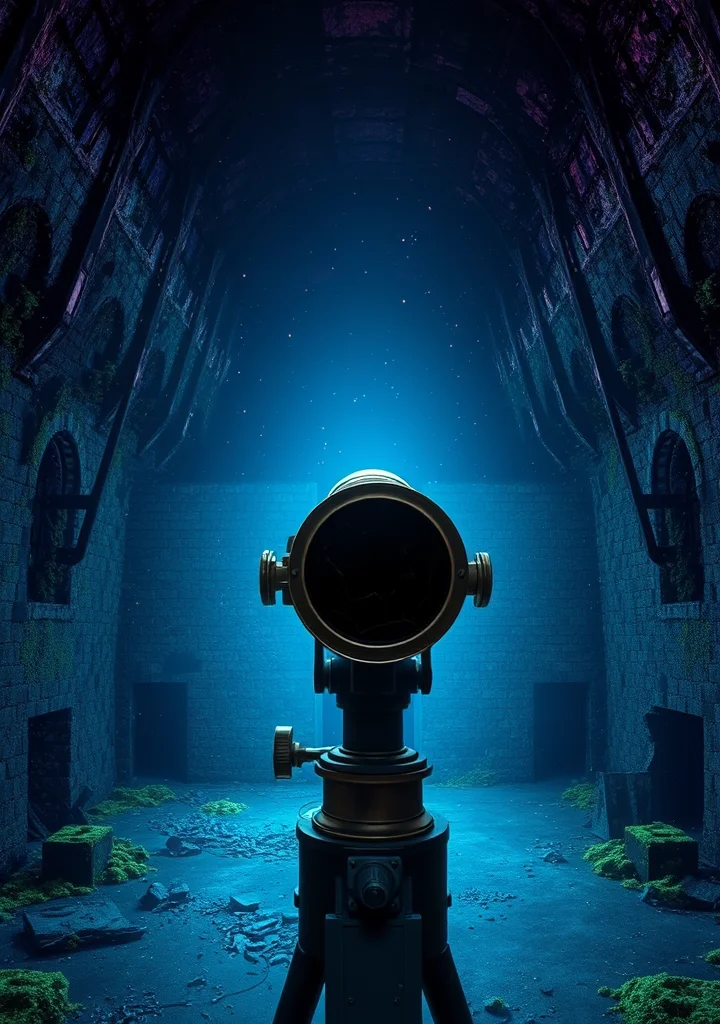
Dust motes dance in the perpetual twilight of the abandoned observatory, a chill clinging to the stone walls like grave mold. The narrative unfolds not as a story of stars, but of rot—a slow, creeping decay mirrored in the dwindling sanity of Dr. Alistair Finch. He watches not for celestial events, but for the *absence* of light, for the black star that promises not annihilation, but a hollowed-out existence, a theft of soul. The estate surrounding the observatory breathes with a forgotten history, each shadowed corner whispering of rituals performed under the uncaring gaze of the void. Campbell weaves a dread that isn’t born of monsters, but of the unraveling of the human mind confronted by an indifferent cosmos. Finch’s obsession becomes a contagion, infecting the very air with a paranoia that clings to the reader like cobwebs. The prose is less concerned with spectacle than with the suffocating weight of isolation, the oppressive silence broken only by the ticking of forgotten clocks and the frantic scribblings of a man charting his own descent into a darkness that isn’t merely stellar, but fundamentally *other*. It’s a gothic isolation chamber, built not of bricks and mortar, but of cosmic indifference and the crumbling architecture of a fractured psyche. The final pages don’t offer escape, but a mirroring—a glimpse into the starless abyss within us all.
Copyright: Public Domain
This license allows anyone to use your story for any purpose, including printing, selling, or adapting it into a film freely.
Recommended for you
81 Part
Dust motes dance in the shadowed halls of memory, each recollection a chipped fragment of granite pulled from the bedrock of a life forged in iron. Though ostensibly a chronicle of command and strategy, Grant’s memoir bleeds with the chill of ambition’s long winters. It is not the roar of battle that lingers most keenly, but the hushed silences between orders, the spectral weight of responsibility pressing down upon a man who navigated not glory, but the grey expanse of consequence. The prose itself is a slow, deliberate march through the fog of recollection, each sentence a measured step toward a darkness masked as pragmatism. A relentless current of self-assessment, it leaves one shivering not from cold, but from the awareness of how easily a man can be hollowed out by the very wars he wages. The victories feel less like triumphs and more like the echoing emptiness within a fortress built upon the bones of the fallen. There is a peculiar, unnerving detachment – a dispassionate inventory of ruin that hints at a man already halfway to the grave, cataloging his life as if it were merely another terrain to be mapped and conquered. The very act of remembering feels like a haunting, a spectral revisiting of the fields stained crimson with the harvest of his deeds. The weight of the Union, the weight of failure, the weight of a man who, even in his self-reckoning, cannot quite escape the shadow of his own making. It is a memoir written not from triumph, but from the precipice of oblivion, and the echo of its pages is a long, cold draught from a forgotten tomb.
21 Part
A creeping dread clings to the salt-laced shores of Varick Isle, where the crumbling manor of its namesake stands sentinel against a perpetual grey sky. The story unfolds not as a linear descent, but as a slow unraveling—a tapestry of whispered confessions unearthed in brine-soaked journals and the fevered ramblings of those who dared to seek Varick’s secrets. Saltus paints a world steeped in maritime rot and the suffocating weight of ancestral guilt. Each chapter feels like a chipped fragment of a drowned memory, revealing glimpses of a man consumed by his own meticulous, morbid obsession with charting the currents of madness. The narrative breathes with the damp chill of forgotten crypts, where shadows twist into the shapes of Varick’s monstrous creations—not of flesh and bone, but of painstakingly transcribed nightmares. A suffocating claustrophobia permeates the text, mirroring the labyrinthine passages of the manor itself. The air is thick with the scent of decaying parchment and the metallic tang of blood, both real and imagined. The truth, as it surfaces, is less a revelation than a contagion—a spreading stain of corruption that seeps into the reader's mind, blurring the line between the rational and the grotesque. It is a story of inheritance not of wealth, but of decay, a descent into a watery grave where the boundaries of sanity dissolve into the churning depths. One finds oneself not merely reading of Varick’s madness, but *experiencing* it, drawn into its suffocating vortex, haunted by the echoes of its mournful cries carried on the wind.
36 Part
The veil-thin woods breathe with a chilling sentience, mirroring the fractured psyche of Lud, a man returning to his childhood home—a village swallowed by a perpetual, iridescent mist. Not a homecoming, but a haunting. The mist is not merely weather; it is a memory-eater, a slow unraveling of self, drawing Lud into a labyrinth of forgotten folklore and the cold, glittering bargains struck with beings just beyond the periphery of vision. Each step deeper into the shrouded lanes is a descent into a decaying, dream-soaked reality where the boundaries between the living and the dead, the remembered and the imagined, dissolve. The stone cottages, slick with damp, seem to watch with vacant, hollow eyes. A creeping dread, born not of malice but of *absence*, clings to everything—a silence pregnant with the ghosts of promises made and broken. Lud’s search for his lost love, Moira, becomes a spiraling echo through the mist-wrought landscape, a desperate grasping for something tangible in a world where solidity itself is an illusion. He is haunted by whispers of faerie bargains, by the cold touch of things *almost* remembered, by the insidious, beautiful rot that blossoms in the heart of forgotten places. The mist itself seems to possess a consciousness, a patient, predatory hunger for the fragments of Lud’s soul, offering glimpses of a truth too terrible to bear, a revelation of what lies beneath the shimmering surface of the world—and what waits for him in its depths. It is a story steeped in the scent of damp earth, decaying leaves, and the faint, metallic tang of things lost to the fog.
33 Part
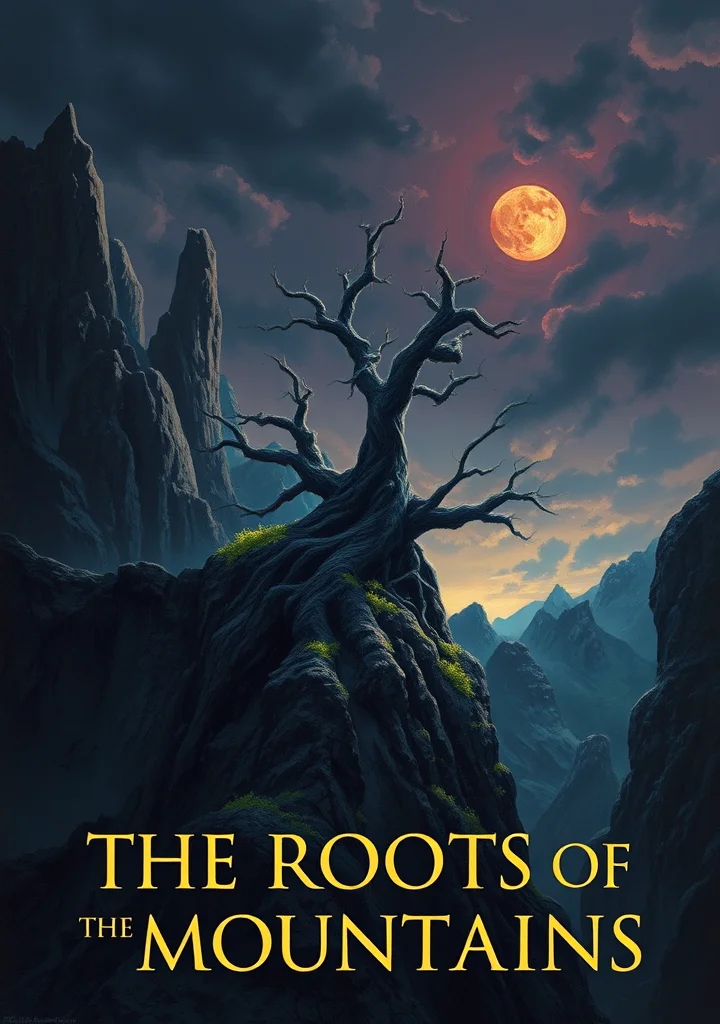
Beneath a veil of perpetual twilight, where ancient forests breathe secrets into the stone of crumbling castles, lies a kingdom shadowed by forgotten paths and the chittering hunger of goblin kind. This is not a tale of valiant knights and gleaming steel, but one of hearth-lit wonder and creeping dread. A princess, luminous and innocent, wanders these shadowed realms guided by a nurse’s lore of hidden doors and the watchful gaze of unseen protectors. Yet, the earth itself remembers the goblins' claim, their greed a festering wound in the mountain’s heart. The air hangs thick with the scent of damp earth and decaying leaves, echoing with the rhythmic thump of goblin hammers and the whispers of a world just beyond the threshold of waking dreams. Every shadow stretches a little longer, every stone seems to watch with cold, ancient eyes. A descent into a labyrinth of winding tunnels, where the very rock weeps with the memory of forgotten miners and the glint of goblin treasure masks a deeper, more insidious hunger. This is a story woven with the threads of childhood wonder, but laced with the chilling awareness of something ancient and malevolent stirring beneath the soil. It is a world where kindness and courage become the brightest lanterns against a darkness that claws at the edges of reality, where the smallest act of faith can illuminate the path to salvation, or lead the unwary soul into the cold, unyielding embrace of the goblin’s lair. A creeping unease settles upon the reader as they journey alongside the princess, drawn into a realm where the boundary between dream and nightmare dissolves with every echoing step.
46 Part
A creeping dampness clings to the shadowed corners of Valley of Blue Castles, where Valerian Barclay, a woman withered by years of stifling duty and whispered scorn, discovers a freedom born of bitter defiance. The narrative exhales a melancholic haze, thick with the scent of decaying roses and the murmur of regret. Old Man Barclay’s estate, a crumbling edifice of ancestral pride, looms like a skeletal hand against perpetually bruised skies. The castle itself is less stone and mortar than a cage of expectations, its blue hue mirroring Valerian's own bruised spirit. A slow unraveling of societal constraints bleeds into a strange, almost feverish awakening as Valerian dares to embrace the eccentricities of her world. The forest surrounding the castle breathes with a secret life, teeming with shadowed paths and whispers of forgotten lore. A haunting stillness pervades the narrative, broken only by the creak of ancient timbers and the rustle of unseen things in the shadowed depths of the woods. The air is thick with the weight of unspoken desires and the chilling possibility of a love that blooms only in the wreckage of shattered reputations. Even as Valerian's heart opens to a fragile hope, the specter of her past – and the castle’s own decaying grandeur – casts a long, unforgiving shadow. The novel is steeped in a sense of lonely grandeur, where the echoes of loss resonate through every darkened hall, and even the most vibrant bloom is tinged with the blue of sorrow.