
-
Read 512
-
0
-
Part 36
Completed, First published Mar 02, 2026
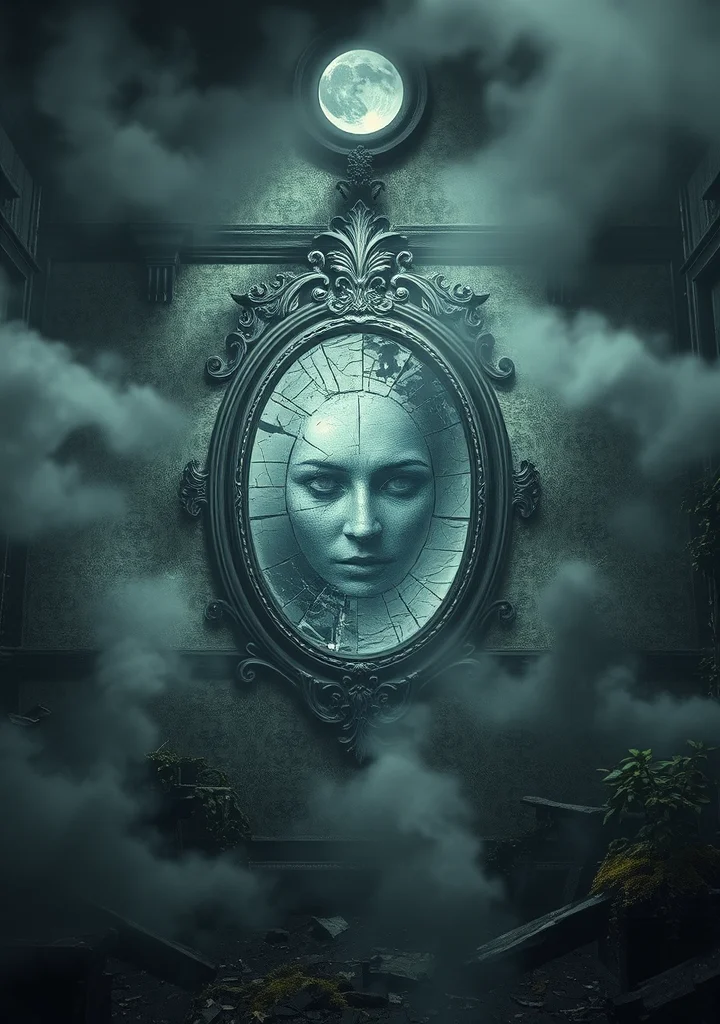
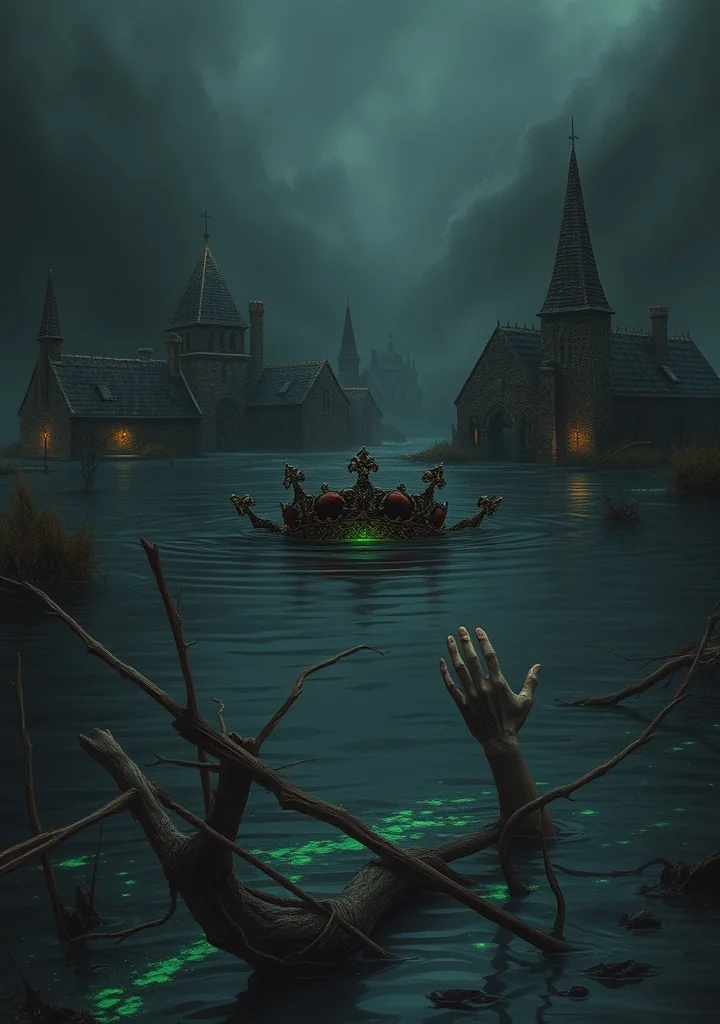
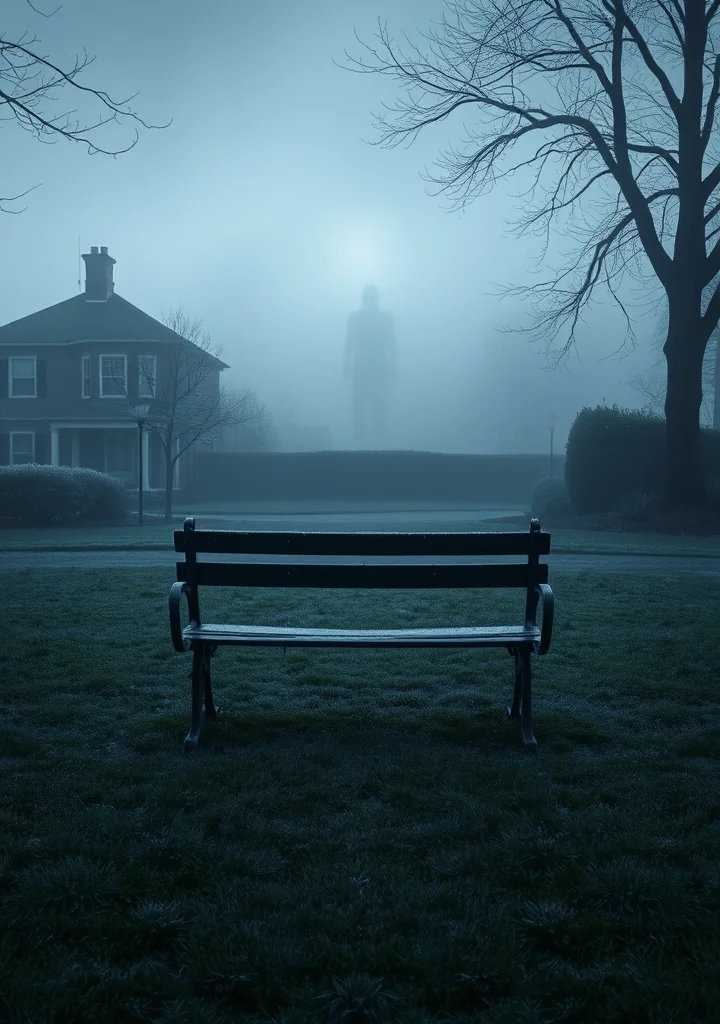
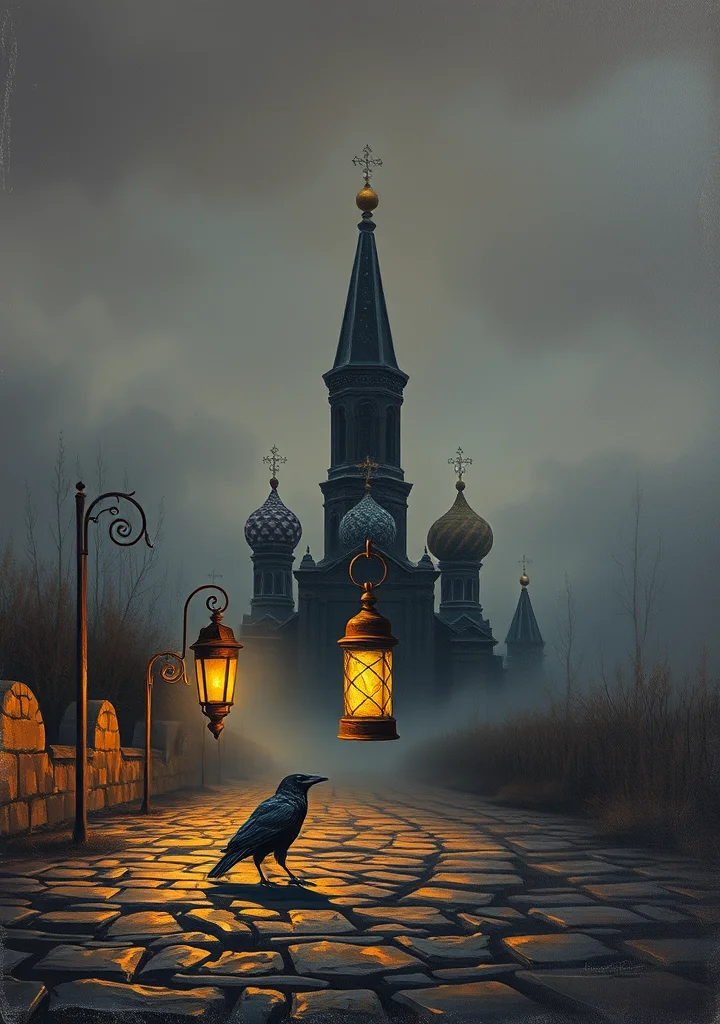
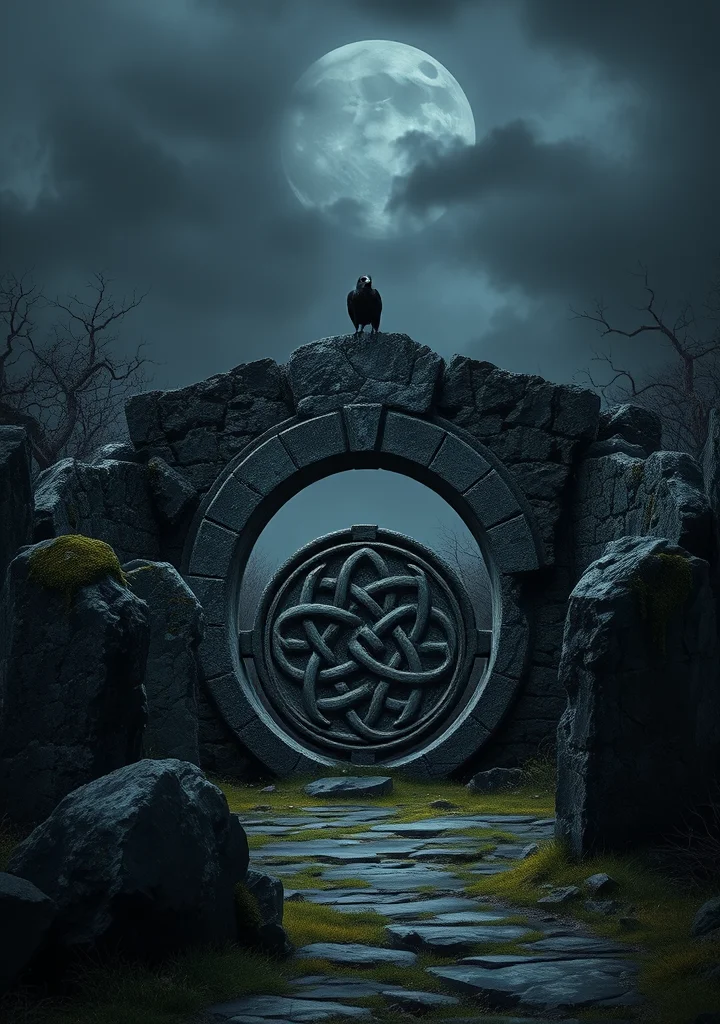
The veil-thin woods breathe with a chilling sentience, mirroring the fractured psyche of Lud, a man returning to his childhood home—a village swallowed by a perpetual, iridescent mist. Not a homecoming, but a haunting. The mist is not merely weather; it is a memory-eater, a slow unraveling of self, drawing Lud into a labyrinth of forgotten folklore and the cold, glittering bargains struck with beings just beyond the periphery of vision.
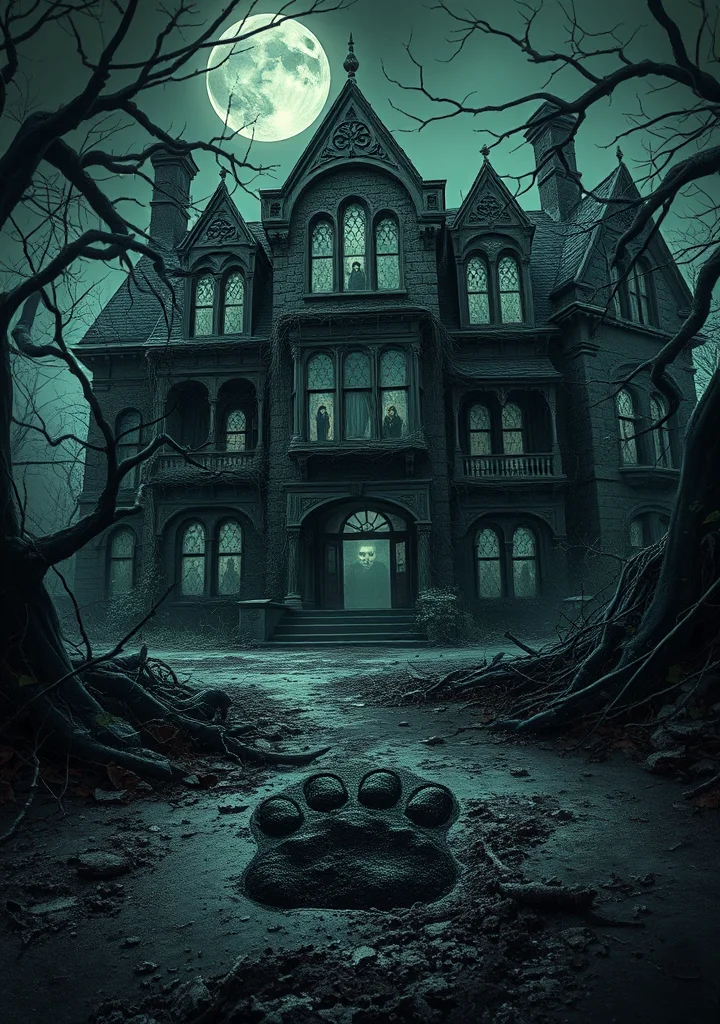
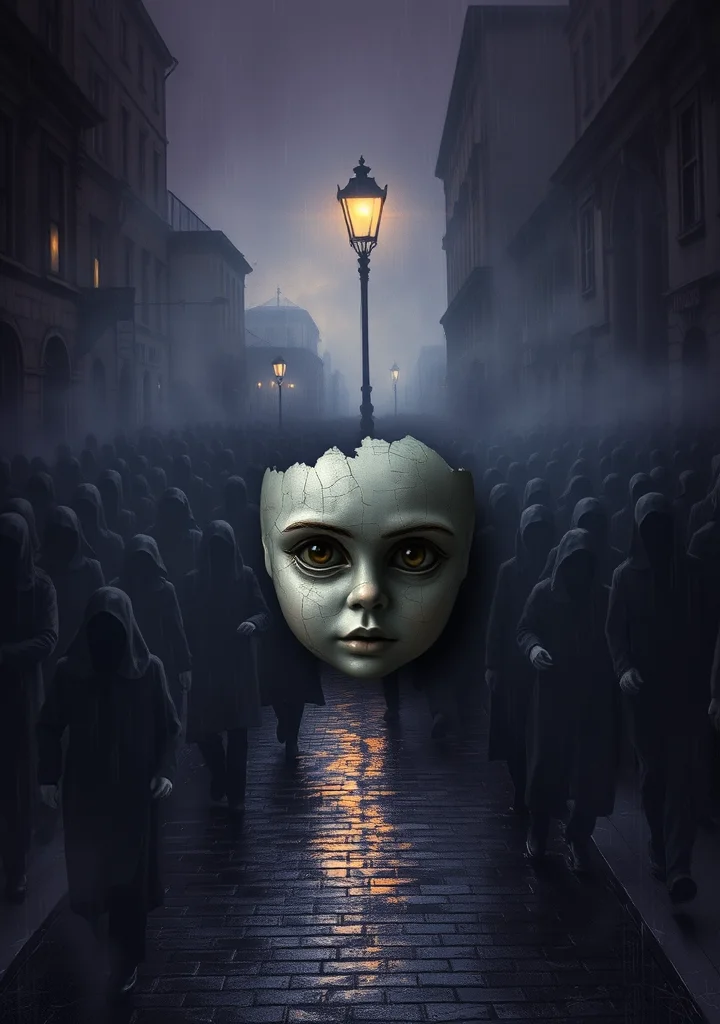
Each step deeper into the shrouded lanes is a descent into a decaying, dream-soaked reality where the boundaries between the living and the dead, the remembered and the imagined, dissolve. The stone cottages, slick with damp, seem to watch with vacant, hollow eyes. A creeping dread, born not of malice but of *absence*, clings to everything—a silence pregnant with the ghosts of promises made and broken.
Lud’s search for his lost love, Moira, becomes a spiraling echo through the mist-wrought landscape, a desperate grasping for something tangible in a world where solidity itself is an illusion. He is haunted by whispers of faerie bargains, by the cold touch of things *almost* remembered, by the insidious, beautiful rot that blossoms in the heart of forgotten places. The mist itself seems to possess a consciousness, a patient, predatory hunger for the fragments of Lud’s soul, offering glimpses of a truth too terrible to bear, a revelation of what lies beneath the shimmering surface of the world—and what waits for him in its depths. It is a story steeped in the scent of damp earth, decaying leaves, and the faint, metallic tang of things lost to the fog.
Copyright: Public Domain
This license allows anyone to use your story for any purpose, including printing, selling, or adapting it into a film freely.
This license allows anyone to use your story for any purpose, including printing, selling, or adapting it into a film freely.
Chapter List
-
« Lud-in-the-Mist »📖 Continue Reading
-
« Chapter_3 »
-
« Chapter_4 »
-
« Lud-in-the-Mist »
-
« I »
-
« II »
-
« III »
-
« IV »
-
« V »
-
« VI »
-
« VII »
-
« VIII »
-
« IX »
-
« X »
-
« XI »
-
« XII »
-
« XIII »
-
« XIV »
-
« XV »
-
« XVI »
-
« XVII »
-
« XVIII »
-
« XIX »
-
« XX »
-
« XXI »
-
« XXII »
-
« XXIII »
-
« XXIV »
-
« XXV »
-
« XXVI »
-
« XXVII »
-
« XXVIII »
-
« XXIX »
-
« XXX »
-
« XXXI »
-
« XXXII »
36
-
« Lud-in-the-Mist »
-
« Chapter_3 »
-
« Chapter_4 »
-
« Lud-in-the-Mist »
-
« I »
-
« II »
-
« III »
-
« IV »
-
« V »
-
« VI »
-
« VII »
-
« VIII »
-
« IX »
-
« X »
-
« XI »
-
« XII »
-
« XIII »
-
« XIV »
-
« XV »
-
« XVI »
-
« XVII »
-
« XVIII »
-
« XIX »
-
« XX »
-
« XXI »
-
« XXII »
-
« XXIII »
-
« XXIV »
-
« XXV »
-
« XXVI »
-
« XXVII »
-
« XXVIII »
-
« XXIX »
-
« XXX »
-
« XXXI »
-
« XXXII »
More like this