
-
Read 330
-
0
-
Part 26
Completed, First published Mar 02, 2026
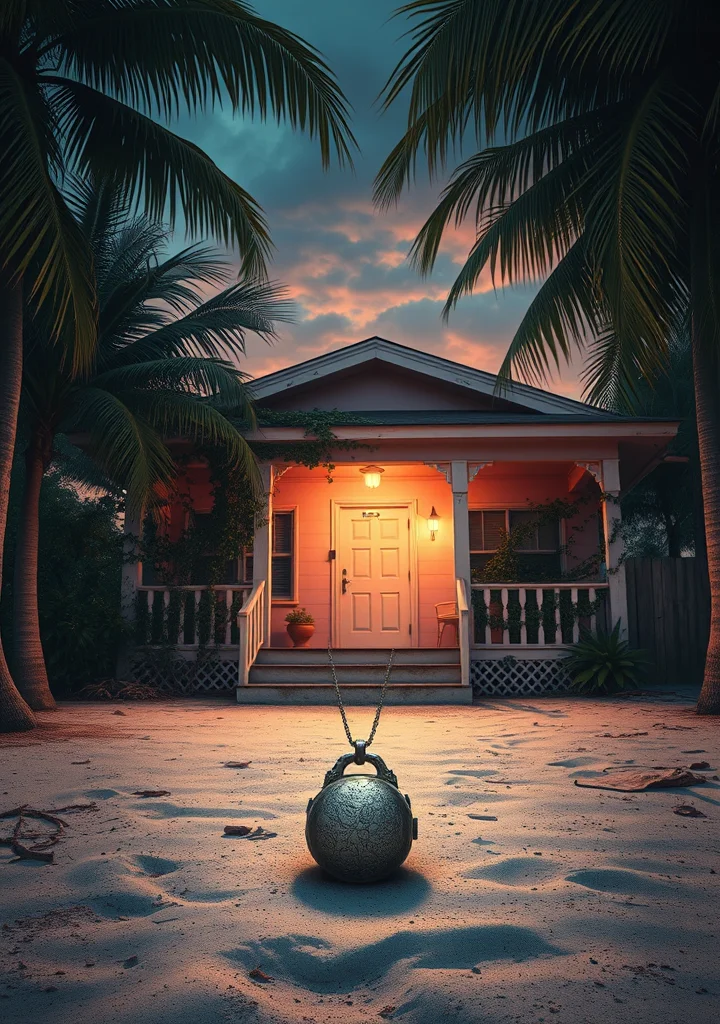
A creeping dread clings to the shadowed eaves of the bungalow, a humid stillness broken only by the rustle of palm fronds and the whispers of unseen things. The air hangs thick with the scent of decaying jasmine and the salt tang of a sea concealing secrets. Here, amidst the languid decay of a Florida resort, a missing heiress unravels a tapestry of fractured lives and sun-bleached lies. Each room breathes with the ghosts of past occupants, their desires and betrayals leaching into the very plaster walls. Sunlight fractures across polished floors, illuminating dust motes dancing in the gloom, each a fleeting glimpse of a forgotten truth. A suffocating sense of isolation descends with the twilight, mirroring the labyrinthine corridors of the mind as a young investigator is drawn into a web of deception. The bungalow itself becomes a character, a silent witness to escalating paranoia, its shadowed corners harboring not just clues, but the suffocating weight of a past determined to remain buried beneath the shimmering heat. A palpable fear permeates the humid air, clinging to the skin like saltwater and the scent of something irrevocably lost.
Copyright: Public Domain
This license allows anyone to use your story for any purpose, including printing, selling, or adapting it into a film freely.
This license allows anyone to use your story for any purpose, including printing, selling, or adapting it into a film freely.
More like this