
-
Read 341
-
0
-
Part 11
Completed, First published Mar 02, 2026
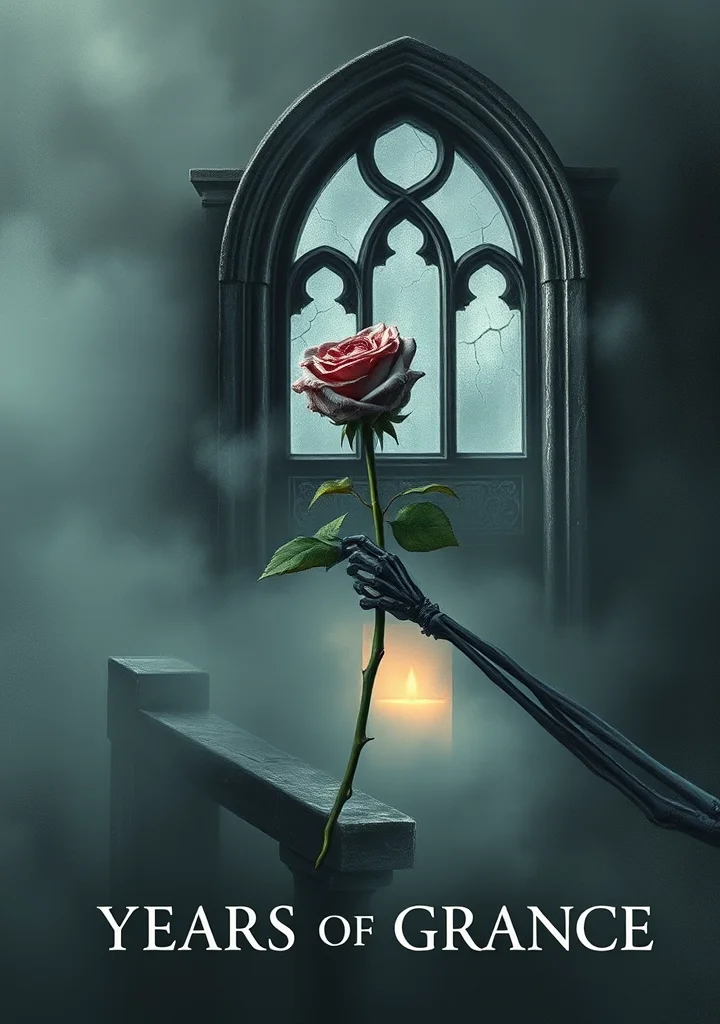
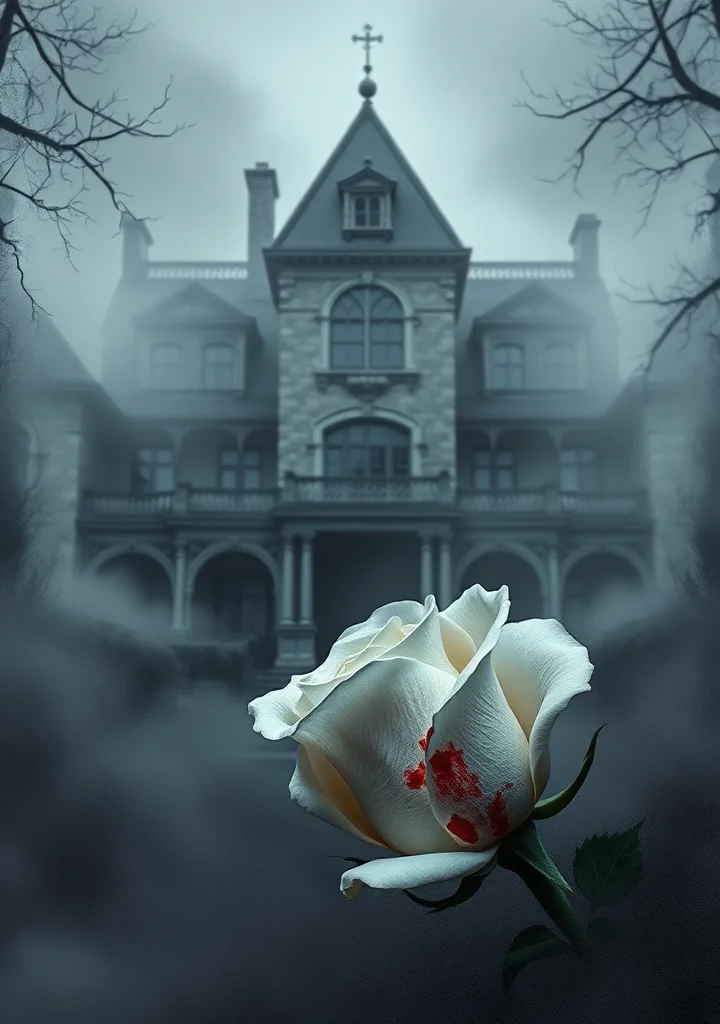
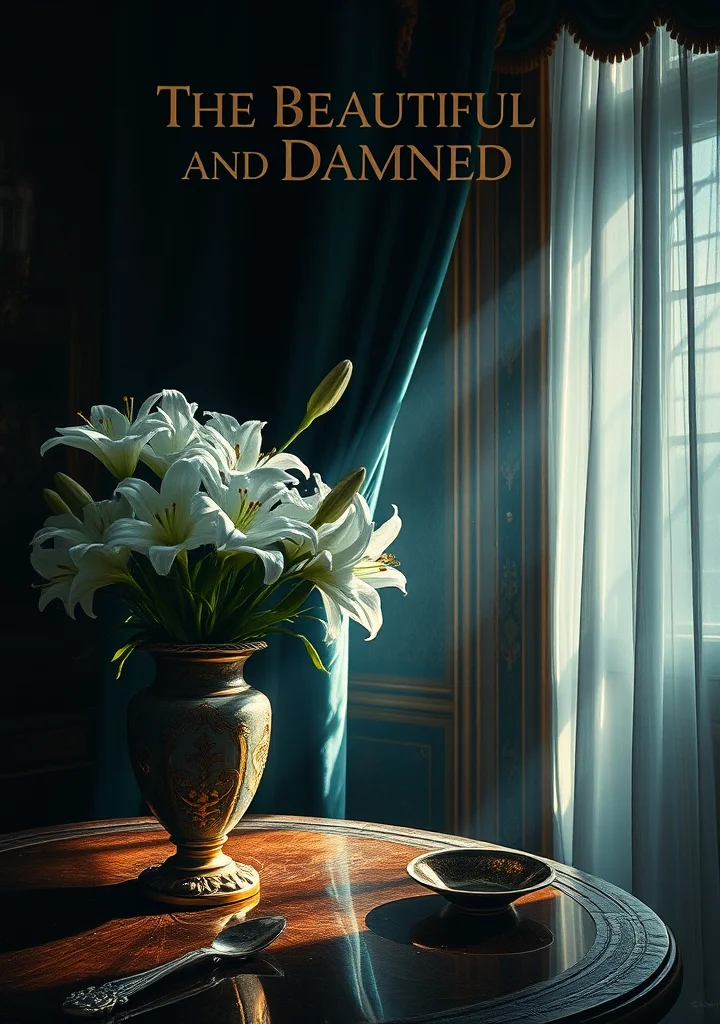
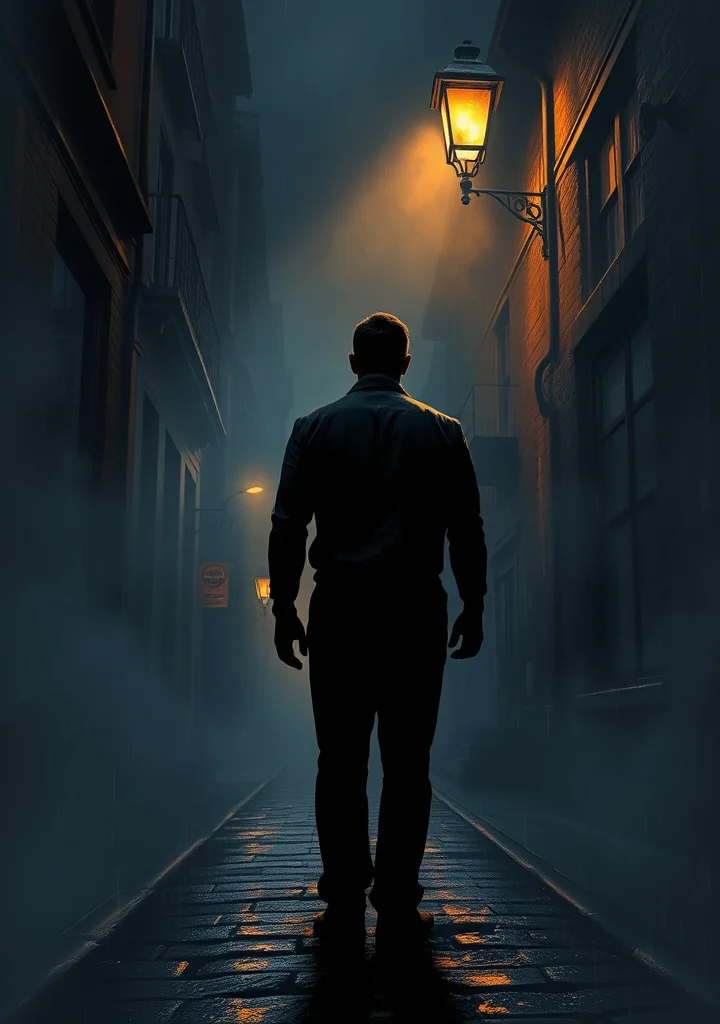
The fog clings to the Thames like a shroud, mirroring the miasma of regret that hangs over the lives of Selwyn Grey and his doomed circle. This is a London steeped in the amber light of fading gas lamps, where conversations unravel in the damp chill of drawing rooms, revealing fractures in memory and the insidious rot of unspoken desires. A man’s upright posture—a rigid attempt at self-possession—becomes a desperate defense against the unraveling of identity itself, against the creeping realization that the past is not a fixed landscape but a shifting, treacherous terrain.
The narrative moves like a slow bleed, staining the present with the phantom pain of lost loves and compromised ideals. Each encounter is a half-remembered dream, a fragment of a fractured narrative pieced together through unreliable recollections and the veiled anxieties of those caught in the afterglow of Edwardian decay. The air is thick with the scent of decaying roses and the metallic tang of suppressed emotion.
A claustrophobic sense of enclosure pervades, not just within the London rooms but within the very minds of those who believe themselves to be masters of their fate. The story doesn’t reveal itself; it seeps into the skin, a cold dampness that lingers long after the final page is turned, leaving you haunted by the subtle, devastating power of what has been lost—and what has never truly been known. It is a story of men and women adrift on a sea of fractured recollection, each struggling to maintain the illusion of solidity in a world where even the most steadfast foundations are revealed to be built upon sand.
Copyright: Public Domain
This license allows anyone to use your story for any purpose, including printing, selling, or adapting it into a film freely.
This license allows anyone to use your story for any purpose, including printing, selling, or adapting it into a film freely.
More like this