
The Enormous Room
  • 172
  • 0
  • 16
  • Reads 172
  • 0
  • Part 16
Completed, First published Mar 02, 2026

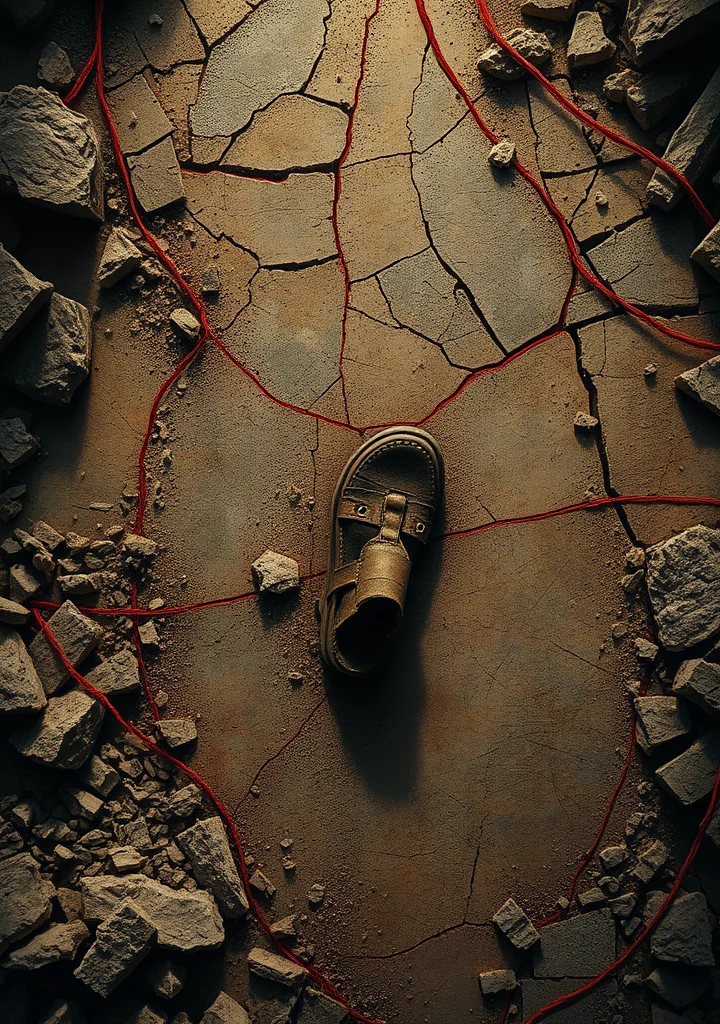
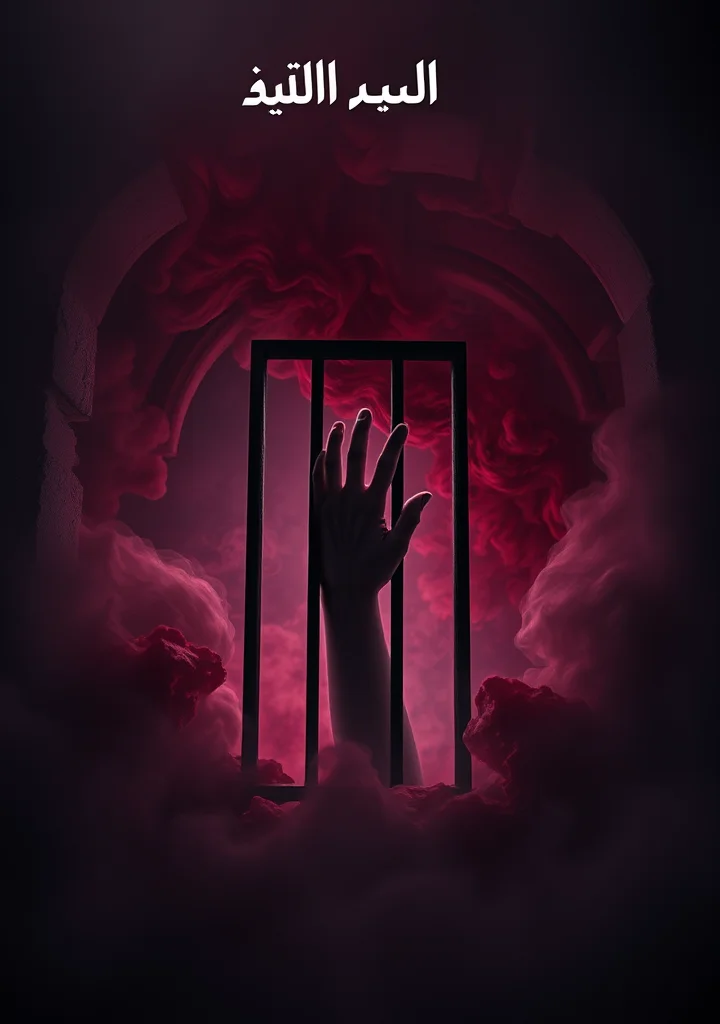
Dust motes dance in the perpetual twilight of a French prison camp, a suffocating stillness broken only by the rasp of coughs and the echoing, fractured pronouncements of men stripped bare. Not of flesh, but of identity. The narrative coils like smoke, less a linear progression than a haunting accretion of moments – a chipped mug, a shared cigarette, a stolen glance revealing a flicker of humanity within the bone-grey uniformity. It isn’t brutality that suffocates here, but an insidious erosion of self. The room itself breathes with a damp, earthy despair, its boundaries not walls of stone, but the unraveling threads of sanity. Cummings doesn’t deal in grand escapes or heroic resistance; he offers instead a claustrophobic descent into the fractured consciousness of men defined not by what they’ve done, but by what they *are becoming*. The prose is a fractured mirror, reflecting the shards of memory, the absurdities of authority, the slow, creeping dissolution of hope. It’s a prison not of bars, but of silence, of the unnameable weight of existing in a space deliberately designed to extinguish the flame of the individual. A creeping dread permeates every sentence, less a scream of anguish than a whisper of oblivion. The Enormous Room doesn’t reveal the horrors it witnesses; it *becomes* them.
Copyright: Public Domain
This license allows anyone to use your story for any purpose, including printing, selling, or adapting it into a film freely.

Recommended for you
37 Part
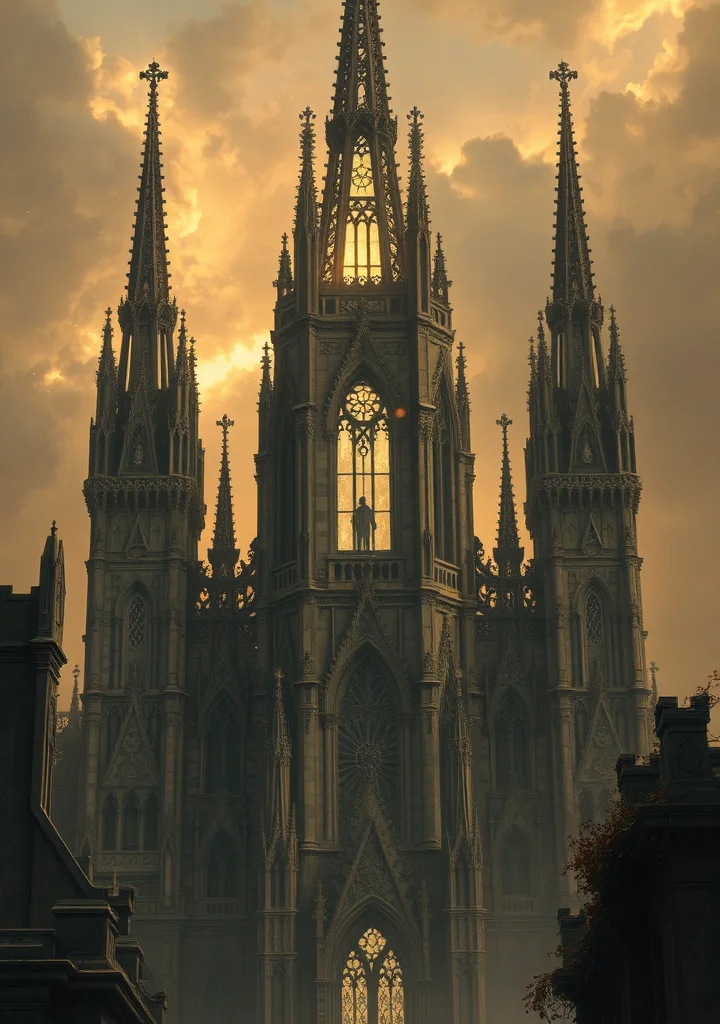
Dust motes dance in the perpetual twilight of shadowed parlors, mirroring the fractured reflections within Hazlitt’s prose. *Table-Talk* isn’t merely conversation; it is the exhumation of ghosts—not those of the dead, but of ideas, regrets, and the slow, corrosive decay of London society. Each essay, a chipped shard of a broken looking-glass, reveals a distorted portrait of the age, haunted by the specter of its own vanities. The voice is brittle, intimate, as if overheard through a crack in the wall, a feverish monologue delivered in the gloom. There’s a pervasive chill—not of winter, but of disillusionment—that seeps into the marrow of the sentences. The author dissects, not with surgical precision, but with the casual cruelty of a man tracing the lines of a skull. He lingers over the grotesque, the absurd, the moments where public spectacle curdles into private despair. A sense of claustrophobia clings to the pages; the air thick with the scent of stale tobacco and forgotten grievances. The narrative is less a journey than a slow unraveling—a descent into the labyrinth of the author’s own melancholic temperament. One feels the weight of unspoken histories, the oppressive silence of unacknowledged debts. It’s a book for those who find comfort not in illumination, but in the shadowed corners of the world, where the whispers of the past cling to the velvet curtains and the cobwebs of the mind. The final impression is one of being left alone in a decaying library, surrounded by the ghosts of conversations long since ended, and the haunting realization that every table has its own secret, and every voice, its own void.

48 Part
Dust-choked canyons whisper with the ghosts of sun-scorched prayers. Within the crumbling adobe walls, the air hangs thick with the scent of piñon smoke and something older – the weight of stories carved into bone and stone. These are not tales told around hearthfires, but echoes dragged from the mouths of the dead, carried on the rasping breath of the desert wind. Cushing doesn’t offer simple myth; he peels back the layers of Zuni belief, revealing a labyrinth of shadowed kivas and star-haunted mesas. The sun bleeds crimson onto the mesas as Coyote’s trickery unravels the boundaries between worlds. Each story feels less like a recounting and more like an excavation—a digging into the earth to unearth a cold, pulsing heart of ancestral memory. The narrative is fractured, possessed by the spirit of the storyteller, a man lost in the labyrinth of the Zuni world. The beauty is brittle, laced with the desperation of a people clinging to their past as the white man’s shadow lengthens. It’s a haunting, a slow rot of tradition, observed with a scholar's detachment and yet steeped in an unnerving intimacy with the spirits of the place. The reader is not simply told of the Zuni world—they are *held* within it, gasping for air in the suffocating darkness of the kivas, and witnessing the dance of the dead under a moon of bleached bone. This is not folklore, but a descent into a ritualistic dreamscape where the line between the living and the vanished dissolves into sand.