
The Red Badge of Courage
  • 224
  • 0
  • 25
  • Reads 224
  • 0
  • Part 25
Completed, First published Mar 02, 2026

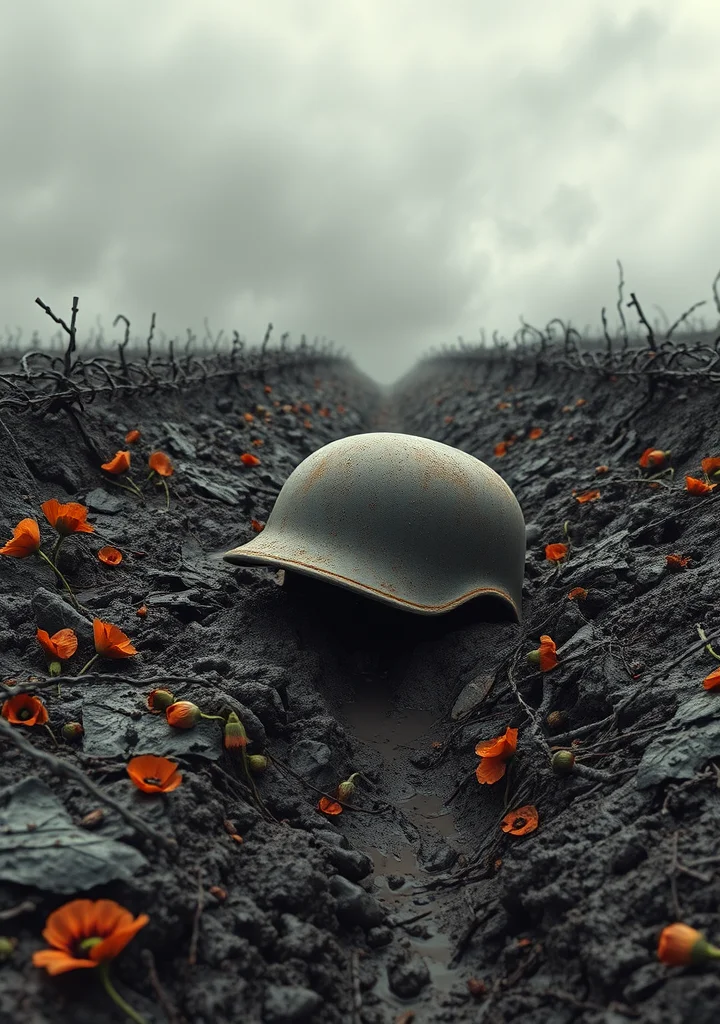
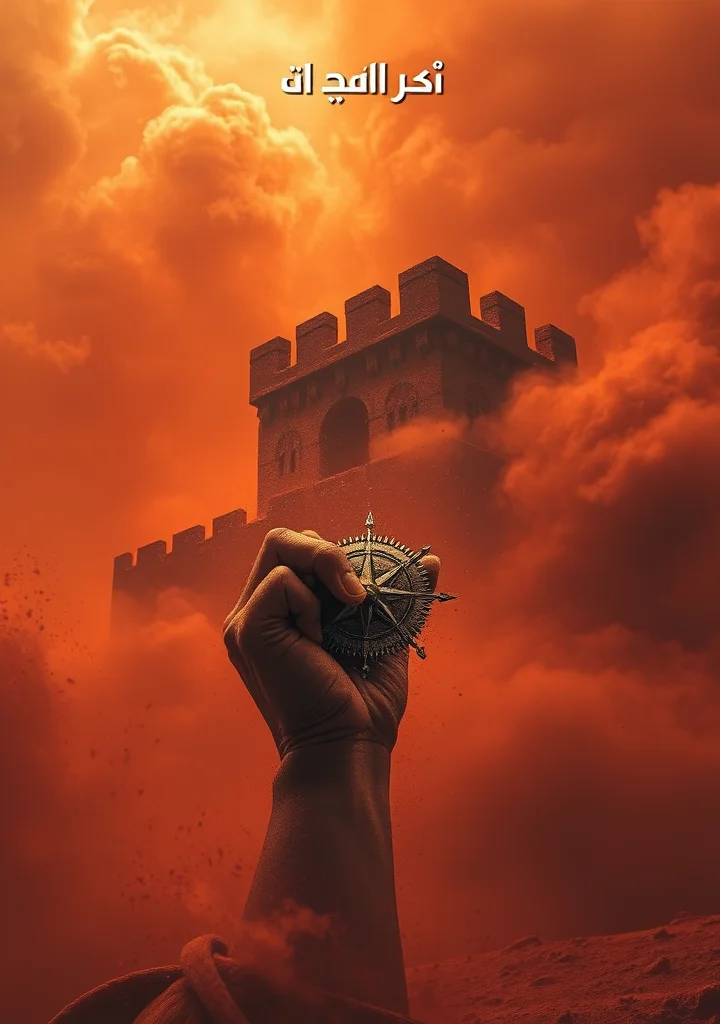
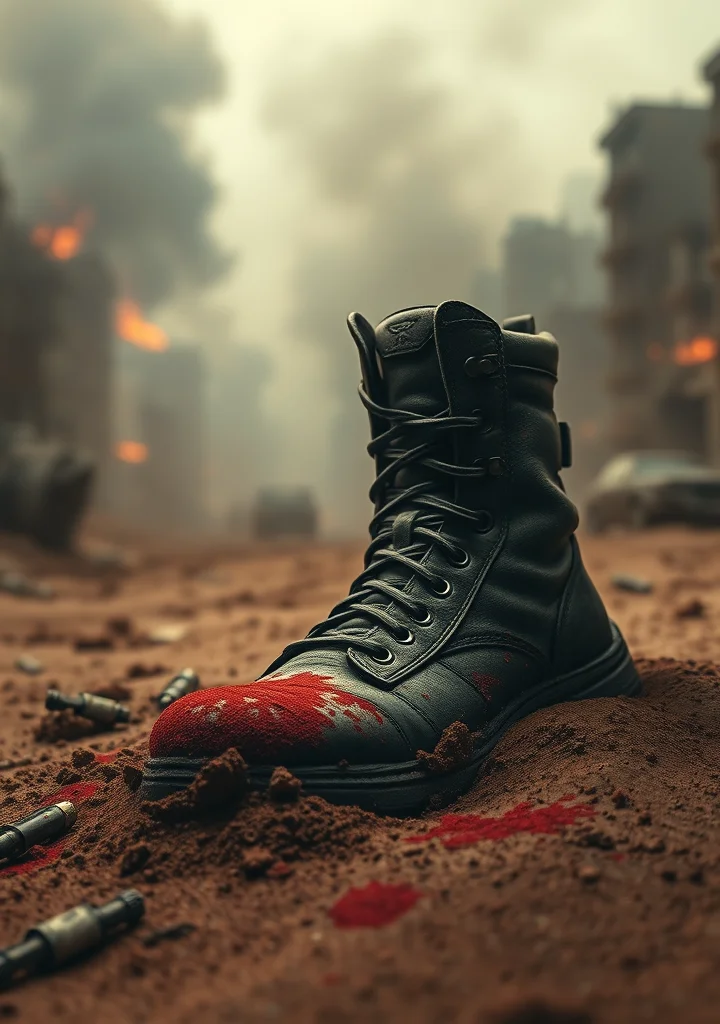
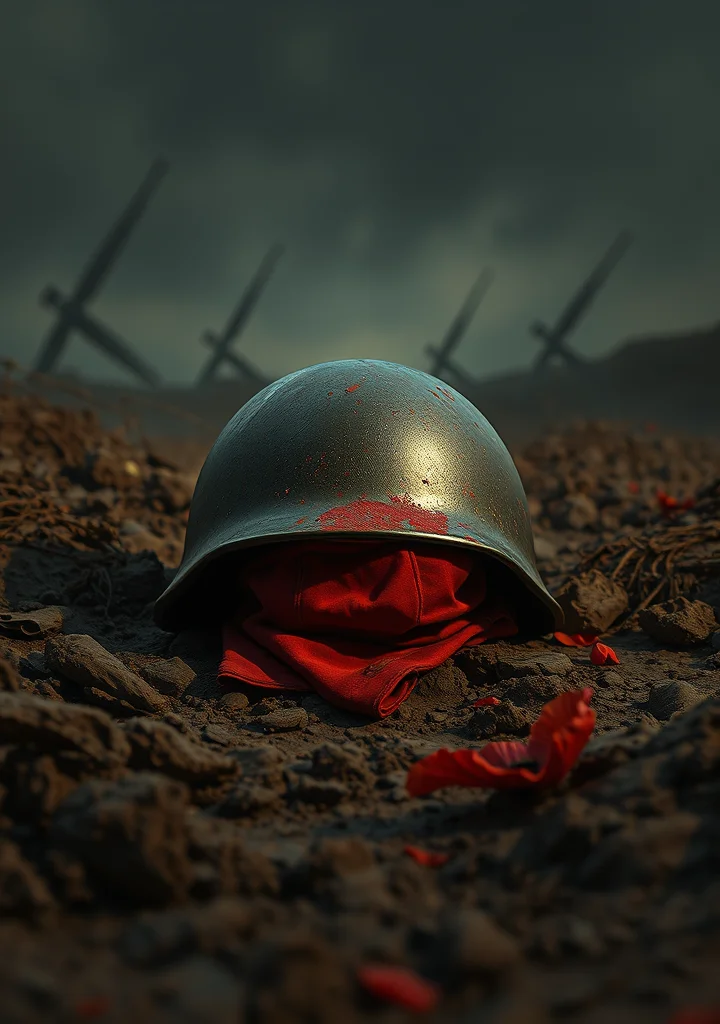
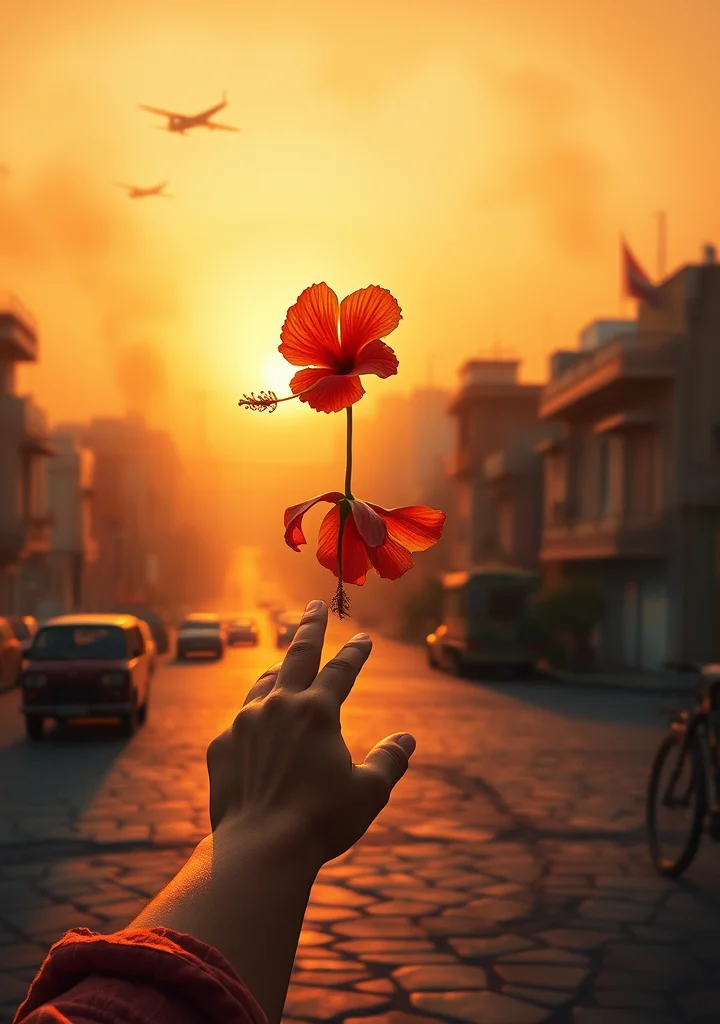
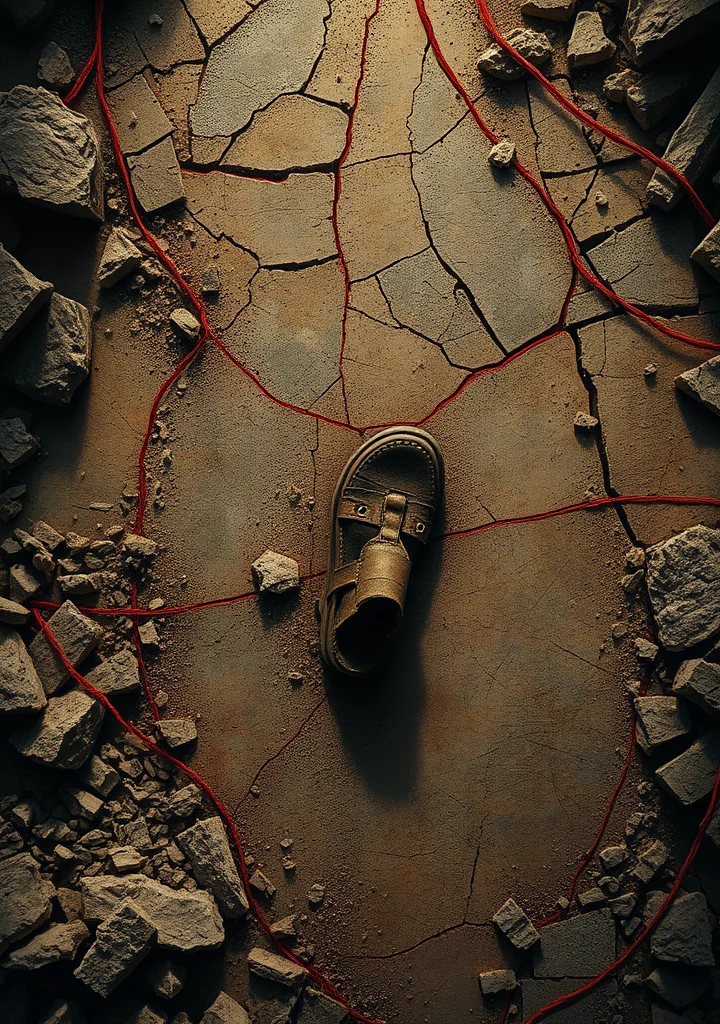
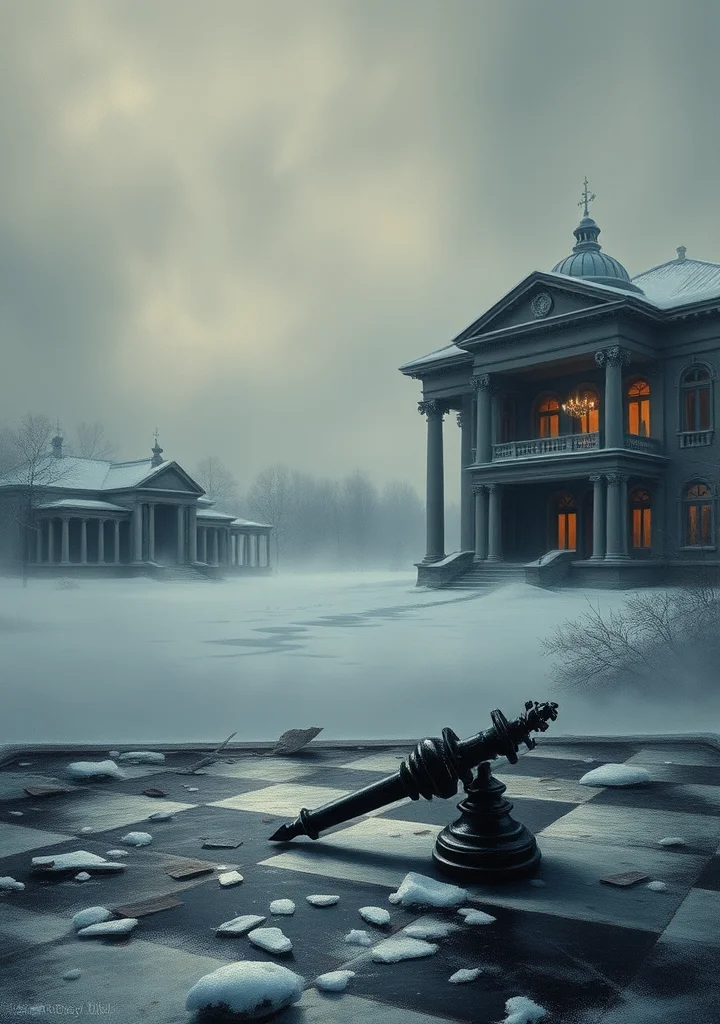
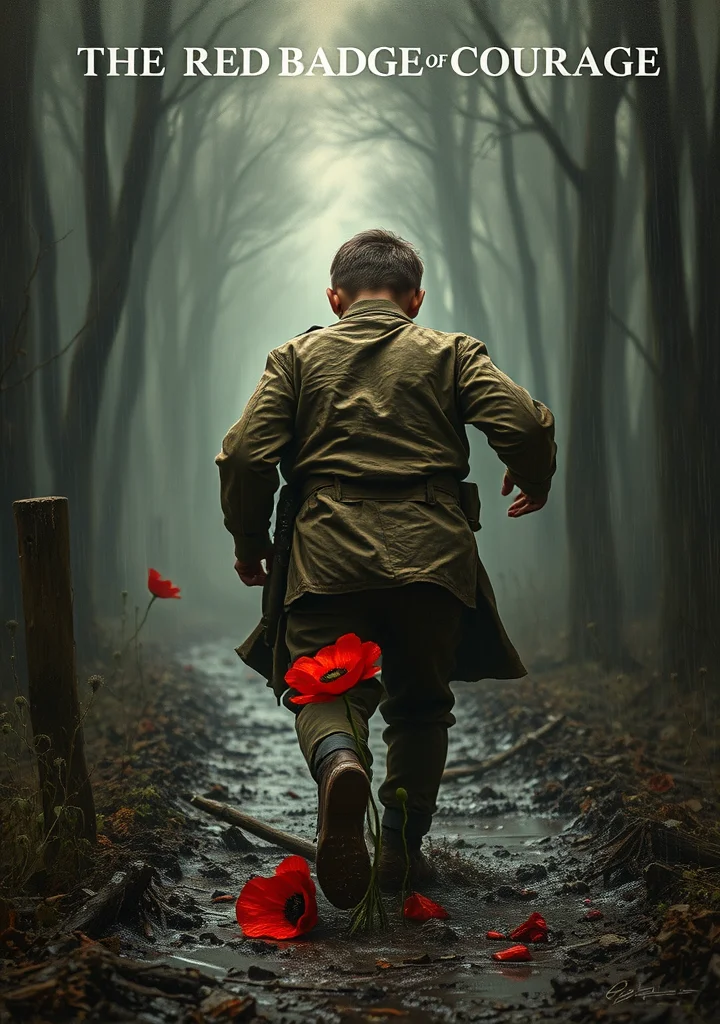
Dust hangs thick as grief in the humid trenches, clinging to the boy’s sweat-slicked skin like a shroud. The air itself vibrates with the low thrum of impending violence, a heartbeat echoing in the hollow chests of men already half-corpsed. Not a tale of glory, but of shivering terror—a landscape of mud and bone where courage isn’t born of conviction, but forged in the furnace of panic. He runs, not with valor, but with the blind instinct of a cornered animal, the forest a blur of gray menace. Each crackle of gunfire is a phantom limb torn away, each fallen comrade a mirror reflecting his own fracturing will. The red badge, a stain blooming on flesh, isn’t earned with triumph, but with the raw, sickening realization that heroism is a fragile delusion, a desperate performance against the backdrop of oblivion. The trees seem to watch, gnarled and skeletal, as the boy’s sanity unravels, lost in the labyrinth of his own fear. The war isn’t a spectacle, but a slow rot, a decay of spirit that leaves him hollowed, haunted by the faces of the dead and the stench of his own cowardice. It’s a descent into a fever dream of blood and shadow, where the only certainty is the suffocating weight of dread.
Copyright: Public Domain
This license allows anyone to use your story for any purpose, including printing, selling, or adapting it into a film freely.
Recommended for you
25 Part
A creeping dread clings to the chalk-white cliffs of the English coast, mirrored in the fractured psyche of Shagpat. This is a novel of suffocating isolation, of a man bound by a self-imposed exile, his very identity dissolving into the sea mist that swallows his ancestral home. The narrative unfolds not as a progression, but as a slow unraveling, a descent into the labyrinthine corridors of a mind fractured by pride and the weight of inherited expectation. The air is thick with unspoken histories, with the ghostly echoes of Shagpat’s forefathers. Every stone, every shadowed doorway breathes with the suffocating legacy of his lineage. A suffocating claustrophobia pervades the narrative, born not of physical constraint but of a spiritual paralysis. The world outside – the bustling cities, the promises of love – feels distant, unreal, accessible only through the warped lens of Shagpat’s decaying inner world. The novel is steeped in a melancholic beauty, a slow burn of longing and regret. It is a landscape of muted colours, of perpetual twilight, where the boundaries between reality and hallucination blur. A sense of impending doom hangs heavy, not through dramatic plot twists, but through the inexorable erosion of a soul. The reader is immersed in the suffocating silence, the oppressive stillness, and the chilling realization that Shagpat’s true prison is not a place, but a state of being. It is a study in the decay of will, the slow, agonizing dissolution of a man into the very fabric of his desolate inheritance.
74 Part
A perpetual twilight clings to the Dorrit family, born within the suffocating walls of the Marshalsea Debtors’ Prison. Dust motes dance in the shafts of pallid sunlight that penetrate the gloom, illuminating a world built on inherited despair. The narrative unfolds not as a story of escape, but of entrenchment – a slow, creeping rot within the heart of London’s shadowed districts. A suffocating domesticity, laced with the scent of decay and stale hope, pervades every corner. The city itself breathes a feverish sickness, its cobblestones slick with rain and regret. The weight of ancestral debts presses down like a leaden shroud, mirroring the labyrinthine streets where shadows stretch and lengthen, obscuring the boundaries between freedom and imprisonment. There’s a fragility to the light, a constant sense of something crumbling beneath a veneer of civility. Even the briefest glimpses of sun-drenched fields feel haunted by the prison’s pervasive darkness. The narrative whispers of forgotten inheritances, of lives spent meticulously charting the boundaries of their own cages, and the suffocating intimacy of a family bound by misfortune, not love. A creeping melancholy clings to the prose, a sense of inevitability that echoes in the hollow chambers of the heart. It’s a world where the smallest kindness feels like a desperate plea against oblivion, and where every act of charity is stained with the knowledge of inevitable loss.